
Apple Apparently Still Undecided on iPhone 18 Pro Dynamic Island
Apple's Big Decision: The Future of the iPhone 18 Pro's Dynamic Island
As the tech world eagerly anticipates the next generation of Apple's flagship smartphones, a crucial decision looms over the design of the upcoming iPhone 18 Pro. At the heart of this design dilemma is the Dynamic Island, that innovative interactive pill-shaped cutout introduced with the iPhone 14 Pro. According to insights from the well-known Weibo leaker, Digital Chat Station, Apple is currently weighing two distinct pathways for this prominent feature, with a final choice yet to be made.
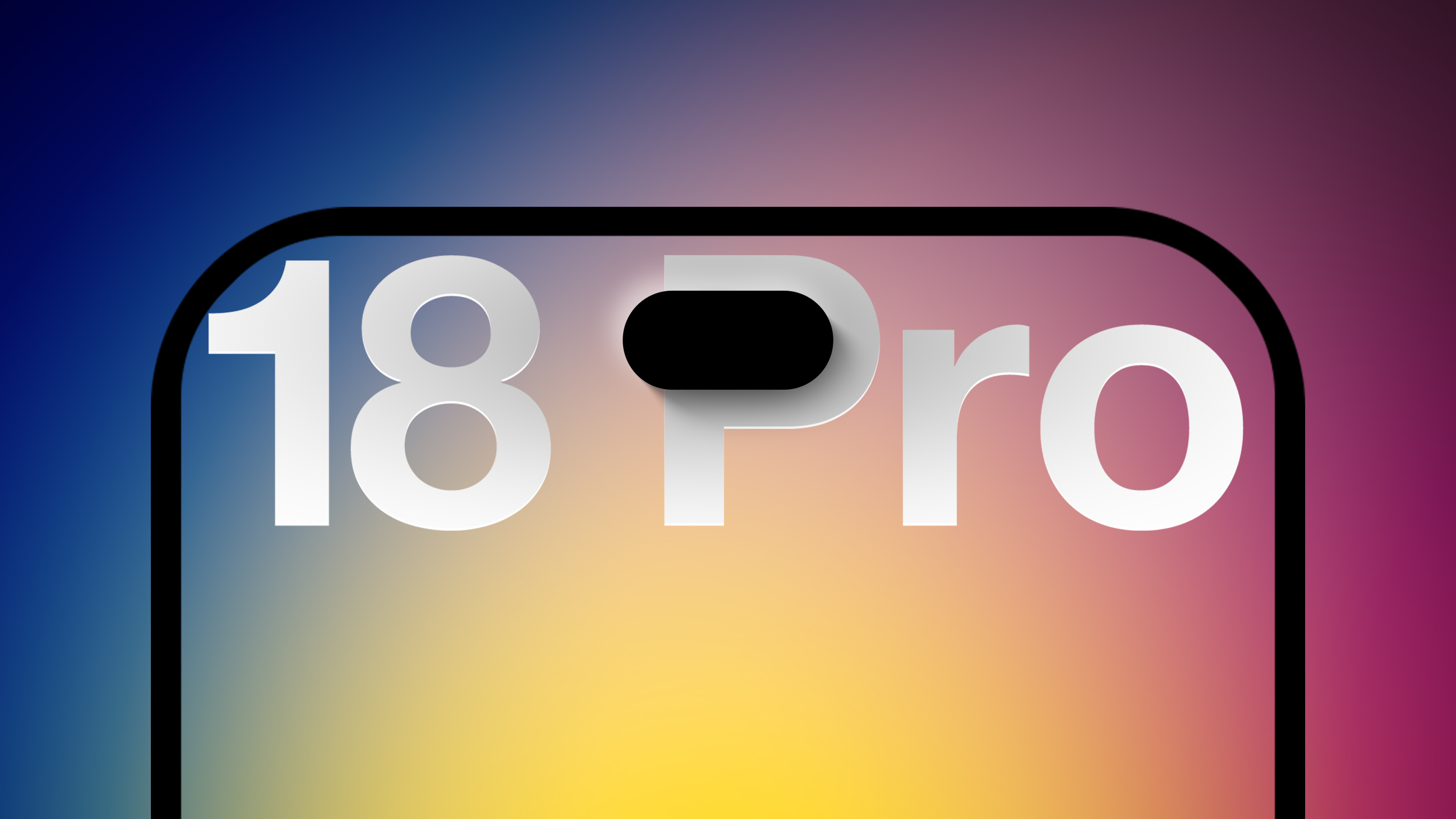
Understanding the Dynamic Island: A Hub of Innovation
To fully grasp the significance of Apple's upcoming decision, it's essential to understand what the Dynamic Island is and why it's such a pivotal element of the Pro iPhone experience. Introduced with the iPhone 14 Pro, the Dynamic Island was Apple's ingenious solution to move beyond the traditional notch, which had housed the front camera and Face ID sensors for years. Instead of simply shrinking the notch into a less obtrusive form, Apple transformed it into an interactive, shape-shifting notification and activity hub.
This clever design integrates the hardware cutout – which still contains the TrueDepth camera system for Face ID and the front-facing camera – with software animations and user interface elements. It intelligently expands and contracts, morphing its shape to display crucial information, alerts, and ongoing background activities. Imagine receiving a phone call, controlling your music, checking your AirPods battery status, or tracking your food delivery – all without leaving your current app. The Dynamic Island seamlessly presents these interactions in an elegant, fluid manner, making the hardware blend effortlessly with the software.
For instance, when you connect your AirPods, a small icon and battery percentage bubble out from the Dynamic Island. When you receive a text message, it might briefly expand to show the sender and a preview. During a timer countdown, it displays the remaining time. For Live Activities, like a sports score update or the progress of your taxi ride, the Dynamic Island becomes a miniature, always-visible dashboard. This constant, yet unobtrusive, presence elevates the user experience by providing quick access to relevant information without interrupting the main task on the screen.
Since its debut, the Dynamic Island has become a signature feature of Apple's Pro iPhone lineup, setting them apart from the standard models and offering a unique interaction paradigm. It's not just a cutout; it's a dynamic, living part of the iPhone's interface, constantly evolving to provide contextually relevant information. This innovation showcased Apple's ability to turn a hardware necessity (the camera/sensor array) into a software advantage, delighting users with its thoughtful integration and smooth animations. As such, any changes to its design are watched with keen interest, as they could significantly impact the look and feel of future iPhones.
The Two Pathways: Status Quo vs. Mini Dynamic Island
In a recent post, Digital Chat Station indicated that feedback from the supply chain points to an "A/B testing scenario" for the iPhone 18 Pro's screen mold. This means Apple is actively developing and evaluating two distinct prototypes for its display, each with significant implications for the device's aesthetics and functionality.
Option A: Retaining the Existing Design
The first option under consideration involves retaining the existing screen mold, which implies that the Dynamic Island on the iPhone 17 Pro (and presumably the iPhone 16 Pro) would carry over to the iPhone 18 Pro with little to no change in size or shape. This would mean that the physical cutout for the front camera and Face ID sensors would remain as prominent as it is on current Pro models.
There are several reasons why Apple might choose this path. Sticking with an established design offers significant advantages in terms of manufacturing efficiency and cost control. The supply chain is already optimized for the current Dynamic Island component layout and assembly process. Furthermore, relying on a proven design minimizes potential risks associated with introducing new, untested display technologies or sensor placements. Ensuring the reliability and accuracy of Face ID, for instance, is paramount, and maintaining the current setup guarantees this without additional engineering hurdles. While perhaps not as exciting for consumers hoping for a radical visual change, this option represents a safe, reliable, and economically sound choice for Apple, allowing them to focus innovation on other areas of the device.
Option B: The "Mini Dynamic Island"
The second, and arguably more ambitious, option involves introducing a significantly smaller "Mini Dynamic Island." This substantial reduction in size would be made possible by a critical technological advancement: moving the Face ID receiver and transmitter components beneath the display. This is a monumental engineering feat, as it requires the display itself to become transparent enough for the complex Face ID sensors to function accurately, all while maintaining image quality for the user.
The leaker's quote explicitly states:
Current feedback from the supply chain suggests an A/B testing scenario: one option retains the existing screen mold, while the other features a 'Mini Dynamic Island' with the Face ID receiver/transmitter (RX) components positioned beneath the display. If they opt for the latter, it feels like sales figures will once again be a non-issue.This sentiment highlights the excitement surrounding a smaller Dynamic Island. A less intrusive cutout would free up more screen real estate, offering a more immersive viewing experience. It would represent a significant step towards Apple's long-term goal of an all-screen iPhone with no visible sensors or cameras. Such a visible technological leap would undoubtedly be a major selling point, generating considerable buzz and potentially driving strong sales.
Diving Deep into Face ID: The Core Technology at Play
The prospect of a "Mini Dynamic Island" hinges entirely on Apple's ability to successfully move Face ID components beneath the display. To appreciate the magnitude of this challenge, it's crucial to understand what Face ID is and how it functions.
What is Face ID?
Face ID is Apple's advanced facial recognition system, first introduced with the iPhone X in 2017. It's designed to securely unlock your iPhone, authenticate purchases, and allow access to secure apps simply by looking at your device. Far more sophisticated than earlier facial recognition methods, Face ID uses a complex array of hardware and software to create a detailed 3D map of your face, making it incredibly secure and difficult to fool with photos or masks.
The TrueDepth Camera System: The Brains Behind Face ID
The core of Face ID is the TrueDepth camera system, which is currently housed within the Dynamic Island. This system comprises several key components:
- Dot Projector: This component projects more than 30,000 invisible infrared dots onto your face, creating a unique 3D depth map.
- Flood Illuminator: An invisible infrared light that helps identify your face even in low-light conditions.
- Infrared Camera: This camera reads the dot pattern and captures an infrared image of your face. It then sends this data to the Secure Enclave within the A-series chip, where it's transformed into a mathematical representation for comparison.
- Front Camera: The standard front-facing camera works in conjunction, adding additional detail for more accurate recognition and enabling features like Animoji and Memoji.
Together, these components work in milliseconds to accurately map and authenticate your face. The system is designed to adapt to changes in your appearance over time, such as wearing glasses, hats, or growing a beard, and it's intelligent enough to know if you're looking at your phone with intention, preventing accidental unlocks.
The Engineering Challenge: Face ID Under the Display
Moving this intricate TrueDepth camera system *underneath* the display is a monumental engineering challenge. Here's why:
- Display Transparency: The display panel itself must become sufficiently transparent to allow the infrared light from the dot projector and flood illuminator to pass through without distortion, and crucially, for the infrared camera to accurately "see" and read the dot pattern reflected from the user's face. This requires specialized OLED display technology that can effectively become "invisible" in certain areas when needed, while still displaying pixels normally for the rest of the screen.
- Sensor Accuracy and Reliability: Any material (even the display pixels) between the sensors and the user's face can interfere with the accuracy of the depth mapping. Apple's standard for Face ID security and reliability is incredibly high, meaning they cannot compromise on its performance just for aesthetics. Ensuring consistent and reliable authentication in various lighting conditions and angles with an under-display setup is a significant hurdle.
- Light Interference: The pixels of the display emit light. Preventing this emitted light from interfering with the infrared light used by Face ID is another complex problem. There needs to be a precise calibration and timing mechanism to ensure that the Face ID sensors are not "blinded" by the display itself.
- Manufacturing Complexity and Cost: Integrating such advanced under-display technology would undoubtedly increase the complexity of manufacturing the display panel and the overall device. This could lead to higher production costs and potentially lower yield rates initially.
Despite these challenges, achieving under-display Face ID is seen as the holy grail of smartphone design, representing a true all-screen experience. Android manufacturers have already started implementing under-display front cameras (though often with compromises in camera quality), but placing the more complex 3D sensing components for robust facial authentication under the screen is a different league altogether. If Apple succeeds in this, it would reaffirm its position as a leader in display and sensor integration technology.
Benefits and Drawbacks of a Mini Dynamic Island
The decision between these two options carries distinct advantages and potential disadvantages for both Apple and its customers.
The Pros of a Mini Dynamic Island
- Enhanced Screen Real Estate: The most immediate and obvious benefit is a larger usable screen area. A significantly smaller Dynamic Island would reduce the visual obstruction, making videos, games, and browsing feel more immersive and expansive. This is a perpetual desire among smartphone users.
- Sleeker, More Modern Aesthetic: A smaller cutout contributes to a cleaner, more refined look, bringing Apple closer to the coveted "all-screen" device. It demonstrates Apple's commitment to pushing design boundaries and eliminating physical interruptions on the display.
- Technological Prowess: Successfully implementing under-display Face ID components would be a major engineering triumph for Apple. It would showcase their ability to innovate and solve complex technical challenges, reinforcing their reputation for cutting-edge technology. This kind of breakthrough often excites the market and can be a strong differentiator against competitors.
- Increased "Wow Factor" and Sales Potential: As Digital Chat Station suggested, a "Mini Dynamic Island" could make sales figures "a non-issue." A visible, tangible improvement in screen design and technology often generates immense consumer interest and excitement, leading to strong upgrade cycles and robust sales. It provides a clear, compelling reason for users to upgrade their devices.
The Cons and Challenges
- Manufacturing Complexity and Cost: Integrating under-display Face ID is incredibly difficult and expensive. It requires specialized display panels, precise calibration, and potentially new manufacturing processes, which could drive up the production cost of the iPhone 18 Pro. These costs might eventually be passed on to the consumer.
- Potential Impact on Face ID Performance: While Apple would never release a feature that compromises security, the initial iterations of under-display sensor technology can sometimes suffer from reduced accuracy or speed compared to visible components. Apple would need to ensure that the user experience of Face ID remains flawless, which is a significant technical hurdle.
- Development Delays: The complexity of this technology could lead to unforeseen development challenges or delays in production, impacting the iPhone 18 Pro's release schedule or initial availability.
- Risk vs. Reward: Apple needs to weigh the substantial investment and risk associated with this new technology against the potential benefits. While the rewards are high, so are the potential pitfalls if the implementation isn't absolutely perfect.
Ultimately, the choice will reflect Apple's balance between pushing technological limits, maintaining user experience standards, and managing manufacturing realities.
The Source: Digital Chat Station and the World of Leaks
The information regarding Apple's internal deliberations comes from Digital Chat Station, a prominent and often reliable leaker in the tech industry, particularly known for insights related to Chinese supply chains. Understanding the nature of such leaks helps put the current situation into context.
Who is Digital Chat Station?
Digital Chat Station (DCS) operates primarily on Weibo, a popular Chinese microblogging platform. Over the years, DCS has built a strong reputation for accurately predicting upcoming features and specifications for various smartphones, often months before their official announcements. Their insights typically stem from sources within the vast Asian manufacturing supply chain that produces components for companies like Apple. This access provides early glimpses into hardware specifications, design iterations, and sometimes even manufacturing challenges.
The Dynamics of Supply Chain Leaks
Information emerging from the supply chain is incredibly valuable because it comes from the factories and suppliers directly involved in creating the components of future devices. At this stage, designs are usually concrete enough to be prototyped and tested, even if they are not yet final. However, supply chain feedback can also be fluid and sometimes contradictory because:
- Multiple Prototypes: Companies like Apple often test multiple prototypes with different specifications simultaneously. What one supplier sees might be just one of several options being evaluated.
- Evolving Decisions: Development is an iterative process. Plans can change rapidly based on testing results, cost analysis, performance benchmarks, and market feedback.
- Partial Information: Leakers rarely have a complete picture of Apple's entire strategy. They might get information about specific components without knowing the broader context of how those components fit into the final product.
The Shift in Reporting
What makes Digital Chat Station's latest update particularly noteworthy is that it represents a slight shift from their previous position. Earlier this year, DCS had suggested that Apple was leaning towards reusing the existing Dynamic Island design, implying no significant change. The current report, however, introduces the "A/B scenario," indicating that the "Mini Dynamic Island" is now very much back on the table, if not a leading contender.
This shift could imply several things:
- Apple's internal decision-making process is genuinely undecided and ongoing.
- Engineering hurdles that previously made the "Mini Dynamic Island" less likely have either been overcome or are now deemed surmountable.
- Market pressures or competitive developments have pushed Apple to reconsider more ambitious design changes.
- DCS has received updated information from their sources, reflecting the latest internal discussions and prototype evaluations.
Such shifts in leaker reports are common and reflect the dynamic nature of product development at tech giants. They keep the enthusiast community on edge, eagerly awaiting the final unveiling.
The Bigger Picture: Conflicting Rumors and Market Anticipation
Digital Chat Station's earlier report about retaining the existing Dynamic Island design stood as a "dissenting voice" against a wave of other prominent reports. This highlights the complex landscape of tech rumors and the intense scrutiny surrounding Apple's future products.
Other Prominent Voices
Several other highly respected analysts and reporters have consistently suggested that the iPhone 18 Pro would feature a smaller Dynamic Island. These include:
- Bloomberg's Mark Gurman: Known for his deep connections within Apple, Gurman often provides accurate insights into Apple's product roadmap.
- DSCC's Ross Young: A display industry analyst with an exceptional track record for predicting display-related changes in upcoming devices. Young's insights are particularly valuable given the Dynamic Island's direct link to display technology.
- Multiple other Weibo leakers: Beyond Digital Chat Station, other anonymous sources on Weibo have also pointed towards a reduced Dynamic Island size, with some even estimating it to be roughly 35% smaller than on the iPhone 17 Pro.
Why Do Rumors Conflict?
The existence of conflicting reports, even from generally reliable sources, can be perplexing but is entirely understandable in the context of Apple's secretive product development process:
- Early Stage Development: These leaks often emerge when products are still in early development phases, where multiple designs, technologies, and component configurations are being explored simultaneously.
- Prototyping: Apple likely commissions and tests numerous prototypes. Different suppliers might be working on different prototype variations, leading to varied information leaking out. One leak might pertain to an "Option A" prototype, while another relates to an "Option B" prototype.
- Tiered Information Access: Not all leakers or sources have access to the same level or breadth of information. Some might only see details for specific components, while others might have a broader view of design decisions.
- Strategic Misinformation (Rare but Possible): While less common for detailed hardware leaks, companies sometimes deliberately leak certain information to gauge public reaction or mislead competitors.
The overall weight of evidence, particularly from display specialists like Ross Young, has leaned towards a smaller Dynamic Island. Digital Chat Station's latest update, by confirming the "A/B scenario," acknowledges that the smaller version is a strong possibility, aligning more closely with the broader consensus.
This uncertainty, however, fuels intense anticipation among consumers and industry observers. It transforms the waiting period into a fascinating speculative game, where every new piece of information is dissected and analyzed for clues about Apple's final direction. For Apple, the decision isn't just about design; it's about making a statement, pushing technological boundaries, and ultimately, defining the user experience for millions of people worldwide.
Impact on Apple's Strategy and the Smartphone Market
Apple's decision regarding the iPhone 18 Pro's Dynamic Island is more than just a design tweak; it's a strategic move with significant implications for the company's market position, technological leadership, and future product roadmap.
Technological Innovation as a Differentiator
In a highly competitive smartphone market, innovation is key to standing out. While many Android manufacturers have already adopted punch-hole designs for front cameras, few have successfully integrated complex 3D facial recognition systems *under* the display without significant compromises. If Apple can achieve a "Mini Dynamic Island" powered by under-display Face ID, it would be a clear demonstration of its unparalleled engineering prowess. This would provide Apple with a unique selling proposition that competitors would struggle to match, at least in the short term, thereby reinforcing its brand image as a leader in cutting-edge technology.
Responding to Competition and User Expectations
For years, Android phones have pushed towards increasingly bezel-less and notch-less designs. While Apple brilliantly transformed its notch into the Dynamic Island, the physical presence of the cutout remains. A smaller Dynamic Island is Apple's way of gracefully moving towards a truly full-screen experience without sacrificing the critical security and functionality of Face ID. This move not only addresses existing user desires for more screen real estate but also preempts future competitive pressure, ensuring the iPhone remains visually and technologically competitive.
User Experience Improvement
A smaller Dynamic Island translates directly into a better user experience. More screen means more content. Whether it's watching movies, playing games, or simply browsing, the reduction of the visual obstruction creates a more immersive and less distracting interface. This subtle but profound improvement in daily usage can significantly enhance user satisfaction and delight, contributing to brand loyalty.
"Sales Figures Will Be a Non-Issue": The Commercial Imperative
Digital Chat Station's comment, "If they opt for the latter, it feels like sales figures will once again be a non-issue," powerfully encapsulates the commercial impact of such an innovation. A truly transformative design change, especially one that visibly improves the screen experience, often ignites a strong upgrade cycle. Consumers are always looking for compelling reasons to upgrade their devices, and a "Mini Dynamic Island" represents a clear, tangible leap forward.
This kind of innovation creates strong marketing narratives around "more screen," "next-gen technology," and "uninterrupted viewing." It generates buzz, attracts media attention, and excites the user base, leading to robust pre-orders and sustained sales. For a company of Apple's size, maintaining sales momentum for its core product line is paramount, and a significant design evolution like this can be a crucial catalyst.
Rear Design Evolution: Subtle Refinements for a Premium Feel
Beyond the display, Digital Chat Station also touched upon the iPhone 18 Pro's rear design, indicating that Apple is also focusing on refinements to the phone's back panel and materials.
Carrying Over the Rectangular Plateau
The leaker confirmed that the "rectangular plateau design" introduced with the iPhone 17 Pro (and likely refined from the 16 Pro and 15 Pro) will carry over unchanged. This refers to the distinct, raised camera module that houses the advanced camera lenses. This design has become a signature element of the Pro iPhone line, allowing for larger sensors and more powerful optics while providing a protective frame for the intricate camera system.
"Minor Adjustments to the Body Materials and Design Details"
However, while the overall shape of the camera module remains, Digital Chat Station noted that the back will see "minor adjustments to the body materials and design details.” This phrasing hints at subtle, yet significant, improvements aimed at enhancing the overall aesthetic and tactile experience of the device. These adjustments are likely a reference to previously rumored changes focused on achieving a more uniform and seamless look between the various components of the back panel.
What could these "minor adjustments" entail?
- Seamless Integration: Apple is known for its meticulous attention to detail. These adjustments could aim to create a more flush transition between the aluminum (or possibly titanium) unibody frame and the glass cutout for the wireless charging coil. This could involve new finishing techniques, precision milling, or improved assembly methods to reduce visible seams or gaps.
- Material Refinements: While the core materials (like glass and metal) might remain, there could be changes to their specific finishes. For example, a new matte texture for the back glass, an enhanced anodization process for the metal frame, or even a different grade of glass that offers improved durability or a more luxurious feel.
- Camera Lens Integration: The individual camera lenses within the plateau could see refinements to their rings or protective elements, making them appear more integrated and less like separate components.
- Wireless Charging Efficiency and Aesthetics: The "glass cutout for wireless charging" refers to the entire back glass panel, which enables wireless power transfer. The adjustments might also aim to improve the aesthetic consistency of this large glass surface, perhaps reducing fingerprints or enhancing its scratch resistance, while maintaining optimal wireless charging performance.
These seemingly minor details contribute significantly to the premium feel of an iPhone. Apple's focus on such refinements underscores its commitment to delivering not just powerful technology, but also an exquisite user experience defined by thoughtful design and superior craftsmanship.
The Broader Horizon: The iPhone 18 Pro and Apple's Foldable Future
The iPhone 18 Pro and iPhone 18 Pro Max are expected to be unveiled in the fall, following Apple's traditional release cycle. However, their announcement might coincide with an even more groundbreaking product: Apple's first foldable iPhone.
Apple's Entry into the Foldable Market
The mention of a "first foldable iPhone" is a huge revelation, signaling Apple's long-anticipated entry into a nascent but rapidly evolving segment of the smartphone market. For years, Android manufacturers, most notably Samsung, have been pioneering foldable phones, exploring new form factors and user experiences. Apple, true to its nature, has likely been taking its time, perfecting the technology before making its debut.
Why is Apple finally venturing into foldables?
- Innovation and Market Leadership: To maintain its reputation as an innovator, Apple cannot ignore a significant new product category. Entering the foldable market allows Apple to demonstrate its engineering capabilities and define its own vision for this innovative form factor.
- New User Experiences: Foldables offer unique advantages, such as a larger screen in a compact package, enhanced multitasking capabilities, and new interaction paradigms. Apple's software expertise could unlock unprecedented experiences on a foldable device.
- Premium Segment Reinforcement: Foldable phones currently occupy the ultra-premium segment of the market. This aligns perfectly with Apple's strategy of offering high-end devices with premium pricing and margins.
- Long-Term Vision: Foldables represent a potential future direction for personal computing devices, blending smartphone portability with tablet-like screen real estate. Apple's entry indicates a long-term commitment to exploring these possibilities.
Challenges and Opportunities for an Apple Foldable
Apple's foldable iPhone will face several challenges:
- Durability: The hinge mechanism and the flexible display are critical components prone to wear and tear. Apple's reputation for quality means its foldable must be exceptionally durable and reliable.
- Software Optimization: Seamlessly transitioning apps and the user interface between folded and unfolded states requires significant software optimization. Apple's integrated hardware and software ecosystem gives it an advantage here.
- Cost: Foldable phones are inherently expensive to produce. Apple will need to position its foldable carefully within its product lineup.
However, the opportunities are immense. An Apple foldable could potentially offer:
- A "True" iPhone/iPad Hybrid: Combining the compact nature of an iPhone with the expanded canvas of an iPad mini.
- Enhanced Productivity: Imagine using two apps side-by-side with ample screen space, or a larger canvas for creative tasks.
- Unique Interaction Modes: The ability to prop the phone up for hands-free viewing or take selfies with the main camera using the external display.
Coexistence with the iPhone 18 Pro
The introduction of a foldable iPhone alongside the traditional iPhone 18 Pro models raises questions about their interplay. The foldable is likely to be positioned as an even more premium and specialized device, catering to a niche segment willing to pay for its innovative form factor. The iPhone 18 Pro, meanwhile, will continue to be Apple's mainstream flagship, benefiting from the latest advancements in display, camera, and processing power, but adhering to the familiar rigid slab design.
This dual strategy allows Apple to cater to different user preferences and market segments, pushing the boundaries of smartphone design with the foldable while refining and perfecting the traditional form factor with the Pro models. It's an exciting prospect that underscores Apple's continuous drive for innovation across its entire product portfolio.
Conclusion: A Crossroads of Innovation
Apple stands at a critical juncture concerning the design of its iPhone 18 Pro. The decision to either maintain the existing Dynamic Island or introduce a revolutionary "Mini Dynamic Island" with under-display Face ID will profoundly shape the user experience and visual aesthetic of its next-generation flagship. While the company carefully weighs the engineering challenges against the undeniable appeal of an almost bezel-less display, the tech world watches with bated breath.
This crossroads reflects Apple's relentless pursuit of innovation, balancing a commitment to user experience with the complexities of cutting-edge technology. Coupled with subtle refinements to the rear design and the highly anticipated debut of a foldable iPhone, the fall launch promises to be one of Apple's most significant in recent memory. Whether we see a familiar island or a shrinking one, the iPhone 18 Pro is poised to once again redefine what a smartphone can be, showcasing Apple's enduring ability to captivate and lead the industry.
This article, "Apple Apparently Still Undecided on iPhone 18 Pro Dynamic Island" first appeared on MacRumors.com
Discuss this article in our forums
from MacRumors
-via DynaSage
