
A Rare Early Version Of The NES Classic Punch-Out!! Has Been Unearthed
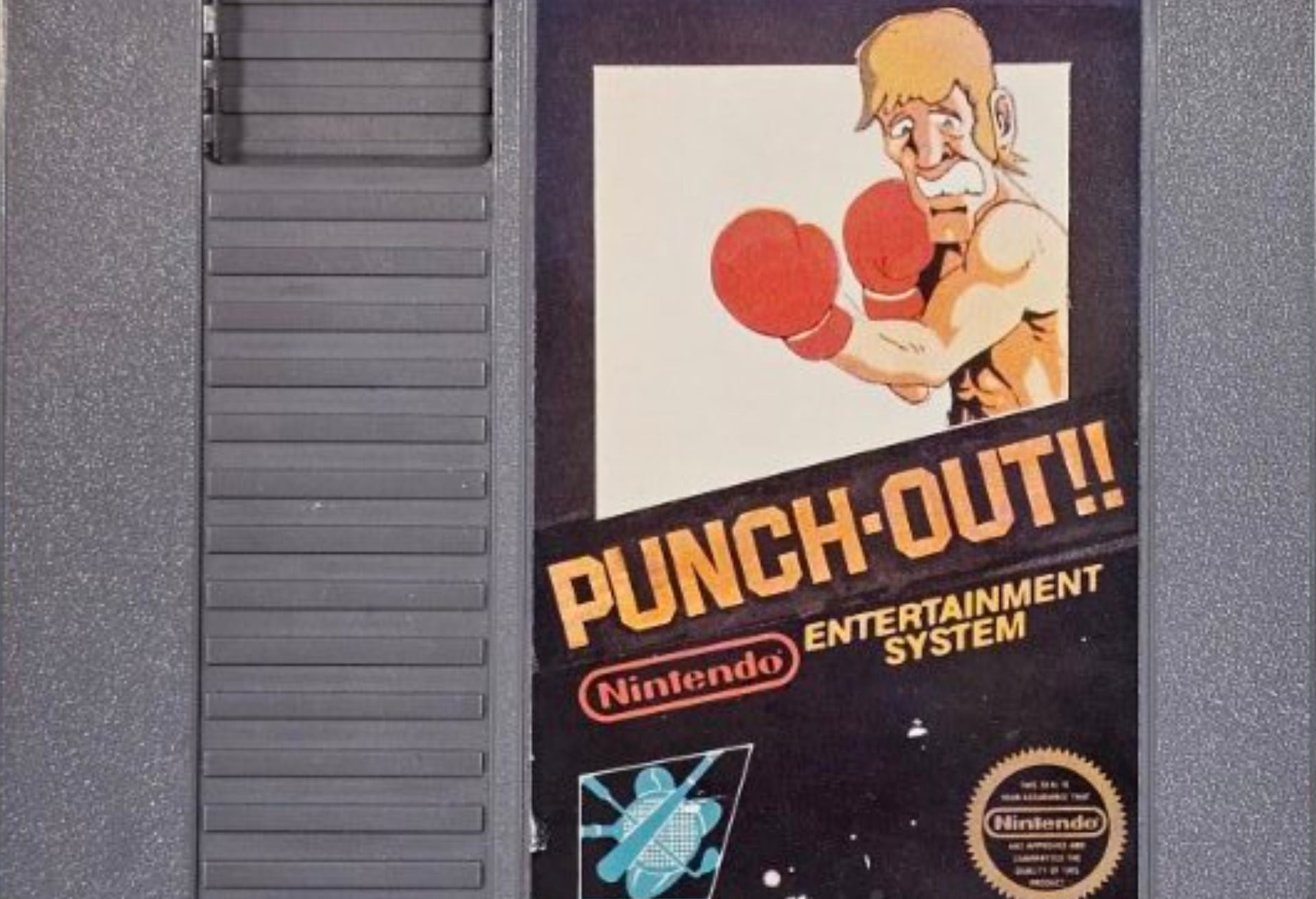
A Knockout Discovery: The Punch-Out!! Prototype That Hit the Web
In the exciting world of video game collecting and preservation, few events create as much buzz as the discovery and sharing of a rare game prototype. Recently, the retro gaming community was treated to a truly remarkable moment when a unique prototype of the beloved Nintendo Entertainment System (NES) classic, Punch-Out!!, surfaced. This wasn't just any old game cartridge; it was a piece of history that went up for auction and fetched an astounding $45,000. But what makes this story even more compelling is the incredibly generous act of its new owner: rather than keeping this precious artifact to themselves, they decided to upload its entire contents online for everyone to explore and enjoy.
This single act of sharing has opened a window into the development process of one of Nintendo's most iconic titles. It allows fans, historians, and budding game developers to peek behind the curtain and potentially uncover early ideas, unused graphics, different gameplay mechanics, or even hidden messages from the original creators. In a time where digital preservation is more crucial than ever, such an event is a significant victory for the ongoing effort to document and understand video game history. Let's dive deeper into why this Punch-Out!! prototype is such a big deal, the importance of game preservation, and what this generous upload means for the future of retro gaming.
What Exactly is a Game Prototype?
Before we fully appreciate the significance of this Punch-Out!! prototype, it's essential to understand what a game prototype actually is. In simple terms, a prototype is an early, unfinished version of a video game. Think of it as a rough draft or a working model that developers create during the game-making process. These prototypes serve many purposes throughout development:
- Testing Core Mechanics: Developers use prototypes to test if their fundamental gameplay ideas are fun and functional. Is the jumping right? Do the combat controls feel responsive?
- Experimenting with Ideas: They allow creators to try out different concepts, characters, levels, and features without committing to a full-scale production. Many ideas explored in a prototype never make it into the final game.
- Gathering Feedback: Prototypes are often used internally or with focus groups to gather feedback on what works and what doesn't, guiding further development.
- Pitching the Game: Sometimes, a prototype is built to showcase the game's potential to publishers or investors, helping secure funding or approval.
- Bug Hunting: Early versions inevitably have bugs, and prototypes help identify and fix these issues before the game is polished.
Because they are not meant for public release, prototypes are typically quite rare. They might be stored on special development cartridges, discs, or drives that are often discarded once development is complete. Finding one, especially for a game as popular and influential as Punch-Out!!, is like discovering a lost chapter in a cherished book. These versions often contain content that was cut, changed, or never fully implemented, offering unique insights into the creative journey of a game.
The Enduring Legacy of Punch-Out!!
To fully grasp why a Punch-Out!! prototype commanded such a high price and generated so much excitement, we must appreciate the game's place in video game history. The Punch-Out!! series, primarily known for its Nintendo iterations, has a rich and compelling history that spans decades and multiple platforms.
From Arcades to the NES
The origins of Punch-Out!! trace back to the arcade scene of the early 1980s. Nintendo released the original arcade game in 1983, featuring a unique dual-monitor setup and groundbreaking character scaling that made opponents appear larger than life. Its engaging boxing gameplay, where players must learn opponents' patterns and exploit weaknesses, was an instant hit. The arcade success paved the way for its most famous incarnation: Mike Tyson's Punch-Out!! (later simply Punch-Out!! due to licensing changes) on the Nintendo Entertainment System in 1987.
This NES version elevated the series to legendary status. Players took on the role of Little Mac, a scrawny but determined boxer, guided by his mentor Doc Louis, as he battled his way through a colorful cast of eccentric opponents, each with their own distinct personalities, fighting styles, and tells. From the flamboyant Glass Joe and the speedy Piston Honda to the intimidating Bald Bull and the enigmatic Mr. Sandman, every fight was a puzzle to solve, demanding quick reflexes, precise timing, and memorization.
Iconic Gameplay and Characters
The gameplay of Punch-Out!! is deceptively simple yet profoundly deep. Players dodge, block, and punch, looking for openings to unleash a powerful "star punch." The genius lies in its pattern recognition system. Each opponent telegraphs their moves, and learning these patterns is the key to victory. This created a highly addictive and rewarding gameplay loop that encouraged replayability and mastery. The game's vibrant graphics, catchy soundtrack, and charming character animations further cemented its appeal.
Little Mac, Doc Louis, and the entire roster of opponents became instantly recognizable figures in the Nintendo universe. The game's success led to sequels and spiritual successors on the Super NES (Super Punch-Out!!) and the Nintendo Wii, each building upon the beloved formula while introducing new elements. The series is celebrated for its tight controls, challenging difficulty, and unforgettable characters, making it a cornerstone of Nintendo's golden age and a perpetual fan favorite.
The Thrill of the Auction: Why $45,000?
The hefty price tag of $45,000 for a single game cartridge might seem baffling to some, but for collectors and preservationists, it underscores the intense value placed on rare video game artifacts. This isn't just about owning a game; it's about owning a tangible piece of history, a direct link to the creative process behind a cultural phenomenon.
Rarity and Historical Significance
Prototypes are inherently rare. Unlike mass-produced retail cartridges, only a handful of prototype units are ever made, and even fewer survive the passage of time. Many are destroyed, lost, or simply decay. The sheer scarcity drives their value. Furthermore, a prototype of Punch-Out!! holds immense historical significance. It represents a snapshot in time during the creation of a landmark title. Historians can study it to understand Nintendo's development practices, the evolution of game design, and the challenges faced by its creators.
The Booming Retro Gaming Market
The retro gaming market has exploded in recent years, with rare and historically significant games fetching astronomical prices. Factors like nostalgia, the investment potential of rare collectibles, and a growing appreciation for video games as an art form and cultural heritage have fueled this trend. High-grade sealed copies of classic games now regularly break records, but prototypes are in a league of their own due to their unique nature and developmental importance.
For a passionate collector, acquiring such an item isn't merely a purchase; it's an acquisition of a piece of gaming legend. The individual who won the Punch-Out!! prototype auction clearly recognized its profound value, not just in monetary terms, but in its ability to tell a story about game development.
The Generosity That Rocked the Retro World: Uploading the Contents
What truly sets this particular story apart from other high-profile game auctions is the extraordinary generosity of the winning bidder. Instead of safeguarding their $45,000 investment as a private treasure, they made the decision to digitize the entire contents of the Punch-Out!! prototype cartridge and release it to the public. This act is a monumental win for game preservation and the entire retro gaming community.
The Importance of Game Preservation
Video games are a relatively young medium, but their history is already fraught with challenges in terms of preservation. Older games often reside on decaying physical media, rely on obsolete hardware, and are increasingly difficult to access as technology progresses. Many early games, especially those from the arcade era or obscure console releases, have been lost to time. Game preservationists, often working independently or with non-profit organizations, strive to archive, document, and make these historical artifacts accessible.
Digitizing prototypes is a critical part of this effort. It ensures that the unique data, code, and content within these early versions are saved forever, regardless of the fate of the physical cartridge. Without such efforts, invaluable insights into game development, cut content, and the evolution of beloved franchises would simply vanish.
The Role of Communities Like The Cutting Room Floor
The contents of this *Punch-Out!!* prototype were uploaded online, likely to a dedicated platform for game preservation. One prominent example, hinted at by the image's alt text, is The Cutting Room Floor (TCRF). TCRF is a wiki dedicated to documenting unused and hidden content in video games. It's a collaborative effort by fans and experts who meticulously analyze game ROMs, prototypes, and beta builds to uncover secrets, debug menus, scrapped levels, and other fascinating remnants of the development process.
By sharing the prototype's contents, the winner of the auction has empowered a global community of enthusiasts to delve into the data. This collaborative approach means that countless eyes can examine the code and assets, increasing the likelihood of discovering every last secret hidden within the prototype. It transforms a singular private acquisition into a shared public resource, fostering education, research, and a deeper appreciation for game history.
Unlocking the Secrets: What Might Be Found in the Prototype?
The beauty of a prototype lies in its potential to reveal the "what ifs" of game development. When the community gets its hands on such a treasure, the hunt for hidden gems begins. For the Punch-Out!! prototype, enthusiasts will be looking for a wide array of fascinating differences and insights:
Early Character Designs and Animations
Could Little Mac have looked different? Were Doc Louis's iconic poses still being finalized? Prototypes often contain early iterations of character sprites and animations that were refined or completely overhauled before the final release. We might see alternative designs for opponents like Glass Joe or King Hippo, or even characters that were planned but ultimately cut from the roster.
Unused Levels, Stages, or Arenas
While Punch-Out!! is a fighting game, the visual backdrop of each fight is important. It's possible the prototype includes early designs for the boxing ring, audience, or even entirely different arenas that didn't make the cut. These could offer clues about the game's original scope or artistic direction.
Alternative Gameplay Mechanics and Features
Game mechanics often evolve significantly during development. The prototype might showcase different timing windows for dodges, alternative ways to earn star punches, or even entirely distinct special moves for Little Mac or his opponents. There could be different difficulty settings, scoring systems, or even modes of play that were experimented with and later abandoned. Imagine a version where Doc Louis jumps into the ring to give live advice during a match!
Unused Music, Sound Effects, and Dialogue
Audio assets are frequently iterated upon. The prototype could contain early versions of the iconic theme music, different sound effects for punches and dodges, or even voice clips for Doc Louis or the announcer that were ultimately replaced. Given the humorous nature of Punch-Out!!, there might be some amusing unused dialogue or character taunts.
Debug Menus and Developer Notes
One of the most exciting finds in a prototype is often a debug menu. These hidden menus allow developers to cheat, warp to different stages, test specific features, or view internal data. They can provide a direct glimpse into the tools and methods used by the original programmers. Sometimes, developers even leave hidden messages, comments in the code, or placeholder text that offers a personal touch.
Glitches, Bugs, and Unfinished Content
As an early build, the prototype is bound to have bugs and glitches that were fixed in the final version. Analyzing these can teach us about the challenges faced by the developers. We might also find unfinished graphical assets, incomplete code, or placeholder elements that reveal the game was still very much a work in progress. This raw, unpolished state is precisely what makes prototypes so valuable for historical research.
The Broader Impact: The Future of Retro Gaming and Preservation
The discovery and public release of the Punch-Out!! prototype is more than just a momentary triumph; it's a significant event that contributes to the ongoing evolution of retro gaming and game preservation efforts globally. It highlights several key aspects of this dynamic field.
Legitimizing Video Game History
Events like this reinforce the idea that video games are not just entertainment but a crucial part of cultural history, deserving of scholarly attention and meticulous preservation. Every prototype, every piece of cut content, adds another layer to our understanding of how this medium has developed and influenced generations. By making these artifacts accessible, we help legitimize video game history alongside that of film, literature, and art.
Inspiring Future Generations
For aspiring game developers, studying prototypes offers invaluable lessons. It demonstrates the iterative nature of creation, the challenges of design, and the often messy process of bringing a vision to life. Seeing what was changed or cut can inspire new ideas and teach practical lessons about development cycles and decision-making under pressure. It demystifies the game development process, making it more tangible and relatable.
Strengthening the Preservation Movement
The generosity of the Punch-Out!! prototype owner sets a powerful precedent. It encourages other collectors of rare game artifacts to consider the wider impact of sharing their discoveries. While the monetary value of such items is undeniable, the historical and educational value that comes from public access can be far greater. This kind of action helps to solidify the collaborative spirit within the game preservation community, proving that individual efforts can have a profound collective impact.
However, the challenges of game preservation remain significant. Physical media continues to degrade, older consoles become harder to repair, and companies often lack the resources or motivation to archive their own past works comprehensively. This makes the independent efforts of collectors and communities all the more vital. They are often the last line of defense against the loss of irreplaceable digital heritage.
Fueling Retro Gaming Enthusiasm
Such discoveries inject fresh energy into the retro gaming scene. They remind long-time fans why they fell in love with these classics in the first place, offering new perspectives on beloved titles. For newcomers, it provides a fascinating entry point into the rich history of video games, sparking curiosity about the origins and evolution of the medium. The continuous unearthing of new content ensures that the conversation around classic games remains vibrant and engaging.
A Legacy Preserved and Shared
The story of the Punch-Out!! prototype is a testament to the passionate community that surrounds video games. From the excitement of a high-stakes auction to the thoughtful decision to share a priceless piece of history, this event encapsulates the best aspects of retro gaming culture.
The $45,000 paid for the physical cartridge was an investment in a tangible artifact, but the subsequent upload of its contents online for all to see represents an immeasurable contribution to digital heritage. It's a knockout blow against obscurity, ensuring that the developmental journey of Little Mac and his iconic boxing saga will be explored and understood for generations to come. This act of generosity not only enriches our understanding of Punch-Out!! but also serves as a powerful reminder of the importance of game preservation and the incredible value of a community united by a shared love for video game history.
So, as enthusiasts pore over the newly available data, eager to unearth every hidden pixel and line of code, we celebrate this significant moment. It’s a moment that proves the past can illuminate the future, and that sometimes, the greatest treasures are those we choose to share with the world.
from Kotaku
-via DynaSage
