
Tim Cook Visits China, Attends Apple's 50th Anniversary Event and More
Tim Cook's Whirlwind Tour: Apple's Strategic Moves in China for its 50th Anniversary and Beyond
Apple CEO Tim Cook recently embarked on a significant visit to China, a nation pivotal to Apple's global strategy. His trip was marked by a blend of celebration, strategic discussions, and a reaffirmation of Apple's deep commitment to the region. This visit underscored China's multifaceted importance to the tech giant, encompassing everything from its vast consumer market and innovative developer community to its critical role in Apple's manufacturing and sustainability initiatives. From commemorating Apple's 50th anniversary with a special event in Chengdu to engaging in high-level dialogues in Beijing, Cook's schedule highlighted the intricate relationship Apple maintains with this economic powerhouse.
Celebrating Five Decades: Apple's Global 50th Anniversary Events
The centerpiece of Tim Cook's initial engagements in China was a joyous celebration marking Apple's 50th anniversary. This golden jubilee is not merely a number but a testament to half a century of groundbreaking innovation, design, and impact on global technology and culture. Apple, founded in 1976, has transformed from a garage startup into one of the world's most valuable and influential companies. Celebrating this milestone globally allows Apple to connect with its diverse customer base and acknowledge the contributions of its employees, partners, and developers worldwide.
A Grand Celebration in Chengdu
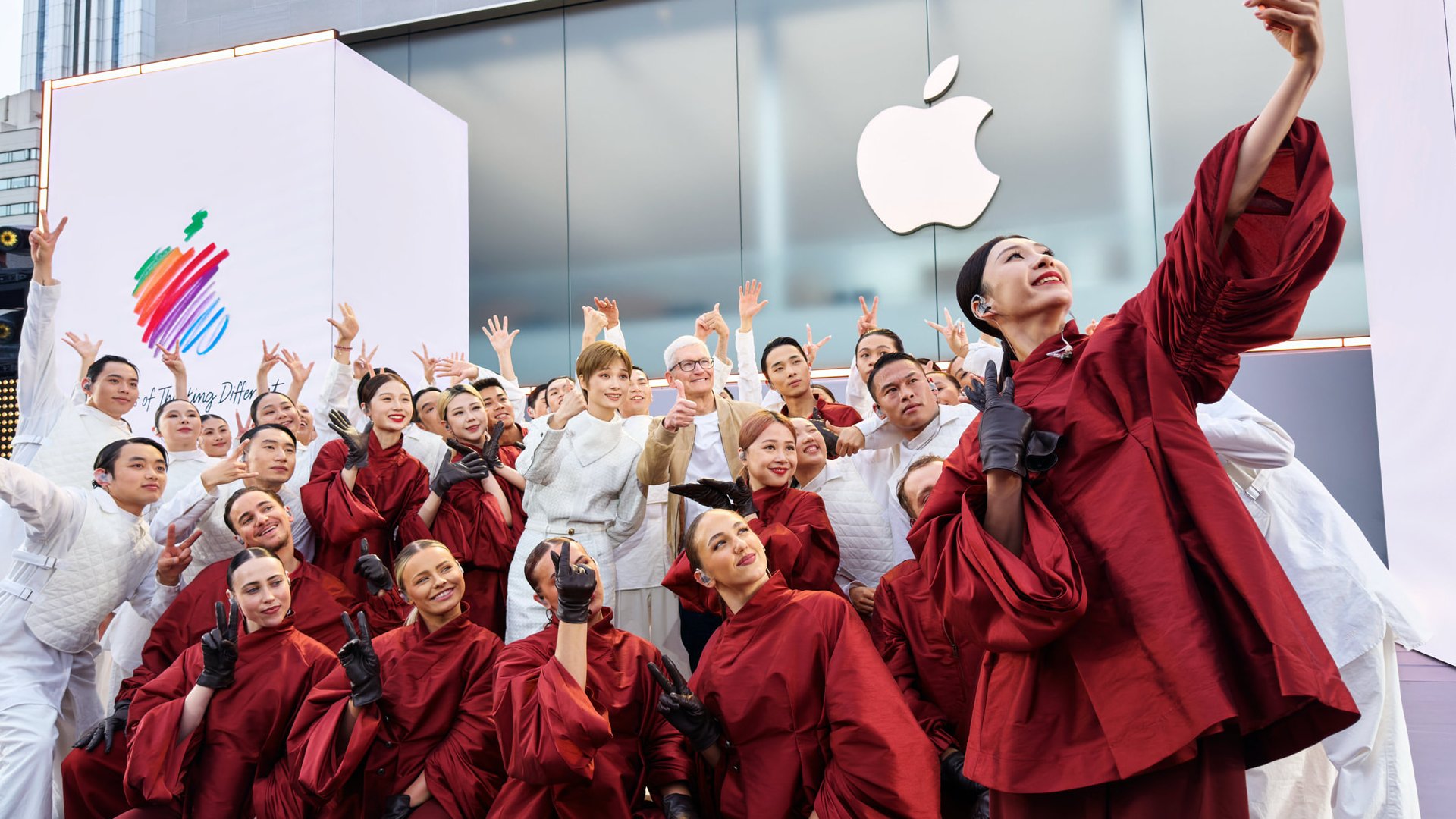
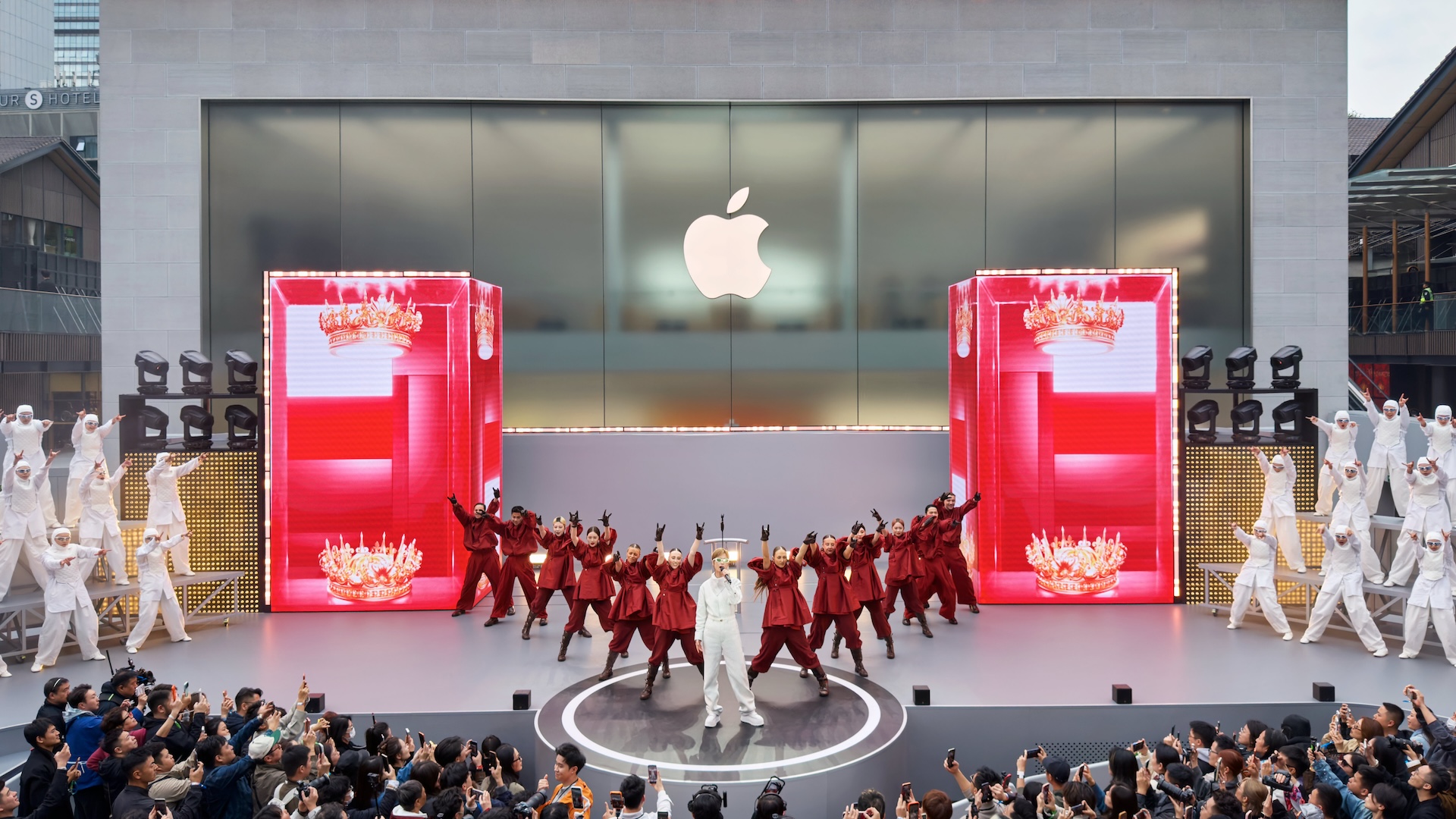
The Chinese leg of the 50th-anniversary festivities took place outside of its Taikoo Li retail store in Chengdu. Chengdu, a vibrant city in southwestern China, is a significant market for Apple, boasting a growing tech-savvy population and a dynamic cultural scene. The choice of the Taikoo Li store, known for its iconic architecture and bustling location, speaks to Apple's strategy of integrating its retail presence with local urban landmarks, creating community hubs rather than just transactional spaces. These retail stores are often much more than places to buy products; they are venues for learning, creativity, and connection, making them ideal backdrops for such a monumental celebration.
The event itself was designed to resonate deeply with the local audience, featuring a captivating performance by the renowned Chinese singer Li Yuchun. Li Yuchun, also known as Chris Lee, is a highly influential figure in Chinese music, celebrated for her unique style and broad appeal. Her presence at the anniversary event underscored Apple's understanding of and respect for local cultural tastes, demonstrating a commitment to engaging with the Chinese market on its own terms. Such collaborations are crucial for building brand loyalty and demonstrating genuine cultural appreciation in a market as diverse and discerning as China's.
The Power of Music: Connecting with Audiences
This event in Chengdu followed another high-profile 50th-anniversary celebration: a surprise Alicia Keys concert at Apple's Grand Central store in New York just a week prior. The parallel use of globally recognized music artists at key anniversary events highlights a consistent theme in Apple's marketing and celebratory strategies: the power of music to transcend boundaries and connect with diverse audiences. Music has always been central to Apple's identity, from the introduction of the iPod and iTunes to the Apple Music streaming service. These concerts serve not only as celebrations but also as powerful experiential marketing tools, reinforcing Apple's image as a brand that champions creativity and cultural expression.
Comparing the two events, while both featured musical performances, they were carefully tailored to their respective local contexts. Li Yuchun's performance in Chengdu targeted the specific cultural sensibilities of the Chinese audience, whereas Alicia Keys' concert in New York resonated with a broader Western pop culture landscape. This strategic localization, while maintaining a consistent global message of celebration and innovation, is a hallmark of Apple's approach to international markets. It shows that Apple understands that global success often depends on deep local relevance.
Why 50 Years Matters: A Legacy of Innovation
Celebrating 50 years provides an opportunity for Apple to reflect on its incredible journey. From the Apple I in 1976 to the Macintosh, iPod, iPhone, and Apple Watch, the company has consistently pushed the boundaries of technology and design. This milestone is a moment to not only look back at past achievements but also to reinforce the company's vision for the future, emphasizing its ongoing commitment to innovation, user experience, and addressing global challenges. For Tim Cook, these events are also critical for internal morale, rallying employees and partners around a shared history and future vision. His personal presence at these global events signifies the importance Apple places on its international relationships and its human connection with markets around the world.
Navigating the Dragon: Tim Cook's Strategic Engagements in Beijing
Beyond the celebrations in Chengdu, Tim Cook's visit included a packed schedule of high-level meetings and forums in Beijing, underscoring the deep and often complex strategic importance of China to Apple. His agenda was carefully crafted to engage with key stakeholders across various sectors, from government and industry to the vibrant local developer community. These engagements are vital for maintaining Apple's strong presence in the Chinese market, navigating its unique regulatory landscape, and fostering future growth.
The China Development Forum: A Platform for Dialogue
According to the China Daily, Cook was scheduled to attend the China Development Forum in Beijing this weekend. The China Development Forum (CDF) is a prestigious annual event hosted by the Development Research Center of the State Council, China's cabinet. It serves as a crucial platform for high-level dialogue between the Chinese government, international business leaders, and academics, focusing on global economic trends and China's development policies. For a CEO like Tim Cook, attending the CDF offers an invaluable opportunity to engage directly with senior Chinese policymakers, gain insights into the country's economic direction, and articulate Apple's contributions and future plans within China. It's a key venue for fostering understanding, addressing potential concerns, and solidifying Apple's position as a committed long-term partner in China's economic landscape.
Fostering Local Innovation: Meetings with App Developers
A significant part of Cook's agenda involved meetings with Chinese app developers. China boasts one of the world's most dynamic and innovative app ecosystems, characterized by unique social media platforms, e-commerce giants, and gaming companies that often set global trends. For Apple, nurturing this local developer community is paramount. The App Store, a cornerstone of Apple's services revenue, thrives on a constant influx of high-quality, engaging applications. By meeting with developers, Cook gains firsthand feedback, understands local market demands, and reinforces Apple's commitment to providing the tools and platforms necessary for their success. These interactions can influence future Apple hardware and software features, ensuring they meet the specific needs and preferences of Chinese users and developers. It also helps Apple showcase its dedication to fostering local talent and innovation, countering narratives that sometimes portray large foreign tech companies as disconnected from local ecosystems.
Building Bridges: Engaging with Government and Partners
Further solidifying Apple's presence, Cook also met with Chinese government officials and some of Apple's various partners in the country. Relationships with government officials are crucial for any foreign company operating in China, particularly in a sector as sensitive as technology. These meetings likely cover a range of topics, including market access, data security regulations, intellectual property protection, and local investment initiatives. A constructive dialogue helps Apple navigate China's complex regulatory environment and ensure compliance while continuing to operate effectively.
Apple's partners in China are diverse, ranging from its vast network of suppliers and manufacturers (like Foxconn, which assembles a significant portion of its products) to telecommunication carriers, retail partners, and local service providers. Meetings with these partners are essential for strengthening supply chain resilience, ensuring operational efficiency, and exploring new avenues for collaboration and market expansion. China is not just a market for Apple; it's an indispensable part of its global manufacturing ecosystem, making these partner relationships foundational to its global operations.
Tim Cook's Vision: "China is so important for us."
During his visit, Cook succinctly articulated Apple's perspective: "China is so important for us." This statement encapsulates the profound strategic value China holds for Apple. Its importance stems from several key factors:
- Massive Consumer Market: China is Apple's third-largest market by revenue, with a vast and growing middle class eager for premium tech products. The sheer scale of its population offers unparalleled sales opportunities.
- Manufacturing Hub: For decades, China has been the backbone of Apple's global supply chain, leveraging its advanced manufacturing infrastructure, skilled workforce, and efficient logistics. While diversification is underway, China remains critical for production.
- Innovation and Talent: Chinese developers and engineers are at the forefront of many technological advancements, particularly in areas like mobile internet, AI, and e-commerce. Apple benefits from this talent pool and the innovation that emerges from it.
- R&D and Design: Apple has invested in R&D centers in China, aiming to tap into local expertise and tailor products and services specifically for the Chinese market.
Cook's statement is not just a diplomatic courtesy; it reflects a deep-seated business reality. Despite geopolitical tensions and increasing domestic competition, Apple's strategy involves continuing to invest in and engage with China, recognizing its irreplaceable role in the company's past, present, and future success. This long-term commitment requires continuous dialogue, adaptation, and a nuanced understanding of the local economic and political landscape.
A Greener Future: Apple's Commitment to Sustainability in China
Beyond business strategy and market engagements, Tim Cook's visit also highlighted Apple's significant strides in environmental sustainability, particularly within its extensive supply chain in China. Apple has positioned itself as a leader in corporate environmental responsibility, setting ambitious goals for carbon neutrality, resource conservation, and the use of renewable energy. These efforts are not only crucial for the planet but also enhance Apple's brand reputation and resonate with environmentally conscious consumers and regulators globally.
Ahead of World Water Day: A Record-Breaking Achievement
In the lead-up to World Water Day on March 22, Apple made a significant announcement: its suppliers in China saved a record 55 billion liters of fresh water last year. To put this into perspective, 55 billion liters is an enormous volume, equivalent to providing drinking water for millions of people for an extended period. This achievement underscores the scale of Apple's supply chain operations in China and the impact that focused sustainability initiatives can have. In a country where water scarcity is a pressing issue in many industrial regions, such efforts are particularly vital and demonstrate responsible corporate citizenship.
The Supplier Clean Water Program: A Deep Dive
This remarkable water saving was achieved through Apple's Supplier Clean Water Program. This program is part of Apple's broader environmental initiatives, which mandate strict environmental standards for its global suppliers. The Clean Water Program specifically focuses on improving water efficiency, increasing water recycling, and ensuring responsible wastewater discharge across Apple's manufacturing partners. It involves comprehensive assessments of water usage, identification of areas for improvement, and the implementation of advanced water management technologies and practices. Apple provides its suppliers with expertise, training, and sometimes even financial incentives to adopt these sustainable practices, transforming not just Apple's own footprint but elevating environmental standards across the industry.
The success of this program is a testament to Apple's ability to leverage its significant influence over its supply chain. By working collaboratively with its partners, Apple can drive systemic change, proving that large-scale manufacturing can become more sustainable. This approach moves beyond simply "greening" Apple's own operations to driving environmental improvements throughout its entire value chain, a crucial step for any global company with complex manufacturing demands.
Innovation for Impact: The MacBook Neo's Water Recycling
As a specific example of innovative water-saving measures, Apple touted a new aluminum anodization process for the MacBook Neo that "continuously recycles and recirculates water." Anodization is a critical process in manufacturing many Apple products, particularly for creating durable and aesthetically pleasing finishes on aluminum enclosures like those found in MacBooks. This process traditionally requires significant amounts of water. By developing and implementing a system that continuously recycles and recirculates water, Apple significantly reduces fresh water intake and wastewater discharge. This technological advancement showcases Apple's commitment to integrating sustainability directly into its product design and manufacturing processes, rather than treating it as an afterthought. The MacBook Neo, likely an upcoming or recently launched product, serves as a tangible example of how design innovation can go hand-in-hand with environmental stewardship.
Apple's Broader Environmental Vision
This water-saving achievement is part of Apple's broader, ambitious environmental goals. The company aims to be carbon neutral across its entire supply chain and product lifecycle by 2030. This includes transitioning its manufacturing partners to 100% renewable energy, designing products with recycled and renewable materials, and eliminating waste. These commitments are not just good for the environment; they also bolster Apple's reputation among socially conscious consumers and investors. In China, where environmental protection is an increasingly important government priority, demonstrating leadership in sustainability can also strengthen Apple's standing with regulators and the general public, contributing to long-term market acceptance and success.
Evolving the App Store: Addressing Developer Needs and Regulatory Landscape
A critical development coinciding with Tim Cook's visit was a significant change to Apple's App Store policies specifically for the Chinese market. The App Store, while a massive revenue generator for Apple and a vast marketplace for developers, has faced increasing scrutiny globally over its commission rates and rules. The recent adjustment in China highlights Apple's responsiveness to local regulatory discussions and its ongoing efforts to balance platform control with developer relations.
A Significant Commission Reduction in China
As of March 15, Apple lowered its standard App Store commission rate for iPhone and iPad apps and in-app purchases from 30% to 25% in mainland China. This is a notable departure from the long-standing 30% commission, often referred to as the "Apple tax," which has been a global standard for most developers, particularly for larger companies. For smaller developers, Apple previously introduced a 15% commission rate for those earning less than $1 million annually. This specific reduction to 25% for a broader range of developers in China signals a unique concession tailored to the Chinese market.
The change followed "discussions with the Chinese regulator," indicating that the decision was likely influenced by ongoing dialogues with government bodies overseeing digital markets. Chinese regulators have been increasingly active in overseeing the tech sector, implementing new rules around data security, anti-monopoly practices, and platform governance. This reduction can be seen as a proactive measure by Apple to address regulatory concerns, potentially pre-empting more stringent interventions, and demonstrating a willingness to adapt its business model to local conditions.
Understanding the Global App Store Debate
The debate around App Store commissions is not unique to China. Globally, Apple and Google (with its Play Store) have faced intense criticism from developers, lawmakers, and antitrust authorities. Critics argue that the 30% commission is excessive, stifles innovation, and creates an unfair playing field. Key points of contention include:
- High Fees: Developers argue that the 30% cut significantly eats into their revenue, making it difficult to operate profitably, especially for apps with subscription models or low-price points.
- Lack of Choice: Developers are often forced to use Apple's in-app payment system, which is subject to the commission, and cannot offer alternative payment methods that might bypass Apple's fees.
- Gatekeeper Power: Apple's control over the App Store is seen by some as monopolistic, as it dictates terms for accessing a vast and essential market for mobile applications.
Apple counters these arguments by stating that the commission funds the extensive security, development tools, marketing, and global infrastructure that make the App Store a safe and robust platform for both users and developers. They emphasize the value they provide in creating a trusted environment.
Regulatory Pressure and "Monopolistic" Concerns
Despite the commission reduction, the pressure on Apple in China appears to be ongoing. Bloomberg reported that China is urging Apple to further ease App Store restrictions and address "monopolistic" practices. This suggests that the 25% commission rate, while a step, may not fully satisfy regulators. The "monopolistic" practices typically refer to issues like Apple's insistence on using its own payment systems, restrictions on developers communicating alternative purchasing options to users outside their apps, and the inability to sideload apps from outside the App Store (which is common on Android). China's stance aligns with a global trend where governments in Europe, the US, and South Korea are all scrutinizing the market power of big tech platforms.
For Apple, navigating these demands is a delicate balancing act. While it needs to maintain profitability from its services division, which the App Store heavily contributes to, it also needs to comply with local laws and maintain good relations with powerful governments. A failure to adequately address regulatory concerns could lead to fines, forced changes, or even restrictions on its market access, all of which could severely impact its business in China. The unique political and economic dynamics in China mean that Apple often has to make specific concessions that might not apply to other markets.
The Impact on Chinese Developers and the Ecosystem
The reduction in commission rates, even if further changes are requested, is generally good news for Chinese developers. A 5% reduction can significantly boost their margins, allowing them to reinvest in their businesses, innovate more, or simply become more profitable. This move could stimulate further growth in China's already thriving app ecosystem, encouraging more local developers to build for iOS platforms. It could also help Apple maintain a competitive edge against local Android app stores, which sometimes offer different commission structures or more flexibility. Ultimately, a healthier developer community leads to a richer and more diverse App Store experience for users, reinforcing Apple's platform strength in China.
Empowering Developers: Localized Resources and Global Reach
Apple's commitment to its developer community in China extends beyond policy adjustments. The company is actively working to provide more localized resources and engage with local tech talent through culturally relevant platforms, further solidifying its ecosystem's foundation. This focus on developer empowerment is crucial for ensuring the continued flow of innovative applications that keep the Apple ecosystem vibrant and appealing to users.
Tapping into Bilibili: Connecting with China's Tech Talent
In a move to better reach and support its developer community, Apple is now sharing developer coding videos on the Chinese video sharing platform Bilibili. Bilibili is a hugely popular platform in China, particularly among younger generations and tech enthusiasts. Known for its ACG (anime, comics, games) content, as well as educational videos, tech reviews, and programming tutorials, Bilibili provides an ideal channel for Apple to engage with aspiring and established developers in a format they are familiar and comfortable with.
By localizing its developer content and distributing it through platforms like Bilibili, Apple demonstrates a keen understanding of the Chinese digital landscape. This strategy helps overcome language barriers, cultural differences, and makes valuable technical resources more accessible. It positions Apple not just as a global tech giant, but as a company that actively invests in and supports the local developer ecosystem, fostering a sense of community and collaboration.
Preparing for WWDC 2026: A Glimpse into the Future
The timing of these video releases on Bilibili is significant, occurring ahead of WWDC 2026 in June. The Worldwide Developers Conference (WWDC) is Apple's annual event where it unveils its latest software innovations, new operating system versions (iOS, iPadOS, macOS, watchOS, tvOS), and powerful development tools. For developers, WWDC is an essential event for understanding the future direction of Apple's platforms and how they can leverage new features to create compelling apps.
By providing coding videos and resources in advance and through a local platform, Apple is effectively preparing its Chinese developer community for the upcoming announcements at WWDC. This proactive approach ensures that Chinese developers are equipped with the knowledge and skills needed to adopt new technologies quickly, leading to faster integration of new Apple features into local apps and services. It also demonstrates Apple's global commitment to developer enablement, ensuring that innovation flourishes in all its key markets.
The Importance of Localized Developer Support
Localized developer support is more than just translating content; it involves understanding local development trends, preferred communication channels, and unique market needs. In China, where the mobile app landscape is highly competitive and rapidly evolving, having direct and relevant resources is crucial. Apple's efforts on Bilibili, coupled with its meetings with local developers, are integral to building a robust and loyal developer base. This, in turn, helps Apple maintain its ecosystem's vitality and ensures that Chinese users have access to a rich array of localized applications that cater to their specific tastes and requirements, further cementing Apple's appeal in the market.
Conclusion: A Busy and Strategic Week for Apple in China
Tim Cook's recent visit to China was undeniably a busy and highly strategic one, encompassing a wide array of activities that collectively underscore Apple's deep and evolving engagement with the country. From joyous 50th-anniversary celebrations in Chengdu that blended global branding with local culture, to high-stakes diplomatic and business discussions in Beijing, every aspect of the trip highlighted China's indispensable role in Apple's global ecosystem.
The visit served as a powerful reaffirmation of Apple's commitment to the Chinese market – not just as a consumer base, but as a critical hub for manufacturing, innovation, and talent. The significant environmental achievements, with suppliers saving billions of liters of water, showcased Apple's leadership in sustainability and its ability to drive positive change throughout its extensive supply chain. Meanwhile, the strategic adjustment of App Store commissions, though driven by regulatory discussions, signaled Apple's flexibility and willingness to adapt its business practices to local conditions, aiming to foster a healthier developer ecosystem in China.
Furthermore, Apple's outreach to Chinese developers through platforms like Bilibili demonstrates a forward-thinking approach to empowering local talent and ensuring that the Apple ecosystem continues to thrive with culturally relevant and innovative applications. All these threads weave together to paint a picture of a company meticulously navigating a complex yet incredibly important market. As Tim Cook himself stated, "China is so important for us," and his recent visit provided tangible evidence of why this statement remains profoundly true for Apple's past, present, and future trajectory.
This article, "Tim Cook Visits China, Attends Apple's 50th Anniversary Event and More" first appeared on MacRumors.com
Discuss this article in our forums
from MacRumors
-via DynaSage
