
iPhone Fold to Feature iPad-Style Multitasking and Layouts
Apple's Foldable iPhone: A Glimpse into the Future of Mobile Computing
The tech world is buzzing with anticipation as details emerge about Apple's highly anticipated foldable iPhone. Slated for a September debut, this groundbreaking device promises to redefine what a smartphone can be, blending the familiar features of an iPhone with the expansive capabilities of an iPad. Reports from industry insiders, notably Bloomberg, suggest a revolutionary approach that aims to deliver unparalleled versatility and a truly hybrid user experience. This isn't just another incremental upgrade; it's Apple's bold entry into the foldable market, designed to offer a unique blend of portability and productivity.
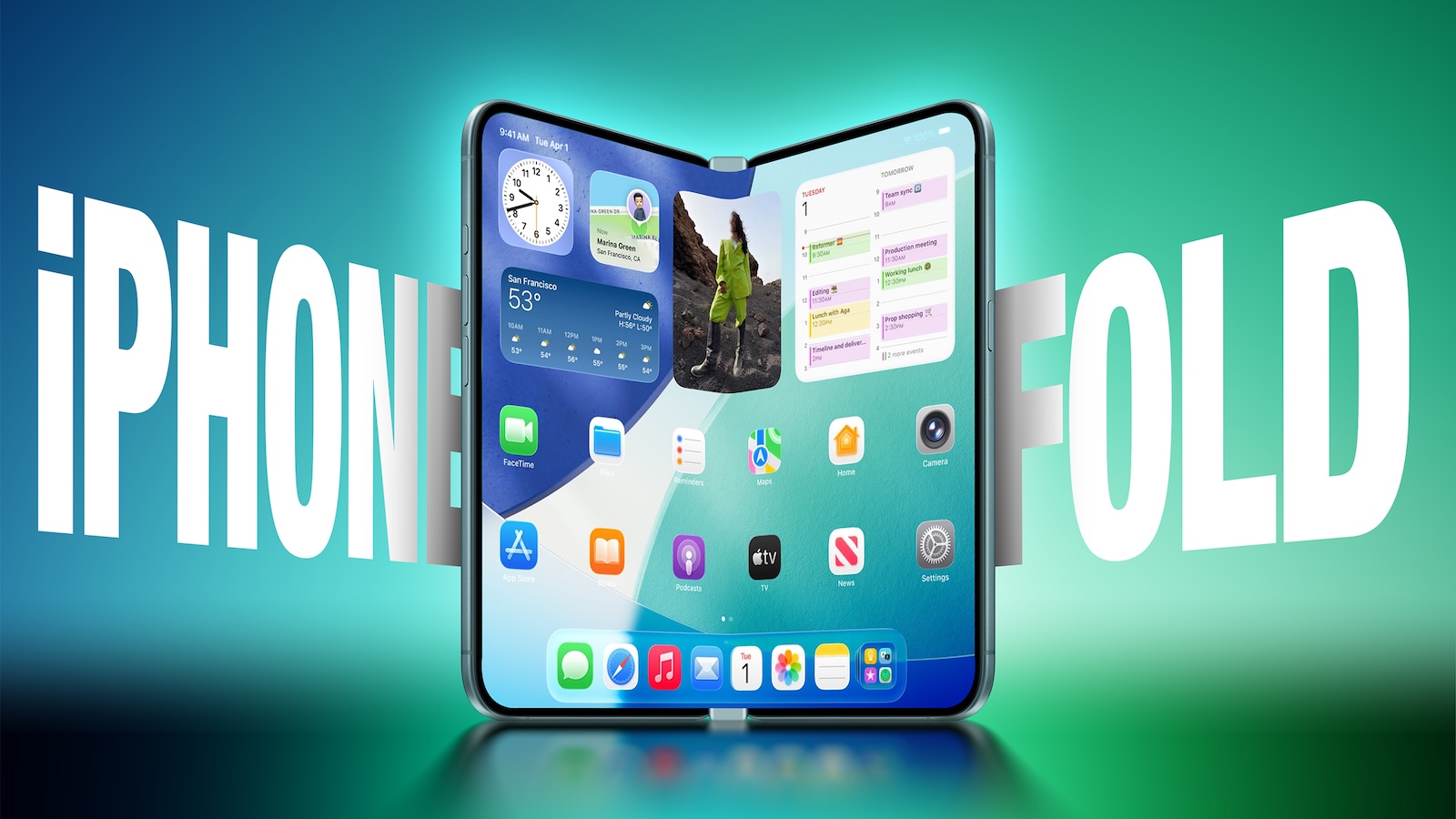
Unveiling the Interface: iPad-Style Multitasking
One of the most exciting revelations about the upcoming foldable iPhone is its innovative user interface when unfolded. Apple is reportedly crafting an iPad-like layout that fundamentally changes how users interact with their device. For the first time on an iPhone, users will be able to enjoy true side-by-side multitasking, running two applications simultaneously on the expansive display. This represents a significant leap forward in mobile productivity, moving beyond the limited picture-in-picture modes seen on previous iPhone models.
Imagine effortlessly drafting an email while referencing a document, or watching a video tutorial alongside taking notes. This capability, long a staple of tablets, is now coming to Apple's primary mobile device, promising to transform workflows and enhance user efficiency. The ability to view and interact with two distinct apps at once means less switching between applications, leading to a smoother, more continuous digital experience. It's an acknowledgment of the evolving demands of modern users who increasingly rely on their devices for complex tasks traditionally reserved for laptops or tablets.
To ensure a seamless transition and robust app ecosystem, Apple plans to provide developers with comprehensive tools. These resources will enable them to adapt their existing iPhone and even some iPad applications to fully utilize the new interface. Many apps, when running in the unfolded mode, will feature intuitive sidebars on the left of the display, offering quick navigation and access to core features. This thoughtful design approach aims to make the larger screen not just bigger, but genuinely more functional and user-friendly, ensuring that popular applications feel right at home on the foldable device from day one.
The introduction of these developer tools is a critical step. It signifies Apple's commitment to building a strong foundation for its foldable platform, ensuring that users have access to a rich variety of optimized applications that take full advantage of the device's unique capabilities. Without proper developer support, even the most innovative hardware can fall short. By empowering developers early, Apple is setting the stage for a vibrant and productive app experience on the iPhone Fold.
A Hybrid by Design: iPhone and iPad Mini in One
The very essence of the iPhone Fold lies in its hybrid nature. When closed, it is engineered to resemble a traditional, slab-style iPhone, maintaining the familiar form factor that millions of users worldwide are accustomed to. This ensures that the device remains pocketable and easy to handle for everyday tasks like making calls, quick messaging, or browsing on the go. The outer display will function like a standard iPhone screen, displaying apps and notifications with the expected responsiveness and clarity.
However, the magic truly unfolds when the device is opened. In its expanded state, the iPhone Fold will transform into a device closer in size to an iPad mini. This larger canvas is where the productivity features shine, offering ample space for the aforementioned side-by-side multitasking, immersive media consumption, and more detailed interactions. Apple has opted for a wider design compared to many of its competitors in the foldable market, a deliberate choice that is expected to result in a 4:3 aspect ratio for the main inner display.
This wider aspect ratio is a key differentiator. While many foldables lean towards taller, more elongated displays, Apple's choice of 4:3 is reminiscent of classic iPad aspect ratios. This decision has significant implications for usability:
- Enhanced Multitasking: A wider display provides more practical screen real estate for two apps running side-by-side, making them genuinely usable rather than cramped.
- Superior Media Consumption: Videos and movies, especially those shot in cinematic aspect ratios, will benefit from less letterboxing, offering a more immersive viewing experience.
- Improved Web Browsing and Reading: Websites and digital documents will appear more naturally, reducing the need for excessive scrolling and providing a more comfortable reading environment.
- Creative Applications: For tasks like drawing, photo editing, or even sheet music display, a wider, more square canvas offers a superior user experience, echoing the utility of a small tablet.
Cameras and Security: A Blend of Innovation and Practicality
The iPhone Fold will introduce a thoughtful approach to its camera systems and biometric authentication, adapting to the unique challenges and opportunities presented by its foldable design. On the outer display, which functions when the device is closed, users will find a hole-punch front-facing camera. This camera is primarily designed for selfies and video calls when the device is in its compact phone mode. However, in a notable departure from recent flagship iPhones, this outer camera will not support Face ID.
Instead, Apple is integrating a fingerprint sensor directly into the power button. This method of authentication offers a reliable and convenient alternative, especially considering the potential complexities of incorporating Face ID's TrueDepth camera system into a foldable design, which demands meticulous engineering to manage space and hinge mechanisms. The power button fingerprint sensor is a familiar and well-regarded feature on other Apple devices, such as the iPad Air and iPad mini, providing a secure and quick way to unlock the device and authorize payments.
Despite the absence of the TrueDepth system for Face ID, the outer display's camera area will still cleverly support Dynamic Island features. This means users will continue to enjoy the interactive and dynamic notifications, Live Activities, and system alerts that seamlessly integrate around the camera cutout, maintaining a sense of continuity with the current iPhone experience. This intelligent adaptation ensures that a popular and functional software feature isn't lost due to hardware constraints.
Inside the device, Apple conducted extensive testing for an under-display camera for the main, foldable screen. While such technology offers a truly bezel-less and immersive experience, the prototypes produced images of inferior quality compared to the standard hole-punch solution. Committed to photographic excellence, Apple ultimately opted for a visible camera on the main display to ensure superior image capture, a testament to their unwavering focus on user experience over purely aesthetic considerations when quality is compromised. This decision highlights the ongoing technological hurdles in perfecting under-display camera technology to Apple's demanding standards.
Regarding the rear camera setup, the iPhone Fold is expected to feature a dual-camera system. Unlike some pro-level iPhones with triple-lens arrays, the foldable design presents unique space constraints within the device's chassis. Apple will undoubtedly optimize this dual-camera system to deliver exceptional photographic capabilities, leveraging advanced computational photography to ensure that despite having fewer lenses, the quality of photos and videos remains top-tier. Expect features like enhanced low-light performance, sophisticated portrait modes, and robust video stabilization, all fine-tuned for the unique demands of a foldable form factor.
Software Foundation: iOS Tailored for Foldables
A crucial detail distinguishing the iPhone Fold from its tablet counterparts is its operating system. While the device may offer iPad-like features when unfolded, it will run iOS, not iPadOS. This distinction is paramount and signals Apple's intention to keep the foldable iPhone firmly rooted within its smartphone ecosystem, albeit with a highly customized and expanded user experience. This means that users should not expect the full range of multitasking features available on a dedicated iPad, nor will the device natively run existing iPadOS applications.
The choice to stick with iOS is strategic. It ensures a consistent and familiar user experience for iPhone users, reducing the learning curve for a new form factor. Apple will undoubtedly tailor iOS to leverage the foldable display's unique capabilities, introducing new gestures, optimized app layouts, and perhaps a specialized multitasking interface that is distinct from iPadOS but still highly functional. This approach allows Apple to maintain tight control over the software experience, ensuring stability, security, and performance across both the folded and unfolded states.
The implications of running iOS are significant:
- App Ecosystem: The device will primarily rely on the vast iPhone app ecosystem, with developers adapting their existing apps to the larger display and multitasking capabilities rather than rebuilding for a new platform.
- User Familiarity: The core navigation, settings, and user interactions will remain consistent with what iPhone users already know, making the transition seamless.
- Focused Productivity: While powerful, the multitasking features will likely be curated to fit the "enhanced smartphone" narrative, rather than aiming for a full desktop-like tablet experience.
- Performance Optimization: By focusing on iOS, Apple can finely tune the operating system for the specific hardware of the foldable iPhone, ensuring optimal performance and battery life across both screen configurations.
Pricing and Market Positioning: A Premium Device
As expected for a device representing the pinnacle of Apple's mobile innovation, the iPhone Fold will command a premium price tag. Current estimations place the device somewhere around $2,000, making it the most expensive iPhone in the 2026 lineup. This pricing strategy aligns with the broader market trend for foldable smartphones, which typically sit at the higher end of the consumer electronics spectrum due to their advanced engineering, cutting-edge display technology, and complex manufacturing processes.
The $2,000 price point positions the iPhone Fold as a luxury item and a statement device, targeting early adopters, tech enthusiasts, and professionals who prioritize versatility, cutting-edge features, and the integrated Apple ecosystem. It reflects the investment in research and development, the sophisticated materials required for a durable hinge and flexible display, and the overall premium experience Apple aims to deliver. This is not just a phone; it's a mobile workstation, an entertainment hub, and a fashion statement all rolled into one.
This premium pricing also indicates Apple's strategic approach to entering the foldable market. Rather than aiming for mass-market adoption immediately, Apple appears to be focusing on establishing a high-end benchmark, showcasing what's possible with their interpretation of the foldable concept. As with many new technologies, prices may eventually come down over subsequent generations as manufacturing processes become more efficient and component costs decrease. However, for its debut, the iPhone Fold is set to be a flagship device that truly pushes the boundaries of cost and capability.
The introduction of a $2,000 iPhone also broadens Apple's product portfolio, allowing them to cater to an even wider range of customer needs and budgets, from the more affordable standard iPhones to the ultra-premium foldable. This tiered approach strengthens Apple's market position, ensuring they have a compelling offering at virtually every price point in the premium segment, reinforcing their leadership in mobile innovation.
Anticipation and Impact: Reshaping the Mobile Landscape
The impending launch of the iPhone Fold is more than just another product release; it's a pivotal moment that could significantly reshape the mobile computing landscape. Apple's entry into the foldable market, after years of speculation and careful development, lends immense credibility and mainstream appeal to the entire foldable category. While other manufacturers have pioneered foldable devices, Apple's design philosophy, software integration, and sheer market influence are poised to elevate the technology to new heights.
The impact will be multifaceted:
- Market Validation: Apple's endorsement of foldables could accelerate their adoption, prompting more consumers to consider these innovative form factors.
- Competitive Pressure: It will undoubtedly spur greater innovation from competitors, pushing the entire industry forward in terms of display durability, hinge mechanisms, software optimization, and overall user experience.
- Developer Focus: The introduction of a foldable iPhone with its unique UI paradigms will incentivize developers to create more sophisticated and adaptable applications, not just for Apple's device but potentially for the broader foldable ecosystem.
- Future of Computing: The iPhone Fold blurs the lines between phones and tablets, offering a glimpse into a future where personal computing devices are more fluid, adaptable, and capable of seamlessly transitioning between different use cases.
Conclusion: A New Era Dawns for iPhone
The upcoming foldable iPhone is shaping up to be one of Apple's most ambitious and transformative products in recent memory. By meticulously blending the familiarity of an iPhone with the expansive productivity of an iPad, Apple is poised to deliver a device that offers unprecedented versatility. From its innovative iPad-style multitasking when unfolded, to its thoughtful approach to cameras and security, and its strategic placement within the iOS ecosystem, every aspect of the iPhone Fold speaks to a meticulous design philosophy aimed at enhancing user experience.
While its premium price point of around $2,000 will place it in an exclusive category, the iPhone Fold promises to deliver a cutting-edge mobile experience that justifies its cost through innovation, design, and functionality. As we look towards its September debut, the anticipation continues to build for a device that is not just a foldable phone, but a potential game-changer that could redefine our expectations for mobile technology for years to come.
Stay tuned for more details as Apple prepares to unveil this exciting new chapter in the iPhone's storied history.
This article, "iPhone Fold to Feature iPad-Style Multitasking and Layouts" first appeared on MacRumors.com
Discuss this article in our forums
from MacRumors
-via DynaSage
