
Apple Testing 200MP Telephoto iPhone Lens That Could Ship Next Year
A Glimpse into Tomorrow: Could Your Next iPhone Boast a 200-Megapixel Telephoto Camera?
Imagine holding your iPhone, pointing it at a distant subject, and capturing an image with such incredible detail that you can zoom in, crop, and print it poster-sized without losing a single ounce of clarity. This might sound like a dream for smartphone photographers, but it could soon become a reality. Rumors are swirling that Apple is actively exploring a groundbreaking 200-megapixel (MP) telephoto camera sensor, a move that could redefine mobile photography as we know it, potentially arriving in an iPhone as early as next year.
The exciting news comes from Digital Chat Station, a well-known leaker on the Chinese social media platform Weibo. This source has a solid history of accurately predicting upcoming features in the tech world, lending significant weight to this latest revelation. Their insights often provide an early peek into the cutting-edge innovations being developed behind closed doors at major tech companies, and their latest report has certainly captured the attention of iPhone enthusiasts and tech pundits alike.
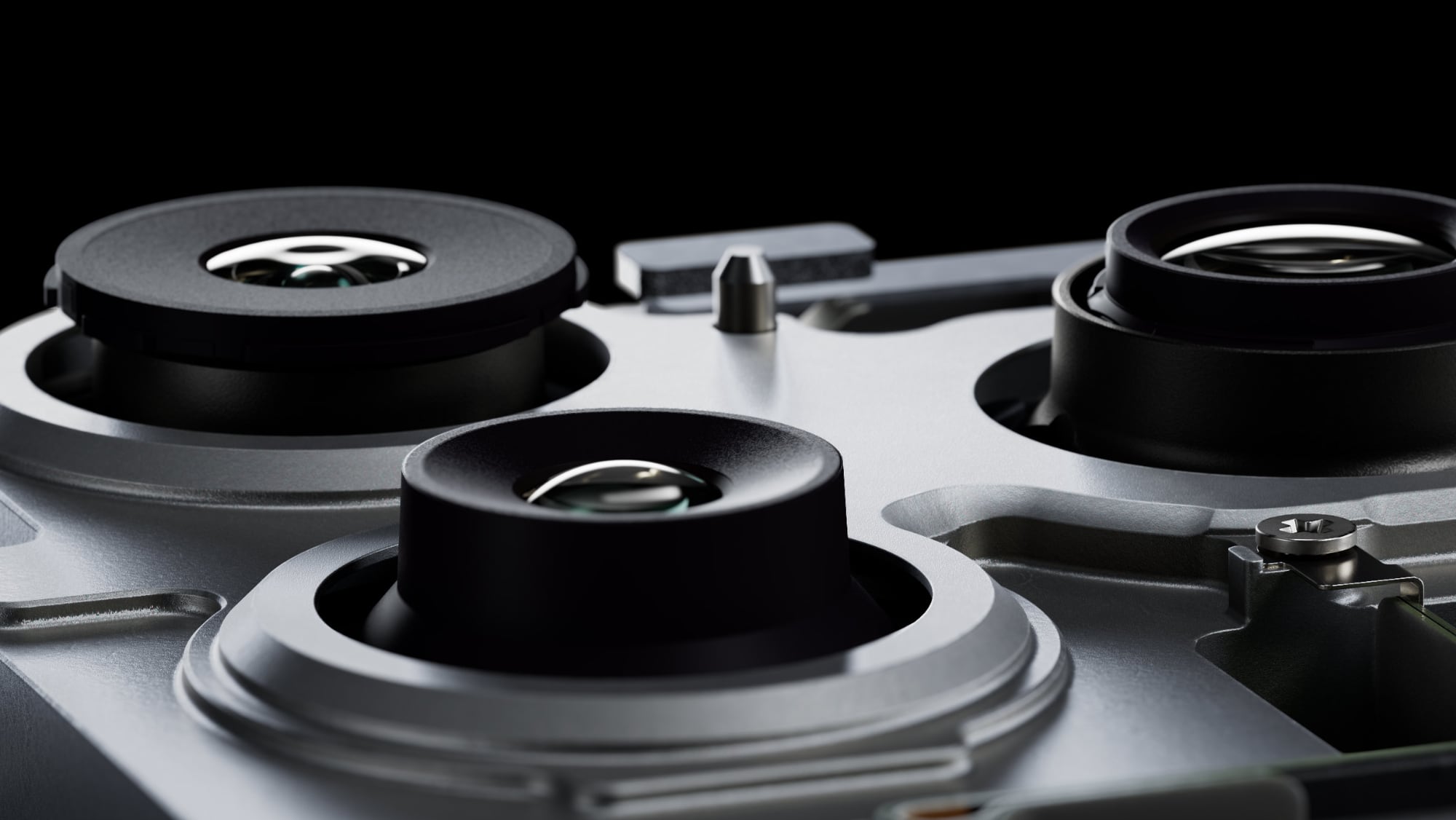
Unpacking the Rumor: A 200MP Sensor on Apple's Radar
What the Leaker Said
In a recent post, Digital Chat Station indicated that Apple is more than just contemplating this technology; they are actively testing a 200-megapixel camera sensor. The specifics mentioned are a 1/1.2-inch sensor size. For those unfamiliar with camera jargon, this is a relatively large sensor for a smartphone, especially for a telephoto lens. To put it into perspective, this sensor is described as being "similar to the one rumored for Oppo's upcoming Find X9 Ultra." This comparison immediately tells us that Apple isn't just looking for high megapixels; they're also considering a physically larger sensor to accompany it, which is crucial for capturing high-quality images.
This isn't the first time the idea of a 200-megapixel camera has been linked to Apple. Back in January, the same leaker reported that discussions about 200-megapixel camera sensors were happening within Apple's supply chain. However, at that time, these discussions had not yet materialized into actual engineering prototypes. The significant development now is the jump from mere discussion to "active testing," suggesting that Apple's exploration has progressed into a more concrete phase of development.
A Shift in Apple's Focus?
Initially, Apple's camera development work was said to be focused on refining its existing 48-megapixel camera systems. The current 48MP main camera on iPhone Pro models, introduced with the iPhone 14 Pro, offers excellent detail, especially when shooting in Apple ProRAW, and employs pixel binning to create bright 12MP images with larger effective pixels. While these 48MP systems are incredibly capable, a direct leap to 200MP for a telephoto lens would represent a massive paradigm shift in Apple's strategy for optical zoom.
It suggests that while the current 48MP systems continue to be refined, Apple's R&D department is simultaneously pushing the boundaries of what's possible with smartphone cameras, exploring technologies that could eventually become the cornerstone of future iPhones. This dual approach allows Apple to incrementally improve its current offerings while also investing in radical future innovations.
The Megapixel Marvel: What 200MP Means for Your Photos
Understanding Megapixels
Before diving into the benefits, let's briefly explain what "megapixel" means. A megapixel is simply one million pixels. Pixels are the tiny, individual dots of color that make up a digital image. So, a 200-megapixel camera captures an image composed of 200 million individual dots of color information. In general, more megapixels mean more information in your photo, which directly translates to greater detail and higher resolution.
For comparison, many current high-end smartphones use 12MP or 48MP main cameras. The jump to 200MP, especially for a telephoto lens, is an enormous leap in terms of raw data captured. This abundance of detail opens up a world of possibilities for how you interact with and use your photos.
Detail, Cropping, and Printing: Unleashing Creative Freedom
The most immediate and obvious benefit of a 200-megapixel camera is the sheer amount of detail it captures. Imagine taking a photo of a distant landscape. With a 200MP sensor, you could zoom in digitally on a small section of that landscape—say, a specific tree or a tiny building—and still retain a remarkable level of detail that would be impossible with lower-megapixel cameras. This is often referred to as "lossless zoom" or "sensor crop zoom" because you're essentially cropping a smaller, still high-resolution image from a much larger original.
This increased detail provides unparalleled flexibility in post-processing. If you often find yourself needing to crop an image to improve its composition, a 200MP sensor gives you immense leeway. You can crop aggressively without worrying about your image becoming pixelated or blurry. This empowers users to capture a scene broadly and then precisely frame their subject later, allowing for more creative freedom and reducing the pressure to get the perfect composition in-camera every single time.
Furthermore, for those who love to print their photos, higher megapixel counts are a dream come true. You could print stunning, large-format photos—think posters or canvases—without any noticeable loss of image quality. A 12MP image starts to show pixelation when printed too large, but a 200MP image offers a vastly greater canvas, ensuring your precious memories look sharp and vibrant, even when blown up to impressive sizes. This capability pushes the iPhone further into the realm of professional photography tools, where large, high-resolution prints are often a requirement.
The Power of Telephoto: Zooming into the Future
Beyond the Wide Lens: The Telephoto Advantage
Most smartphones come with a standard wide-angle lens, great for capturing broad scenes. Many also include an ultra-wide lens for even wider shots. However, the telephoto lens is where true optical zoom comes into play. Unlike digital zoom, which simply enlarges and often degrades pixels, optical zoom uses physical lens elements to magnify a distant subject, bringing it closer without sacrificing image quality. This is crucial for capturing wildlife, sports, portraits, or any scene where you can't physically get closer to your subject.
Current iPhone Pro models offer up to 5x optical zoom (on the iPhone 15 Pro Max) via a periscopic telephoto lens. This allows users to capture distant subjects with remarkable clarity. A dedicated telephoto lens is an indispensable tool for photographers who want versatility and the ability to isolate subjects from their background, creating beautiful bokeh (background blur) in portraits.
Why 200MP for Telephoto is a Game-Changer
Applying a 200-megapixel sensor to a telephoto lens is an especially significant development. Telephoto lenses, by their nature, often have smaller apertures (meaning they let in less light) and can be more challenging to stabilize, especially in lower light conditions. By pairing optical zoom with an ultra-high-resolution sensor, Apple could address some of these inherent limitations and unlock unprecedented capabilities.
Firstly, the sheer megapixel count would massively enhance the "reach" of the telephoto lens. After optically zooming in (e.g., 5x), the 200MP sensor would capture an image with such an immense amount of detail that users could then digitally zoom or crop *even further* without significant degradation. This means you could effectively achieve zoom levels far beyond the optical capability, with results that would still be superior to what any current smartphone offers through digital zoom alone.
Secondly, a high-megapixel sensor on a telephoto lens could feed into Apple's advanced computational photography algorithms in new ways. The additional data points allow for more sophisticated noise reduction, better texture rendering, and potentially even new zoom-related features powered by artificial intelligence. Imagine an iPhone that can intelligently enhance details from a 200MP telephoto shot, making distant objects look sharper and more lifelike than ever before. This combination of powerful hardware and intelligent software is a hallmark of Apple's camera strategy.
Sensor Size: The Unsung Hero of Image Quality
Decoding Sensor Measurements: 1/1.2" vs. 1/1.56"
While megapixels grab headlines, sensor size is arguably just as, if not more, important for overall image quality, especially in challenging conditions. The sensor is the part of the camera that collects light and converts it into an image. A larger sensor has more surface area to gather light, and each pixel on a larger sensor can also be physically bigger, enabling it to collect more light individually.
The sensor sizes mentioned in the leak, such as 1/1.2-inch and 1/1.56-inch, refer to the diagonal measurement of the sensor. The general rule is: the smaller the denominator, the larger the sensor. So, a 1/1.2-inch sensor is larger than a 1/1.56-inch sensor. Think of it like a bucket collecting rainwater: a bigger bucket (larger sensor) can collect more water (light) in the same amount of time, resulting in a richer, cleaner image.
This directly impacts several critical aspects of photography:
- Low-Light Performance: Larger sensors excel in dim conditions because they can capture more light, reducing noise and allowing for brighter, more detailed images without relying heavily on software processing.
- Dynamic Range: This refers to the camera's ability to capture detail in both the brightest and darkest parts of an image simultaneously. A larger sensor generally offers better dynamic range, preserving details in challenging high-contrast scenes.
- Natural Depth of Field: Larger sensors, especially when paired with a wider aperture, can create a more natural background blur (bokeh) around a subject, making portraits look more professional and visually appealing.
Oppo's Prowess: A Benchmark for Apple
The leak's reference to Oppo is highly relevant. Oppo has been at the forefront of pushing the boundaries of smartphone camera hardware, particularly with periscopic telephoto lenses. On their recently released Find X9 Pro, Oppo debuted a 200-megapixel periscopic telephoto lens, notably featuring a large 1/1.56-inch sensor. This sensor size is significantly bigger than what's typically found in the telephoto cameras of many other flagship smartphones.
An earlier leak from Digital Chat Station further suggested that Oppo's upcoming Ultra model (likely the Find X9 Ultra) will take this even further, by introducing an even larger 1/1.28-inch sensor for its telephoto camera. If Apple is indeed testing a 1/1.2-inch sensor, it would be a direct competitor, or even slightly larger, than Oppo's rumored next-gen offering. This indicates that Apple is aiming for a class-leading telephoto solution, not just a high megapixel count, by focusing on the underlying sensor technology that enables superior image capture.
Oppo's innovations serve as a benchmark, demonstrating that integrating such powerful camera hardware into a slim smartphone form factor is achievable. Apple often takes time to refine and optimize technologies before implementing them, ensuring a seamless user experience. However, the competitive landscape, with players like Oppo pushing the envelope, likely motivates Apple to accelerate its own advanced camera developments.
Apple's Camera Evolution: A History of Innovation
From Single Lens to ProRAW: Apple's Photography Journey
Apple has a long history of making significant advancements in smartphone photography. From the early days of a single, simple camera on the original iPhone, the company has consistently pushed the boundaries, not just with hardware but crucially with software and computational photography. Key milestones include the introduction of the dual-camera system for optical zoom and Portrait Mode, the triple-camera system for ultra-wide shots, Deep Fusion for multi-frame processing, ProRAW for professional-grade editing flexibility, and Cinematic Mode for cinematic video depth effects.
Apple's philosophy has always been to make professional-level photography accessible to everyone. They achieve this by seamlessly integrating sophisticated hardware with intelligent software, allowing users to "just point and shoot" and get stunning results without needing extensive photographic knowledge. The focus has been on refining the user experience, ensuring reliability, and leveraging the iPhone's powerful chipsets for real-time image processing.
The Current State: 48MP Systems
Currently, the Pro models of the iPhone (like the iPhone 14 Pro and 15 Pro series) feature a sophisticated 48-megapixel main camera sensor. This sensor primarily uses a technique called "pixel binning," where four pixels are combined into one larger "super pixel." This results in excellent 12MP photos that are brighter and have less noise, especially in challenging light conditions. Users also have the option to shoot full 48MP photos, particularly in ProRAW format, which provides immense detail and flexibility for professional editing.
The current telephoto lenses on iPhones offer 2x, 3x, or 5x optical zoom depending on the model. While these are highly capable, they typically use smaller sensors and lower megapixel counts compared to the main camera. A jump from these existing telephoto setups to a 200MP, large-sensor telephoto would be a monumental shift, bringing an entirely new level of detail and versatility to the iPhone's zoom capabilities.
This kind of upgrade isn't just about bigger numbers; it represents a fundamental re-evaluation of what a smartphone camera can achieve. It signifies Apple's ambition to remain at the forefront of mobile photography innovation, directly competing with and potentially surpassing the best offerings from other manufacturers.
The Competitive Landscape: Samsung and Beyond
Samsung's Head Start: The Galaxy S23/S24 Ultra
It's important to note that Apple wouldn't be the first to introduce a 200-megapixel camera in a smartphone. Samsung made headlines when it introduced a 200-megapixel main camera on its Galaxy S23 Ultra in 2023, and their follow-up models, the S24 Ultra, also feature this high-resolution sensor. Samsung's implementation focuses on its main wide-angle camera, allowing for incredible detail capture and versatile cropping capabilities, much like what is being rumored for Apple.
However, there's a key distinction: Samsung's 200MP is on the *main* camera, while the Apple rumor specifically points to a 200MP *telephoto* camera. This suggests Apple might be taking a different strategic approach, focusing on enhancing zoom capabilities with unprecedented detail, rather than just the primary wide-angle shot. While both are impressive, a 200MP telephoto could provide a unique selling point for the iPhone, offering a zoom experience that stands apart from current competition.
The presence of 200MP cameras in rival flagships like Samsung's certainly adds competitive pressure on Apple. In the high-stakes smartphone market, camera performance is often a major differentiator. To maintain its premium position and appeal to demanding users, Apple must continuously innovate and deliver features that either match or exceed what competitors offer. This rumor suggests Apple is doing just that, but potentially in a way that aligns with its own emphasis on practical, high-quality photography across all lenses.
Looking Ahead: When Can We Expect This Innovation?
The "Next Year" Possibility: A Shorter Timeline?
Digital Chat Station's latest claim suggests that this 200-megapixel telephoto lens could ship in an iPhone as soon as "next year." Given Apple's typical product cycles, "next year" would likely refer to the iPhone models released in late 2025 or early 2026. This timeline is surprisingly aggressive, especially for such a significant technological leap that would require extensive testing, refinement, and mass production capabilities. If true, it would demonstrate Apple's rapid acceleration in camera hardware development.
Integrating a completely new, high-resolution sensor, particularly for a telephoto lens which has tighter space constraints within the phone's body, is a complex engineering challenge. It requires not only the sensor itself but also compatible optics, a powerful image signal processor (ISP) to handle the massive data, and sophisticated software algorithms to make the most of the raw pixel data. An "active testing" phase indicates progress, but successful integration and optimization for a consumer product within a year would be a remarkable feat.
Previous Predictions: 2028 and Beyond
It's worth contrasting this "next year" timeline with earlier predictions. In January, the same month Digital Chat Station first mentioned 200MP discussions, Morgan Stanley, a reputable financial services firm, reported that Apple was working to bring a 200-megapixel camera to the iPhone, but suggested a much later timeline: "as soon as 2028."
Such differing timelines highlight the dynamic nature of technology development and leaks. Early discussions in the supply chain might point to long-term goals (2028), while active testing of prototypes could indicate an accelerated path for specific components (next year). It's also possible that Apple is evaluating multiple avenues—perhaps a 200MP main camera for 2028, and a 200MP telephoto camera for an earlier release. Or, the current testing might be an exploratory phase that may or may not make it into a production device on an aggressive schedule.
Typically, when analysts like Morgan Stanley provide timelines, they are based on supply chain intelligence regarding components reaching maturity and production readiness at scale, which can be a longer process than initial prototyping.
The iPhone 18 and a 20th Anniversary Model
The timeline speculation also intersects with broader rumors about Apple's future iPhone release strategy. In early 2027, Apple is expected to release the regular iPhone 18 as part of a new "split-launch" cycle. This theory suggests that the standard iPhone models might launch earlier in the year, with the next-generation Pro models following during the usual September timeframe. This staggered release could allow Apple to focus its marketing and manufacturing efforts more effectively on different tiers of its product line.
Next year (potentially 2026, or 2027 if "next year" is interpreted as the subsequent flagship release) could also usher in a 20th anniversary iPhone. Apple's original iPhone launched in 2007, so its 20th anniversary would be in 2027. This anniversary model could be a "Pro equivalent" or perhaps a higher-tier premium model, similar to the revolutionary iPhone X, which debuted in 2017 to mark the iPhone's 10th anniversary. An anniversary iPhone is typically used by Apple to showcase groundbreaking new technologies and design changes.
If Apple were to introduce a 200-megapixel telephoto camera, an anniversary iPhone or a top-tier Pro model would be the ideal candidate to debut such a significant and premium feature. It would serve as a powerful differentiator and a testament to Apple's ongoing commitment to pushing the boundaries of smartphone photography. This strategy allows Apple to justify a potentially higher price point for these ultra-premium devices while also creating a halo effect for the entire iPhone lineup.
The Broader Impact: Transforming Mobile Photography
For the Everyday User
For the average iPhone user, a 200-megapixel telephoto camera would translate into a significantly enhanced and more forgiving photography experience. Imagine attending a concert or a sporting event. You could capture distant performers or athletes with incredible clarity, and then crop in on a specific moment after the fact, without your photo turning into a pixelated mess. This means less worry about precise framing in the moment and more creative freedom later.
It also means that "digital zoom," often a dirty word among photographers, could become genuinely useful. With such a high-resolution starting point, even significant digital cropping would still leave you with a very respectable image. For everyday photos, this means more details in scenic shots, crisper faces in group photos from a distance, and the ability to truly capture what your eyes see, even if it's far away.
For Professionals and Enthusiasts
For professional photographers and serious enthusiasts, the implications are even more profound. The ability to capture 200-megapixel telephoto images, especially if available in a RAW or ProRAW format, would provide an unprecedented amount of data for editing. This would allow for greater flexibility in manipulating exposure, color, and detail in post-production, bringing the iPhone closer to the capabilities of dedicated mirrorless and DSLR cameras in certain scenarios.
The gap between professional cameras and smartphone cameras has been steadily closing, driven largely by computational photography. A 200MP telephoto sensor would further narrow this gap, offering a tool that can reliably produce publishable-quality images even when zooming in. This could make the iPhone an even more compelling option for photojournalists, travel photographers, and content creators who need a powerful, versatile, and highly portable camera.
New Possibilities: Computational Photography and Video
Beyond still photos, a 200MP sensor opens up new avenues for computational photography and video. Apple's powerful Neural Engine and Image Signal Processor (ISP) are constantly working to enhance images. A massive influx of 200 million pixels of data provides these processors with an unparalleled wealth of information to work with. This could lead to:
- Improved Semantic Segmentation: Better identification and separation of subjects from backgrounds, leading to more precise Portrait Mode effects and intelligent editing capabilities.
- Next-Gen HDR: Even more sophisticated High Dynamic Range processing, producing images with incredible detail in both shadows and highlights.
- Enhanced Video Zoom: Higher resolution sensors can enable superior video zoom without quality loss, similar to the benefits seen in still photography. Imagine recording 4K video while simultaneously being able to crop and zoom within the frame with extraordinary detail.
- New Cinematic Modes: Potentially more advanced cinematic video modes, allowing for greater control over depth of field and tracking of subjects, leveraging the high-resolution data for more precise masking and rendering.
The Road Ahead: Challenges and Innovations
Engineering Feats
While the prospect of a 200MP telephoto camera is exciting, integrating such a powerful piece of hardware into a slim iPhone presents numerous engineering challenges.
- Space Constraints: A larger sensor and the complex optics required for a telephoto lens (especially a periscope design) demand significant internal space, which is always at a premium in a smartphone.
- Module Thickness: A larger sensor generally means a thicker camera module, which Apple typically tries to minimize for aesthetics and ergonomics. Innovative lens designs and sensor packaging would be necessary to keep the 'camera bump' manageable.
- Heat Management: Processing 200-megapixel images generates a lot of heat, especially during continuous shooting or video recording. Efficient thermal management systems would be crucial to prevent throttling and maintain performance.
- Battery Consumption: Capturing and processing such high-resolution images can be power-intensive. Apple would need to ensure that battery life remains excellent, likely through a combination of hardware efficiency and software optimization.
Software Optimization
Beyond the hardware, the software optimization for a 200MP telephoto camera is paramount. Apple's strength lies in its tight integration of hardware and software.
- Efficient Processing: The A-series Bionic chips and dedicated Neural Engine would need to efficiently process the massive data stream from a 200MP sensor in real-time for features like Smart HDR, Deep Fusion, and Portrait Mode.
- User Experience: Apple prides itself on simplicity. The immense power of a 200MP camera should be accessible and easy to use for the average person, not just tech enthusiasts. The camera app needs to be intuitive, fast, and reliable.
- Storage: 200MP images, especially in RAW format, will be very large files. Efficient compression technologies and ample storage options would be necessary to accommodate users' growing photo libraries.
Conclusion: The Dawn of a New Era for iPhone Photography
The rumors surrounding Apple's active testing of a 200-megapixel telephoto camera sensor paint an exciting picture for the future of iPhone photography. While still a rumor, and timelines can certainly shift, the possibility of such a powerful camera arriving as early as next year is exhilarating. This would not just be a numerical upgrade; it would represent a fundamental leap in what iPhone users can achieve with their mobile devices.
From unprecedented detail and cropping flexibility to superior low-light performance and advanced computational photography capabilities, a 200MP telephoto lens would empower users to capture the world around them with a new level of precision and artistry. It underscores Apple's enduring commitment to innovation in mobile imaging, setting a new benchmark for the entire industry. As we eagerly await official announcements, the prospect of a 200MP iPhone remains one of the most compelling reasons to look forward to Apple's next generation of smartphones, promising a truly transformative photography experience.
This article, "Apple Testing 200MP Telephoto iPhone Lens That Could Ship Next Year" first appeared on MacRumors.com
Discuss this article in our forums
from MacRumors
-via DynaSage
