
Apple Reportedly Preparing 'Biggest Set of iPhone Revamps' Ever
Apple's Next Big Move: The Biggest iPhone Revamps Are Coming
Get ready for a revolution! According to the latest insights from esteemed tech insider Mark Gurman of Bloomberg, Apple is on the verge of launching "the biggest set of iPhone revamps in the product's history." This isn't just about minor, annual updates; we're talking about entirely new designs and groundbreaking features that could fundamentally redefine what an iPhone can be, pushing the boundaries of mobile technology into exciting new territory.
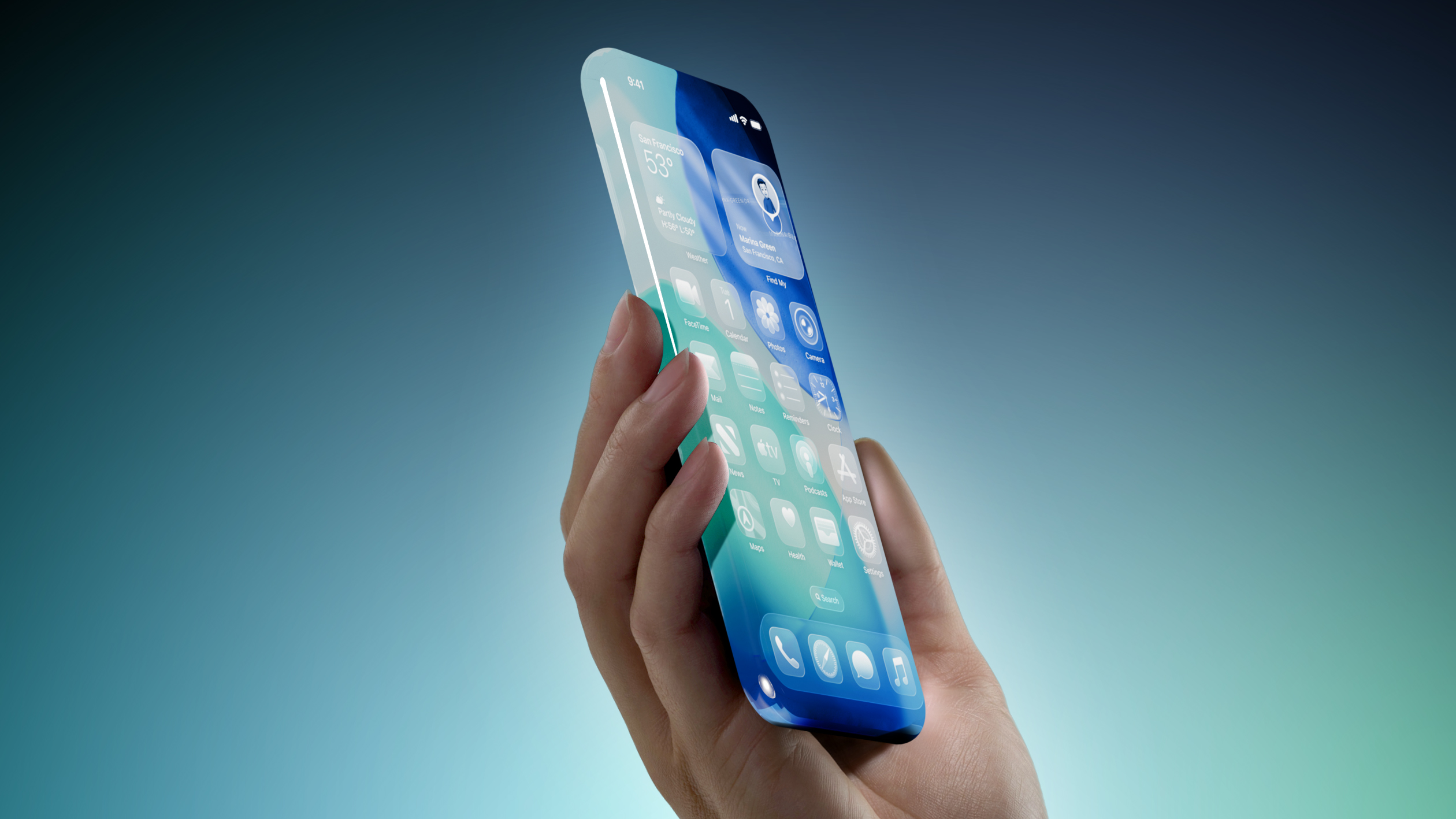
Gurman's report specifically highlights two highly anticipated devices that are fueling this excitement: a long-rumored foldable iPhone and an ambitious 20th-anniversary iPhone, designed with a truly "edge-to-edge" screen. These two innovative products represent a monumental shift in Apple's product strategy, promising to captivate consumers and reshape the competitive landscape of the smartphone market. They signal a period of intense innovation from the Cupertino giant, moving beyond iterative improvements to deliver genuinely transformative experiences.
John Ternus: The Architect of Apple's Hardware Future
The intriguing details about these groundbreaking iPhones emerged from an in-depth profile of John Ternus, Apple's highly regarded hardware engineering chief. Ternus is a pivotal figure within Apple, recognized for his profound impact on the company’s product line and widely considered to be the leading candidate to become the next CEO whenever Tim Cook eventually decides to step down. His leadership during this crucial period underscores the strategic importance of these upcoming devices.
Gurman explicitly states that Ternus is currently "overseeing the biggest set of iPhone revamps in the product's history, including a foldable model this year and a version with an edge-to-edge screen that could arrive as early as 2027, for the device's 20th anniversary." This level of responsibility speaks volumes about Ternus's influence and Apple's confidence in his vision. Having a potential future CEO directly managing these ambitious projects suggests that Apple views these innovations not as mere experiments, but as core strategic pillars for its long-term success and continued market leadership.
John Ternus has built a reputation for his meticulous attention to detail, deep understanding of industrial design, and mastery of complex engineering challenges. His career at Apple has seen him contribute significantly to a vast array of products, solidifying his expertise in bringing cutting-edge hardware to mass production. Under his guidance, Apple's hardware division has consistently delivered devices that combine elegant aesthetics with powerful performance. His involvement in these "biggest revamps" indicates that Apple is aiming for hardware that is not only visually stunning but also incredibly robust and functionally superior, aligning perfectly with the company's historical commitment to quality and user experience.
The anticipation surrounding Ternus's potential CEO candidacy further amplifies the significance of these iPhone projects. His leadership style, which often emphasizes collaborative innovation and pushing technological boundaries, could usher in an era where Apple prioritizes bold leaps in hardware design and integration. This focus on transformative innovation is what many long-time Apple observers believe is necessary to maintain the iPhone's competitive edge and excite a new generation of users.
The Foldable iPhone: A New Chapter for Apple Design
The tech world has been buzzing with rumors and speculation about a foldable iPhone for years, and now, it appears to be closer to reality than ever before. Apple is reportedly planning to unveil this revolutionary device in September of this year. If these plans materialize, it will mark Apple's official and highly anticipated entry into the rapidly evolving foldable smartphone market, a segment that has already seen considerable innovation and competition from other tech giants such as Samsung, Google, Huawei, and Xiaomi.
What to Expect from Apple's Foldable Design
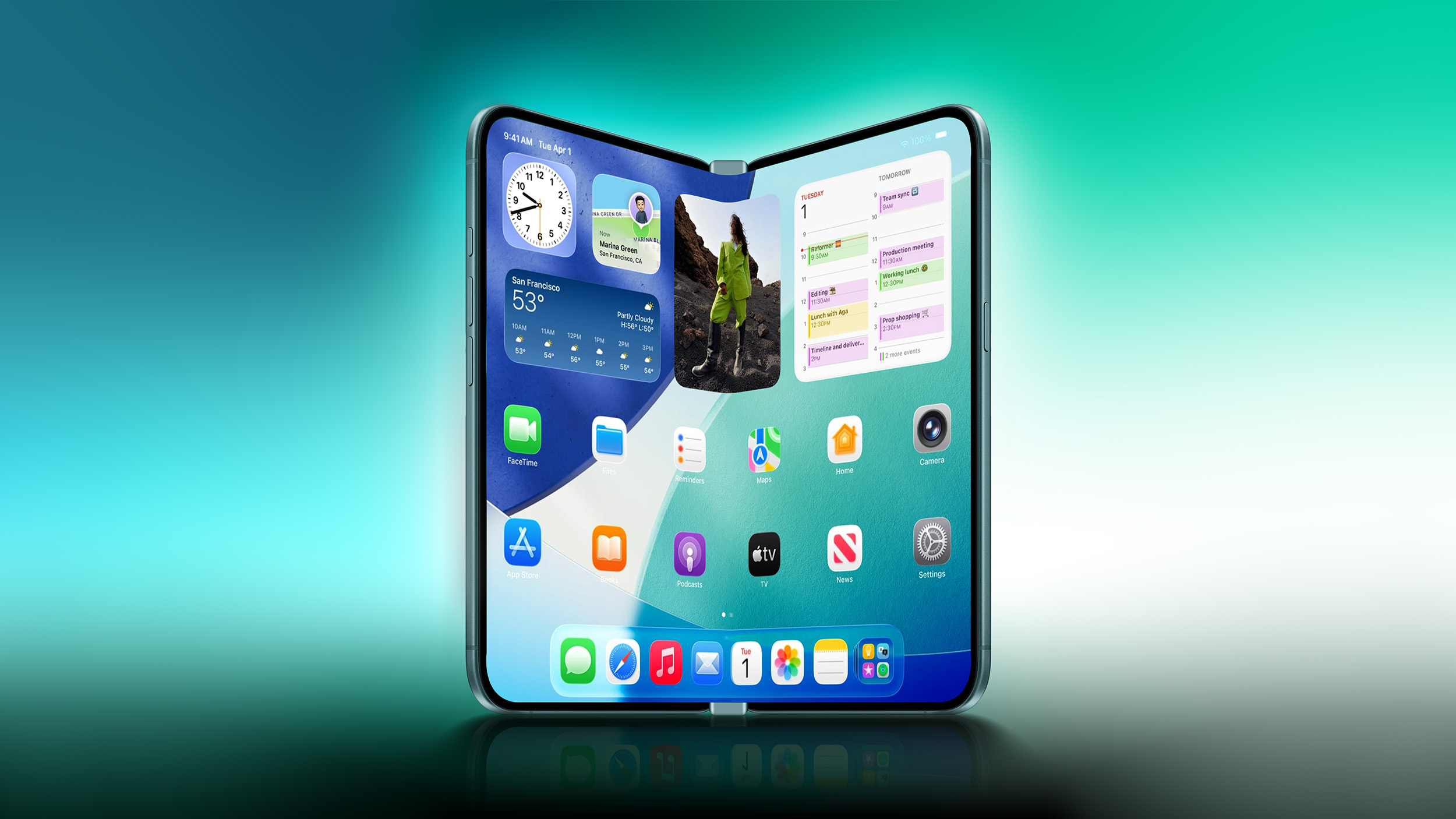
Following a popular and proven design philosophy adopted by devices like Samsung's Galaxy Z Fold 7, the foldable iPhone is expected to open up like a book. This design choice aims to provide users with a significantly larger screen when unfolded, transforming the device into a versatile tool ideal for a wide range of activities. Imagine the enhanced experience of watching high-definition videos on a display almost the size of a small tablet, immersing yourself deeper into graphically rich mobile games with expansive screen real estate, or efficiently tackling productivity tasks with multiple applications open side-by-side, much like on a tablet or desktop computer.
The utility of a larger, flexible display cannot be overstated in today's mobile-first world. For professionals, it promises to revolutionize mobile productivity, making it far easier to simultaneously work on documents, manage complex email threads, participate in high-quality video conferences, and access reference materials without constantly switching between apps. For casual users and multimedia enthusiasts, it elevates the device into a truly portable entertainment hub, offering a more cinematic viewing experience for movies and TV shows, and a significantly larger canvas for creative applications like drawing, photo editing, and digital art. This form factor bridges the gap between the portability of a smartphone and the immersive capabilities of a tablet.
Display Specifications and Crease Management Innovations
Recent reports have offered more specific insights into the potential display dimensions of Apple's foldable device. A few months ago, a significant leak suggested that the foldable iPhone will feature a 7.7-inch inner display when fully unfolded, complemented by a 5.3-inch outer display for use when the device is closed. To put these figures into perspective, a 7.7-inch display is notably larger than even the biggest current iPhone Pro Max models, pushing the boundaries into small tablet territory, offering a genuinely expansive viewing and interaction surface. The 5.3-inch outer screen, on the other hand, would be a comfortable and practical size for quick interactions, checking notifications, handling phone calls, and using essential apps, ensuring the device remains convenient, pocketable, and usable even in its folded state.
One of the most persistent and critical challenges in developing foldable smartphone technology has been the issue of the screen crease. This visible line or indentation appears at the fold point due to the repeated bending of the flexible display material. Initially, there were optimistic rumors that Apple's device would boast a virtually "crease-free" inner display. Achieving a completely crease-free design would represent a significant technological breakthrough, as it is an incredibly complex engineering feat requiring advanced material science and hinge mechanisms.
However, later reports indicated a slightly more realistic, yet still impressive, approach: Apple is employing technology that "reduces the crease without eliminating it entirely." This strategy is more aligned with the current state of foldable display technology across the industry. Even the leading foldable phones today, despite continuous improvements, still exhibit some degree of a crease. Apple's focus on "reducing" the crease suggests a meticulous commitment to delivering a premium user experience, aiming for a less noticeable and less disruptive fold than what's currently available on the market, while acknowledging the inherent physical limitations of existing flexible display materials and hinge designs. This pragmatic balance between cutting-edge engineering and practical manufacturing often defines Apple's most successful product launches, ensuring high quality and reliability.
Innovative Camera and Security Features
Esteemed Apple supply chain analyst Ming-Chi Kuo, known for his accurate predictions, has shared his expectations for the foldable iPhone's camera and security setup. He expects the device to feature two rear cameras, one front camera, and a Touch ID power button instead of Face ID. This particular combination of features offers intriguing insights into Apple's design and engineering priorities for its first foldable device.
The choice of integrating Touch ID—Apple's fingerprint recognition technology—into the power button, rather than the more recent Face ID facial recognition system, might initially seem surprising to some, especially given Apple's pioneering role in popularizing and perfecting facial recognition on its flagship iPhones. However, this decision could be a highly strategic one. Integrating Face ID's complex array of sensors into a flexible display or within the tight, dynamic confines of a foldable hinge mechanism presents formidable engineering challenges related to durability, optical clarity, and consistent performance. A side-mounted Touch ID sensor, seamlessly integrated into the power button, offers a highly reliable, proven, and incredibly convenient biometric security solution that works consistently regardless of how the phone is held or whether it's in a folded or unfolded state. This practical approach prioritizes a smooth and consistent user experience from day one.
The inclusion of dual rear cameras indicates that Apple is highly likely to maintain its traditionally high standards for mobile photography. This setup typically offers versatile shooting capabilities, often combining a wide-angle lens with an ultrawide or telephoto lens, ensuring users can capture a broad range of images with exceptional quality. The single front camera would serve its primary purpose for video calls, selfies, and other front-facing applications, adapting seamlessly to the foldable form factor. Apple's camera technology is consistently a major selling point for its devices, and it is widely expected that even with this novel design, the foldable iPhone will deliver exceptional image and video quality, leveraging Apple's advanced computational photography.
iOS 27: Optimized for Foldable Experiences
A truly great foldable device is not solely defined by its innovative hardware; it absolutely requires sophisticated software that is specifically designed to take full advantage of its unique and dynamic form factor. This is where the upcoming iOS 27 operating system comes into play. It is expected to be meticulously optimized for the foldable iPhone, allowing for seamless side-by-side apps and an significantly enhanced multitasking experience. This software integration is absolutely crucial for unlocking the full potential and maximizing the utility of the larger inner display, transforming how users interact with their device.
Imagine the effortless workflow of dragging and dropping content—whether it's text, images, or files—between two applications displayed simultaneously on the expansive inner screen. Or picture having a high-definition video playing uninterrupted on one half of the display while you efficiently browse social media, respond to messages, or look up information on the other half. This kind of intuitive and seamless multitasking, which is already a hallmark of iPadOS on Apple's tablets, will elevate the foldable iPhone into an even more powerful productivity and entertainment tool, blurring the lines between smartphone and tablet functionality.
The software will be engineered to intelligently adapt to whether the phone is folded or unfolded, providing an intuitive, consistent, and context-aware user experience. This deep focus on hardware-software synergy is a classic Apple move, ensuring that the physical design and the operating system work in perfect harmony to deliver a superior and highly polished product. Apple's reputation for intuitive, powerful, and user-friendly operating systems suggests that their implementation of foldable software will not only be robust but will also likely set a new benchmark for the industry in terms of usability and efficiency. The ability to run multiple applications simultaneously, potentially even with floating windows for added flexibility, would revolutionize mobile workflows, making content creation, research, communication, and complex tasks far more efficient and enjoyable on the go.
The 20th-Anniversary iPhone: A Vision of the Future
Beyond the highly anticipated foldable model, Apple is also reportedly hard at work on another truly groundbreaking device: a 20th-anniversary iPhone, slated to arrive as early as 2027. The original, revolutionary iPhone made its debut in January 2007, meaning that next year will mark its two-decade milestone. This anniversary device is envisioned not merely as a tribute to Apple's past innovations but as a bold, forward-looking statement about its future, pushing the boundaries of traditional smartphone design to an unprecedented level.
A Truly Seamless, Edge-to-Edge Design
Previous reports and industry whispers have painted a captivating picture of an iPhone unlike any we have ever seen. This 20th-anniversary model is expected to have a profoundly seamless design, characterized by an exquisitely curved glass enclosure that flows uninterrupted around the device. Most strikingly, the design is rumored to feature absolutely no cutouts whatsoever in the display. This means the complete elimination of the infamous notch, the more recent Dynamic Island, and absolutely no visible camera holes or sensors interrupting the screen. It represents the ultimate, purest vision of a true "all-screen" device, where the display melts seamlessly into the edges of the phone.
Achieving this unprecedented level of seamlessness requires an incredible feat of engineering and design prowess. The "curved glass enclosure" suggests a device that feels sculpted, continuous, and ergonomic in the hand, perhaps reminiscent of the original iPhone's elegant rounded edges but taken to an extreme, where the glass gently curves and wraps around the entire chassis. This design philosophy aims to eliminate all visual distractions, allowing the content on the screen to be the singular focus. This creates an incredibly immersive and uninterrupted user experience, where the digital world presented on the display feels truly boundless and merges with the physical form of the device itself.
The Promise and Challenges of Under-Screen Camera Technology
The critical technological key to achieving a display with "no cutouts" lies in the successful implementation of advanced under-screen camera (USC) technology. To make the screen truly edge-to-edge and perfectly seamless, the front-facing camera, along with all the intricate sensors required for Face ID (Apple's facial recognition system), would need to be located entirely and invisibly underneath the display panel itself. This innovative integration is arguably the most ambitious and challenging aspect of the rumored 20th-anniversary iPhone, demanding breakthroughs in material science, optics, and sensor technology.
Under-screen camera technology involves making a specific portion of the OLED display transparent enough for light to pass through efficiently to the camera sensor situated directly below it. Simultaneously, this same portion of the display must remain opaque enough that the pixels above the camera still look and function like a continuous, uniform screen, without any visible anomalies or changes in color or brightness. This is an incredibly complex balancing act. Current implementations of USC in other smartphones often come with noticeable compromises: either the camera area is still somewhat visible (perhaps as a slightly lower pixel density grid), or the image quality from the camera suffers significantly due to the display layer partially obstructing incoming light, leading to hazy or poor-quality photos. Apple, renowned for its uncompromising stance on display quality, photographic excellence, and overall user experience, would undoubtedly need to achieve a monumental breakthrough in this area to meet its own notoriously stringent standards, which are often far higher than those of its competitors.
Furthermore, integrating the advanced sensors for Face ID under the display adds another profound layer of complexity. Face ID relies on an intricate array of components – an infrared camera, a flood illuminator (to light up the face), and a dot projector (to create a 3D depth map of the user's face) – to accurately and securely authenticate the user. Embedding all these sensitive components invisibly beneath an OLED panel while maintaining their precise alignment, accuracy, and reliability, especially in varying lighting conditions, is an enormous engineering challenge. The dot projector, for instance, needs to project thousands of invisible infrared dots onto the face, and the infrared camera needs to read them. Doing this through an active display without interference or degradation of performance is a task that has stumped many engineers globally.
If Apple can successfully achieve this level of integration for both the front camera and the entire Face ID system, it would represent a monumental engineering triumph. It would not only enable the dream of a truly uninterrupted visual experience but also demonstrate Apple's unparalleled capability to miniaturize and integrate complex sensor technology. The aesthetic appeal of such an uninterrupted display is undeniable: it offers a cleaner, more expansive canvas for everything from browsing the web to gaming to crystal-clear video calls. It effectively removes the last major design compromise that has existed on iPhones since the introduction of the notch with the iPhone X. For Apple, this move would signify more than just a design upgrade; it would symbolize their continued pursuit of perfection in mobile technology, demonstrating an ability to overcome formidable challenges that have proven too difficult for others.
The Ambitious Timeline and Apple's Innovation Cycle
The fundamental question that remains, given the ambitious nature of these technologies, is whether Apple will truly be able to pull off such a device by next year. The timeline of "as early as 2027" for a device of this complexity—featuring a completely seamless, edge-to-edge display with fully integrated under-screen camera and Face ID—is incredibly ambitious. Developing reliable under-screen camera technology, perfecting the intricate curved glass enclosure, and ensuring robust performance across all components requires extensive, multi-year research, meticulous development, and rigorous testing phases. Apple’s supply chain management is legendary for its efficiency and scale, but even the most advanced manufacturing processes face inherent limits when pushing the very boundaries of physics and material science.
However, it is equally important to remember that Apple has a storied history of achieving what often seems impossible in the tech world. They frequently wait until a nascent technology is mature, perfectly integrated into their holistic ecosystem, and meets their exceptionally high standards for reliability and user experience before launching it to the public. When Apple does eventually launch such groundbreaking features, it’s typically with an unparalleled level of polish, performance, and seamless integration that often sets new industry benchmarks. If these rumors hold true, and Apple successfully delivers both a cutting-edge foldable iPhone and a revolutionary 20th-anniversary iPhone within such a relatively short span of time, then it truly would herald a period of significant innovation and excitement, marking a "big two years ahead for the iPhone." This period would undoubtedly cement its place at the absolute forefront of mobile innovation, once again reshaping consumer expectations.
The Future of iPhone: A Vision of Transformative Technology
The recent reports from Mark Gurman underscore a pivotal and incredibly exciting moment for Apple and the venerable iPhone product line. After several years of incremental updates, which, while impressive, often felt like refinements rather than revolutions, these upcoming devices signal a powerful return to truly revolutionary product launches for the company. The declaration of "the biggest set of iPhone revamps in the product's history" suggests that Apple is not content with merely refining existing designs and capabilities; instead, it is actively exploring entirely new form factors, user interaction paradigms, and pushing the fundamental boundaries of what a smartphone can truly be.
This impending period of intense innovation from Apple has the potential to reinvigorate and transform the entire smartphone market. Historically, when Apple introduces groundbreaking technology or a completely new product category, it often sets new industry standards, compelling competitors to rapidly innovate and follow suit. The foldable iPhone and the 20th-anniversary model with its pristine, seamless display are not just new products; they are powerful statements about Apple's visionary outlook for the future of personal computing, demonstrating a commitment to continuous disruption and leadership.
From dramatically enhanced productivity through advanced multitasking capabilities on an expansive foldable screen to an unparalleled, utterly immersive visual experience on an all-screen anniversary model, these devices promise to fundamentally change and elevate how we interact with our most personal technology. They represent Apple's unwavering commitment to design excellence, user-centric innovation that simplifies complex tasks, and relentlessly pushing the boundaries of what is technologically feasible in a consumer-friendly package. These innovations are designed not just to add features, but to create entirely new possibilities for interaction and creativity.
As we look ahead to these potential, game-changing releases in the coming years, the excitement and anticipation are truly palpable. Apple appears poised to once again redefine the smartphone landscape, offering consumers not just a fresh set of features, but entirely new ways to experience, connect with, and enhance their digital lives. The next two years could undoubtedly be some of the most thrilling and impactful in the iPhone's already illustrious history, marking a new era of mobile innovation.
This article, "Apple Reportedly Preparing 'Biggest Set of iPhone Revamps' Ever" first appeared on MacRumors.com
Discuss this article in our forums
from MacRumors
-via DynaSage
