
Apple Preparing 'Most Significant Overhaul in the iPhone's History'
Apple's Foldable iPhone: A Glimpse into the "Most Significant Overhaul in History"
The tech world is buzzing with anticipation as industry whispers suggest Apple is on the cusp of introducing a device poised to redefine the smartphone landscape. According to Mark Gurman, a highly respected analyst for Bloomberg, in his insightful Power On newsletter, Apple's inaugural foldable iPhone is not just another upgrade; it's being hailed as "the most significant overhaul in the iPhone's history." This bold statement from a source with a consistent track record of accurate Apple predictions sends a clear message: something truly transformative is on the horizon.
For years, Apple has set the benchmark for smartphone innovation, but the core design of the iPhone has largely remained consistent since its inception. While incremental improvements and significant leaps in technology have marked each generation, the foundational slab-like form factor has endured. Gurman's declaration, therefore, suggests a departure so profound that it dwarfs even the monumental shifts brought about by previous iconic models like the iPhone 4, the iPhone 6, and the iPhone X. These devices, while undeniably groundbreaking in their respective eras, primarily refined and optimized an existing concept. A foldable iPhone, by contrast, represents a "whole new design," introducing a dynamic form factor that promises to fundamentally alter how users interact with their most personal device.
This isn't just about a bigger screen; it's about a screen that adapts to your needs, transforming from a pocketable companion into an expansive canvas on demand. Such a device holds the potential to blur the lines between smartphones and tablets, offering unprecedented versatility. The excitement isn't merely about Apple playing catch-up in the foldable market, which has seen several players, most notably Samsung, already establish a presence. Instead, it's about Apple's unique approach to user experience, design, and ecosystem integration being applied to a form factor that is still in its nascent stages of development. When Apple enters a new category, it typically doesn't just join; it innovates and refines, setting new standards that competitors then strive to meet.
As we delve deeper into the rumors and analyses surrounding this revolutionary device, we'll explore what makes it such a significant leap, from its physical design and display technology to its software optimizations, camera capabilities, and potential impact on the broader tech landscape. The foldable iPhone is poised to be more than just a new product; it's a testament to Apple's relentless pursuit of innovation and its vision for the future of mobile computing.
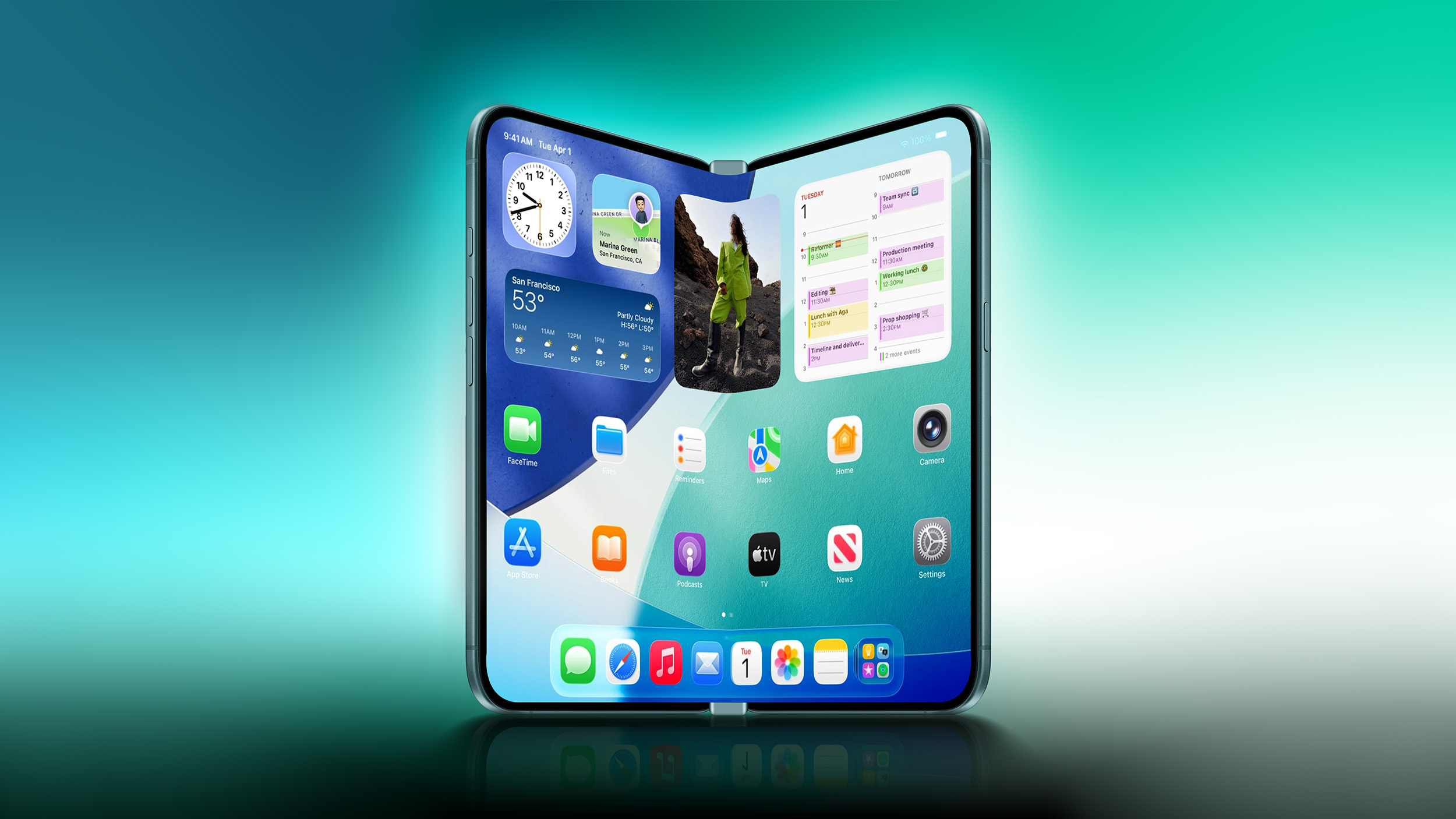
The Dawn of a New Era: A Design Revolution
The core of Gurman's assertion lies in the idea that the foldable iPhone introduces a "whole new design." To truly grasp the magnitude of this statement, it's helpful to look back at Apple's history of design breakthroughs and understand why a foldable represents a different class of innovation.
Beyond Iteration: A "Whole New Design"
Think back to the iPhone 4. It introduced a stunning glass-and-steel sandwich design, Retina display, and FaceTime, setting a new bar for premium smartphone aesthetics and display quality. The iPhone 6 brought larger screen sizes, responding to market demand and establishing the two-tier sizing strategy we see today. The iPhone X, perhaps the most recent radical shift, ditched the home button, introduced Face ID, and ushered in the era of edge-to-edge displays and the 'notch'. Each of these was a significant evolution, pushing the boundaries of what a smartphone could be within its existing form factor.
A foldable iPhone, however, is not an evolution; it's a revolution. It changes the fundamental way the device exists in three-dimensional space. Instead of a rigid, unchanging slab, we get a dynamic, adaptable canvas. This isn't just about making the phone bigger or smaller; it's about making it *both* at the same time. The ability to fold and unfold introduces an entirely new dimension of interaction, utility, and portability that traditional smartphones simply cannot offer. This requires unprecedented engineering prowess, from the hinge mechanism itself to the flexible display technology and the internal component layout.
The engineering challenges are immense. A foldable phone must withstand thousands, if not hundreds of thousands, of folds without failure. The hinge must be durable yet seamless, operating smoothly without feeling flimsy. The flexible display needs to be resilient, bright, and responsive, all while bending repeatedly. Apple, known for its meticulous attention to detail and uncompromising build quality, will undoubtedly bring its unique engineering philosophy to this challenge. This isn't just about assembling existing components; it's about inventing new ways to integrate complex moving parts and flexible electronics into a cohesive, user-friendly package. This pursuit of perfection in a novel form factor is what elevates the foldable iPhone's significance beyond any previous iPhone "overhaul." It’s an exploration into a new category of personal computing, demonstrating Apple's commitment to pushing the boundaries of what mobile devices can achieve.
Unfolding Possibilities: The Dual-Screen Experience
One of the most exciting aspects of a foldable iPhone is the promise of a truly versatile dual-screen experience. The rumors suggest a design akin to Samsung's Galaxy Z Fold 7, meaning it will open up like a book. This configuration offers distinct advantages, primarily providing users with a large inner screen for immersive activities and an outer display for quick interactions.
Immersive Visuals and Gaming
Imagine pulling out your phone, and with a flick of the wrist, it transforms into a tablet-sized display. This is the core appeal of the foldable iPhone. The rumored large inner screen, which we will discuss in detail shortly, is expected to provide a vastly superior canvas for consuming media. Watching videos, streaming movies, or catching up on your favorite series would take on a whole new dimension. The larger display area means less squinting, more detail, and a much more engaging visual experience, akin to holding a small iPad in your hands.
For mobile gamers, this is a game-changer. The expansive inner display would offer more screen real estate for intricate graphics, larger control interfaces, and a generally more comfortable and immersive gaming experience. Imagine playing graphically intensive titles with a field of view previously reserved for tablets or dedicated gaming devices. Beyond traditional gaming, the foldable design itself could open up new paradigms for interactive entertainment, allowing for unique control schemes where one half of the screen displays controls while the other shows the gameplay, or even split-screen multiplayer on a single device, something truly novel for a pocketable gadget.
Beyond entertainment, professionals and creatives could benefit from the enhanced visual workspace. Reviewing documents, editing photos, or even sketching ideas would be more productive and natural on a larger, high-resolution screen. The potential for more detailed content creation and consumption on the go is immense, catering to a wide range of users who demand more from their portable devices.
Productivity Redefined: Multitasking with iOS 27
The true power of a foldable device, particularly one from Apple, lies not just in its hardware but in its software integration. The reports indicate that iOS 27 is being optimized specifically for the foldable iPhone, promising iPad-like multitasking functionality. This is where the device truly shines as a productivity powerhouse.
The ability to open apps side-by-side fundamentally changes how you can work and manage your digital life. Envision having your email client open on one half of the screen while composing a document or referencing a webpage on the other. For students, this could mean taking notes while simultaneously watching a lecture or reviewing research material. For business users, it could involve participating in a video conference while accessing a presentation or spreadsheet. This seamless dual-app functionality, similar to Split View on the iPad, dramatically reduces the need to constantly switch between applications, improving workflow efficiency and reducing cognitive load.
Furthermore, the "iPad-like multitasking functionality" could extend beyond simple side-by-side apps. It might include features like Slide Over, allowing a smaller, floating app to temporarily sit atop another, or even enhanced drag-and-drop capabilities between applications running concurrently. Such advanced multitasking features, combined with the power of Apple's silicon, would position the foldable iPhone as a truly mobile workstation, capable of handling complex tasks that traditionally required a tablet or even a laptop.
For app developers, this opens up a new realm of possibilities for creating experiences tailored to the foldable form factor. Apps could dynamically reconfigure their interfaces when unfolded, offering more detailed views or additional controls. The ability to use the device in a partially folded "laptop mode" (where one screen acts as a display and the other potentially as a virtual keyboard or control surface) could further enhance productivity and creative applications. Apple's strict control over hardware and software integration means that these multitasking features are likely to be polished, intuitive, and performant, offering a superior experience compared to many existing foldable solutions on the market.
The Screens: Size, Form, and the Crease Conundrum
The display is arguably the most critical component of a foldable device, defining its utility and user experience. Apple's approach to the foldable iPhone's screens, both in size and technology, reveals its strategy for entering this complex market.
The Power of Two Displays: Inner and Outer
Recent reports have provided specific dimensions for the displays, stating that the foldable iPhone will be equipped with a 7.7-inch inner display and a 5.3-inch outer display. These sizes offer a compelling balance between portability and screen real estate.
- Outer Display (5.3 inches): This screen is crucial for quick interactions. At 5.3 inches, it's roughly the size of a modern "mini" iPhone or even slightly larger than some older standard models. This means users won't always need to unfold the device for common tasks. Checking notifications, making calls, sending quick replies to messages, glancing at widgets, or even taking selfies with the main cameras could all be easily managed on this compact, convenient display. This ensures that the device remains fully functional and practical even when folded, acting much like a traditional smartphone for everyday, rapid use cases. This design choice highlights Apple's understanding that users appreciate instant access without the need for an additional step.
- Inner Display (7.7 inches): This is where the magic happens. When unfolded, the device offers a generous 7.7-inch display. To put this in perspective, a standard iPhone Pro Max typically has a screen size around 6.7 inches, and a compact iPad mini comes in at 8.3 inches. The 7.7-inch inner display effectively bridges the gap, offering a significant increase in viewing area compared to a standard iPhone, making it ideal for the immersive media consumption and powerful multitasking discussed earlier. This size strikes an excellent balance, being large enough to genuinely enhance productivity and entertainment, yet still manageable enough not to feel cumbersome in tablet mode. It unlocks the potential for a truly converged experience, where the same device seamlessly transitions between a highly portable phone and a substantial tablet.
This dual-display strategy is about flexibility and choice, allowing the user to decide how much screen they need at any given moment. It’s a versatile solution that addresses both the desire for a large, expansive workspace and the practical need for a compact, single-handed device.
The Quest for Perfection: Addressing the Crease
One of the persistent challenges in foldable phone technology has been the visible crease or wrinkle where the screen folds. Early foldable devices often suffered from noticeable creases, impacting both aesthetics and tactile experience. Apple, renowned for its obsession with polish and seamless design, is expected to tackle this issue head-on.
Initial rumors surrounding Apple's foldable efforts suggested the device would feature a virtually "crease-free" inner display. This set a high bar, reflecting Apple's commitment to delivering a flawless user experience. However, later reports indicated a more realistic, albeit still impressive, outcome: Apple is said to be using technology that "reduces the crease without eliminating it entirely."
Why is the crease such a challenge? It stems from the inherent nature of flexible materials. When a screen bends, even ultra-thin glass or plastic, it creates a stress point. Engineering a hinge that allows for a tight fold without damaging the display, and simultaneously disperses the pressure evenly enough to make the crease imperceptible, requires incredibly sophisticated materials science and mechanical design. Competitors have explored various hinge designs, from U-shaped hinges that leave a small gap when folded (reducing crease visibility but increasing thickness) to teardrop hinges that allow the screen to curve more gently inside the device.
Apple's approach of "reducing the crease" suggests that while a microscopic line might still be discernible under certain lighting conditions or to a highly discerning eye, it will likely be far less prominent than what has been seen in earlier foldable generations. This implies a significant investment in advanced display materials, perhaps a more resilient ultra-thin glass or a sophisticated polymer, combined with a meticulously engineered hinge that allows the screen to fold with a larger radius or minimize tension at the fold point. For users, a reduced crease means a more uniform viewing experience, less visual distraction, and a more pleasant tactile interaction when swiping across the unfolded screen. It's a pragmatic yet ambitious goal that aligns with Apple's reputation for delivering products that feel refined and premium, even when incorporating cutting-edge, complex technologies.
Under the Hood: Cameras, Biometrics, and Apple's Approach
Beyond the revolutionary design and display, the internal components and user interaction methods of the foldable iPhone are also subject to careful consideration and strategic choices by Apple. Insights from respected analyst Ming-Chi Kuo shed light on these aspects.
Photography Reimagined: The Camera Setup
According to Apple supply chain analyst Ming-Chi Kuo, the foldable iPhone is expected to feature two rear cameras and one front camera. This configuration offers an interesting departure from the triple-lens setups seen on recent Pro iPhone models.
While some might interpret fewer lenses as a compromise, Apple's strength in computational photography means that sheer lens count doesn't always dictate image quality. The company has consistently demonstrated its ability to extract incredible results from its camera hardware through advanced software processing, neural engines, and sophisticated algorithms. It's highly probable that these two rear cameras would be a combination of a main wide-angle lens and an ultrawide or telephoto lens, offering versatility for different shooting scenarios, all enhanced by Apple's renowned image processing capabilities.
The single front camera, likely embedded within the outer display or in a small cutout, would serve for video calls and selfies when the device is folded. However, the unique design of a book-style foldable could open up novel photography experiences. Imagine using the more powerful rear cameras for high-quality selfies or video calls, with the outer display acting as a perfect viewfinder for the subject – a feature already seen in some existing foldable phones. This could lead to a significant upgrade in front-facing image quality, leveraging the superior rear camera optics. Furthermore, the ability to partially fold the device could enable new stable shooting angles or creative perspectives, making the foldable iPhone a truly innovative tool for mobile photographers and videographers.
Security and Convenience: Touch ID Over Face ID
Perhaps one of the most intriguing details from Ming-Chi Kuo is the expectation that the foldable iPhone will feature a Touch ID power button instead of Face ID. This would mark a significant shift, as Face ID has been the primary biometric authentication method for flagship iPhones since the iPhone X.
There are several plausible reasons why Apple might opt for Touch ID in a foldable iPhone:
- Space Constraints and Hinge Complexity: Integrating the sophisticated array of sensors required for Face ID (TrueDepth camera system) into a foldable device presents significant engineering challenges. The moving parts of the hinge and the need for a seamless, unbroken flexible display might make it difficult to position and reliably operate Face ID sensors without creating a larger notch or cutout, which Apple typically tries to minimize.
- Form Factor Adaptability: A power button-integrated Touch ID sensor is a highly reliable and convenient authentication method that works well in both folded and unfolded states. Regardless of how the device is held or positioned, the side-mounted power button is easily accessible. This provides consistent user experience in a device that changes its form factor.
- Cost Efficiency: While Apple is not known for compromising on cost, integrating new cutting-edge foldable display technology while simultaneously maintaining the complexity of Face ID could drive costs even higher. A Touch ID power button is a proven, robust, and potentially more cost-effective solution for biometric authentication in this new form factor.
- User Preference: Some users still prefer Touch ID for its speed and convenience, particularly when wearing masks or when the phone is resting on a surface. Reintroducing Touch ID, even if alongside Face ID on other models, could appeal to a segment of the user base.
If this rumor holds true, it would demonstrate Apple's pragmatic approach to pioneering new form factors, prioritizing functionality and user experience over simply porting existing features. The integration of Touch ID into the power button is a solution Apple has successfully implemented on iPads and the iPhone SE, proving its efficacy and user acceptance. This choice would ensure swift and secure access to the device, complementing its innovative design and advanced capabilities.
The Road to Release: Launch, Availability, and Anticipation
The launch of a groundbreaking device like the foldable iPhone is always accompanied by intense speculation regarding its unveiling, shipping timeline, and, of course, its price. Analysts have provided some intriguing predictions that paint a picture of how Apple might introduce this monumental product to the world.
Unveiling and Shipping: A Nuanced Rollout
The general consensus points towards a potential unveiling of the foldable iPhone in September this year, a traditional timeframe for Apple's annual iPhone events. It's expected to be revealed alongside the eagerly anticipated iPhone 18 Pro and iPhone 18 Pro Max models. This simultaneous unveiling would undeniably create a massive buzz, positioning the foldable iPhone as the pinnacle of Apple's smartphone innovation for the year.
However, what follows the unveiling might deviate from the usual pattern. According to analyst Tim Long and Gurman himself, the foldable iPhone might ship later than the standard Pro models. This staggered release strategy is not uncommon for Apple when introducing entirely new product categories or highly complex technologies.
There are several compelling reasons for a delayed shipping timeline for the foldable iPhone:
- Supply Chain Complexities: Manufacturing a foldable device is significantly more intricate than producing a traditional smartphone. The specialized flexible display panels, the complex hinge mechanism, and the unique internal component layout require highly specialized production lines and meticulous quality control. Ramping up production to meet global demand for such a cutting-edge device is a monumental task. A later shipping date could provide Apple and its suppliers with additional time to perfect the manufacturing process, ensure sufficient stock, and address any unforeseen production hurdles.
- Strategic Market Introduction: A staggered launch could also be a deliberate marketing strategy. By first releasing the iPhone 18 Pro models, Apple can satisfy the demand for its traditional flagships. The foldable iPhone, then arriving slightly later, could command its own dedicated spotlight, maintaining hype and allowing for a more controlled market introduction. This approach also allows Apple to fine-tune software and address any last-minute issues that might arise during initial production runs, ensuring a polished user experience from day one.
- Limited Initial Availability: Given the cutting-edge nature and probable high cost of the foldable iPhone, it's likely to be a niche premium product, at least initially. A later shipping date could indicate that initial stock will be limited, targeting specific markets or early adopters first.
Regardless of the exact timing, the sheer anticipation surrounding Apple's entry into the foldable market means that both the unveiling and the eventual shipping will be closely watched events, marking a new chapter in smartphone history.
The Premium Price Tag: Is it Worth It?
Innovation, especially at Apple's level, often comes with a premium price. In the U.S., it has been estimated that the foldable iPhone may start at or above $1,999. This price point places it firmly in the ultra-premium segment of the smartphone market, even higher than the most expensive current iPhone Pro Max models.
To understand this price, it's essential to consider the economics of foldable technology:
- Research and Development: Apple has invested billions in R&D over several years to develop its own flexible display technology, hinge mechanisms, and software optimizations. These costs are naturally reflected in the final product price.
- Specialized Components: Flexible OLED displays, ultra-thin glass, advanced hinge alloys, and bespoke internal layouts are significantly more expensive to produce than their traditional rigid counterparts. Yield rates for these cutting-edge components can also be lower initially, further driving up costs.
- Apple's Premium Positioning: Apple has historically positioned its flagship devices at the higher end of the market, reflecting its brand value, ecosystem, and perceived quality. A revolutionary product like a foldable iPhone would naturally sit at the apex of its pricing structure.
Comparing this price to existing foldable phones on the market, such as Samsung's Galaxy Z Fold series which often starts in a similar range, suggests that Apple's pricing is competitive within the niche foldable segment. For consumers, the question will be: what value does this $2,000+ device offer?
The value proposition lies in the convergence of multiple devices into one. For those who juggle a premium smartphone and a tablet, the foldable iPhone could potentially replace both, offering the ultimate portable computing experience. It promises unparalleled versatility, a truly immersive display for entertainment, and robust multitasking capabilities for productivity. For early adopters, tech enthusiasts, and professionals who demand the absolute best and can leverage its unique features, the price tag might be justified by the groundbreaking technology, Apple's seamless ecosystem integration, and the promise of a device that redefines mobile interaction. It represents an investment not just in a phone, but in a glimpse of the future of personal technology.
The Apple Ecosystem and the Foldable Future
Apple's strength has always been its meticulously crafted ecosystem, where hardware, software, and services work in seamless harmony. The introduction of a foldable iPhone will not only impact the smartphone market but also deepen and expand the capabilities of this interconnected world.
Seamless Integration
A foldable iPhone, despite its unique form factor, will undoubtedly integrate flawlessly into the existing Apple ecosystem. Features like Handoff, Universal Clipboard, and Continuity Camera, which allow for smooth transitions between iPhone, iPad, and Mac, will find new levels of utility on a device that can switch between a phone and a tablet experience. Imagine starting an email on the outer display, unfolding the phone to finish it on the larger screen with a physical keyboard (perhaps an accessory), and then seamlessly sending it from your Mac. Or taking a call on your Apple Watch, continuing it on your folded iPhone, and then using the expansive inner display for a FaceTime video conference.
The larger inner display will also enhance the consumption of Apple's services. Apple Arcade games will look more stunning, Apple TV+ content will be more cinematic, and Apple Books will feel more like reading a physical book. The potential for augmented reality applications, already a strong suit for Apple, could also be elevated, as the larger screen provides a broader window into virtual worlds and interactive experiences. This device isn't just a phone; it's a dynamic gateway to the full breadth of Apple's digital offerings.
Impact on the Smartphone Market
Apple's entry into any new product category tends to validate it and accelerate innovation across the entire industry. The foldable iPhone is expected to have a similar effect on the nascent foldable market. For years, companies like Samsung have been iterating on foldable designs, proving their viability. However, Apple's unique blend of design prowess, software optimization, and massive brand influence will undoubtedly bring foldables into the mainstream consciousness.
When Apple enters, competitors are forced to innovate further. This could lead to a rapid acceleration in flexible display technology, hinge durability, and software optimization from other manufacturers. We might see an increased focus on crease reduction, better multitasking experiences, and more refined designs from rivals. Apple's involvement could also drive down the cost of foldable components over time, eventually making the technology more accessible to a wider audience.
Moreover, the foldable iPhone could influence design trends across the entire smartphone industry. If successful, it might usher in an era where dynamic form factors become the norm, pushing traditional slab phones into a more budget-friendly or niche category. It signals a future where phones are not just communication devices but truly adaptive personal computers that fit in your pocket.
Conclusion: The Future Unfolds
Mark Gurman's declaration that Apple's first foldable iPhone will be "the most significant overhaul in the iPhone's history" is not merely hyperbole; it reflects a profound shift in design and user interaction. This is more than just a new feature or a bigger screen; it's a fundamentally different way of experiencing a mobile device, bridging the gap between a smartphone and a tablet in a truly personal and adaptable form factor.
From its book-like opening design and dual displays (a 7.7-inch inner screen for immersive content and a 5.3-inch outer for quick tasks) to the promise of iPad-like multitasking with iOS 27, the foldable iPhone represents a bold leap. While challenges like the "crease conundrum" are being meticulously addressed by Apple's engineering prowess, the device is poised to offer a premium, polished experience.
The anticipated camera setup, combined with Apple's computational photography, will likely deliver stunning results, while the rumored Touch ID power button signifies a thoughtful approach to security and convenience within this new design. The high price tag, estimated at $1,999 or more, reflects the cutting-edge technology and extensive research and development invested, positioning it as a premium device for those who demand the pinnacle of mobile innovation.
As we eagerly await the rumored September unveiling, potentially followed by a slightly later shipping date, the excitement is palpable. Apple's entry into the foldable market is not just about a new product for its loyal customers; it's a statement that the future of mobile technology is dynamic, adaptable, and ready to unfold. This device has the potential to redefine our expectations of what a smartphone can be, setting new standards for versatility, productivity, and immersive experience within the powerful Apple ecosystem.
The journey of the iPhone, from its revolutionary introduction to its current sophisticated state, has been one of continuous evolution. With the foldable iPhone, Apple isn't just evolving; it's reinventing. The most significant overhaul is indeed upon us, and the tech world waits with bated breath to see the future unfold.

This article, "Apple Preparing 'Most Significant Overhaul in the iPhone's History'" first appeared on MacRumors.com
Discuss this article in our forums
from MacRumors
-via DynaSage
