
Apple Considered Adding a Camera to the HomePod Years Ago
Apple's Vision for Smart Homes: A Deep Dive into the Past, Present, and Future of HomePod with Cameras and AI
Imagine a smart speaker that not only fills your room with incredible sound but also intelligently recognizes you, manages your home security, and even assists with daily tasks through a friendly, interactive display. While this might sound like a futuristic dream, it’s a vision Apple has quietly explored for years, long before the rumored "HomePad" device started making headlines. Recent reports from Bloomberg’s reliable Mark Gurman shed light on Apple's ambitious past considerations, revealing that the tech giant seriously contemplated launching its original HomePod with a camera and an array of advanced sensors.
This revelation offers a fascinating glimpse into Apple's internal deliberations and strategic shifts in the burgeoning smart home market. It highlights a recurring theme in technological innovation: ideas often brew for years, sometimes shelved due to market conditions or cost constraints, only to resurface when the timing is finally right. For Apple, the journey into the smart home has been a complex one, marked by both pioneering efforts and moments of cautious retreat. Understanding this history is key to appreciating the potential impact of its upcoming smart home initiatives.
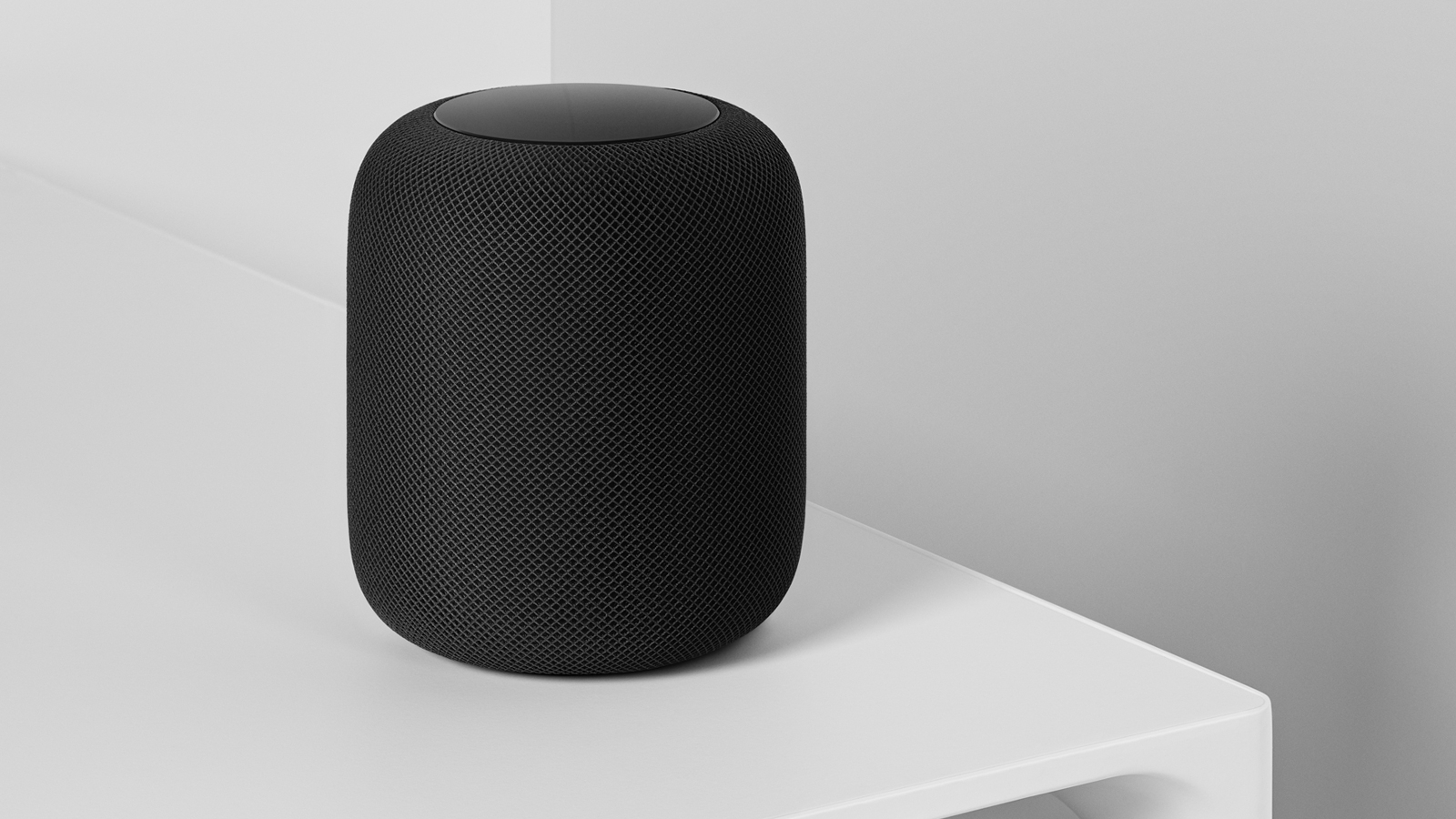
The Original HomePod: A Bold Audio Statement with Missed Opportunities?
When Apple first announced the HomePod in 2017, it was clear that the company was entering the smart speaker arena with a distinct philosophy. While competitors like Amazon with its Echo and Google with its Home devices were emphasizing voice assistants and broad smart home integration, Apple prioritized premium audio quality. The original HomePod was designed from the ground up to be an audiophile's smart speaker, boasting incredible sound reproduction, spatial awareness, and a sophisticated array of microphones for far-field Siri interaction. It was, undeniably, a marvel of audio engineering.
However, what Gurman's detailed profile of Apple's hardware engineering chief, John Ternus, now reveals is that the HomePod could have been much more. Internally, Apple explored equipping this first-generation device with a camera and a more advanced set of sensors. These additions would have transformed the HomePod from primarily an audio device into a more versatile smart home hub, capable of visual interactions, enhanced security features, and perhaps even rudimentary gesture controls.
John Ternus's Pivotal Decision
The decision to ultimately omit these features reportedly lay with John Ternus. At the time, Ternus, a respected figure within Apple known for his pragmatic approach to hardware development, believed that integrating a camera and a sophisticated sensor array would significantly drive up the development costs. This wasn't merely about adding components; it involved complex software integration, privacy considerations, and ensuring a seamless user experience for entirely new functionalities. In an emerging product category where Apple was already aiming for a premium price point, Ternus seemingly decided to rein in the scope to focus on the core audio experience and keep the product viable.
This decision, while understandable from a cost-benefit perspective at the time, also highlights the intense pressure and strategic trade-offs involved in bringing new products to market. Apple often strives for perfection, and introducing a camera and advanced sensors would have opened a Pandora's box of privacy concerns, user interface challenges, and performance expectations that might have delayed the HomePod's launch or inflated its price beyond what the market was ready to accept for a first-generation product in an evolving category.
Acknowledging a Lag: Apple's Smart Home Journey
Ternus's caution extended beyond the HomePod's initial feature set. It is reported that he was initially reluctant to invest deeply in smart home devices when Amazon and Google were making significant inroads with their first leading products. While Apple had its HomeKit framework for smart home accessory control, it lacked a compelling first-party hub that could compete directly with the Echo or Google Home in terms of pervasive smart home presence and voice interaction.
This conservative approach, in hindsight, led to Apple "falling behind" in the smart home category. Ternus himself has reportedly taken "some responsibility" for this strategic lag. Amazon and Google leveraged their early advantage to create vast ecosystems of devices and services, establishing a strong foothold in millions of homes worldwide. Apple, with its premium pricing and a more controlled, privacy-centric ecosystem, struggled to gain similar market share, despite the quality of its individual products like the HomePod and the reliability of HomeKit.
The original HomePod, despite its audio prowess, faced challenges. Its high price tag ($349 at launch), limited third-party app support, and a Siri that was less versatile than its competitors for general knowledge queries, contributed to its slower adoption. Apple eventually discontinued the original HomePod in 2021, shifting its focus to the more affordable and popular HomePod mini, which still maintained excellent audio for its size and integrated more deeply with HomeKit, acting as a Thread border router.
The Resurgence: Ternus Leads Apple's Smart Home Reboot
Fast forward to today, and the landscape has dramatically shifted. John Ternus is now leading Apple's renewed efforts to re-establish itself as a major player in the smart home market. This time, the approach seems far more aggressive and ambitious, embracing many of the advanced features that were once considered too costly or complex for the original HomePod. Apple is reportedly developing three significant new products that aim to redefine its smart home strategy, moving beyond just audio and into deeper, more intelligent home integration.
These new devices include:
-
An AI-powered smart home hub with facial recognition (codenamed J490): This is the most anticipated device, often dubbed "HomePad" in reports. It's expected to combine the functionalities of a smart speaker, a display, and a powerful AI engine, complete with advanced sensors and a camera for facial recognition. This hub would serve as the central brain for Apple's future smart home, offering personalized experiences, enhanced security, and intuitive interactions. The rumored launch for this device is in the fall of 2026.
-
A small sensor for managing home security (J450): This device suggests a more focused approach to home monitoring, likely designed to complement the main hub. Such a sensor could detect motion, open/closed states, or even environmental factors, feeding data back to the central hub for security alerts or automated actions.
-
A robotic device (J595): This is perhaps the most intriguing and speculative of the rumored products. A robotic device could open up entirely new paradigms for smart home interaction, from mobile assistants that follow you around the house to advanced cleaning or monitoring bots. While details are scarce, it signifies Apple's willingness to explore innovative form factors and functionalities to push the boundaries of what a smart home can be.
These rumored products represent a comprehensive strategy, not just incremental updates. They indicate a move towards a more integrated, intelligent, and proactive smart home ecosystem powered by Apple's distinctive blend of hardware, software, and services.
Why Now? The Convergence of Technology and Market Readiness
The question naturally arises: why is Apple embracing these advanced features now, after shying away from them years ago? Several factors contribute to this shift:
1. Advancements in AI and Machine Learning
The capabilities of artificial intelligence have exploded in recent years. On-device machine learning, more powerful and efficient processors, and sophisticated algorithms make features like facial recognition and personalized interactions far more robust and reliable than they were in 2017. Apple has heavily invested in AI across its product lines, and bringing this intelligence to the smart home is a logical next step.
2. Maturation of the Smart Home Market
The smart home market itself has matured significantly. Consumers are now more familiar with smart speakers, smart displays, and connected devices. The initial novelty has worn off, and users are looking for deeper integration, greater automation, and more intelligent assistance. The market is ready for more sophisticated solutions that go beyond simple voice commands.
3. Enhanced Privacy Technologies
Apple has always championed user privacy as a core differentiator. While a camera in the home raises privacy concerns, Apple has also developed robust on-device processing capabilities and privacy-preserving technologies. Features like HomeKit Secure Video already process video locally and encrypt it end-to-end. Applying similar principles to facial recognition and other sensor data could allow Apple to offer advanced features while maintaining its commitment to user privacy, a critical advantage over competitors.
4. Ecosystem Integration
Apple's ecosystem has become incredibly powerful. With iPhones, iPads, Apple Watches, Apple TVs, and a suite of services, a deeply integrated smart home hub can offer unparalleled continuity. Facial recognition could tie into Apple ID, personalized settings, Family Sharing, and even health data, creating a truly personal and secure smart home experience.
5. Catching Up and Leading
After acknowledging falling behind, Apple is clearly aiming not just to catch up but to leapfrog competitors. By integrating AI, cameras, advanced sensors, and potentially even robotics, Apple is positioning itself to define the next generation of smart home devices, rather than simply reacting to market trends.
The "HomePad" and its Potential Impact
The rumored "HomePad" (J490) with its camera and facial recognition capabilities could be a game-changer. Imagine walking into your home, and the device instantly recognizes you, greeting you by name, displaying personalized widgets (your calendar, messages, health data), and adjusting settings (lighting, temperature, music) according to your preferences, all without a single voice command.
Beyond Recognition: Practical Applications
-
Personalized Experiences: Different family members could have their own profiles, triggering specific playlists, news briefings, or smart home scenes upon recognition. This moves beyond generic voice commands to truly intuitive, ambient intelligence.
-
Enhanced Security: Facial recognition could serve as a core component of home security. It could differentiate residents from strangers, triggering alerts for unrecognized faces or automatically disarming security systems for family members. Combined with the rumored J450 security sensor, this offers a formidable security solution.
-
Seamless Communication: A built-in camera could enable effortless video calls with family and friends directly from the smart hub. Imagine FaceTime calls on a larger display, anchored in a central location in your home, allowing for more natural, hands-free interactions.
-
Contextual Assistance: The camera could help the AI understand context. If you're cooking, it might suggest recipes or timers. If you're relaxing, it might offer mood-setting music or dim the lights. It could even monitor activity levels for elderly residents (with their consent) to provide peace of mind for family members.
-
Gesture Control: While speculative, a camera could also open the door to advanced gesture controls, allowing users to interact with the device without touching it or using voice commands, offering another layer of intuitive control.
The Robotic Frontier (J595)
The mention of a robotic device (J595) is perhaps the most intriguing, hinting at Apple's long-term vision. While specifics are non-existent, a robotic element could transform how we interact with our homes:
-
Mobile Assistants: A robot that can move around the house could bring the smart assistant to you, rather than you having to be near a fixed speaker. It could follow you from room to room, delivering notifications, playing music, or even carrying small items.
-
Advanced Monitoring: A mobile robot equipped with cameras and sensors could perform security patrols, monitor air quality in different rooms, or even check on pets while you're away.
-
Assisted Living: For elderly or disabled individuals, a robotic assistant could provide invaluable support, from reminding them about medication to helping them connect with caregivers.
Such a device would push the boundaries of privacy and autonomy, and Apple would undoubtedly need to address these concerns with its characteristic emphasis on user control and transparency.
Privacy: Apple's Enduring Challenge and Opportunity
The elephant in the room with cameras and microphones in the home is always privacy. This is where Apple's long-standing commitment to user privacy becomes not just a feature, but a crucial competitive advantage. While other companies have faced scrutiny over data collection and security, Apple has built a reputation for designing products and services with privacy at their core.
For the "HomePad" and related devices, Apple would likely implement several key privacy measures:
-
On-Device Processing: Facial recognition and other sensitive data processing would ideally happen directly on the device, rather than being sent to cloud servers. This minimizes the risk of data breaches and ensures user data remains private.
-
Clear Indicators: A physical shutter or a clear LED indicator would be essential to signal when the camera and microphone are active, providing users with transparency and control.
-
User Consent: Opt-in mechanisms for data collection and sharing, along with granular controls, would empower users to decide how their personal information is used.
-
End-to-End Encryption: Any data that needs to be sent to the cloud (e.g., for HomeKit Secure Video) would be protected with end-to-end encryption, ensuring only the user can access it.
By effectively addressing these privacy concerns, Apple could build trust and differentiate its smart home offerings in a crowded market, appealing to users who prioritize security and data protection.
The Broader Apple Smart Home Ecosystem: HomeKit, Thread, and Matter
Apple's renewed smart home push isn't just about new hardware; it's also about strengthening its underlying ecosystem. HomeKit, Apple's framework for controlling smart home accessories, has steadily improved over the years. With the introduction of Thread support (via the HomePod mini and Apple TV 4K) and its strong involvement in the Matter standard, Apple is positioning itself for seamless interoperability.
-
HomeKit: Provides a secure and private way to control smart home devices using the Home app, Siri, and automation. New devices like the "HomePad" would act as powerful HomeKit hubs.
-
Thread: A low-power, mesh networking protocol designed for smart home devices, offering greater reliability and range than Wi-Fi or Bluetooth for smaller accessories. Apple's Thread-enabled devices act as border routers, connecting Thread networks to the wider internet.
-
Matter: A new industry-unifying standard that aims to simplify smart home setup and improve compatibility across different brands and ecosystems. Apple is a founding member of the Connectivity Standards Alliance, which developed Matter. This commitment ensures that Apple's new devices will integrate seamlessly with a vast array of Matter-enabled accessories, reducing user frustration and fragmentation.
This commitment to open standards and robust, secure protocols underscores Apple's serious intent to become a central figure in the smart home, making its ecosystem more accessible and user-friendly than ever before.
Looking Ahead: The Future of Ambient Computing
The journey from a camera-less HomePod to a camera-equipped, AI-powered "HomePad" and potentially even a robotic assistant illustrates Apple's evolving vision for ambient computing. It’s a shift from devices that require explicit interaction to a future where technology fades into the background, anticipating our needs and supporting us seamlessly throughout our daily lives.
John Ternus's current leadership in this space signifies a pivotal moment. His earlier caution gave way to a renewed, aggressive strategy, likely fueled by advancements in AI, stronger ecosystem foundations, and a clearer understanding of consumer desires. The past lessons, where Apple acknowledges falling behind, are now driving a future where it aims to lead.
As we approach the rumored fall 2026 launch of the "HomePad" and anticipate further details on the J450 sensor and the mysterious J595 robotic device, the smart home landscape is poised for significant disruption. Apple, with its unique blend of design, privacy, and ecosystem integration, has the potential to redefine what a truly intelligent, intuitive, and personal home experience can be. The camera-equipped HomePod that was once shelved might just be the blueprint for Apple's next big leap into our homes, making them smarter, safer, and more connected than ever before.
This article, "Apple Considered Adding a Camera to the HomePod Years Ago" first appeared on MacRumors.com
Discuss this article in our forums
from MacRumors
-via DynaSage
