
Analyst: Foldable iPhone Likely to Ship in December, iPhone 18 Plus is Possible Next Year
Unpacking Apple's Future: Foldable iPhones, Shifting Launch Dates, and a Surprising iPhone 18 Plus Rumor
The world of Apple is constantly buzzing with anticipation, and nothing sparks more excitement than whispers about upcoming iPhones. While official announcements are usually months away, a recent research note from a respected industry analyst has thrown several intriguing possibilities into the mix, suggesting a significant shake-up in Apple's product launch strategy and the introduction of groundbreaking new devices. These aren't just minor tweaks; we're talking about a potentially game-changing foldable iPhone and a revised approach to how Apple introduces its flagship smartphones.
Tim Long, a seasoned Apple analyst at investment bank Barclays, recently shared insights from his extensive network of supply chain sources. His findings suggest that Apple might be preparing for a more staggered launch schedule than we're used to, along with some unexpected additions to its lineup. This kind of intelligence, gathered from the companies that manufacture components for Apple, often provides an early peek into the company's future plans, though it's always wise to approach such rumors with a degree of healthy skepticism until official confirmation arrives.
A Shift in the iPhone Launch Calendar: iPhone 18 Base Model in March?
For years, Apple enthusiasts have circled September on their calendars. This month has traditionally been the stage for the grand unveiling of the latest iPhone models, a ritual that has defined the smartphone industry's annual cycle. However, Tim Long's report introduces a radical departure from this established pattern. He indicates that the standard iPhone 18 base model might be announced in March of next year, rather than following its Pro counterparts in September of this year.
This idea of a "split launch" isn't entirely new; it's a concept that has been circulating among tech reporters and industry observers for several months now. Multiple sources have hinted at Apple exploring different launch strategies, possibly to manage its vast supply chain more effectively, create sustained market interest throughout the year, or cater to varying consumer demands at different times. If the base iPhone 18 indeed launches in March, it would mean the higher-end iPhone 18 Pro and iPhone 18 Pro Max models would likely still debut in their traditional September slot this year. This approach could allow Apple to spotlight its premium Pro models first, capturing the high-end market, and then follow up with the more accessible base model several months later, maintaining momentum and offering consumers choices across different price points over a longer period.
A staggered launch could also provide strategic benefits. By separating the launches, Apple might reduce the intense pressure on its manufacturing partners to produce a massive volume of all new models simultaneously. This could lead to smoother production, fewer initial stock shortages, and a more controlled rollout. Furthermore, it allows the Pro models to dominate the crucial holiday shopping season, while the base model could rejuvenate sales in the typically quieter first quarter of the year. This strategy aligns with a broader industry trend where manufacturers are looking for new ways to keep their product lines fresh and relevant beyond a single annual event. It underscores Apple's continuous effort to innovate not just in product design and features, but also in its market penetration and release cycle management.
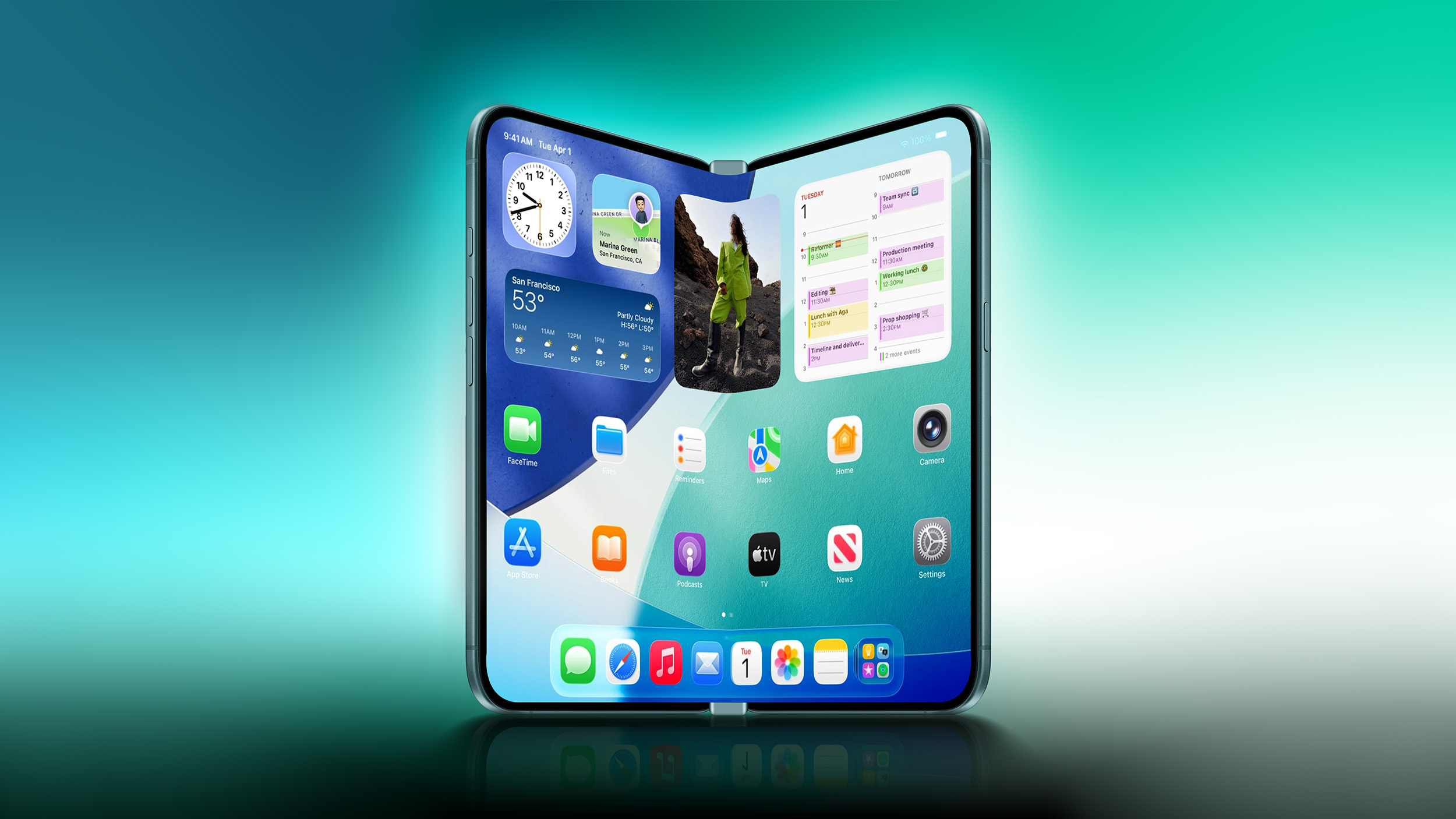
The Highly Anticipated Foldable iPhone: Arriving This December?
Beyond the shifted launch of the standard iPhone 18, Tim Long's report offered an even more captivating detail: the highly rumored foldable iPhone might finally be on its way, with shipments expected to begin as early as December this year. This is a monumental piece of information, as a foldable iPhone has been a subject of intense speculation and desire among tech enthusiasts for years. While competitors like Samsung, Google, and Huawei have already launched several generations of foldable devices, Apple has conspicuously held back, presumably perfecting its design and ensuring a robust user experience before entering this complex market segment.
The timing of this rumored launch is particularly interesting. A December release would place the foldable iPhone a few months after the expected September debut of the iPhone 18 Pro and iPhone 18 Pro Max. This strategy mirrors a significant historical precedent from Apple's past: the 2017 launch of the iPhone X. In that year, Apple released the incremental updates of the iPhone 8 and iPhone 8 Plus in September, reserving the revolutionary, all-new iPhone X for a later November launch. The iPhone X, with its edge-to-edge display and Face ID technology, represented a major leap forward and was treated as a separate, premium event. By adopting a similar staggered approach for the foldable iPhone, Apple would be signaling that this device is not just another iteration, but a truly transformative product deserving of its own spotlight and a distinct market introduction.
Imagine the possibilities: a larger screen for productivity, immersive media consumption, and unique multitasking capabilities, all while retaining the portability of a traditional smartphone. Apple's entry into the foldable market would undoubtedly bring its signature focus on premium build quality, seamless software integration, and a meticulously crafted user interface. This could set new benchmarks for durability and performance in the foldable category, addressing some of the concerns that early foldable adopters have faced. The potential impact on the industry would be immense, as Apple's endorsement of the foldable form factor could significantly accelerate its mainstream adoption. A December launch would also place it perfectly for the peak holiday shopping season, making it a highly desirable, cutting-edge gift. This move demonstrates Apple's strategy of not rushing into new categories but rather entering with a polished, highly differentiated product that aims to redefine the segment.
The March 2027 Lineup: iPhone 18e and the Return of the Plus?
Long's report didn't stop at just the foldable iPhone and the base model's shifted launch. He also provided details about what could accompany the iPhone 18 base model in its March next year launch. According to his sources, Apple plans to release two other devices alongside it: a lower-end iPhone 18e and either an iPhone 18 Plus or an iPhone Air 2. This specific detail has sparked considerable debate and speculation, particularly the mention of an iPhone 18 Plus, a model we haven't heard rumored elsewhere.
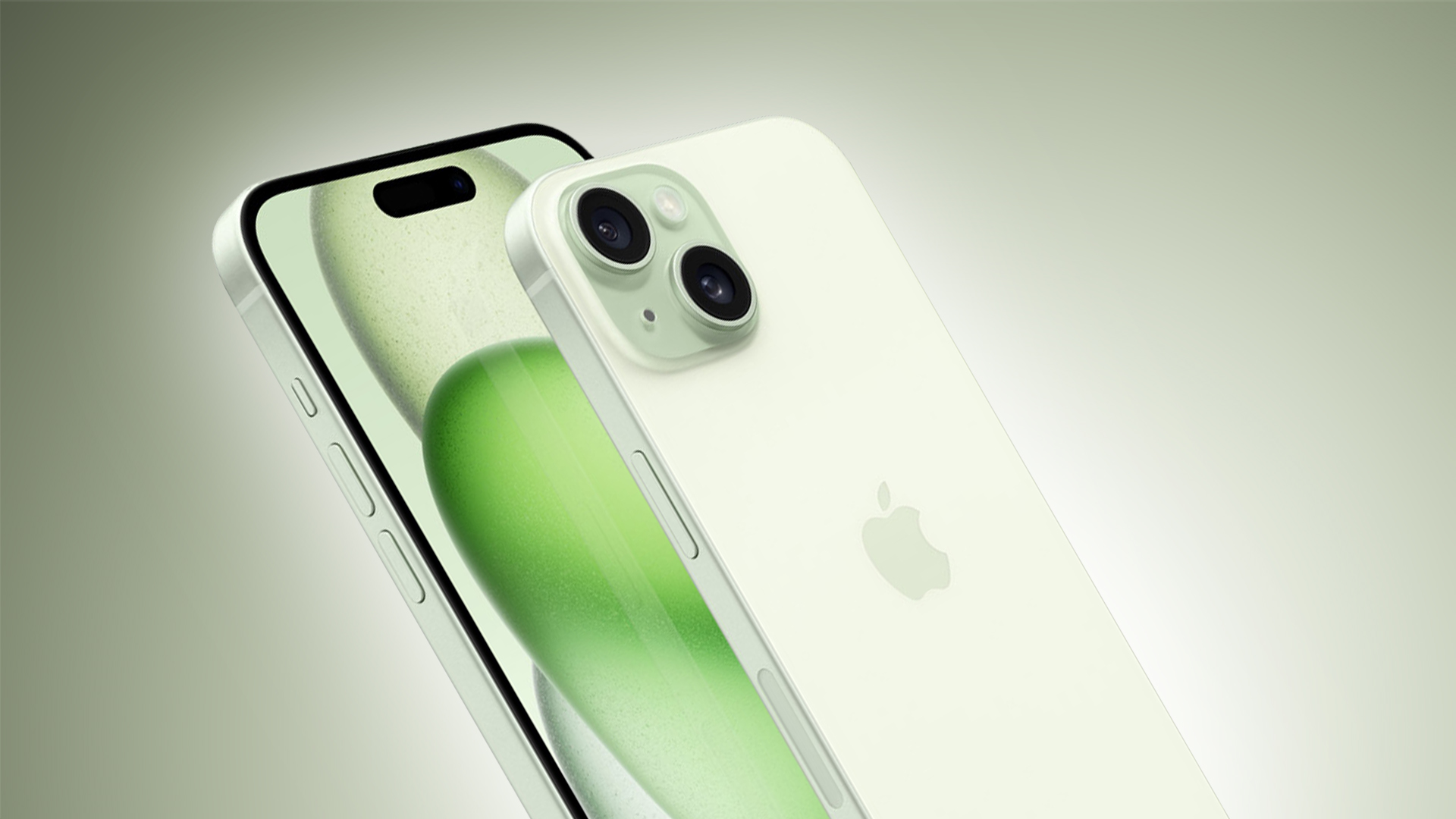
The iPhone 18e: A New Entry-Level Contender?
The possibility of an iPhone 18e suggests Apple might be looking to further diversify its entry-level offerings. The "e" designation is new and could indicate a device that sits below the standard iPhone in terms of price, perhaps offering a slightly stripped-down feature set or targeting emerging markets where price sensitivity is higher. This could be Apple's answer to capturing a broader demographic or potentially a spiritual successor to the iPhone SE line, albeit with a more modern design approach. A lower-cost iPhone could significantly expand Apple's market share, making the iOS ecosystem more accessible to a wider range of consumers who might find the flagship models too expensive.
The Plus vs. Air Dilemma: Apple's Shifting Mid-Range Strategy
The most intriguing part of Long's March lineup prediction is the choice between an iPhone 18 Plus and an iPhone Air 2. This touches upon a recent strategic pivot by Apple regarding its larger, non-Pro iPhone models, and opens up questions about which direction the company truly intends to take.
A Brief History of the 'Plus' Models
Apple previously offered the 'Plus' designation for larger-screen versions of its standard iPhones. We saw the iPhone 14 Plus, iPhone 15 Plus, and iPhone 16 Plus. These models were designed for users who wanted a bigger display and often a longer battery life, without needing all the advanced features or the higher price tag of the 'Pro Max' series. The 'Plus' line typically shared most specifications with the regular base model, differing primarily in physical size and battery capacity.
The Advent of the 'Air'
However, last year, Apple changed course. Instead of an iPhone 17 Plus, the company opted to release the iPhone Air. The 'Air' branding, historically associated with lighter, thinner, and often more portable versions of Apple's laptops and iPads, suggested a new design philosophy for this particular iPhone. While details on the exact differentiation of the iPhone Air from its predecessor or its base counterpart might vary, the name itself implied a focus on sleekness and possibly a new aesthetic direction for the mid-range large-screen iPhone.
The Unpopularity Problem: Plus and Air Sales
Apple, famously, does not publicly break down its iPhone sales on a model-by-model basis. However, various reputable market research firms and industry reports have consistently indicated that both the 'Plus' and 'Air' models have struggled to gain significant traction relative to other iPhone models over the years. This underperformance could be attributed to several factors:
- Competition from Pro Models: Many users seeking a larger screen and premium features might simply opt for the Pro Max models, which offer superior cameras, faster processors, and more advanced displays for a comparatively higher, but often perceived as worthwhile, price.
- Lack of Clear Differentiation: The 'Plus' models, while larger, often didn't offer compelling enough unique features compared to the standard iPhone to justify their existence in the eyes of some consumers. The 'Air' might have faced similar challenges in carving out its own niche.
- Market Saturation: The overall smartphone market is incredibly competitive, and consumers are discerning. If a model doesn't offer a distinct advantage or a clear value proposition, it can struggle to find its audience.
The iPhone 18 Plus: A Return from the Unlikely?
Given the narrative around the underperformance of the 'Plus' line and the introduction of the 'Air,' Tim Long's mention of a possible iPhone 18 Plus is genuinely notable. It's the first time we've heard this specific claim, and it raises a critical question: is this a genuine piece of insider information from his supply chain contacts, or is he "spitballing" – essentially speculating based on past trends or internal discussions?
There have been multiple, more consistent reports about a revamped iPhone Air being in the works for next year. These rumors suggest Apple is likely to continue refining the 'Air' concept, perhaps addressing some of the shortcomings of the first generation. This makes the return of an iPhone 18 Plus seem quite unlikely for now, as it would imply Apple abandoning its new 'Air' strategy after just one generation and reverting to a branding that, by many accounts, didn't achieve its desired success.
Why Would an iPhone 18 Plus Make a Comeback?
Despite the prevailing skepticism, one could argue for a hypothetical scenario where an iPhone 18 Plus might return:
- 'Air' Performance Was Worse: If the iPhone Air sold even worse than its 'Plus' predecessors, Apple might consider the 'Air' experiment a failure and revert to the more familiar 'Plus' branding. Sometimes, a known quantity, even if it underperformed, is preferable to a new concept that performs even less successfully.
- The 'Air' as a One-Off Experiment: It's possible that the iPhone Air was indeed a single-generation experiment, a way for Apple to test new design ideas or market positioning. If the results weren't satisfactory, moving back to a 'Plus' model, or an entirely new strategy, wouldn't be out of the question.
- Market Segment Clarity: Apple might find that the 'Plus' name, despite its sales history, more clearly communicates "larger version of the base iPhone" to consumers than the "Air" branding, which might have caused confusion or diluted its value proposition.
However, if an iPhone 18 Plus were truly coming next March, it's highly probable that we would have heard more widespread rumors about it by now. The lack of corroborating leaks from other sources significantly reduces the credibility of this particular claim, at least for the moment. Apple's product development cycle is usually a well-guarded secret, but information tends to leak through various channels, and a significant change like bringing back the 'Plus' would likely surface more broadly.
Understanding Analyst Reports and Embracing Skepticism
It's crucial to understand how analyst reports, especially those from investment banks like Barclays, come to be. Analysts like Tim Long spend considerable time building relationships with sources throughout Apple's vast supply chain – from component manufacturers to assembly plants. They conduct extensive interviews, gather intelligence on production schedules, material orders, and technological roadmaps. This privileged access often grants them an early, albeit sometimes fragmented, view of Apple's future plans. Their insights are highly valued by investors who seek to understand potential sales volumes, product cycles, and overall market strategies.
However, these reports are not official announcements, and their details can be fluid and subject to change. Supply chain information can be misinterpreted, plans can evolve, and Apple itself is known for last-minute alterations to its product lineup. What an analyst hears today might be an early-stage consideration that never reaches the final product, or it could be a small part of a larger, more complex strategy. Therefore, while these claims are fascinating and provide a glimpse into potential futures, it's always wise to treat them with a degree of skepticism for now. The tech world thrives on rumors and speculation, but the ultimate truth lies in Apple's official unveilings.
The Road Ahead: Excitement and Uncertainty
The latest insights from Tim Long paint a picture of an Apple that is actively experimenting with its product strategy and pushing the boundaries of its offerings. From a potentially fractured traditional launch cycle to the long-awaited introduction of a foldable iPhone, and a perplexing choice between a 'Plus' and 'Air' model, the coming years promise to be highly dynamic for Apple enthusiasts.
The prospect of a foldable iPhone arriving by December this year is arguably the most electrifying of these rumors. It signifies Apple's readiness to enter a new product category, bringing its formidable design and software integration prowess to bear on a form factor that still has immense potential for growth. Meanwhile, the strategic decision to potentially split the iPhone launch cycle could redefine how consumers anticipate and acquire new Apple devices, spreading out excitement and sales opportunities across the year.
As for the more specific details about the March 2027 lineup, particularly the debate between the iPhone 18 Plus and iPhone Air 2, only time will tell. Apple is clearly grappling with how best to position its mid-range larger-screen iPhones, and the market's response to both the 'Plus' and 'Air' models has perhaps not been as strong as hoped. This period of transition and experimentation highlights Apple's continuous effort to find the sweet spot in a fiercely competitive smartphone market, striving to meet diverse consumer needs while maintaining its premium brand identity.
For now, these claims serve as tantalizing possibilities, fueling discussions and sharpening our anticipation for what Apple has in store. The innovation machine in Cupertino continues to churn, and while we might not know all the details yet, one thing is certain: the future of the iPhone is looking more exciting and unpredictable than ever before. We'll be keeping a close eye on further developments and official announcements.
This article, "Analyst: Foldable iPhone Likely to Ship in December, iPhone 18 Plus is Possible Next Year" first appeared on MacRumors.com
Discuss this article in our forums
from MacRumors
-via DynaSage
