
AirPods Max 1 vs. AirPods Max 2 Buyer's Guide: 25+ Differences Compared
Apple AirPods Max 2: The Ultimate Buyer's Guide and Comparison
Get ready for an exciting leap in premium audio! Apple has officially announced the highly anticipated AirPods Max 2. This marks the first major hardware refresh for Apple's luxurious over-ear headphones since they first hit the market. For audio enthusiasts, Apple fans, and anyone seeking a top-tier listening experience, this is big news.
With a significant upgrade under the hood, many are wondering: how does this brand-new model stack up against its predecessors, the original AirPods Max and the more recent USB-C refresh? This comprehensive guide will break down every single difference, helping you decide which version of Apple's premium headphones is right for you.
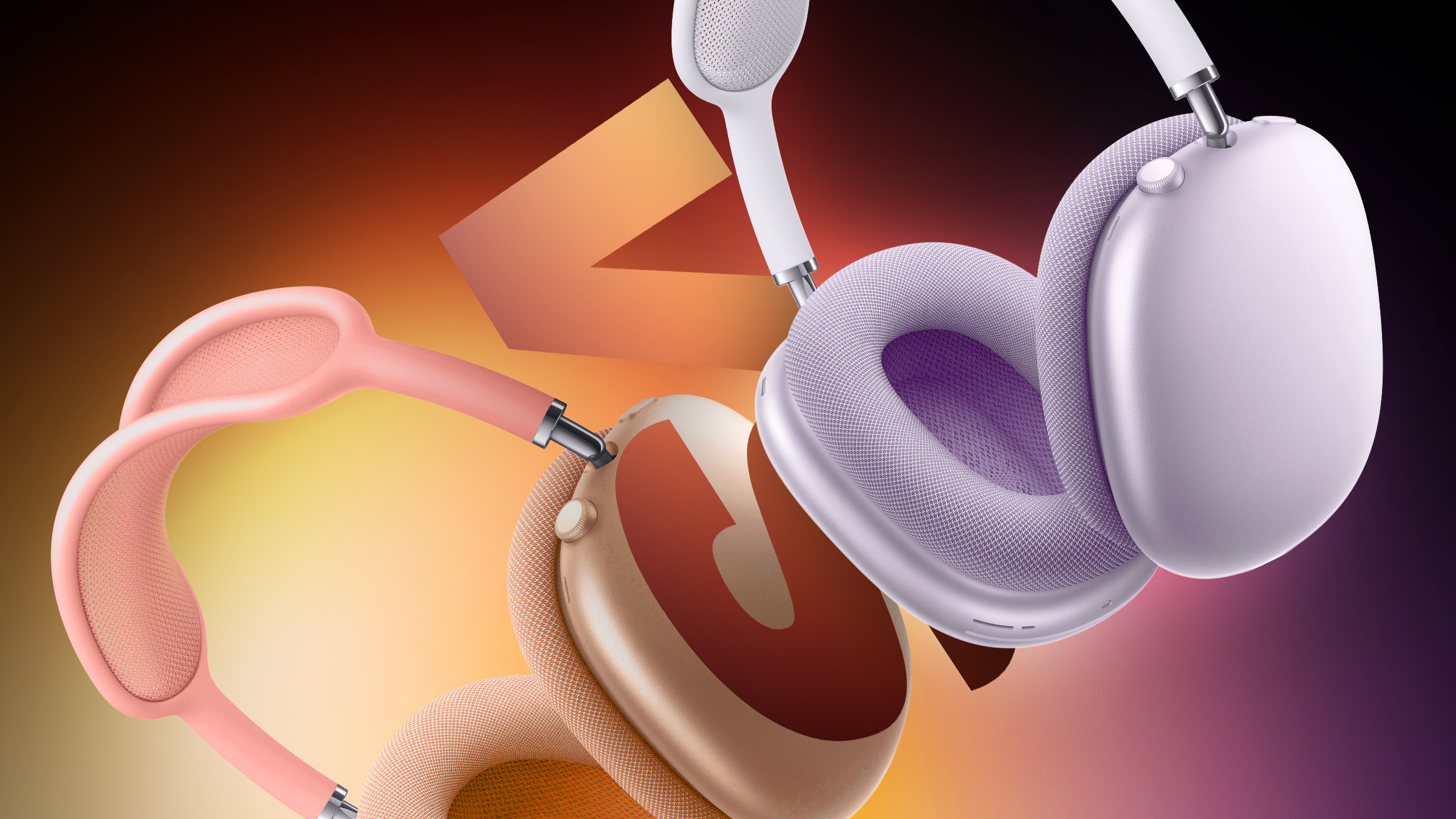
A Quick Look Back: The Evolution of AirPods Max
When Apple first unveiled the AirPods Max in late 2020, they introduced a completely new member to the AirPods family. Unlike the popular in-ear AirPods, these were premium over-ear headphones designed to deliver an unparalleled audio experience, wrapped in a distinctive and elegant design. They quickly gained a reputation for their exceptional sound quality, powerful Active Noise Cancellation, and comfortable fit, even with their somewhat hefty price tag.
Fast forward to September 2024, and Apple made a subtle yet significant update. While not a full hardware overhaul, this refresh primarily focused on modernizing the charging and audio connection. The original Lightning port, common across many Apple devices, was swapped out for the more universal USB-C port. This change wasn't just about convenience; it also unlocked the ability for "24-bit, 48 kHz lossless audio" when connected with a USB-C to USB-C cable. Alongside this technical upgrade, Apple also introduced a fresh palette of color options, allowing users more ways to personalize their headphones.
Meet the AirPods Max 2: A Substantial Upgrade
Now, with the arrival of the AirPods Max 2 in 2026, Apple is delivering a far more substantial and exciting upgrade than the 2024 refresh. This isn't just a port swap or new colors; it's a foundational enhancement designed to elevate every aspect of the listening experience. The new model brings a host of cutting-edge features and performance improvements that leverage Apple's latest audio technology.
At the heart of these improvements is the brand-new H2 chip, a powerful piece of silicon that enables many of the advanced capabilities. This chip drives significantly more powerful Active Noise Cancellation (ANC), making your quiet moments even quieter. It also enhances Transparency Mode, allowing you to hear your surroundings more naturally and clearly when you need to. Beyond these core features, the AirPods Max 2 introduce a suite of Adaptive Audio features, including Conversation Awareness and Personalized Volume, which intelligently adjust your listening experience based on your environment and interactions.
Connectivity also gets an upgrade with updated Bluetooth 5.3, promising a more stable connection and, crucially for many users, reduced audio latency. This means less delay between what you see on screen and what you hear, which is especially important for gaming or watching videos. And of course, Apple hasn't forgotten about sound quality; enhancements to Spatial Audio make your music and movies sound even more immersive and lifelike.
Deep Dive: AirPods Max Generations Compared
To help you fully understand the advancements, let's break down the key differences across all three generations of AirPods Max:
| AirPods Max (2020, Lightning) |
AirPods Max (2024, USB-C) |
AirPods Max 2 (2026) |
|---|---|---|
| H1 chip | H1 chip | H2 chip |
| Active Noise Cancellation | Active Noise Cancellation | Improved Active Noise Cancellation (1.5x stronger) |
| Transparency Mode | Transparency Mode | Improved Transparency Mode |
| Adaptive Audio | ||
| Conversation Awareness | ||
| Voice Isolation | ||
| Personalized Volume | ||
| Loud Sound Reduction | ||
| Camera Remote | ||
| Live Translation | ||
| "Hey Siri" commands | "Hey Siri" commands | "Hey Siri" and "Siri" commands |
| Siri Interactions (privately respond to Siri announcements by simply nodding their head yes or gently shaking their head no) | ||
| Custom high dynamic range amplifier | ||
| New digital signal processing algorithm | ||
| Spatial Audio | Spatial Audio | Improved Spatial Audio (improved localization of instruments, more accurate and consistent bass response, and more natural-sounding mids and highs) |
| Lossless Personalized Spatial Audio via USB-C to USB-C cable | Lossless Personalized Spatial Audio via USB-C to USB-C cable | |
| Enhanced audio via Lightning to 3.5mm audio cable | "24-bit, 48 kHz lossless audio" via USB-C to USB-C cable | "24-bit, 48 kHz lossless audio" via USB-C to USB-C cable |
| Audio recording | Audio recording | "Studio-quality" audio recording |
| Create and mix audio in Personalized Spatial Audio with head tracking via USB-C to USB-C cable | Create and mix audio in Personalized Spatial Audio with head tracking via USB-C to USB-C cable | |
| Bluetooth 5.0 | Bluetooth 5.0 | Bluetooth 5.3 |
| Reduced wireless audio latency | ||
| Reduced latency audio via Lightning to 3.5mm audio cable | "Ultra-low" latency audio via USB-C to USB-C cable or USB-C to 3.5mm audio cable | "Ultra-low" latency audio via USB-C to USB-C cable or USB-C to 3.5mm audio cable |
| Lightning port | USB-C port | USB-C port |
| Available in Silver, Space Gray, Sky Blue, Pink, and Green | Available in Starlight, Midnight, Blue, Purple, and Orange | Available in Starlight, Midnight, Blue, Purple, and Orange |
| Released December 2020 | Released September 2024 | Release in April 2026 |
| Now discontinued | Now discontinued | $549 |
Detailed Feature Breakdown: What's New and Why It Matters
The Power of the H2 Chip
The single most important upgrade in the AirPods Max 2 is the introduction of Apple's advanced H2 chip. Both the original (Lightning) and 2024 (USB-C) AirPods Max models utilized the H1 chip, which was excellent in its time. However, the H2 chip, previously seen in the latest in-ear AirPods, is a game-changer for over-ear headphones. This chip is significantly more powerful, enabling complex audio computations at lightning speed. It's the engine that drives nearly all the new and improved features, from enhanced noise cancellation to adaptive audio processing. For users, this means a smarter, more immersive, and more responsive listening experience.
Active Noise Cancellation (ANC)
While the original AirPods Max were lauded for their industry-leading Active Noise Cancellation, the AirPods Max 2 take this to a new level. Thanks to the H2 chip, the new model boasts "1.5x stronger" ANC. What does this translate to in real-world use? Imagine an even quieter commute on a train or plane, a more peaceful focus in a bustling office, or deeper immersion in your music without distractions. The H2 chip's advanced computational audio capabilities allow it to process environmental sounds more effectively, creating an even more profound sense of silence, making it easier to concentrate or simply relax.
Transparency Mode
Transparency Mode, which allows you to hear your surroundings while wearing your headphones, also sees a significant improvement. The H2 chip enables a more natural and clear pass-through of ambient sounds. This means voices sound less muffled, traffic noises are clearer, and the overall experience of interacting with the world around you feels more seamless. You can engage in quick conversations or stay aware of your environment without needing to remove your headphones, offering a safer and more convenient user experience.
Introducing Adaptive Audio Features
One of the most exciting additions to the AirPods Max 2 is the suite of Adaptive Audio features, all powered by the H2 chip. These intelligent functions aim to make your listening experience effortlessly blend with your environment:
- Adaptive Audio: This overarching feature intelligently mixes Transparency Mode and Active Noise Cancellation based on your environment. Instead of manually switching, your headphones dynamically adjust to provide the optimal balance, ensuring you're aware when you need to be and isolated when you want to be. It's a truly hands-free approach to environmental awareness.
- Conversation Awareness: This clever feature automatically detects when you start talking or when someone speaks to you. It then lowers the volume of your audio, enhances the voices of those around you, and temporarily reduces noise cancellation. This means you can have a natural conversation without ever needing to pause your music or remove your headphones. Once the conversation ends, your audio returns to its previous state.
- Voice Isolation: Similar to the feature found on iPhones for phone calls, Voice Isolation focuses on your voice during calls, filtering out background noise from your end. This ensures that you come through crystal clear to the person on the other end, even if you're in a noisy environment.
- Personalized Volume: Over time, your AirPods Max 2 will learn your listening preferences and environment. Personalized Volume will automatically fine-tune the audio levels based on your habits and the noise levels around you, providing a consistent and comfortable listening experience without constant manual adjustments.
- Loud Sound Reduction: This feature actively works to lower the intensity of sudden loud noises in your environment. For example, if a siren wails past you or a construction hammer bangs nearby, the headphones will intelligently dampen these harsh sounds to protect your hearing and improve comfort without fully blocking out other important ambient noises.
- Camera Remote: This innovative feature allows you to use your AirPods Max 2 as a remote control for your iPhone camera. Imagine setting up a group photo or a self-timer shot and using a simple gesture or command on your headphones to capture the perfect moment. It adds a new layer of convenience for content creation and photography.
- Live Translation: Leveraging Apple's advanced AI, Live Translation provides real-time translation right into your ears. This feature could be revolutionary for travelers, international business, or simply connecting with people who speak different languages. It acts as a personal interpreter, breaking down language barriers on the go.
Enhanced Siri Interactions
The original and 2024 AirPods Max responded to "Hey Siri" commands. The AirPods Max 2 expand this by also allowing you to simply say "Siri" to activate the assistant, similar to how it works on newer iPhones and Apple Watches. But there's more: Siri Interactions let you respond to Siri announcements privately with non-verbal cues. Simply nodding your head yes or gently shaking your head no can confirm or deny actions, making your interactions with Siri even more discreet and intuitive.
Audio Hardware and Software Upgrades
Beyond the chip, Apple has also fine-tuned the audio components and processing. The AirPods Max 2 feature a "custom high dynamic range amplifier" and a "new digital signal processing algorithm." These technical enhancements work in concert with the H2 chip to deliver an even richer, clearer, and more dynamic sound profile. This means better fidelity across all frequencies, from deep bass to crisp highs, and a more accurate representation of your audio.
Improved Spatial Audio
Spatial Audio with dynamic head tracking has been a standout feature since the original AirPods Max, creating an immersive, theater-like experience. The AirPods Max 2 further refine this with "improved localization of instruments, more accurate and consistent bass response, and more natural-sounding mids and highs." This means that when you listen to Spatial Audio content, instruments will feel even more precisely placed around you, bass will be tighter and more impactful, and vocals and other sounds will possess a lifelike clarity, making movies and music more captivating than ever.
Lossless Audio Capabilities
The 2024 USB-C model introduced "24-bit, 48 kHz lossless audio" over a wired USB-C to USB-C connection, a significant step for audiophiles. The AirPods Max 2 retain this capability, offering the highest quality wired audio possible for those who demand uncompressed sound. Both the USB-C and AirPods Max 2 also support "Lossless Personalized Spatial Audio" and the ability to "create and mix audio in Personalized Spatial Audio with head tracking" via the USB-C connection, catering to content creators and professional users.
While the original Lightning model offered enhanced audio via its Lightning to 3.5mm audio cable, it couldn't achieve the same level of lossless quality as the USB-C models, primarily due to the limitations of the Lightning port's audio capabilities and the older H1 chip.
"Studio-Quality" Audio Recording
For those who use their headphones for more than just listening, the AirPods Max 2 elevate audio recording to "studio-quality." While previous models offered basic audio recording, the new hardware and software processing on the Max 2, likely including advanced beamforming microphones and the H2 chip, provide clearer, more detailed recordings. This is a boon for podcasters, voice-over artists, or anyone who needs high-fidelity audio input on the go.
Bluetooth 5.3 and Reduced Latency
The original and 2024 AirPods Max models used Bluetooth 5.0. The AirPods Max 2 upgrade to Bluetooth 5.3, which brings several advantages. Bluetooth 5.3 offers improved power efficiency, leading to potentially longer battery life (though official numbers remain similar), and more importantly, enhanced connection stability and reliability. Crucially, it also enables "reduced wireless audio latency." This means the delay between what you see on your screen and what you hear in your headphones is significantly minimized, providing a more synchronized experience for gaming, videos, and virtual reality applications. For wired connections, both USB-C models (2024 and 2026) boast "ultra-low" latency via USB-C to USB-C or USB-C to 3.5mm audio cables, making them suitable for professional audio monitoring where even tiny delays are unacceptable.
Connectivity Port: Lightning vs. USB-C
The most visually obvious change between the 2020 and 2024 models was the shift from a Lightning port to USB-C. The AirPods Max 2 continue with the USB-C port, aligning with Apple's broader strategy to standardize on USB-C across its devices. This offers universal compatibility with modern chargers and accessories, making it more convenient for users who already own other USB-C devices like newer iPhones, iPads, and Macs. It also future-proofs the headphones to some extent, as USB-C is rapidly becoming the industry standard.
Color Options
Aesthetic choice is important for many users. The original AirPods Max launched in classic Apple colors: Silver, Space Gray, Sky Blue, Pink, and Green. With the 2024 refresh, Apple introduced a new set of vibrant colors: Starlight, Midnight, Blue, Purple, and Orange. The AirPods Max 2 retain these newer, bolder color options, giving users a modern and expressive choice to match their personal style.
Release and Pricing
The original AirPods Max debuted in December 2020 and were eventually discontinued when the USB-C model arrived in September 2024. That 2024 USB-C model is also now discontinued following the Max 2 announcement. The AirPods Max 2 are scheduled for release in April 2026 and come with a price tag of $549. This pricing positions them as a premium offering, consistent with Apple's strategy for its flagship audio products.
Which AirPods Max Is Right For You? A Buyer's Guide
With three generations now in the mix (even if two are discontinued), deciding which AirPods Max to purchase can be tricky. Here’s a detailed breakdown to help you make an informed choice:
The Original AirPods Max (2020, Lightning) - The Value Pick (If You Can Find It)
The original AirPods Max with the Lightning port are becoming increasingly rare to find. As inventory has dried up over the past couple of years, new units are mostly gone, though some third-party retailers might still have limited stock or refurbished models available. However, for buyers who manage to locate a pair at a substantial discount, the Lightning version can still be an incredibly appealing option, particularly for budget-conscious consumers.
This model offers the same distinctive, premium design, high-quality build materials, and comfortable fit that defined the product when it launched in 2020. Crucially, it still delivers excellent Active Noise Cancellation, a highly functional Transparency Mode, and immersive Spatial Audio support. If your primary use for AirPods Max is wireless listening for casual enjoyment, if you already have a Lightning-based ecosystem of devices, or if you aren't particularly interested in the very latest software capabilities, the original model still provides an outstanding core listening experience. You’ll save a significant amount of money and still get a fantastic pair of headphones that excel at their primary purpose of premium wireless audio with great noise cancellation. Just be aware that future software updates might prioritize the H2 chip-equipped models.
The AirPods Max (2024, USB-C) - The Balanced Choice for Wired Audio Fans
The AirPods Max with USB-C, introduced in 2024, until very recently represented Apple's current version of the headphones and were widely available. Aside from the crucial switch from Lightning to USB-C and a refresh of color options, the internal hardware of this model is largely identical to the original version, still featuring the H1 chip. A firmware update alongside iOS 18.4 restored full wired audio input functionality and, more importantly, enabled "24-bit, 48 kHz lossless audio" over a USB-C connection when used with a compatible USB-C to USB-C cable.
This lossless wired audio capability gives the USB-C model a clear advantage over the Lightning version for users who prioritize the absolute best possible wired audio quality. It also unlocked creator-focused capabilities such as Lossless Personalized Spatial Audio and the ability to create or mix content in Spatial Audio with head tracking, appealing to musicians, producers, or anyone involved in audio production. For most users primarily listening wirelessly, however, the overall experience in terms of ANC, Transparency, and Spatial Audio remained very similar to the original H1-chip model. This version is ideal if you value universal USB-C connectivity, high-fidelity wired audio, and the newer color options, but don't feel the need for the advanced adaptive features of the Max 2, especially if you can find it at a reduced price point now that it's also discontinued.
The AirPods Max 2 (2026) - The Cutting-Edge Experience
The newly announced AirPods Max 2 truly represent the first meaningful hardware and software upgrade to the product since its debut. This is the model to choose if you want the absolute best and most feature-rich version of Apple's over-ear headphones. The introduction of Apple's H2 chip is the foundation for all the significant improvements. This powerful chip enables significantly improved Active Noise Cancellation, making your quiet moments even more serene, and an enhanced Transparency Mode that sounds more natural than ever before. The groundbreaking Adaptive Audio features – including Conversation Awareness, Personalized Volume, Voice Isolation, Loud Sound Reduction, Camera Remote, and Live Translation – fundamentally change how you interact with your audio and your environment, making the headphones smarter and more intuitive.
Apple has also enhanced Spatial Audio performance, making your immersive content even more captivating, and added Bluetooth 5.3 with reduced wireless latency, which is a major plus for gaming and video consumption. Together, these upgrades bring the over-ear AirPods much closer to the advanced capabilities and intelligence already offered by Apple's latest in-ear AirPods Pro models, making the AirPods Max 2 the most advanced, future-proof, and capable option available.
Should You Upgrade? A Guide for Existing AirPods Max Owners
For buyers deciding between the different generations, the choice largely comes down to how important the new features and improved performance are to your daily use. The original AirPods Max and even the USB-C refresh still deliver the premium design, excellent sound quality, and strong wireless listening experience that made them popular to begin with.
However, for those who demand the strongest possible noise cancellation for travel or noisy environments, appreciate the convenience of intelligent Adaptive Audio features like Conversation Awareness, or want the cutting-edge benefits of Live Translation, the AirPods Max 2 are clearly the model to choose. They offer a tangible leap in user experience and functionality that the older models simply cannot match due to their older chip technology.
Owners of the Original Lightning AirPods Max:
If you're currently using the 2020 Lightning version, you have a very strong case for upgrading. Your device is now quite old in tech terms, and you'll benefit from numerous significant improvements. You'll gain the powerful H2 chip, 1.5x stronger ANC, improved Transparency Mode, all the new Adaptive Audio features, enhanced Spatial Audio, Bluetooth 5.3 with reduced latency, and the modern, universal USB-C port with lossless audio capabilities. The upgrade will feel substantial and bring your headphones up to Apple's latest audio technology standards. The jump in features, convenience, and performance will likely make the investment worthwhile.
Owners of the 2024 USB-C AirPods Max:
For those who recently purchased the 2024 USB-C variant, the decision might be less straightforward. You already have the convenience of the USB-C port and the excellent lossless wired audio capabilities. The core design and fundamental sound signature are still very similar. However, you'll still miss out on the H2 chip's benefits, including the stronger ANC, improved Transparency, and the entire suite of Adaptive Audio features. If you are satisfied with your current feature set and don't frequently find yourself needing the intelligence of Conversation Awareness or the enhanced quietness of the new ANC, you might find the improvements less "essential." That said, for frequent travelers, people who regularly listen in particularly noisy environments, or anyone who simply desires the absolute most advanced and intelligent version of Apple's over-ear headphones, the upgrade may still be highly worthwhile. The day-to-day convenience and immersion offered by the H2 chip's capabilities can be a game-changer for many.
Finding the Best Deals
It's worth noting that AirPods, including the AirPods Max, frequently see hefty discounts on Amazon and other third-party retailers. Even though the AirPods Max 2 are brand new, keeping an eye out for potential promotions could make the upgrade even more appealing. Stepping up to the AirPods Max 2 may feel more justifiable if you can take advantage of one of those deals, especially given their premium price point. The AirPods Max often see solid discounts a few months after release, so it is always worth seeking the best price using our Deals roundup or checking major retailers. You might find a bargain that pushes you towards the latest and greatest.
This article, "AirPods Max 1 vs. AirPods Max 2 Buyer's Guide: 25+ Differences Compared" first appeared on MacRumors.com
Discuss this article in our forums
from MacRumors
-via DynaSage
