
Upcoming Low-Cost MacBook May Come in Yellow, Green, Blue, and Pink
The Future is Bright (and Colorful): Apple's Upcoming Low-Cost MacBook Set to Shake Things Up
Apple has tested a range of playful color options for its upcoming low-cost MacBook, going well beyond the muted tones available on its current laptop lineup, according to Bloomberg's Mark Gurman.
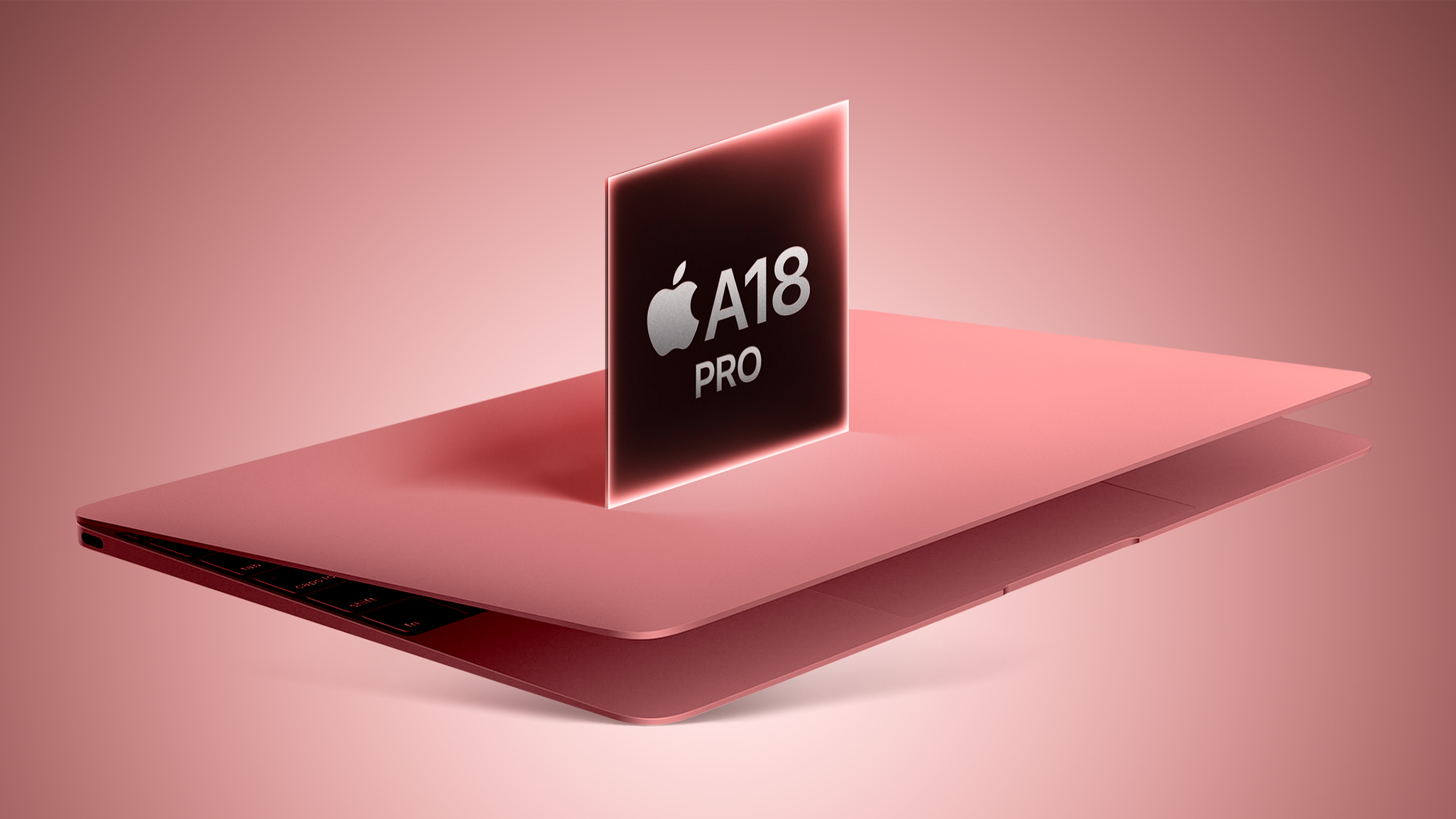
A Splash of Color: Apple's Bold New Palette for the Budget MacBook
Writing in his latest Power On newsletter, Gurman reveals an exciting shift in Apple's design philosophy for its rumored budget-friendly MacBook. The colors tested so far are a refreshing departure from the conventional silver, space gray, and midnight hues that define Apple's current laptop offerings. Imagine a MacBook in light yellow, light green, bright blue, or a playful pink! These vibrant options are reportedly on the table, alongside the more classic silver and dark gray, though it's important to remember that not all tested colors may make it to market.
This potential palette signals a significant change, marking the most colorful laptop Apple has offered since the beloved iBook G3 era. For those who remember, the late 90s saw the iBook G3 arrive in iconic, translucent shades like Tangerine, Blueberry, Indigo, Graphite, and Key Lime. These devices weren't just computers; they were fashion statements, designed to appeal to a younger, more expressive audience. The return to such a vibrant array of colors suggests Apple is once again aiming to inject fun and personality into its product line, especially for a device targeting a broader, potentially younger demographic.
The choice of color goes beyond mere aesthetics; it reflects a strategic decision. Apple's professional MacBook Pro line typically features more subdued, serious tones, aligning with its high-performance, business-oriented image. By introducing a spectrum of playful colors for a low-cost MacBook, Apple can effectively differentiate this new model from its premium offerings. This allows them to appeal to consumers who value personal expression and a more accessible entry point into the macOS ecosystem, without diluting the prestige of the Pro line. It's a clever way to expand market reach while maintaining brand integrity across different product tiers.
For many users, especially students and creative individuals, a laptop isn't just a tool; it's an extension of their personality. A MacBook in a cheerful yellow or a calming blue could inspire a sense of individuality and joy in their daily computing tasks. This move also resonates with Apple's recent ventures into more colorful devices, like the iMac M1, which brought vibrant hues back to the desktop, or the standard iPhone models that often boast a wider color selection than their Pro counterparts. It seems Apple is increasingly embracing color as a key differentiator and an emotional connection point for its more accessible products.
Affordability Meets Apple Quality: The Low-Cost Vision
As previously highlighted by renowned Apple analyst Ming-Chi Kuo, this low-cost machine is poised to retail for well under $1,000. This price point is incredibly significant for Apple, as it positions the device directly against a market segment traditionally dominated by Chromebooks and entry-level Windows laptops. For years, one of the biggest barriers for many consumers, particularly students and educational institutions, has been the premium price tag associated with Apple products.
Breaking the $1,000 psychological barrier is a bold move that could unlock a massive new customer base for Apple. It means that the coveted macOS experience, renowned for its ease of use, robust security, and seamless integration with other Apple devices, could become accessible to a much wider audience. This isn't just about selling more units; it's about drawing new users into the Apple ecosystem at an earlier stage, potentially fostering long-term loyalty as they upgrade to more powerful Apple devices in the future.
To achieve this aggressive price point without sacrificing Apple's signature quality, the company is implementing smart manufacturing strategies. Gurman reports that the new MacBook will feature an aluminum chassis, maintaining Apple's reputation for premium build quality and durability, even at a lower cost. Crucially, this chassis is being built using a new, faster manufacturing process that Apple developed specifically to keep production costs down. This innovation in manufacturing efficiency is a testament to Apple's relentless pursuit of optimizing its supply chain and production methods. It implies advancements in automation, material sourcing, or assembly techniques that allow for quicker and more economical production of high-quality components.
This approach allows Apple to deliver the tactile feel and visual appeal of a premium product, often associated with unibody aluminum designs, but at a price point that challenges market expectations. It's a delicate balance of maintaining brand standards while adapting to the demands of a highly competitive budget segment. The aluminum construction ensures the laptop will feel sturdy and look elegant, distinguishing it from many plastic-bodied competitors in the sub-$1,000 category.
The Power Within: iPhone Chip for a MacBook?
Perhaps one of the most intriguing aspects of this rumored low-cost MacBook is its internal architecture. Instead of an M-series processor, which powers Apple's current lineup of MacBooks and iMacs, this new machine is expected to run on an iPhone chip – potentially the A18 Pro. This is a fascinating strategic choice that has several implications for performance, battery life, and cost.
The A-series chips, designed primarily for iPhones and iPads, are renowned for their incredible power efficiency and robust single-core performance. While they might not match the multi-core raw power of the M-series chips (like the M1, M2, or M3) which are optimized for professional workloads, an A18 Pro chip is still exceptionally capable. For everyday tasks – web browsing, document editing, video streaming, light photo editing, and casual gaming – an A18 Pro would likely provide a smooth, responsive, and highly satisfying user experience.
Using an existing, mass-produced iPhone chip also offers significant cost advantages. Apple has already invested heavily in the research, development, and manufacturing scale for its A-series processors. Leveraging this existing technology for a MacBook allows them to reduce the per-unit cost of the chip, a critical factor in achieving the "under $1,000" price target. This strategy also streamlines their silicon development pipeline, creating a broader platform for their custom chips across different device categories.
Furthermore, the A-series chips are incredibly efficient, leading to excellent battery life. This is a major selling point for students and mobile professionals who need a laptop that can last through a full day of classes, meetings, or travel without needing a power outlet. Imagine a MacBook that combines macOS's power with iPhone-level battery endurance – it would be a game-changer for portability and convenience. While the macOS operating system is primarily optimized for M-series chips, Apple has a history of making seamless transitions. It's highly probable that macOS will be finely tuned to extract the best performance and efficiency from the A18 Pro, ensuring a consistent user experience.
A Compact Canvas: The Slightly-Under-13-inch Display
The display size of "slightly-under-13-inch" is another key detail that points to the target audience and portability focus of this new MacBook. A display of this size strikes an excellent balance between screen real estate for productivity and a compact form factor for easy carrying. It's ideal for slipping into a backpack or bag, making it perfect for students moving between lectures, or enterprise users who travel frequently and need a lightweight companion.
Compared to the standard 13.6-inch MacBook Air or larger laptops, a slightly smaller display could contribute to a lighter overall device, further enhancing its appeal for on-the-go computing. Apple is known for its high-quality Retina displays, and it's reasonable to expect that even this budget-friendly model will feature a sharp, vibrant screen, providing an excellent visual experience for web content, documents, and media consumption. The focus here is on providing a full MacBook experience in a highly portable and accessible package.
Taking on the Titans: Competing with Chromebooks in Education and Enterprise
The core motivation behind this low-cost MacBook is clear: Apple is trying to compete head-on with Chromebooks. For years, Google's Chromebooks have dominated the budget laptop market, especially in education and certain enterprise sectors, thanks to their affordability, simplicity, robust cloud integration, and ease of management. They offer a compelling package for users who primarily rely on web-based applications and don't require the power or complexity of a traditional desktop operating system.
However, Chromebooks also have their limitations. While excellent for cloud-centric workflows, they can struggle with demanding offline applications, professional software, or tasks requiring significant local processing power. This is where Apple's low-cost MacBook could truly shine. By offering the full macOS experience, users would gain access to a vast ecosystem of powerful native applications, including Apple's own suite of creative tools (Pages, Numbers, Keynote, GarageBand, iMovie) and thousands of third-party apps available on the App Store or for direct download.
The target audience of students and enterprise users is strategically chosen. In educational settings, a MacBook offers more versatility for varied curricula, supporting everything from coding and graphic design to multimedia projects, which might be challenging on a basic Chromebook. For enterprise users, especially those in creative fields or requiring specific macOS-only software, a budget MacBook would provide a cost-effective solution without compromising on the familiar and secure Apple environment. Centralized deployment and management tools for macOS also make it an attractive option for IT departments.
Apple's move is not just about competing on price; it's about offering a superior, more versatile, and more premium experience at a comparable cost. The combination of an aluminum chassis, a powerful (for its class) A18 Pro chip, and the robust macOS operating system positions this MacBook as a formidable alternative, promising better performance, a more extensive software library, and a build quality that often surpasses similarly priced Chromebooks.
The Anticipation Builds: A Launch Event as Early as March?
The buzz around this exciting new device suggests that Apple is reportedly preparing for a launch event as early as March. Apple's product cycles often feature spring events, typically used to unveil new iPads, Macs, or services before the major developer conference (WWDC) in June and the iPhone launches in the fall. A March event would be the perfect platform to introduce a product designed to capture a broad market segment, allowing for significant ramp-up before the back-to-school season.
An early launch would give Apple a head start in establishing its presence in the budget laptop category, allowing them to capitalize on initial excitement and secure market share. Such an event would likely highlight not just the device itself, but also the broader vision for macOS accessibility, its educational initiatives, and how this new MacBook fits into the company's ecosystem strategy. We can expect compelling demonstrations of its performance, battery life, and of course, a showcase of its vibrant new color options.
A Legacy Revisited: The iBook G3 and Apple's History of Accessibility
The direct comparison to the iBook G3 is particularly apt and highlights a recurring theme in Apple's history: democratizing technology through accessible, appealing products. When the iBook G3 launched in 1999, it was often dubbed the "iMac to Go," extending the colorful, user-friendly ethos of the original iMac G3 to a portable form factor. It was designed to be approachable, especially for students and home users, breaking away from the beige, utilitarian designs prevalent in the laptop market at the time.
This new low-cost MacBook appears to be following a similar trajectory. Just as the iBook brought an affordable, yet distinctively Apple, portable computing experience to a wider audience, this upcoming MacBook aims to do the same for a new generation. It signifies Apple's willingness to diversify its product portfolio to meet different market needs, rather than solely focusing on the high-end. This strategy has historically served Apple well, allowing them to grow their user base and build a stronger ecosystem.
Beyond the iBook, Apple has often launched products that challenge market norms by making advanced technology more accessible. The original iPod, while not "low-cost" at launch, revolutionized portable music by offering a user-friendly interface and seamless integration with iTunes. The iMac G3, preceding the iBook, revived Apple's fortunes by being a colorful, all-in-one computer that was easy to set up and use. This new MacBook, with its rumored colors, price point, and chip choice, feels like a modern iteration of this very philosophy.
Conclusion: A Colorful Future for Everyone?
The prospect of a low-cost MacBook in vibrant colors, powered by an iPhone chip, and priced under $1,000, is undoubtedly one of the most exciting rumors coming out of Apple in recent memory. It represents a strategic pivot for the company, aiming to capture new market segments by offering the premium macOS experience in an accessible, expressive package.
By blending the nostalgic charm of colorful designs with cutting-edge efficiency and an aggressive price point, Apple is poised to introduce a device that could redefine expectations for budget laptops. Whether you're a student looking for a reliable and stylish companion for your studies, or an enterprise user seeking a cost-effective yet powerful macOS machine, this upcoming MacBook promises to deliver. All eyes will be on Apple as the rumored March launch approaches, eager to see if this colorful vision truly comes to life and shakes up the laptop landscape.

This article, "Upcoming Low-Cost MacBook May Come in Yellow, Green, Blue, and Pink" first appeared on MacRumors.com
Discuss this article in our forums
from MacRumors
-via DynaSage
