
UK Case Claiming Qualcomm Inflated iPhone Prices to Be Withdrawn
Major UK Lawsuit Against Qualcomm Withdrawn: What It Means for iPhone Prices and Smartphone Technology
A significant legal challenge in the United Kingdom, which claimed that technology giant Qualcomm unfairly inflated the prices of iPhone and Samsung smartphones, has been formally withdrawn. This means there will be no compensation paid to consumers and no further legal proceedings related to these specific allegations. The lawsuit, which sought a staggering £480 million in damages, represented a major effort to hold Qualcomm accountable for its patent licensing practices.
The Core of the Dispute: Qualcomm's Patent Licensing Model
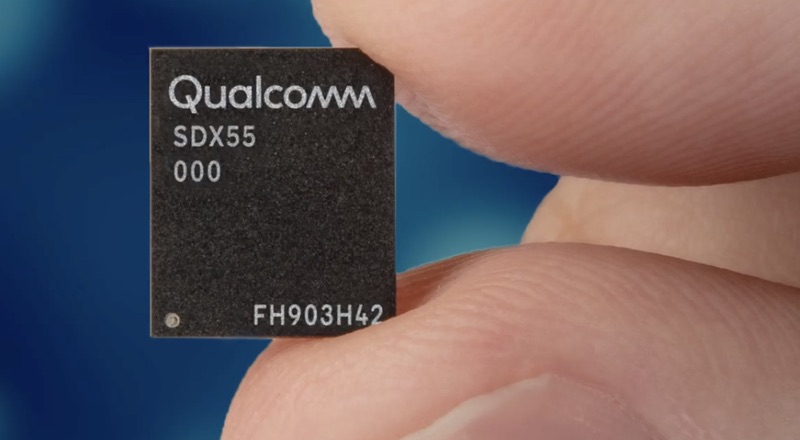
At the heart of this withdrawn lawsuit, and indeed many other legal battles involving Qualcomm, lies its unique and often controversial business model. Qualcomm is not just a company that makes the high-performance chips that power many of our smartphones; it's also a powerhouse in wireless technology innovation, holding a vast portfolio of patents essential to modern mobile communications, particularly for standards like 3G, 4G, and 5G.
The lawsuit, brought forward by the British consumer association Which? on behalf of approximately 29 million UK smartphone buyers, alleged that Qualcomm abused its dominant market position. Specifically, Which? claimed that Qualcomm compelled smartphone manufacturers, including Apple and Samsung, to obtain licenses for its "standard essential patents" (SEPs) before they could even purchase Qualcomm's chipsets. This practice, the lawsuit argued, forced these manufacturers to pay royalties even when they opted to use chips from other suppliers in their devices. This, in turn, supposedly led to higher manufacturing costs that were ultimately passed on to consumers in the form of inflated smartphone prices.
What Are Standard Essential Patents (SEPs)?
To understand the depth of this issue, it's crucial to grasp what SEPs are. In the world of technology, particularly in rapidly evolving fields like mobile communication, various companies collaborate to set common technical standards. These standards ensure that devices from different manufacturers can communicate with each other seamlessly. For instance, a phone made by Samsung can connect to a network provided by Vodafone because both adhere to agreed-upon 5G standards.
Companies that contribute groundbreaking inventions to these standards can declare their patents as "standard essential." This means that anyone who wants to build a device or offer a service that complies with that standard *must* use their patented technology. Because these patents are essential, the companies owning them are typically obligated to license them out on "Fair, Reasonable, and Non-Discriminatory" (FRAND) terms. This commitment is intended to prevent patent holders from holding the industry hostage and demanding exorbitant fees, thus stifling innovation.
Qualcomm holds a significant number of SEPs related to cellular communication. Its critics, including Which? in this case, have often argued that Qualcomm's licensing practices exceed what FRAND terms dictate, essentially creating an unfair "tax" on every smartphone sold, regardless of whose modem chip is inside.
The Battleground: UK Competition Appeal Tribunal
The case had progressed considerably, even reaching a trial before the UK Competition Appeal Tribunal last year. This tribunal is a specialized judicial body in the UK that handles appeals and claims related to competition law. Its role is to ensure fair competition and protect consumers from anti-competitive practices. For a case to reach trial at this level signifies the seriousness of the allegations and the extensive evidence presented by both sides.
During the trial, both Which? and Qualcomm would have presented their arguments, expert testimonies, and detailed financial analyses. Which? would have attempted to demonstrate that Qualcomm's licensing terms were indeed coercive and led to higher prices. Qualcomm, on the other hand, would have defended its business model, asserting that its royalty rates reflect the immense value of its intellectual property and the significant research and development investments it makes.
Despite the trial having concluded, the tribunal had not yet issued a definitive ruling. This is not uncommon in complex competition cases, which often involve vast amounts of technical and economic data that require careful deliberation.
Why the Sudden Withdrawal?
The decision by Which? to withdraw the case before a ruling was delivered is a pivotal moment. The consumer association stated it would now apply to withdraw the case after concluding that the tribunal would likely rule in Qualcomm's favor. This assessment was based on Which?'s belief that the tribunal would determine several key points:
- No Coercion: That Qualcomm did not coerce Apple or Samsung into licensing agreements. This goes to the heart of the "no license, no chips" accusation, suggesting that manufacturers had genuine choices and entered agreements willingly.
- Fair Terms: That Qualcomm did not impose unfair terms in its licensing agreements. This challenges the claim that Qualcomm's royalty rates were excessive or anti-competitive.
- No Violation of Competition Law: That Qualcomm's practices did not, in fact, violate competition law. This is a broad legal assessment that would consider market dominance, potential for abuse, and the impact on competition.
- No Higher Smartphone Prices: Crucially, that Qualcomm's practices did not lead to higher smartphone prices for consumers. This directly refutes the core claim of the lawsuit and the basis for the £480 million compensation sought.
This assessment by Which? suggests that, despite their best efforts and extensive legal proceedings, the evidence or legal interpretation did not align with their initial allegations. It represents a significant win for Qualcomm, validating its long-held defense of its business practices, at least in the context of this specific UK claim.
The Broader Context: Qualcomm's Long-Running Disputes with Apple
This UK lawsuit is far from an isolated incident; it's another chapter in a long and often contentious series of disputes involving Qualcomm's patent licensing model and its relationships with major tech companies, most notably Apple. The relationship between Apple and Qualcomm has been particularly tumultuous, oscillating between deep reliance and fierce legal battles.
Early Reliance and the Genesis of Conflict
For many years, Apple relied heavily on Qualcomm for the cellular modems integrated into its iPhones. Qualcomm's modems were considered industry-leading, offering superior performance and power efficiency. This dependency, however, became a source of tension. Apple grew increasingly uncomfortable with Qualcomm's patent licensing model, which it viewed as an unfair "double-dipping" – charging both for the chips themselves and for the use of its patents, even when Apple believed it was being charged based on the total value of the iPhone, not just the cellular component.
The conflict escalated into a global legal war in 2017. Apple filed a lawsuit alleging that Qualcomm was withholding nearly $1 billion in rebates as retaliation for Apple cooperating with antitrust investigations. Qualcomm countersued, accusing Apple of intellectual property infringement and seeking to ban iPhone sales. The legal skirmishes spanned multiple continents, with both companies seeking injunctions and billions in damages.
The 2019 Settlement and the Shift in Strategy
The intense legal battle between Apple and Qualcomm came to an abrupt end in April 2019, when the two companies announced a surprise settlement. The terms of the settlement were confidential but included a multi-year patent licensing agreement and a payment from Apple to Qualcomm. This agreement marked a truce, but it also signaled Apple's clear intention to reduce its reliance on Qualcomm in the long term.
Immediately following the settlement, Apple acquired Intel's smartphone modem business for $1 billion. This acquisition was a clear strategic move, indicating Apple's ambition to develop its own in-house cellular modem technology. The goal was to gain greater control over its supply chain, reduce costs, and integrate its hardware and software more seamlessly – a hallmark of Apple's product development philosophy.
Apple's Path to Independence: The C1 Modem and Beyond
The original text mentions a significant development in Apple's journey towards modem independence: "Starting with the C1 modem in the iPhone 16e, Apple is now transitioning away from Qualcomm modems to its own custom cellular chips." This indicates that Apple's multi-year effort to develop its own modem technology is finally bearing fruit, with the "C1 modem" likely being their first fully custom-designed cellular chip for mass production. This transition is monumental, as cellular modem technology is incredibly complex, requiring expertise in radio frequency design, digital signal processing, and international regulatory compliance.
Developing an in-house modem is a massive undertaking, requiring billions of dollars in investment and years of research. However, for Apple, the benefits of independence are compelling. It allows them to:
- Reduce Costs: Eliminate royalty payments and reduce per-unit costs associated with third-party components.
- Control Innovation: Tailor modem performance specifically for their devices, optimize power consumption, and integrate new features without relying on an external roadmap.
- Secure Supply Chain: Lessen vulnerability to supply chain disruptions and geopolitical tensions that could impact chip availability.
- Strategic Advantage: Further differentiate their products by tightly integrating hardware and software, potentially offering unique features or superior performance compared to competitors who rely on off-the-shelf solutions.
This strategic shift underscores why the legal battles with Qualcomm have been so fierce. For Apple, it was about more than just money; it was about regaining control over a critical component of its flagship product.
Samsung's Role and the Broader Ecosystem
While Apple's saga with Qualcomm often grabs headlines, Samsung's inclusion in the UK lawsuit highlights that Qualcomm's patent licensing model affects other major manufacturers too. Samsung is unique in that it both designs its own "Exynos" chips (which include its own modems) for some of its devices and also uses Qualcomm's Snapdragon chips (which include Qualcomm modems) in others, particularly its high-end flagship phones for certain markets like the U.S. and Korea.
This dual-sourcing strategy gives Samsung some leverage and flexibility, but it doesn't entirely insulate them from Qualcomm's licensing demands. If Samsung uses a Qualcomm modem, it implicitly agrees to the licensing terms. Even when using its own Exynos modem, the underlying cellular standards still incorporate Qualcomm's patented technologies, making licensing agreements potentially unavoidable for worldwide sales.
The lawsuit's inclusion of Samsung therefore broadens the scope, demonstrating that the challenge to Qualcomm's practices was not just an Apple-specific grievance but a concern for the wider smartphone industry.
Implications of the Withdrawal: A Victory for Qualcomm
The withdrawal of this major UK consumer lawsuit represents a significant victory for Qualcomm. Here's why:
- Validation of Business Model: It implicitly validates Qualcomm's patent licensing model, at least in the eyes of the UK Competition Appeal Tribunal (based on Which?'s assessment of the likely ruling). This is crucial as Qualcomm's model has faced scrutiny from regulators and competitors worldwide.
- Financial Relief: Qualcomm avoids a potential £480 million payout, which would have been a substantial financial blow.
- Precedent for Future Cases: While not a formal ruling, the stated reasons for withdrawal could influence other ongoing or potential future legal challenges against Qualcomm's practices in other jurisdictions. It suggests that proving coercion or anti-competitive behavior in its licensing may be more difficult than challengers anticipate.
- Market Confidence: It could bolster investor confidence in Qualcomm's long-term revenue streams from patent licensing, which are distinct from its chip sales and represent a highly profitable part of its business.
For the millions of UK consumers represented in the lawsuit, the withdrawal means no compensation for the alleged overpayments. It highlights the difficulties consumer groups face in successfully challenging complex intellectual property and competition law cases against well-resourced multinational corporations.
The Future of Mobile Chipmaking and Competition
Despite Qualcomm's legal win in this specific UK case, the broader trend in the smartphone industry suggests a continued push by major manufacturers to reduce reliance on third-party component suppliers, especially for critical parts like modems.
- In-house Chip Development: Apple is leading the charge, but Google has also developed its "Tensor" chips, and Samsung continues to refine its "Exynos" line. These companies see in-house chip development as a strategic imperative for differentiation, cost control, and performance optimization.
- Qualcomm's Enduring Dominance: Even with these trends, Qualcomm remains a dominant player, particularly in high-end Android smartphones. Its Snapdragon processors and modems are cutting-edge, and its patent portfolio is unparalleled. Developing a competitive modem from scratch is incredibly difficult and costly, placing a high barrier to entry for most companies.
- 5G and Beyond: The transition to 5G and future generations of wireless technology like 6G only increases the complexity and the importance of having robust modem technology. Qualcomm is investing heavily in these areas, ensuring its continued relevance.
- Regulatory Scrutiny: While the UK case is withdrawn, Qualcomm will likely continue to face regulatory scrutiny and legal challenges in other regions. Governments and antitrust bodies worldwide are increasingly vigilant about dominant market positions in technology.
The withdrawal of the UK lawsuit against Qualcomm serves as a crucial reminder of the intricate legal and business dynamics that underpin the global smartphone industry. It reinforces Qualcomm's position as a formidable force in wireless technology, even as major players like Apple strive for greater independence. The ongoing dance between innovation, intellectual property, and market competition will undoubtedly continue to shape the future of our digital lives.
This article, "UK Case Claiming Qualcomm Inflated iPhone Prices to Be Withdrawn" first appeared on MacRumors.com
Discuss this article in our forums
from MacRumors
-via DynaSage
