
iPhone 18 Pro Reportedly Enters Trial Production Stage
iPhone 18 Pro Enters Production Testing: What This Means for Apple's Next Flagship
Exciting news for Apple enthusiasts! The highly anticipated iPhone 18 Pro has reportedly entered a crucial phase of its development: production testing. This significant step brings us closer to its official unveiling later this year. Let's dive into what this means, the whispers from the supply chain, and what we can expect from Apple's upcoming Pro models.
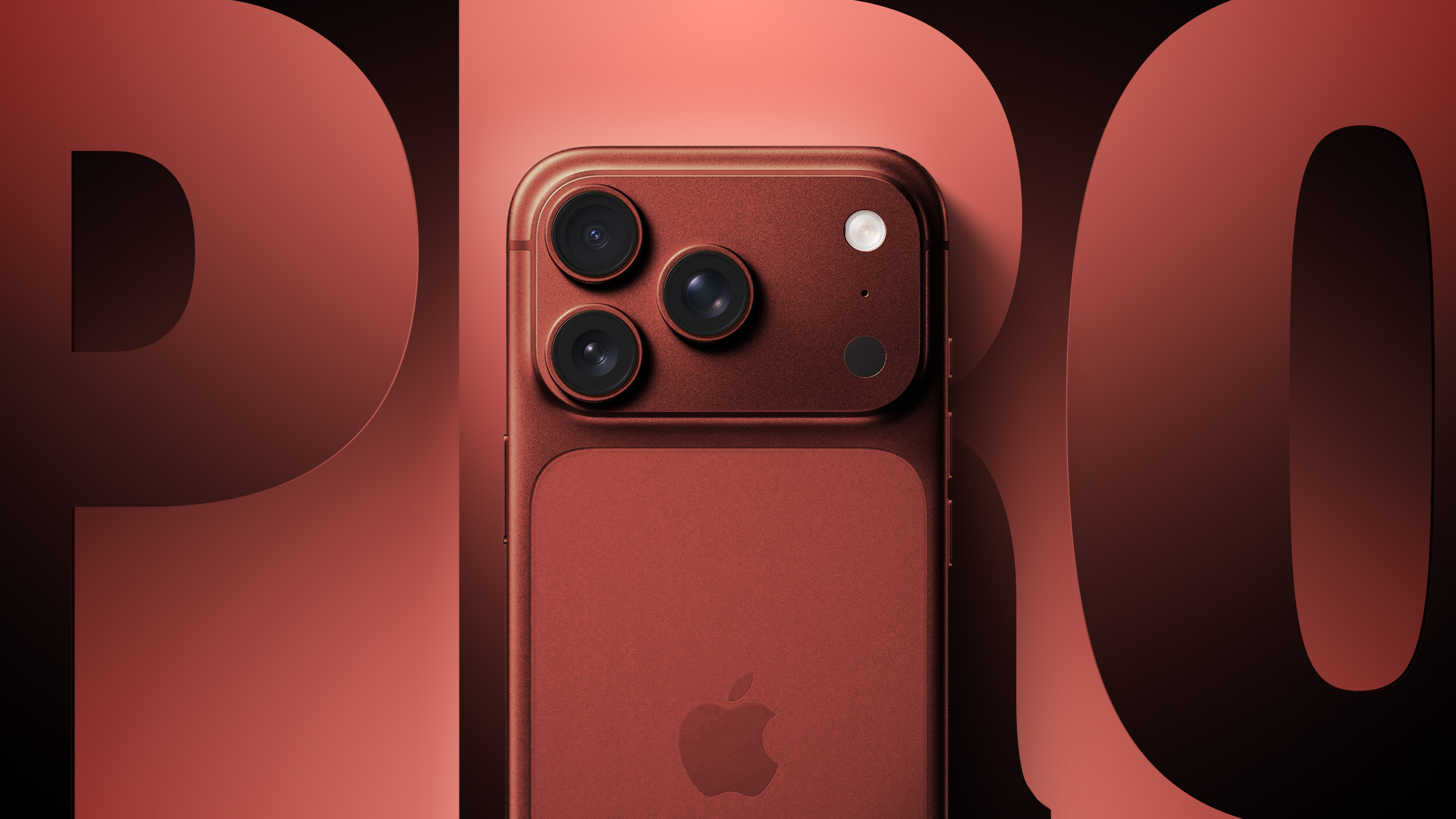
The Production Testing Phase: A Glimpse Behind the Curtain
The latest update comes from a well-known Chinese leaker on Weibo, known by the account name "Fixed Focus Digital." This source indicates that the iPhone 18 Pro models have begun "mass-production testing." For those unfamiliar with Apple's meticulous product development cycle, this isn't yet full-scale manufacturing, but rather a vital late-stage validation process. It's a key indicator that the final design is largely locked in and that Apple is gearing up its factories for the massive production run required for a September launch.
Understanding Apple's Development Stages: EVT, DVT, and PVT
Apple's journey from concept to consumer device involves several rigorous validation stages, each ensuring quality, manufacturability, and performance. The timeline of these stages often provides valuable clues about an upcoming product's readiness.
- Engineering Validation Test (EVT): This is the earliest stage, where engineers test initial prototypes to confirm core functionalities and design feasibility. It's about making sure the product works as intended, addressing major design flaws, and iterating on internal components. Early EVT units might look very different from the final product, serving as a functional testbed. If a regular iPhone 18 model is indeed aiming for a release early next year, as rumored, it would likely be in this or an early DVT stage right now, refining its core engineering.
- Design Validation Test (DVT): Following EVT, DVT focuses on validating the physical design, materials, and overall aesthetic. During this phase, Apple uses production-ready tooling and processes to create units that are much closer to the final retail product. The goal is to ensure that the design can be consistently manufactured to Apple's exacting quality standards and that all components fit together perfectly. Many aspects of the device's external appearance, durability, and ergonomic feel are finalized here. February, the month this leak emerged, often aligns with the transition from DVT into early PVT for devices targeting a September release.
- Production Validation Test (PVT): This is the stage the iPhone 18 Pro is now reportedly entering, or has just entered. PVT is all about validating the manufacturing process itself. Factories activate portions of their assembly lines, producing a limited number of units to test the efficiency, yield rates, and quality control of the mass-production setup. It's a dress rehearsal for full-scale production, identifying and resolving any bottlenecks or issues before millions of units start rolling off the lines. This phase is crucial for ensuring that Apple can meet demand without sacrificing quality. While units are produced, they are primarily for internal testing, not for sale. Full mass production, which involves ramping up production to millions of units, typically commences in the summer months, a few months ahead of the anticipated launch.
The fact that the iPhone 18 Pro is already in PVT suggests that its development is largely on track for a fall release. The earlier a device enters PVT, the more time Apple has to fine-tune manufacturing, optimize supply chains, and ensure a smooth launch.
What We Know (and Don't Know) About the iPhone 18 Pro
According to Fixed Focus Digital, there are "no major changes to the materials," and the devices "continue to use the existing design specifications for the iPhone 17 lineup." This echoes earlier reports indicating that the iPhone 18 Pro models might not bring radical external overhauls. However, an iterative design doesn't mean a lack of innovation, especially when it comes to the user experience and internal capabilities.
Subtle Yet Significant External Tweaks
While the overall look might be familiar, one key external change that has been widely rumored is a smaller Dynamic Island. The Dynamic Island, introduced with the iPhone 14 Pro, replaced the traditional notch and cleverly integrates notifications, alerts, and background activities into a dynamic, interactive pill-shaped cutout. A smaller Dynamic Island would free up more screen real estate, making the display feel even more expansive and immersive. This refinement demonstrates Apple's commitment to optimizing the front-facing sensor housing without sacrificing functionality.
Internal Powerhouses: Driving Performance and Innovation
Beneath the surface, the iPhone 18 Pro is expected to pack a substantial punch with several crucial internal upgrades:
- New Camera System with Variable Aperture: This could be one of the most exciting upgrades for photography enthusiasts. A variable aperture allows the camera to dynamically adjust the size of its lens opening, much like professional DSLR cameras. This enables better control over depth of field (creating more pleasing bokeh or background blur), improved low-light performance (by letting in more light), and enhanced clarity in various lighting conditions. It would offer photographers more creative flexibility and push the boundaries of smartphone photography.
- The A20 Chip: Apple's custom-designed A-series chips consistently lead the industry in performance and efficiency. The A20 chip, expected to power the iPhone 18 Pro, will undoubtedly bring significant improvements in processing speed, graphics rendering, and power efficiency. This will translate to faster app launches, smoother gaming, more capable AI features (especially for on-device machine learning tasks), and potentially longer battery life. Each generation of Apple Silicon sets a new benchmark, and the A20 is anticipated to continue this trend.
- Custom C2 Modem: For years, Apple has been working towards developing its own in-house cellular modems to reduce reliance on third-party suppliers like Qualcomm. The rumored custom C2 modem represents a further step in this direction. Designing its own modem allows Apple to tightly integrate it with the A20 chip and iOS, potentially leading to better network performance, improved energy efficiency (which impacts battery life), enhanced security, and more precise control over cellular connectivity across different carriers and regions. It's a strategic move that provides Apple with greater control over a critical component of the iPhone.
The Regular iPhone 18: A Later, Staggered Launch?
Interestingly, the leaker also claimed that production testing had begun for the regular iPhone 18 model. However, given that analysts and reports widely suggest the lower-specced device won't be released until early next year, its current validation stage would likely be earlier. This could mean it's in mid-to-late Engineering Validation Test (EVT) or early Design Validation Test (DVT). A staggered launch strategy, where Pro models arrive in the fall and regular models follow later, isn't unprecedented in the tech world and could be driven by several factors:
- Component Availability: More advanced components, often destined for Pro models, might have longer lead times or be in higher demand, necessitating a different production schedule.
- Market Strategy: Apple might want to give its premium Pro models an exclusive launch window to maximize initial sales and highlight their advanced features before introducing the more accessible regular models.
- Manufacturing Complexity: Pro models often feature more complex designs or new technologies that require a longer and more intricate validation process.
This "split launch" strategy would create two distinct periods of excitement for iPhone releases, potentially boosting Apple's presence in the news cycle across multiple quarters.
The Real Star of the Show: Apple's First Foldable iPhone?
Despite the promising internal upgrades to the iPhone 18 Pro, Bloomberg's respected analyst, Mark Gurman, suggests that the new Pro models likely won't be "the star of Apple's iPhone launch this fall." Instead, he believes the spotlight will be claimed by the company's first foldable device. This is a monumental shift for Apple and the smartphone industry.
Why a Foldable iPhone is a Game-Changer
Apple entering the foldable market could redefine the category. For years, Samsung, Huawei, and other manufacturers have been experimenting with foldable phones, but none have achieved mainstream ubiquity. Apple's entry would bring:
- Refined Design and Durability: Apple is known for its meticulous engineering and premium build quality. A foldable iPhone would likely address many of the durability concerns that have plagued early foldable devices, such as screen creasing, hinge reliability, and dust ingress.
- Optimized Software Experience: iOS is renowned for its intuitive user experience. Apple would undoubtedly tailor iOS to seamlessly transition between folded and unfolded states, introducing new multitasking capabilities and app experiences that leverage the unique form factor.
- Ecosystem Integration: A foldable iPhone would integrate perfectly with Apple's vast ecosystem of devices and services, offering a cohesive experience across iPhones, iPads, Macs, and Apple Watch.
- Market Validation: If Apple releases a foldable, it would signal to the broader market that the technology is mature and ready for mass adoption. This could spur further innovation and competition in the foldable space.
Rumors about Apple's foldable device suggest it could come in various forms, perhaps a clamshell design similar to Samsung's Z Flip, or a book-style design like the Z Fold. Its pricing is expected to be premium, positioning it as an ultra-high-end device. The sheer novelty and potential impact of a foldable iPhone could easily overshadow even a well-executed, but iterative, update to the traditional iPhone lineup.
Why These Developments Matter to You
For consumers, these leaks and development milestones offer more than just tech gossip. They provide valuable insights that can help inform purchasing decisions and manage expectations. If you're considering upgrading your iPhone, knowing that the iPhone 18 Pro might be an evolutionary step rather than a revolutionary one could influence whether you wait for the 18 Pro, opt for an earlier model, or perhaps even hold out for the potentially groundbreaking foldable device.
Furthermore, Apple's continued investment in areas like camera technology (variable aperture), custom silicon (A20 chip), and independent modem development (C2 modem) ensures that the iPhone remains at the forefront of mobile innovation, offering users a powerful, reliable, and secure experience for years to come.
The Road Ahead: What to Expect Next
As the iPhone 18 Pro moves through its PVT stage and closer to full mass production in the summer, we can anticipate more leaks and rumors regarding its final specifications, design details, and potential new features. The next few months will be critical for Apple to iron out any last-minute manufacturing challenges and prepare for a successful launch event, typically held in September.
The potential for a split launch for the regular iPhone 18 and the looming presence of a foldable iPhone on the horizon suggest that Apple has a multifaceted strategy for its mobile division. While the iPhone 18 Pro will likely offer a refined and powerful experience, the broader narrative this year seems to be building towards something even bigger – a new era of Apple mobile devices.
from MacRumors
-via DynaSage
