
iPhone 18 Pro and Pro Max Expected to Feature Smaller Dynamic Island
The Evolving iPhone Display: What a Smaller Dynamic Island Means for the iPhone 18 Pro
The world of smartphones is constantly changing, with new technologies and designs appearing every year. Among these advancements, the iPhone has always been at the forefront, pushing the boundaries of what a mobile device can do. As anticipation builds for the next generation, specifically the iPhone 18 Pro and Pro Max, exciting whispers from reliable sources like Bloomberg suggest a significant design refinement: a smaller Dynamic Island.
This potential change isn't just about making the phone look different; it represents a continuous journey towards a more immersive and seamless user experience. Over the past year, there's been a lot of talk and mixed rumors about whether the iPhone 18 Pro models would keep the Dynamic Island, ditch it for a simple hole-punch camera, or perhaps even integrate Face ID under the screen entirely, eliminating any cutout. However, the most recent and credible information points to a clear direction: the Dynamic Island is here to stay for a while, but it's going to shrink. This means we're not getting rid of it just yet, but we are moving closer to that ultimate goal of an all-screen front.
For many users, the size and prominence of the notch or Dynamic Island have always been a point of discussion. Apple's design philosophy often balances aesthetics with functionality, and the evolution of the front display cutout is a prime example. The move to a smaller Dynamic Island is an incremental step, but an important one, showcasing Apple's ongoing efforts to perfect the iPhone's appearance and how we interact with it daily. This blog post will dive deep into what a smaller Dynamic Island means, the technology behind it, and what it signals for the future of iPhone design.
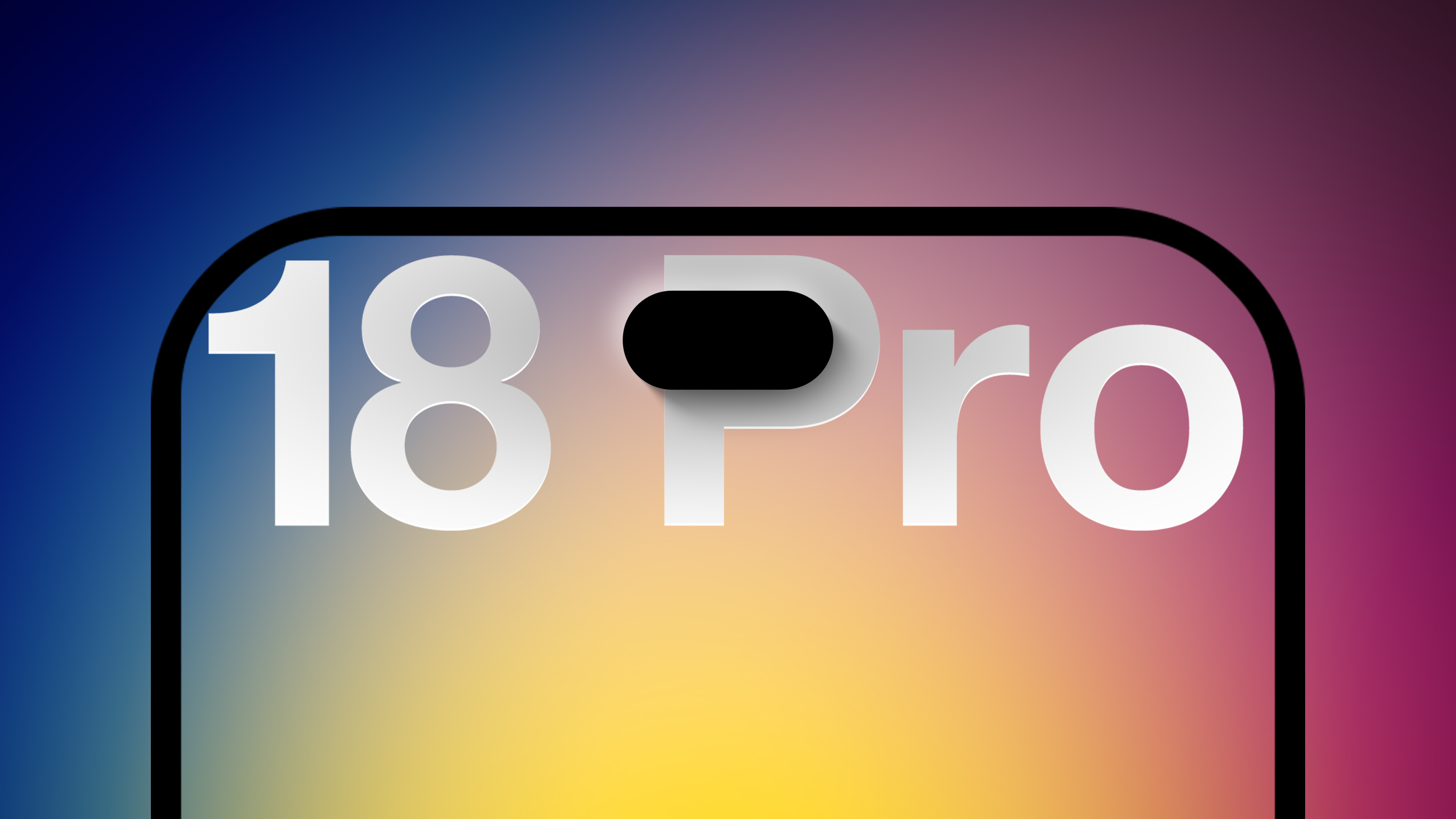
Understanding the Dynamic Island: A Revolutionary Feature
Before we delve into the shrinking size, let's briefly revisit what the Dynamic Island is and why it was introduced. First seen with the iPhone 14 Pro models, the Dynamic Island transformed the traditional notch—the cutout that housed the front camera and Face ID sensors—into an adaptive, interactive software element. It’s a clever blend of hardware and software that makes the physical cutout feel like a purposeful part of the user interface rather than just an obstruction.
Essentially, the Dynamic Island is a pill-shaped area at the top of the iPhone's display that dynamically changes its size and shape to show alerts, notifications, and ongoing background activities. It can expand to display incoming calls, Face ID authentications, timers, music playback controls, turn-by-turn navigation, and much more. This design choice allows for more screen real estate compared to the static notch it replaced, and more importantly, it introduced a new, intuitive way for users to interact with their iPhone, making multitasking more seamless and engaging.
When it launched, the Dynamic Island was widely praised as a smart and innovative solution to a long-standing design challenge. Instead of merely trying to hide the necessary sensors, Apple chose to embrace them and integrate them directly into the user experience. This makes the physical cutout not just a functional necessity but a vibrant part of iOS, distinguishing the Pro models and setting a new benchmark for how smartphone cutouts could be managed. Its dynamic nature gives it a unique charm, elevating the interaction beyond simple notifications.
The Latest Buzz: iPhone 18 Pro to Feature a Smaller Dynamic Island
The current buzz around the iPhone 18 Pro and Pro Max is largely centered on this anticipated reduction in the size of the Dynamic Island. According to reports from respected financial news outlet Bloomberg, which has an excellent track record for Apple-related leaks, the next generation of Pro iPhones will indeed feature a more compact version of this interactive cutout. This information isn't coming from just one source; several prominent leakers on platforms like Weibo and other social media sites have echoed Bloomberg's claims, stating that Apple intends to make the Dynamic Island smaller but will not completely remove it.
The fact that multiple, independent sources are converging on the same detail lends significant weight to this rumor. In the world of tech leaks, especially concerning Apple, a "deluge of differently-sourced rumors about the same feature" in the months leading up to a new iPhone's launch is often a strong indicator of accuracy. This pattern suggests that the information is likely originating from various points in Apple's complex supply chain, increasing its reliability and confirming the direction of the product's design.
It's worth noting that we heard similar rumors last year regarding a smaller Dynamic Island for the iPhone 17 Pro. However, those predictions ultimately didn't come to fruition, and the Dynamic Island on the iPhone 17 Pro remained the same size as its predecessor. This highlights the fluid nature of product development; plans can change, or initial prototypes might not always reflect the final shipping product. But the current wave of rumors, picking up strongly in late 2025 and early 2026, appears to be more consistent and widespread, building confidence that this time, the shrinkage is real.
There was also a period earlier in 2025 when many iPhone 18 Pro rumors focused on the possibility of under-display Face ID, which would have meant no Dynamic Island at all. These earlier reports might have been speculative, or perhaps Apple considered such a radical change for the iPhone 18 Pro lineup but decided to push it back to a later model. It's also plausible that there may have been some confusion regarding which components would move under the display and which would remain visible. The latest consensus clarifies this: a smaller Dynamic Island, rather than its complete removal.
The Journey Towards a Seamless Display: A Historical Perspective
The evolution of the iPhone's front display has been a fascinating journey, marked by Apple's continuous pursuit of a truly "all-screen" device. Before the Dynamic Island, the dominant feature at the top of the iPhone screen was the "notch," introduced with the iPhone X in 2017. The notch was revolutionary at the time because it allowed for a much larger display-to-body ratio compared to previous iPhones with thick bezels. However, it also became a polarizing design element. While it housed crucial technologies like Face ID, the front camera, and other sensors, its intrusion into the display was a constant visual reminder of the hardware limitations.
Apple's move from the notch to the Dynamic Island with the iPhone 14 Pro models was a clever design pivot. Instead of attempting to hide the cutout, they turned it into a dynamic, interactive feature, transforming a perceived weakness into a unique strength. This decision highlighted Apple's unique approach to design challenges: rather than merely reducing the size of the cutout, they reimagined its function, making it an integral part of the iOS experience. This allowed users to adapt to its presence more easily, and even find utility in it, something that was rarely said about the static notch.
However, the Dynamic Island, while innovative, is still a physical cutout. The ultimate aspiration for Apple, as many industry observers and even Apple executives have hinted, is to create an iPhone that is a complete slab of glass with no cutouts whatsoever. This "pure" display would offer an unparalleled immersive experience, completely free from interruptions. Such a device would represent the pinnacle of minimalist design and advanced display technology, truly fulfilling the vision of a device that disappears, leaving only the content.
Achieving this "slab of glass" ideal is a monumental technological challenge. It requires all essential components – the front camera, Face ID sensors, ambient light sensors, and proximity sensors – to function perfectly while being hidden beneath the display. Many Android manufacturers have experimented with hole-punch cameras and even under-display cameras, but often with compromises in camera quality or visibility of the under-display elements. Apple's more cautious approach, taking incremental steps like making the Dynamic Island smaller, suggests they are waiting for the technology to mature sufficiently to deliver an uncompromised experience before fully embracing a cutout-free design.
How Will Apple Make it Smaller? The Technology Behind the Rumors
Reducing the size of the Dynamic Island on the iPhone 18 Pro and Pro Max isn't a simple aesthetic tweak; it involves significant technological advancements. The rumors provide clues about how Apple plans to achieve this miniaturization. The primary method involves moving one of the key components of Face ID, the "dot illuminator," under the display.
Let's break down what that means. Face ID works by projecting thousands of invisible infrared dots onto your face to create a 3D depth map. The dot illuminator is responsible for emitting these dots. By relocating this component beneath the screen, Apple can free up valuable space in the Dynamic Island. This is a complex engineering feat because the display itself can interfere with the infrared light, potentially affecting the accuracy and reliability of Face ID. Apple would need to develop or source transparent display areas or specialized under-display sensor technology that allows the dot illuminator to work without compromise.
In addition to relocating the dot illuminator, rumors suggest Apple is also implementing new camera miniaturization technology. The front-facing camera, another essential component housed within the Dynamic Island, is a significant part of its current size. By making the camera module itself physically smaller without sacrificing image quality, Apple can further reduce the overall footprint of the cutout. This typically involves advanced lens designs, smaller sensor technology, or more compact internal wiring and stabilization mechanisms. Miniaturization in camera technology is an ongoing trend in the smartphone industry, constantly pushing the boundaries of what can be packed into tiny spaces.
It's important to understand what is *not* expected to move under the display for the iPhone 18 Pro. The front-facing camera, the Face ID dot projector (distinct from the illuminator, though often discussed together in the Face ID system), and the infrared camera are still expected to be housed *within* the visible Dynamic Island. This means the Dynamic Island will still exist as a physical cutout, but its reduced size will be due to the relocation of the dot illuminator and the overall miniaturization of the remaining components. This incremental approach is typical for Apple, ensuring that core functionalities like secure biometric authentication and high-quality selfies are not compromised as they work towards a completely seamless display.
Face ID: The Heart of Apple's Biometric Security
To fully appreciate the technical challenge and significance of moving any part of it under the display, it's worth taking a deeper look at Face ID. Introduced with the iPhone X, Face ID quickly became the industry standard for secure biometric authentication on smartphones. It's far more sophisticated than simple 2D facial recognition systems found on some other devices, which can often be fooled by photos or videos. Face ID uses a complex array of hardware, collectively known as the TrueDepth camera system, to create a highly accurate 3D map of the user's face.
The TrueDepth camera system comprises several key components working in unison:
- **Flood Illuminator:** An infrared light that illuminates the user's face, making it visible even in low-light conditions or complete darkness.
- **Dot Projector:** This is the component that projects more than 30,000 invisible infrared dots onto the user's face, creating a unique 3D facial map.
- **Infrared Camera:** This camera reads the dot pattern and captures an infrared image of the face, which is then sent to the iPhone's Secure Enclave for comparison with the stored facial data.
- **Front Camera:** The standard RGB camera also plays a role in capturing a 2D image, which aids in "attention awareness" – ensuring the user is looking at the phone.
Each of these components needs to be precisely calibrated and positioned to work effectively. Moving any of them under the display presents substantial hurdles. The display panel itself is designed to emit light, not transmit it perfectly from sensors underneath. This means engineers must find ways to make parts of the display transparent to specific wavelengths of light (like infrared) without affecting the visible screen quality for the user. They also need to account for any light distortion or scattering caused by the display layers, which could compromise the accuracy of the Face ID system.
The rumor of moving only the "dot illuminator" under the display for the iPhone 18 Pro is a strategic first step. It reduces the size of the Dynamic Island while potentially keeping the most sensitive parts – the dot projector and infrared camera – in their exposed positions for optimal performance. This allows Apple to gradually implement under-display technology as it becomes more reliable and perfected, rather than rushing a full integration that could lead to a degraded user experience. Maintaining the speed, accuracy, and security of Face ID is paramount, and any compromise in these areas would be unacceptable for Apple's premium devices.
The "Slab of Glass" Dream: A Glimpse into the Future
The ultimate vision for the iPhone, one that Apple has quietly been working towards for years, is a device that is a seamless slab of glass with no cutouts. This futuristic design would eliminate the Dynamic Island, the notch, and any other visible interruptions on the front display, creating a truly immersive and uninterrupted visual experience. While the iPhone 18 Pro models will feature a smaller Dynamic Island, this complete "disappearance" of sensors under the display is not expected to happen in fall 2026.
Instead, many analysts and leakers point to a later date for this groundbreaking change, potentially coinciding with the 20th anniversary iPhone, which is currently planned for 2027. This timeframe aligns with Apple's typical product development cycles, which often involve several years of research, development, and refinement for such major technological shifts. A 2027 launch would give Apple sufficient time to perfect the complex engineering required for a truly invisible front camera and Face ID system.
The challenges in achieving a "slab of glass" design are immense. Beyond simply moving components under the display, Apple needs to ensure that:
- **Camera Quality is Uncompromised:** Under-display cameras (UDCs) often suffer from image quality issues due to the display layers obscuring the lens. Apple would need to overcome issues like haze, diffraction, and color shifts to maintain its high standards for front-facing photography and video calls.
- **Face ID Performance is Flawless:** As discussed, Face ID relies on precise infrared projections and captures. Hiding the entire TrueDepth camera system beneath the display without impacting its speed, accuracy, or security is a monumental task.
- **Other Sensors Function Correctly:** Ambient light sensors and proximity sensors also need to operate accurately from beneath the display, ensuring features like automatic brightness adjustment and screen-off during calls work seamlessly.
- **Display Uniformity is Maintained:** The area above the under-display sensors often appears different from the rest of the screen, either with lower pixel density or a visible grid pattern. Apple would aim for a completely uniform display with no discernible compromise above the hidden components.
The aesthetic benefits of a completely seamless display are undeniable. Imagine watching a video or playing a game without any visual interruption, or having a cleaner, more elegant interface for iOS. Functionally, it could free up even more screen real estate for content and provide a sense of futuristic sophistication. This ambitious goal underscores Apple's long-term commitment to innovation and its relentless pursuit of a smartphone design that truly feels like magic.
Why Does Size Matter? User Experience and Design Implications
While moving from a notch to a Dynamic Island was a major functional improvement, further shrinking the Dynamic Island on the iPhone 18 Pro might seem like a minor update. However, even small changes in display design can have a significant impact on user experience and the overall perception of a device.
Here’s why a smaller Dynamic Island matters:
- **More Immersive Visuals:** The most immediate benefit is more usable screen real estate. Whether you're watching movies, browsing photos, or playing games, a smaller interruption at the top of the display means a more expansive and immersive visual experience. Every millimeter gained contributes to content taking center stage.
- **Improved Aesthetics and Symmetry:** For many users, the presence of any cutout, even one as clever as the Dynamic Island, is still a visual compromise. A smaller Dynamic Island contributes to a cleaner, more streamlined aesthetic. It moves Apple closer to the ideal of a perfectly symmetrical and uninterrupted screen, which aligns with modern minimalist design principles.
- **Less Distraction:** While the Dynamic Island cleverly integrates notifications, its physical presence can still be a subtle distraction for some users, particularly when consuming full-screen content. A smaller size makes it less intrusive, allowing users to focus more on what's on their screen rather than what's in the way.
- **Perceived Advancement:** In the fast-paced tech world, continuous refinement signals progress. A smaller Dynamic Island, achieved through advanced miniaturization and under-display technology, demonstrates Apple's ongoing innovation and engineering prowess. It shows that they are actively responding to feedback and pushing boundaries, even in seemingly minor details.
- **Psychological Impact:** There's a subtle psychological effect. A larger cutout might feel like a necessary compromise, whereas a smaller, almost disappearing one feels like a step towards technological triumph. It contributes to a feeling that the device is more advanced and "futuristic."
- **Better Balance of Hardware and Software:** The Dynamic Island is a brilliant software solution to a hardware problem. By making the hardware element physically smaller, Apple further enhances the illusion that the notifications and activities are truly "emerging" from the screen, rather than being confined to a larger physical space.
Ultimately, Apple's design strategy is often about perfecting the details. A smaller Dynamic Island might not be as dramatic as a completely invisible front camera, but it's a crucial step in that direction. It enhances the visual appeal, reduces distractions, and subtly improves the daily interaction users have with their most personal device, further solidifying the iPhone's position as a premium smartphone experience.
The Art of the Rumor Mill: Decoding Apple's Future
The journey of anticipating new Apple products, particularly the iPhone, is often guided by a vibrant and complex "rumor mill." This ecosystem of leaks, predictions, and insider information plays a significant role in shaping public expectations and generating excitement long before an official announcement. For the iPhone 18 Pro and its smaller Dynamic Island, the accuracy of these rumors is particularly interesting.
How does this rumor mill work, and why are some leaks more reliable than others?
- **Sources of Information:** Rumors typically originate from a variety of sources. High-profile publications like Bloomberg often have deep connections within Apple's supply chain, manufacturing partners, or even directly with Apple itself, providing highly credible insights. Independent leakers on platforms like X (formerly Twitter) or Weibo often gain their information from similar supply chain contacts, albeit sometimes through less direct channels. These individuals build reputations based on their accuracy over time.
- **The Supply Chain's Role:** Apple's vast global supply chain, involving numerous component manufacturers and assembly plants, is the primary source of leaks. At various stages of product development – from component design to mass production – information, specifications, and even physical parts can trickle out. The closer a product gets to mass production, the more solidified its design becomes, and thus, the more accurate the leaks tend to be.
- **Patterns of Rumors:** As mentioned in the original text, when a "deluge of differently-sourced rumors about the same feature" begins to emerge closer to a product's launch, it significantly boosts their credibility. This convergence of information from independent sources suggests that the details are consistent across different parts of the supply chain, indicating a finalized design.
- **"Mixed Rumors" and Their Explanations:** The existence of mixed rumors earlier in 2025, concerning whether the iPhone 18 Pro would have under-display Face ID or a Dynamic Island, is also typical. This can be due to several factors:
- **Multiple Prototypes:** Apple often experiments with multiple prototype designs simultaneously. Leaks might emerge from different prototype lines, leading to conflicting information about the final product.
- **Changing Plans:** Product development is dynamic. Features initially considered for one generation might be pushed back to a later one due to technical challenges, cost, or strategic decisions.
- **Misinterpretation or Speculation:** Sometimes, leakers might misinterpret partial information or engage in educated guesswork, which can also contribute to conflicting reports. As the launch approaches, clearer information usually filters out.
For the iPhone 18 Pro's smaller Dynamic Island, the current consistency across multiple reputable sources indicates that this particular rumor is likely to be accurate. It reflects a design decision that has been finalized and is now propagating through the manufacturing pipeline.
What This Means for iPhone Users and the Smartphone Market
The impending arrival of a smaller Dynamic Island on the iPhone 18 Pro and Pro Max holds significant implications, not only for loyal iPhone users but also for the broader smartphone market. It underscores Apple's strategic approach to innovation and its competitive stance.
For iPhone users, this change represents a tangible improvement in the daily interaction with their device. It means a slightly more expansive display for consuming content, a cleaner aesthetic, and a step closer to the seamless "slab of glass" experience many desire. While it might not be a revolutionary overhaul, these incremental advancements are crucial for maintaining user satisfaction and loyalty. They demonstrate Apple's commitment to refining existing features and pushing the envelope of industrial design, even when the changes seem subtle from a distance.
In the highly competitive smartphone market, display technology remains a key battleground. Android manufacturers have long offered various approaches to minimize front-facing camera cutouts, from waterdrop notches to punch-hole designs and increasingly, under-display cameras. Apple, with its meticulous attention to user experience, has typically taken a more measured approach, waiting until technology is robust enough to deliver an uncompromised experience. The move to a smaller Dynamic Island, achieved through sophisticated under-display Face ID components and camera miniaturization, showcases Apple's ability to innovate within its own stringent quality standards.
This development also sets a precedent for future iPhone models. It confirms that the path to a truly all-screen iPhone involves a staged implementation of under-display technology, starting with smaller, less critical components and gradually moving towards the full front camera and Face ID system. This methodical strategy ensures that users continue to receive reliable and high-performance features, rather than experimental technologies that might introduce compromises.
Furthermore, the anticipation around features like a smaller Dynamic Island helps maintain interest and excitement in the iPhone lineup. It fuels discussions, drives pre-orders, and encourages upgrades, solidifying Apple's market position. As the launch of the iPhone 18 Pro approaches, all eyes will be on how effectively Apple implements this change and how it impacts the overall user experience, setting the stage for the next generation of mobile innovation.
Conclusion: A Step Towards the Future
The anticipation surrounding the iPhone 18 Pro and Pro Max highlights Apple's continuous evolution in smartphone design and technology. The most compelling rumor, strongly supported by reports from Bloomberg and multiple industry leakers, points towards a significant refinement: a smaller Dynamic Island. This isn't just a minor aesthetic tweak; it represents a crucial step in Apple's long-term vision for a truly seamless, all-screen iPhone.
By integrating elements like the Face ID dot illuminator under the display and utilizing advanced camera miniaturization, Apple is demonstrating its engineering prowess and commitment to innovation. While the complete removal of all front-facing cutouts, the coveted "slab of glass" design, is still a few years away—possibly for the 20th anniversary iPhone in 2027—the iPhone 18 Pro will offer a glimpse into that future. A smaller Dynamic Island means more immersive content, a cleaner aesthetic, and an even more refined user experience, making the iPhone feel more advanced and less intrusive.
As the rumor mill continues to churn and the launch date approaches, the excitement for these advancements will only grow. The iPhone 18 Pro is poised to be another testament to Apple's relentless pursuit of perfection, delivering incremental yet meaningful improvements that pave the way for the revolutionary designs of tomorrow. For consumers, it's a promise of an ever-improving device that blends cutting-edge technology with intuitive design, continuing the legacy of innovation that defines the iPhone.
This article, "iPhone 18 Pro and Pro Max Expected to Feature Smaller Dynamic Island" first appeared on MacRumors.com
Discuss this article in our forums
from MacRumors
-via DynaSage
