
iPad 12 and iPad Air 8 Reportedly Coming Soon
Apple's Next-Gen iPads: A Deep Dive into the Future of Tablets
Exciting news is on the horizon for Apple enthusiasts and tablet users alike! Reliable reports indicate that Apple is gearing up to unveil new iPad and iPad Air models in the very near future. This revelation comes from the highly respected tech journalist, Mark Gurman of Bloomberg, whose insights into Apple's plans have proven remarkably accurate over the years. His latest "Power On" newsletter confirms that these anticipated updates are "coming soon," promising a fresh wave of innovation for Apple's tablet lineup.
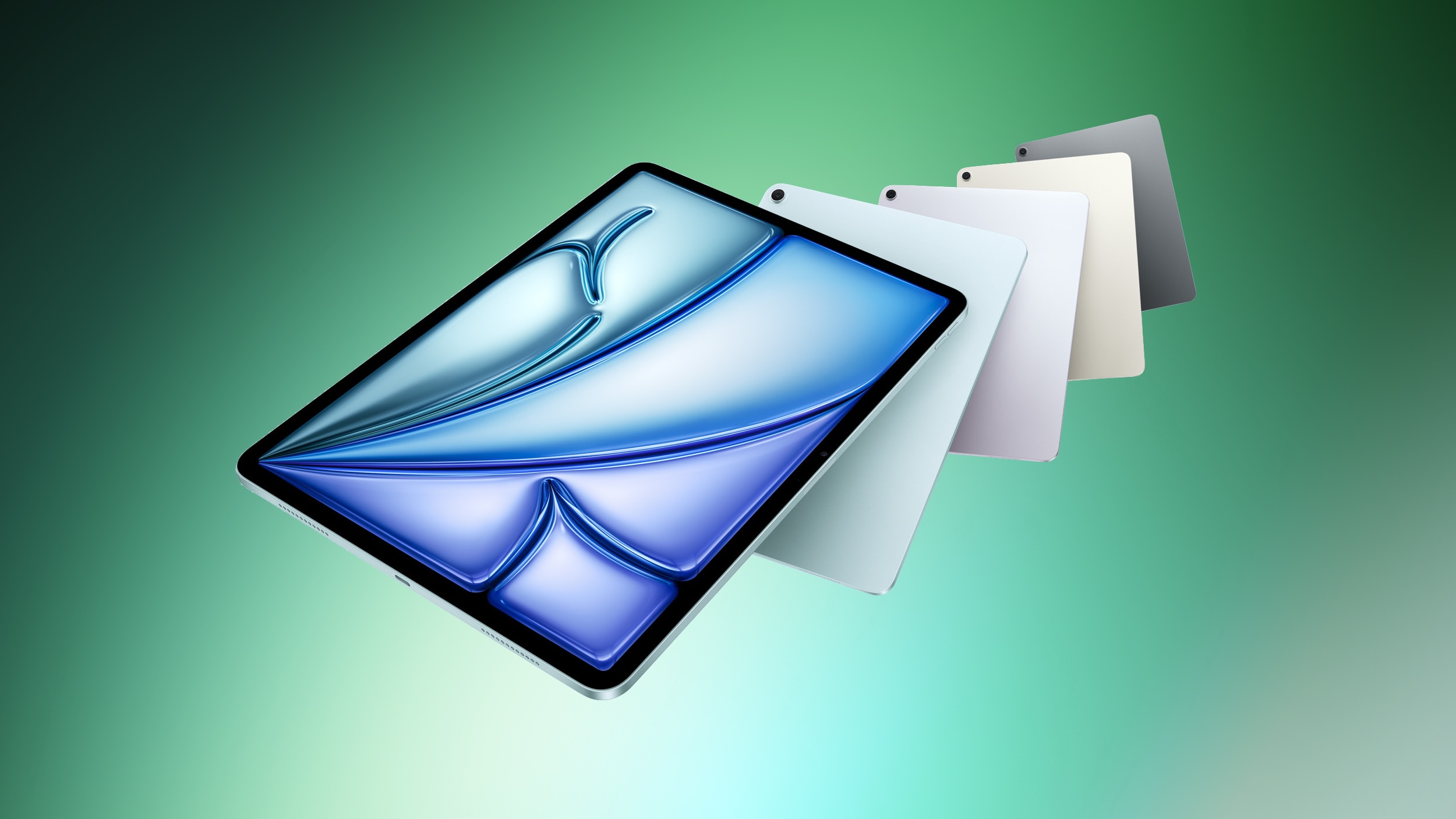
For many, the iPad has become an indispensable tool, seamlessly bridging the gap between smartphones and laptops. From casual browsing and entertainment to serious productivity and creative work, the versatility of Apple's tablet ecosystem is undeniable. These upcoming models, while not expected to introduce radical design overhauls, are poised to deliver significant performance boosts through cutting-edge new chips. This strategy suggests Apple is focusing on refining the core experience, making the existing form factors even more powerful and capable.
The Next Evolution: What to Expect from the New iPads
Gurman's report specifically highlights updates to the entry-level iPad and the iPad Air. These two models represent crucial segments of Apple's tablet market, catering to a broad spectrum of users from first-time tablet owners to seasoned professionals seeking a balance of power and portability. The focus on internal enhancements, particularly new processors, signals Apple's commitment to pushing the boundaries of what these devices can do, especially in the burgeoning field of artificial intelligence.
The 12th-Generation iPad: A Smart Leap Forward
The standard iPad has long been the cornerstone of Apple's tablet offerings, celebrated for its affordability, reliability, and ease of use. It serves as the perfect entry point into the iPad ecosystem for students, families, and anyone looking for a versatile and intuitive computing device. The upcoming 12th-generation iPad is set to receive a substantial upgrade in the form of the A18 chip, a move that is much more significant than it might appear at first glance.
Unlocking Apple Intelligence with the A18 Chip
The inclusion of the A18 chip is perhaps the most pivotal enhancement for the new entry-level iPad. This isn't just about faster app loading or smoother multitasking; it's about unlocking a new era of intelligent features for the device. The A18 chip is expected to facilitate full support for Apple Intelligence, marking the first time the standard iPad will be able to fully harness Apple's powerful suite of generative AI capabilities. This is a game-changer for a device that has previously been limited in its AI functionality.
To understand the magnitude of this upgrade, consider the previous 11th-generation iPad, which launched in March 2025 with the A16 chip. Despite the widespread availability of Apple Intelligence across other compatible Apple devices at that time, the A16 chip in the entry-level iPad did not meet the stringent requirements for on-device AI processing. This meant that users of the 11th-gen model missed out on features like advanced text summarization, image generation, context-aware Siri interactions, and other intelligent functionalities designed to make daily tasks easier and more intuitive.
With the A18 chip, the 12th-generation iPad will finally catch up, bringing these transformative AI features to a much broader audience. Apple Intelligence is designed to personalize and simplify the user experience, working across apps to understand user intent, generate content, and perform complex actions with unprecedented ease. Imagine drafting emails with AI assistance, summarizing lengthy documents with a tap, or creating unique images based on simple text prompts – all directly on your entry-level iPad. This level of smart assistance promises to redefine productivity and creativity for standard iPad users.
Design Continuity and Market Strategy
While the internal hardware sees a significant leap, the new entry-level iPad is not expected to feature major design changes. This approach is typical for Apple's standard iPad line, which prioritizes functional updates and affordability over aesthetic overhauls. Maintaining the existing design helps keep production costs down, which is crucial for a product positioned as the most accessible iPad. Users can expect the familiar form factor, perhaps with subtle refinements, but the core experience will be driven by the raw power of the A18 chip.
The report also highlights the continued strong sales performance of the entry-level iPad, particularly over recent holiday periods. This success underscores the enduring appeal of the basic model and its importance in Apple's product portfolio. Looking ahead, Apple purportedly plans to market the new model heavily to enterprise customers. The addition of Apple Intelligence support makes the 12th-generation iPad an even more compelling tool for businesses, offering enhanced productivity, improved data handling, and smarter workflows for employees in various sectors, from retail to field service and education.
The 8th-Generation iPad Air: M4 Power for the Prosumer
Positioned as the "Goldilocks" option in Apple's tablet family, the iPad Air strikes a masterful balance between the affordability of the standard iPad and the professional-grade capabilities of the iPad Pro. It's the ideal choice for users who demand more power and features than the entry-level model offers but don't necessarily require the bleeding-edge performance or specialized displays of the Pro line. The upcoming eighth-generation iPad Air is set to shatter expectations with its reported inclusion of the M4 chip, a truly monumental upgrade.
M4 Chip: Unprecedented Power for the Air
The news that the eighth-generation iPad Air will apparently feature the M4 chip is genuinely astonishing. Historically, the Air models have adopted M-series chips one or two generations behind the latest Pro models (e.g., the M1 or M2). The M4 chip, however, is Apple's latest and most powerful processor, usually reserved for the most premium, professional-grade devices. Its introduction into the iPad Air signifies a massive leap in performance and capability for this tier of iPad.
The M4 chip is engineered for extreme performance, delivering incredible speeds for CPU-intensive tasks, graphically demanding applications, and, crucially, advanced AI processing. Its neural engine is designed to handle billions of operations per second, making it an absolute powerhouse for machine learning and artificial intelligence workloads. For iPad Air users, this translates to an unprecedented level of responsiveness and efficiency. Professional applications like video editing suites, 3D rendering software, and complex graphic design tools will run smoother and faster than ever before. Gaming will reach new heights with console-quality graphics and fluid frame rates.
The M4's efficiency core architecture also means that despite its immense power, the new iPad Air should maintain excellent battery life, allowing users to work, create, and play for extended periods without needing to recharge. This combination of raw power and energy efficiency makes the M4-powered iPad Air an incredibly compelling device for creators, students, and anyone who pushes their tablet to its limits.
Refined Experience, Familiar Form
Similar to the entry-level iPad, the eighth-generation iPad Air is not expected to undergo significant design changes. This means users can anticipate the sleek, modern aesthetic that has defined the Air line, with its thin bezels and wide color options. While some might hope for a refreshed look, the decision to maintain the current design likely allows Apple to focus resources on the internal power boost, delivering a phenomenal performance upgrade without incurring the costs associated with a full redesign. This also means accessories like the Magic Keyboard and Apple Pencil (likely the latest generation) will remain compatible, offering a seamless transition for existing Air users looking to upgrade.
The M4-powered iPad Air will firmly cement its position as a true "prosumer" device, capable of handling tasks that were once exclusively the domain of high-end laptops. It will appeal to photographers editing large RAW files, musicians composing complex tracks, illustrators working on intricate digital art, and students juggling demanding research projects. The sheer processing power of the M4 chip, combined with the versatility of iPadOS, will empower users to tackle virtually any task with confidence and speed.

The iPad mini: A Dazzling Display Upgrade
While the standard iPad and iPad Air are focusing on chip upgrades, the beloved iPad mini is rumored to be receiving a more visually striking enhancement. According to the report, the iPad mini is said to be the only new iPad set to get a bigger upgrade this year, moving to an OLED display. This particular upgrade is a testament to Apple's understanding of the mini's unique appeal and its commitment to offering premium features across its diverse tablet lineup.
The Brilliance of OLED on a Compact Canvas
An OLED (Organic Light Emitting Diode) display is a significant step up from the LCD technology typically found in the current iPad mini. The benefits of OLED are immediately noticeable and profoundly enhance the visual experience. With OLED, each pixel emits its own light, allowing for true blacks and an infinite contrast ratio. This results in colors that are incredibly vibrant and lifelike, with remarkable depth and nuance. Images pop off the screen, and videos are more immersive, offering an unparalleled viewing experience on a portable device.
Beyond color and contrast, OLED displays also offer superior energy efficiency, especially when displaying darker content, as pixels can be completely turned off. This could translate to even better battery life for the iPad mini, a crucial factor for a device designed for on-the-go use. Furthermore, OLED panels generally boast faster response times, which would benefit gaming and fast-paced video content, reducing motion blur and ghosting. For a device cherished for its portability and media consumption capabilities, an OLED upgrade transforms the iPad mini into a truly premium compact tablet, making it ideal for reading, gaming, watching movies, and even light creative work where color accuracy is important.
Why a "Bigger Upgrade" for the Mini?
The decision to give the iPad mini an OLED display, categorizing it as a "bigger upgrade" than a mere chip bump, reflects a strategic choice by Apple. The mini’s form factor is its defining characteristic, and enhancing the visual output directly elevates its core strength as a highly portable media and content consumption device. While new chips are always welcome, a display upgrade of this magnitude fundamentally changes how users interact with and perceive content on the device. It positions the iPad mini as a niche, premium offering for those who prioritize compactness without compromising on display quality, filling a unique space in the tablet market that even the powerful new Air and standard iPad won't quite touch.
The Broader Impact: Apple's iPad Strategy and the AI Revolution
These anticipated updates to the iPad lineup are not isolated events but rather integral components of Apple's overarching strategy for its tablet division and its broader push into artificial intelligence. The timing and nature of these releases shed light on how Apple plans to differentiate its devices, cater to specific user needs, and integrate cutting-edge technology across its product ecosystem.
Differentiating the Lineup
With an OLED iPad mini, an M4-powered iPad Air, and an Apple Intelligence-capable entry-level iPad, Apple is further sharpening the distinctions between its tablet models. Each device appears poised to offer a compelling value proposition tailored to different user segments:
- iPad mini: The ultimate portable, premium media consumption and light productivity device.
- Entry-Level iPad: The accessible, versatile workhorse now supercharged with AI for general use and enterprise.
- iPad Air: The powerful prosumer choice, offering near-Pro performance for demanding tasks without the Pro's highest price tag.
- (Presumably) iPad Pro: Remaining the absolute pinnacle, likely with even more advanced M-series chips, ProMotion OLED displays, and specialized features for the most demanding creative and professional workflows.
This clear segmentation ensures that no matter a user's budget or specific requirements, there's an iPad perfectly suited for them, minimizing overlap while maximizing choice.
The Dawn of Apple Intelligence on More Devices
The emphasis on Apple Intelligence support for the entry-level iPad highlights Apple's commitment to democratizing AI. By bringing these advanced capabilities to its most affordable tablet, Apple ensures that a vast number of users will be able to experience the transformative power of generative AI in their daily lives. This strategy is crucial for widespread adoption and demonstrates Apple's belief that AI should be a core, accessible feature, not just an exclusive perk for high-end devices.
Apple Intelligence isn't merely a collection of isolated features; it's a deeply integrated system designed to understand personal context, enhance creativity, and streamline productivity across the entire Apple ecosystem. Its presence on the 12th-generation iPad means that students will have smarter research tools, casual users will enjoy more intuitive interactions, and enterprise customers will benefit from AI-driven insights and efficiencies directly on their standard iPads. This push is foundational to Apple's future software strategy, promising a more personalized, proactive, and powerful user experience across the board.
Market Impact and Timing
The phrase "coming soon" from Mark Gurman typically signals an imminent release, often within weeks or a couple of months. Apple tends to stagger its product launches, and new iPads frequently appear in the spring or fall. A spring launch would kick off the year with significant product news, building anticipation for later releases. The robust updates, particularly to the Air and standard iPad, are likely to generate strong consumer interest and could invigorate the broader tablet market. With powerful new chips and integrated AI, Apple is setting a new standard for tablet performance and intelligence, potentially compelling many users to upgrade or invest in their first iPad.
The targeted marketing towards enterprise customers for the new standard iPad is also noteworthy. This indicates Apple's ambition to grow its presence in business and education sectors, where the reliability, security, and now, the AI capabilities of the iPad can offer significant advantages. Combined with the sheer power of the M4 iPad Air, Apple is solidifying its position not just as a consumer tech leader but also as a serious contender in the professional and corporate computing space.
What This Means for You: User Experience and Future Possibilities
For everyday users, these updates translate directly into a more fluid, powerful, and intelligent computing experience. Whether you're a student preparing presentations, a creative professional editing multimedia, or simply someone who enjoys browsing and entertainment, the next generation of iPads promises to deliver substantial improvements.
- Unmatched Performance: The A18 and M4 chips will ensure that apps launch instantly, multitasking is seamless, and even the most demanding games run without a hitch. This translates to less waiting and more doing.
- Smarter Interactions: Apple Intelligence will transform how you interact with your device. From generating text and images to providing context-aware suggestions and powerful search capabilities, your iPad will feel more like a truly intelligent assistant.
- Stunning Visuals: The OLED iPad mini will offer a visual feast, making movies, photos, and games look more vibrant and immersive than ever before. This sets a new bar for portable display quality.
- Future-Proofing: Investing in a device with an A18 or M4 chip means your iPad will be capable of handling future software updates and demanding applications for years to come, extending the lifespan and value of your purchase.
These rumored updates suggest a period of exciting evolution for the iPad. Apple continues to refine its strategy, delivering devices that are not just incrementally better but fundamentally more capable and intelligent. The future of tablets, powered by advanced silicon and integrated AI, looks brighter than ever.
As we eagerly await official announcements, the anticipation for these new iPads continues to build. Mark Gurman's report gives us a tantalizing glimpse into what's to come, and it's clear that Apple is preparing to make a significant statement in the tablet market. Get ready for a smarter, more powerful, and visually stunning iPad experience!
This article, "iPad 12 and iPad Air 8 Reportedly Coming Soon" first appeared on MacRumors.com
Discuss this article in our forums
from MacRumors
-via DynaSage
