
iOS 26.4 Beta Adds End-to-End Encryption for iPhone-to-Android RCS Texts
Breaking Down the Digital Walls: End-to-End Encryption Comes to iPhone-Android RCS Messages
In a monumental shift that promises to redefine how billions communicate, Apple and Google have embarked on a crucial testing phase for end-to-end encryption (E2EE) for RCS (Rich Communication Services) messages. This groundbreaking development, initiated with the second beta of iOS 26.4, means that for the first time, text messages exchanged between iPhone and Android users can achieve the highest standard of privacy and security.
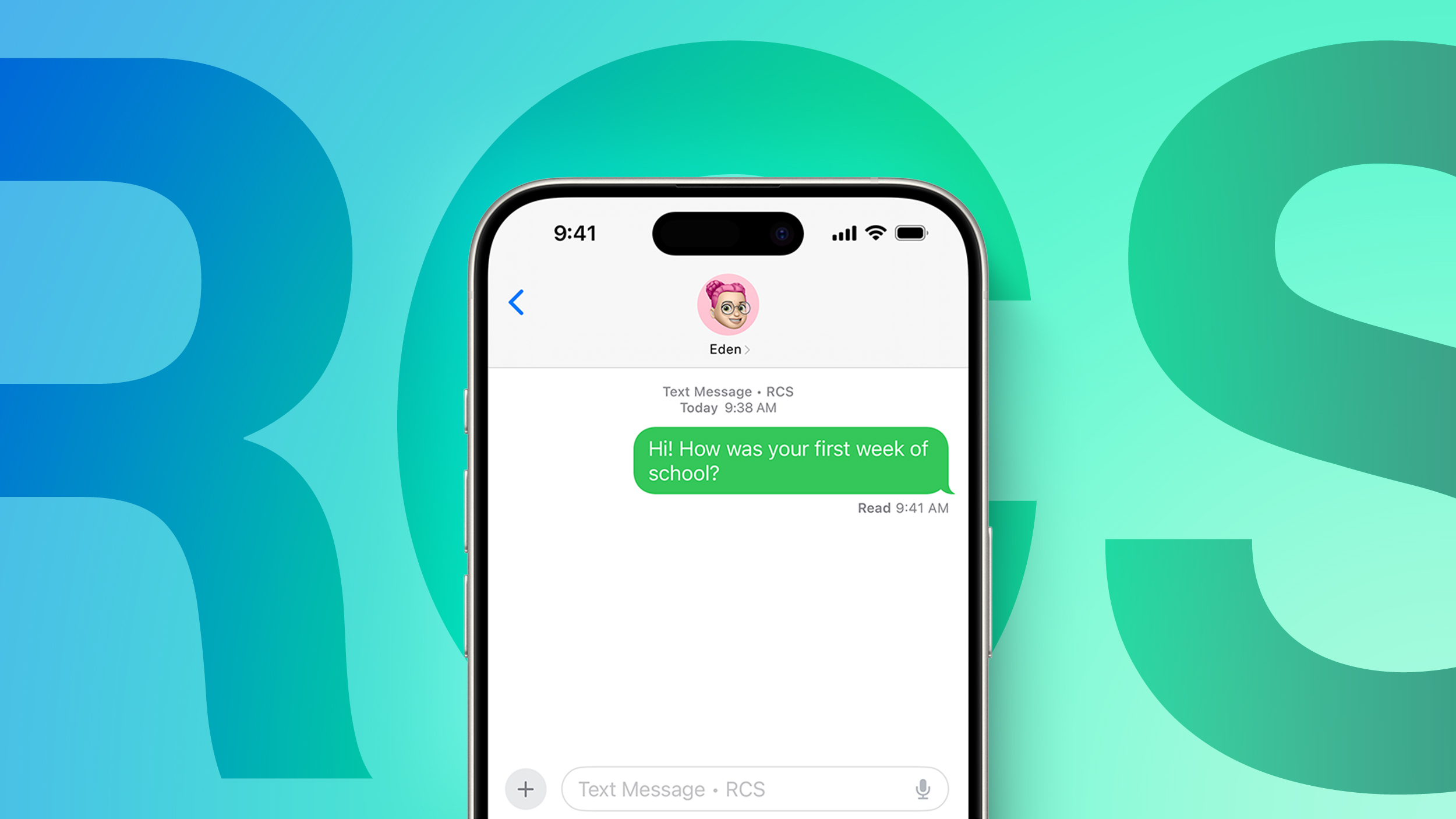
This news marks a significant departure from the long-standing status quo where conversations between the two mobile ecosystems were often less secure and feature-rich than those within a single platform. For years, the divide between the blue bubbles of iMessage and the green bubbles of standard SMS/MMS on Android has been a point of contention, sometimes even a social barrier. Now, with E2EE for RCS, the future of cross-platform messaging looks dramatically more secure and integrated.
What is End-to-End Encryption (E2EE) and Why Is It So Important?
Before diving deeper into the implications of this news, it’s essential to understand what end-to-end encryption (E2EE) truly means. Simply put, E2EE is a communication system where only the communicating users can read the messages. In other words, no one – not the internet service provider, not the telecommunications company, not even the messaging service provider itself – can access the content of your conversation. This is achieved through sophisticated cryptographic techniques.
How E2EE Works: A Simplified Explanation
Imagine you want to send a secret message to a friend. With E2EE, your message is scrambled (encrypted) on your device before it even leaves. This scrambled message then travels across the internet. When it reaches your friend's device, it's unscrambled (decrypted) there. The "keys" to scramble and unscramble the message are unique to your conversation and are known only to your devices and your friend's devices. These keys are generated securely and exchanged in a way that prevents anyone in the middle from seeing them.
This process ensures that if an unauthorized party intercepts the message while it's in transit, all they will see is unintelligible gibberish. They cannot read your conversation. This level of security stands in stark contrast to traditional SMS, which travels unencrypted and can be easily intercepted and read by anyone with the right tools or access. Even some modern messaging services only offer "encryption in transit" (transport encryption), meaning the messages are secure while traveling but can be read by the service provider once they reach their servers. E2EE goes further by encrypting messages at the source and decrypting them only at the destination, bypassing the service provider's ability to read them.
The Pillars of Digital Privacy
In an age where data privacy and digital surveillance are paramount concerns, E2EE has emerged as a fundamental requirement for secure communication. It empowers individuals with control over their private conversations, protecting them from:
- Government Surveillance: Making it more difficult for authorities to monitor communications without proper legal processes and access to end-user devices.
- Cybercriminals: Safeguarding sensitive personal and financial information from hackers who might try to intercept messages.
- Corporate Espionage: Protecting confidential business communications from competitors.
- Service Providers: Ensuring that even the companies operating the messaging service cannot read or store the content of your messages, thus preventing them from being compelled to share it or from having it exposed in a data breach.
For these reasons, E2EE is a non-negotiable feature for privacy-conscious users and is standard in leading secure messaging apps like Signal and WhatsApp. Its arrival for cross-platform texting between iPhones and Androids via RCS is a monumental step forward for universal digital privacy.
The Evolution of RCS: More Than Just a Text Message
To fully appreciate the significance of E2EE coming to RCS, it's important to understand what RCS is and how it differs from the traditional SMS (Short Message Service) and MMS (Multimedia Messaging Service) protocols that have dominated mobile communication for decades.
Out with the Old: Limitations of SMS/MMS
SMS, introduced in the early 1990s, was designed for sending short, plain text messages. It has severe limitations:
- Character Limits: Typically 160 characters per message.
- No Read Receipts or Typing Indicators: Basic, one-way communication.
- Low-Quality Media: MMS allowed pictures and videos, but often compressed them heavily, resulting in poor quality.
- Group Chat Limitations: Basic, often unreliable group messaging with limited features.
- Lack of Encryption: Messages are sent unencrypted, making them vulnerable to interception.
These limitations became increasingly apparent with the rise of modern internet-based messaging apps like iMessage, WhatsApp, and WeChat, which offered a far richer and more interactive experience.
In with the New: The Promise of RCS
RCS, or Rich Communication Services, is an industry standard developed by the GSM Association (GSMA) with the aim of upgrading the default messaging experience on smartphones. It's often referred to as "SMS on steroids" or "iMessage for everyone." RCS leverages data networks (Wi-Fi or mobile data) rather than cellular networks, allowing for a host of advanced features previously exclusive to proprietary messaging apps:
- Higher Quality Media Sharing: Send high-resolution photos, videos, and larger files without heavy compression.
- Read Receipts: See when your messages have been delivered and read.
- Typing Indicators: Know when the other person is typing a response.
- Richer Group Chats: Advanced group messaging features, including the ability to name groups and add/remove participants.
- Larger Message Sizes: No practical character limits.
- Enhanced Business Messaging: Used for interactive communication with businesses, such as booking appointments, checking order status, or receiving boarding passes.
- Improved Security: With E2EE, it finally offers the same level of privacy as dedicated messaging apps.
Google has been a leading proponent of RCS, pushing for its widespread adoption across the Android ecosystem and among carriers. For Android users, Google Messages has largely become the standard RCS client, offering these enhanced features for Android-to-Android communication.
The "Green Bubble" Saga: Bridging the iPhone-Android Divide
For years, the difference in messaging experience between iPhone and Android users has been a cultural and technological flashpoint. On iPhones, messages sent to other iPhones appear in distinctive blue bubbles, indicating they are iMessages – Apple's proprietary, internet-based messaging service which has long supported E2EE and all the rich features mentioned above. However, when an iPhone user texts an Android user, the message defaults to SMS/MMS, appearing in a green bubble. This "green bubble" experience meant lower quality media, no read receipts, and crucially, no encryption.
This disparity led to real-world social pressures and frustrations. Android users often felt excluded from the "premium" messaging experience, sometimes even facing social stigma. Apple, for its part, maintained that iMessage's superior features and privacy were reasons to choose an iPhone, and initially resisted calls to adopt RCS, citing concerns about its lack of native E2EE.
Google, on the other hand, actively campaigned for Apple to adopt RCS, arguing that it would level the playing field and provide a better, more secure experience for all smartphone users. The pressure mounted from various fronts, including consumer demand and even potential regulatory scrutiny, particularly in regions like the European Union, which has been focusing on digital market fairness and interoperability.
Apple's Historic Pivot: Why Now?
In November 2023, Apple announced a significant change of heart: it would indeed adopt RCS Universal Profile in 2024. While the company didn't explicitly state the reasons, it was widely speculated that a combination of factors led to this decision:
- Consumer Demand: Users across both platforms have consistently expressed a desire for a more seamless and secure cross-platform messaging experience.
- Competitive Pressure: Google's relentless campaign and the continued advancement of RCS made it harder for Apple to ignore.
- Regulatory Landscape: The looming threat of legislation, such as the EU's Digital Markets Act (DMA), which could mandate interoperability for "gatekeeper" platforms, likely played a role. While the DMA initially focuses on other services, messaging interoperability could be a future target.
- Privacy Concerns: Apple's initial resistance to RCS cited its lack of E2EE. By working with the GSMA to integrate E2EE into RCS for iPhone-Android communications, Apple can now adopt the standard without compromising its long-held commitment to user privacy and security. This allows them to embrace RCS while maintaining their brand reputation for security.
This pivot was celebrated by many as a victory for interoperability and a win for consumers, signaling a future where the "green bubble" might no longer signify a second-class messaging experience.
The Big News: E2EE for iPhone-Android RCS Texts Arrives in Beta
The latest development, unfolding with the second beta of iOS 26.4, is the practical realization of Apple's commitment. Previously, Apple had started testing E2EE for RCS in the first beta, but that feature was limited to iPhone-to-iPhone communications where iMessage was specifically turned off. This niche scenario allowed Apple to test the underlying RCS encryption mechanisms within its own ecosystem. However, with the current beta, the scope has significantly broadened.
Now, iPhone users running the second beta of iOS 26.4 can send and receive encrypted RCS messages to and from Android users. This is a critical step because it demonstrates the technical feasibility and implementation of cross-platform E2EE for RCS. On the Android side, users will need to have the latest version of Google Messages, which is Google's primary client for RCS communication.
This beta testing phase is crucial for ironing out any bugs, ensuring compatibility, and optimizing the encryption protocols across two distinct operating systems and messaging clients. It represents a collaborative effort between Apple and Google to deliver a seamless and secure messaging experience for a truly global user base.
What This Means for Users and Developers in the Beta
While this is exciting news, it's important to understand the context of a beta release. According to Apple's developer release notes for beta 2, while E2EE is being tested for RCS, it isn't expected to ship with the final public release of iOS 26.4. Instead, it will be made available at a later date, in a future iOS, iPadOS, macOS, and watchOS release.
In this beta, RCS end-to-end encryption will become available for testing between Apple and Android devices. This feature is not shipping in this release and will be available to customers in future iOS, iPadOS, macOS, and watchOS 26 releases. End-to-end encryption is in beta and is not available for all devices or carriers. Conversations labeled as encrypted are encrypted end-to-end, so messages can't be read while they're sent between devices.
This statement clarifies that the feature is still under active development and refinement. The beta period allows Apple and Google to gather vital feedback and data, ensuring a robust and reliable rollout when it becomes publicly available. It also suggests that the implementation is complex, requiring careful integration across multiple platforms and potentially requiring updates to messaging clients beyond just iOS.
For those participating in the beta, messages exchanged with E2EE active will likely be visually indicated as encrypted within the messaging app, giving users peace of mind that their communications are secure. However, users should be aware that during this beta period, E2EE for RCS might not be available for all devices or across all cellular carriers. This is typical for beta programs, which often have limited scope and may not yet support the full range of hardware and network configurations.
The Role of the GSM Association
This interoperability and standardization effort wouldn't be possible without the foundational work of the GSM Association (GSMA). Apple explicitly stated that it worked with the GSMA to implement end-to-end encryption for RCS. The GSMA is a global organization representing the interests of mobile network operators worldwide. They are responsible for developing and maintaining the global standards that enable mobile communication, including the Universal Profile for RCS.
Their involvement is crucial because they provide the neutral ground and technical expertise needed to ensure that RCS can operate seamlessly across different manufacturers, operating systems, and carriers. By collaborating with the GSMA, Apple is contributing to a truly open and interoperable standard, rather than creating another proprietary solution. This collaboration underscores a commitment to universal secure messaging, something that benefits everyone in the mobile ecosystem.
Comparing with Existing E2EE Solutions
It's important to place this development within the broader context of existing E2EE solutions. iMessage, Apple's proprietary messaging service for texts between iPhones, has long supported end-to-end encryption. This has been a key selling point for Apple, highlighting the privacy benefits of staying within their ecosystem.
Similarly, Android's RCS implementation, particularly through Google Messages, already has E2EE for Android-to-Android texts. This means that if both sender and receiver are Android users using Google Messages, their conversations are already secure. The gap, however, has always been the cross-platform communication. At the current time, there has been no full encryption for iPhone-to-Android and Android-to-iPhone conversations via the default messaging apps. Messages between these platforms would revert to the less secure SMS/MMS standard.
This new development effectively closes that critical encryption gap, bringing the same level of security enjoyed within a single ecosystem to the vast majority of smartphone users who communicate across platforms using their native messaging applications. It means that the default messaging experience, regardless of the phone brand, can finally achieve a baseline of privacy that was once reserved for proprietary apps or third-party solutions.
What This Means for the Average User: Beyond the Green Bubble
For the everyday smartphone user, this change translates into a significantly improved messaging experience, particularly for those who frequently communicate across the iPhone-Android divide:
- Enhanced Privacy and Security: The most important benefit. You can now send sensitive information – be it personal details, financial data, or private thoughts – between an iPhone and an Android phone through the default messaging app with confidence that only you and the recipient can read it.
- Richer Communication: Beyond encryption, the adoption of RCS means higher quality photos and videos, reliable read receipts, typing indicators, and better group chat functionalities. The "green bubble" will no longer be synonymous with a subpar experience.
- Reduced Fragmentation: While not a complete unification of messaging (iMessage still has unique features not available on RCS), it significantly reduces the feature disparity between the two major mobile platforms, creating a more seamless communication environment.
- Less Reliance on Third-Party Apps: For many, especially in regions where WhatsApp or other apps aren't universally dominant, this means the default Messages app can now serve as a secure and feature-rich primary communication tool, reducing the need to switch between apps for different contacts.
Potential User Experience Implications
Once fully rolled out, users likely won't need to do anything special to enable E2EE for RCS. When communicating with an Android user who also has RCS enabled, the Messages app on iPhone will automatically use RCS. The presence of E2EE will likely be indicated by a small badge or notification within the conversation thread, similar to how iMessage indicates encrypted conversations. This seamless integration is key to widespread adoption and ensuring that privacy becomes the default, not an opt-in feature.
The Future of Messaging: A More Interoperable World
The introduction of E2EE for iPhone-to-Android RCS texts is more than just a technical update; it signals a broader trend towards a more interoperable and secure digital landscape. For years, "walled gardens" have been a defining characteristic of tech ecosystems. While they offer benefits in terms of control and security within their boundaries, they often create friction at the edges.
This move by Apple, supported by Google and the GSMA, suggests a willingness to open up critical communication channels in a way that benefits users globally. It doesn't mean the end of iMessage as a distinct service, but it elevates the baseline experience for everyone. It also puts pressure on other messaging platforms to maintain and enhance their security features, driving innovation across the board.
Looking ahead, we might see further enhancements to RCS, potentially including more advanced features like voice and video calls, or even deeper integration with business messaging. The groundwork laid by implementing E2EE for text messages opens the door for a future where secure, rich communication is truly universal, irrespective of the device in your hand.
Challenges and What Comes Next
While the outlook is overwhelmingly positive, some challenges remain. The beta nature of the current rollout means that general availability is still some time away, and compatibility with all devices and carriers is not yet guaranteed. There will be a period of transition as both Apple and Google continue to refine the implementation and push it out to their wider user bases.
Furthermore, while E2EE for RCS dramatically improves privacy, it's worth noting that it doesn't entirely eliminate the "green bubble." Messages from iPhone to Android that are sent over RCS will still appear in a green bubble on the iPhone, but this green bubble will now represent a richer, encrypted messaging experience, not merely a fallback to SMS/MMS. The visual distinction will remain, but its meaning will be fundamentally altered.
The tech community will be closely watching the public rollout, user adoption rates, and any further features that emerge from this collaboration. This is a journey, not a destination, but it’s a journey that has now taken a decisive and incredibly important step forward for universal secure messaging.
Conclusion: A Milestone for Digital Privacy
The testing of end-to-end encryption for RCS messages between iPhone and Android users in iOS 26.4 beta 2 is a watershed moment in mobile communication. It represents a significant commitment from two of the world's largest tech giants to enhance user privacy and improve the cross-platform messaging experience. By finally bringing E2EE to the default messaging standard between these ecosystems, Apple and Google are not just fixing a long-standing pain point; they are setting a new standard for secure, interoperable communication that benefits billions. The "green bubble" is no longer just a fallback; it's on its way to becoming a symbol of universal, private communication. This is a monumental win for consumers and a testament to the power of industry collaboration for the greater good.
This article, "iOS 26.4 Beta Adds End-to-End Encryption for iPhone-to-Android RCS Texts" first appeared on MacRumors.com
Discuss this article in our forums
from MacRumors
-via DynaSage
