
Future MacBooks May Hide Your Screen From Strangers
Apple MacBooks to Get Revolutionary Built-in Privacy Screens: A Deep Dive into Future Security
In an increasingly connected world, protecting our digital privacy has become more crucial than ever. Whether you're working on sensitive documents in a bustling coffee shop, reviewing personal emails on a crowded train, or simply trying to keep prying eyes away from your notifications in a shared office space, the threat of "shoulder surfing" is a constant concern. For years, users have relied on clunky, stick-on privacy filters that often compromise screen brightness and color accuracy, not to mention their aesthetic appeal. But what if your laptop could offer this vital protection seamlessly, built directly into its very display?
Exciting news from the tech world suggests that this futuristic vision is rapidly becoming a reality. Apple, a company known for its emphasis on user experience and security, is reportedly on track to integrate advanced, built-in privacy screen technology into its future MacBook lineup within the next three years. This groundbreaking development, highlighted in a report from the respected market research firm Omdia and corroborated by tech leaker Ice Universe, promises to redefine how we interact with our devices in public and private settings, offering unparalleled peace of mind.
Imagine a MacBook display that, at the flick of a digital switch, becomes virtually invisible to anyone not sitting directly in front of it. Onlookers from the side would see nothing but a darkened or obscured image, rendering your private information truly private. This isn't just a minor upgrade; it's a significant leap forward in personal computing security, aligning perfectly with the growing demand for robust digital safeguards. This blog post will delve deep into this anticipated technology, exploring its mechanics, the precedent set by other tech giants, Apple's own patent explorations, and the broader implications for the future of mobile computing.
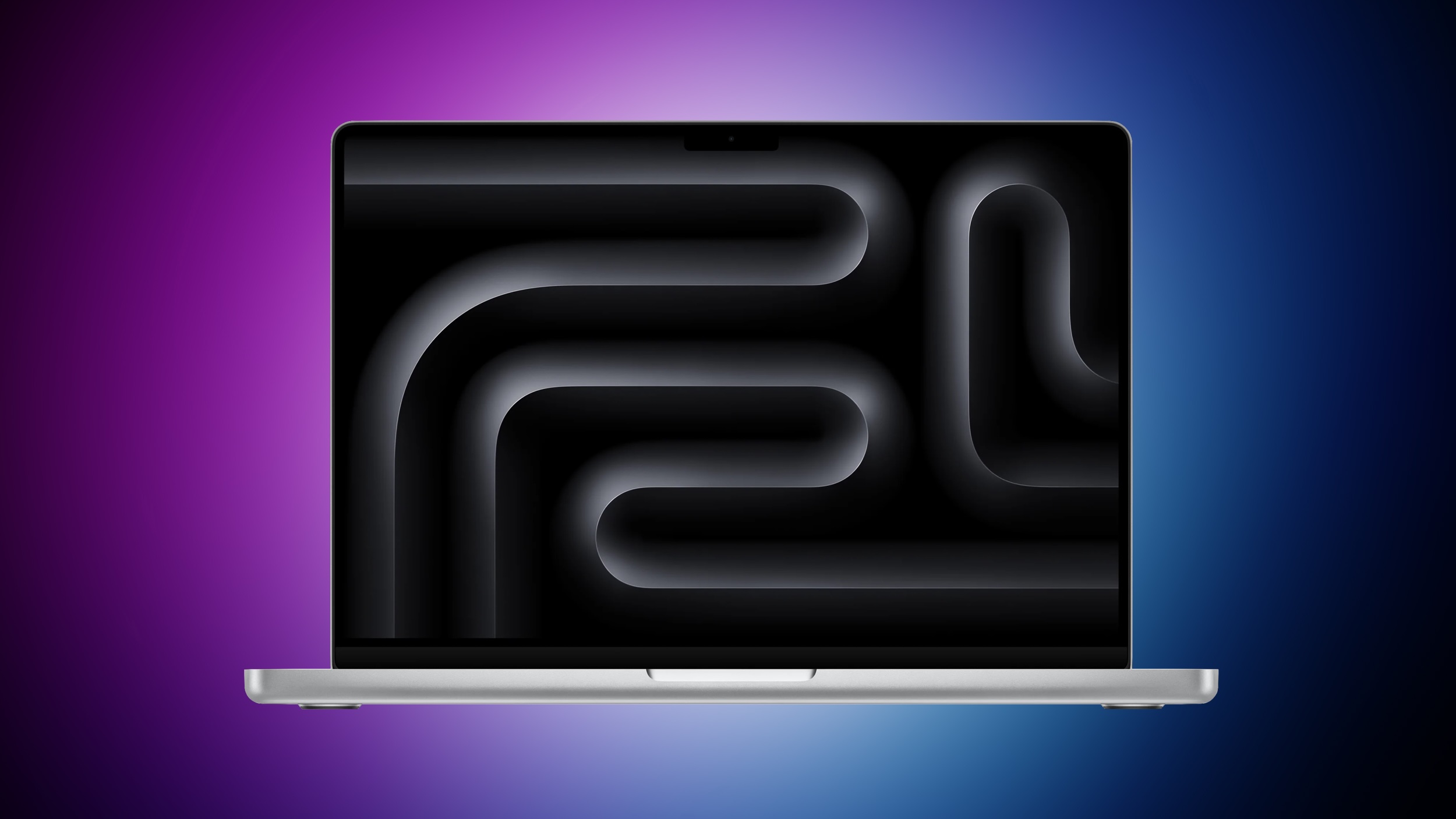
Understanding the "Shoulder Surfing" Threat and the Need for Better Privacy
Before we dive into the technical marvels, it’s essential to understand the problem this technology aims to solve: "shoulder surfing." This seemingly innocuous term refers to the act of looking over someone's shoulder to obtain information from their computer screen, smartphone, or other electronic device. It's a low-tech yet highly effective method for malicious individuals to gain access to sensitive data, ranging from passwords and banking details to confidential work documents and personal messages.
The ubiquity of laptops and other portable devices means we often use them in public spaces where privacy is inherently limited. Picture yourself in a bustling airport lounge, a crowded coffee shop, or even an open-plan office. In these environments, it's remarkably easy for someone nearby to glance at your screen, intentionally or unintentionally, and glean valuable information. This isn't just about protecting against outright theft; it's about safeguarding your right to work and communicate without fear of unwanted surveillance.
Current solutions for combating shoulder surfing on laptops are largely physical. These involve attachable privacy filters, typically made from plastic or acrylic, that use micro-louvre technology to restrict the viewing angle. While these filters do offer a degree of privacy, they come with significant drawbacks. They can reduce screen brightness, alter color accuracy, add bulk to your laptop, and often require manual attachment and removal, which can be inconvenient and cumbersome. Furthermore, they don't offer the flexibility to dynamically switch between private and public viewing modes, forcing users to make a compromise. The advent of built-in privacy technology aims to eliminate these compromises, offering a seamless, integrated, and superior solution.
How Built-in Privacy Screen Technology Works
The core principle behind this advanced privacy technology is to manipulate the light emitted from the display in such a way that it is primarily visible only to the person positioned directly in front of the screen. For anyone viewing the screen from an "off-axis" angle – that is, from the side – the display appears either completely darkened or its content is obscured beyond recognition. This is a far cry from a simple dimming; it's an intelligent control of light emission.
There are a few primary methods through which this can be achieved, and Apple and Samsung appear to be exploring variations of these. One method involves using microscopic structures, similar to tiny blinds or "louvres," embedded within the display layers. These louvres are designed to direct light forward, blocking it from being seen from acute angles. Think of it like looking through venetian blinds; you can see clearly when looking straight through, but turn your head to the side, and the view is blocked.
Another, more sophisticated approach, particularly relevant to OLED technology, involves pixel-level control. Modern OLED (Organic Light-Emitting Diode) displays are unique because each individual pixel generates its own light. This allows for incredibly precise control over light emission. Instead of a blanket filter, imagine a system where the light output of each pixel can be dynamically adjusted based on the desired viewing angle. For the primary user, pixels emit light normally. For side viewers, the same pixels could emit light that is diffused, polarized, or simply blocked at specific angles, making the content unreadable without significantly impacting the front-on viewing experience.
The technology Apple is planning to adopt falls squarely into this category of restricting off-axis viewing angles. This means that while you, the user, enjoy a crisp, clear, and vibrant display, anyone trying to peek from the side will encounter a screen that is either entirely black or shows a scrambled, uninterpretable image. This level of control requires not only advanced display hardware but also sophisticated software algorithms that can manage the light output dynamically. It’s a complex engineering feat that aims to provide maximum privacy without sacrificing the display quality for the intended viewer, marking a significant evolution in display technology and personal security.
Samsung's Pioneering Steps: A Glimpse into the Near Future
While Apple’s plans are exciting, they are not happening in a vacuum. Another tech giant, Samsung, is already blazing a trail in this space, putting considerable pressure on Apple to follow suit. Samsung is poised to debut its own cutting-edge privacy display feature on the upcoming Galaxy S26 Ultra smartphone, a move that signals the imminent arrival of this technology in the consumer market.
Samsung’s journey to this innovation has been extensive, taking over five years of dedicated research and development. Their approach is particularly advanced, operating at the intricate pixel level. This is made possible by combining Samsung's proprietary Flex Magic Pixel OLED hardware with sophisticated software controls. Unlike traditional privacy filters that apply a uniform restriction across the entire screen, Samsung's solution offers unprecedented flexibility and intelligence.
The true brilliance of Samsung's implementation lies in its customizable nature. Users won't be forced to have privacy mode on all the time. Instead, they can precisely control when and where the privacy mode activates. This includes options for specific applications – perhaps your banking app or a confidential work document – or automatically engaging when you're entering passwords, or even just for notification pop-ups. Furthermore, users will have the ability to adjust the intensity of the viewing angle restriction, allowing them to fine-tune the level of privacy based on their environment and needs. This granular control is a game-changer, moving beyond a simple on/off switch to a truly intelligent privacy assistant.
Samsung describes this feature as a natural extension of its renowned Knox security platform, emphasizing that it offers "privacy you can see and security you can feel." This tagline perfectly encapsulates the dual benefit: users can visually confirm that their information is protected, and they can feel secure knowing their digital interactions are shielded from unwanted onlookers. Samsung's pioneering efforts not only set a new standard for smartphone privacy but also provide a tangible benchmark for what consumers can expect from other high-end devices, including Apple's forthcoming MacBooks. Their success will undoubtedly validate the demand for such features and accelerate their adoption across the industry.
Apple's Vision: Patents and the Path Forward
Apple, ever the innovator, has not been idle in the realm of display privacy. Going by its patent filings, the company has been actively exploring similar ideas for several years, showcasing its commitment to advanced privacy solutions. In 2023, Apple filed two significant patents specifically aimed at preventing "shoulder surfing," providing a clear indication of their research and development efforts in this area.
One of these patents describes a privacy film designed for curved displays, such as those found on iPhones. This particular technology focuses on limiting light emission to a narrow, forward-facing angle. For devices with curved screens, this presents a unique challenge, as the display itself naturally directs light in various directions. By precisely controlling the light output to a focused beam, Apple aims to ensure that content remains visible only to the user directly interacting with the device, effectively making side glances futile.
The second patent outlines adjustable viewing-angle technology specifically tailored for flat screens, like those on Macs and iPads. This patent details the use of tiny internal louvres or liquid crystal elements that can be electronically controlled to restrict side-on visibility. Similar to the principles discussed earlier, these elements would dynamically adjust to block light from reaching off-axis viewers. The adjustable nature suggests that users would likely have the ability to toggle the privacy mode on or off, and potentially even control its intensity, much like Samsung's implementation. This flexibility is key, as privacy needs can change depending on the user's environment.
It's crucial to remember that while patent filings demonstrate a company's research interests and potential future products, they are not a guarantee of a shipping product. However, given the competitive landscape and the increasing demand for privacy features, these patents strongly suggest that Apple is serious about integrating this technology. The existence of these patents, combined with the Omdia report, paints a compelling picture of Apple's strategic direction: to bring sophisticated, built-in privacy protection to its users, aligning with its long-standing reputation for prioritizing user security and privacy within its ecosystem.
The Timeline: Omdia's Projections and the OLED Transition
The Omdia report, which brought this exciting news to light, suggests that MacBooks will adopt this advanced privacy screen technology by 2029. This timeline is particularly significant because it closely aligns with broader industry expectations regarding Apple's transition of its MacBook lineup to Samsung-supplied OLED (Organic Light-Emitting Diode) panels over the next few years.
Why is this connection between OLED displays and privacy screens so important? As discussed earlier, OLED technology offers unparalleled pixel-level control over light emission. Unlike traditional LCD (Liquid Crystal Display) panels, where a backlight illuminates all pixels, each pixel in an OLED display generates its own light. This fundamental difference makes OLED panels inherently more capable of implementing sophisticated viewing angle restrictions without needing bulky external filters. The precision with which individual pixels can be manipulated is precisely what enables the dynamic, customizable privacy features that both Samsung and Apple are pursuing.
The MacBook Pro is widely expected to be the first in Apple's laptop lineup to adopt OLED displays, with predictions placing this transition later this year or in early 2027. Following the Pro models, the MacBook Air is believed to be the next in line to receive the OLED treatment. This gradual rollout of OLED technology across the MacBook range creates the perfect hardware foundation for integrating built-in privacy screens. By the time the full transition is complete, presumably around or before Omdia's 2029 projection, the infrastructure for this advanced privacy feature will be firmly in place.
The benefits of OLED go far beyond just enabling privacy screens. OLED displays offer superior contrast ratios, true blacks (because pixels can be completely turned off), more vibrant colors, wider viewing angles (for non-privacy mode), and often better energy efficiency compared to traditional LCDs. Therefore, Apple's move to OLED is a multifaceted upgrade, where enhanced privacy is just one of many compelling advantages awaiting future MacBook users.
The Bigger Picture: Industry Trends and Competitive Pressure
Samsung's imminent debut of built-in privacy display technology on the Galaxy S26 Ultra is not merely a product launch; it's a significant industry event that creates considerable competitive pressure. For a company like Apple, which prides itself on delivering cutting-edge features and a premium user experience, allowing a rival to lead with such a compelling privacy innovation is simply not an option. The expectation is that Apple will respond with its own robust solution, ensuring its MacBooks remain at the forefront of technological advancement and user security.
This trend toward integrated privacy features reflects a broader shift in consumer priorities and industry focus. In an era where data breaches are common and privacy concerns are paramount, users are increasingly seeking devices that offer native, sophisticated protection. The "hybrid work" model, where people often work from various locations – homes, co-working spaces, cafes – has further amplified the need for on-the-go privacy. A built-in privacy screen eliminates the friction and compromises associated with external filters, making it a highly desirable feature for modern professionals and everyday users alike.
The ripple effect of this technology will likely extend beyond laptops and smartphones. It’s conceivable that we could see similar privacy features integrated into future iPads, and even standalone Apple displays. Imagine a future where your desk monitor dynamically adjusts its viewing angle to prevent onlookers from seeing sensitive content during a meeting, or your tablet automatically engages privacy mode when you’re using it on public transport. This is not just about MacBooks; it’s about a new paradigm for digital privacy across the entire personal computing ecosystem.
As competition heats up, other laptop manufacturers will undoubtedly start exploring similar technologies. What starts as a premium feature on high-end devices like the MacBook Pro could eventually trickle down to more mainstream models, becoming a standard expectation for secure and private computing. This healthy competition will drive innovation, ultimately benefiting consumers with more secure and intelligent devices.
Potential Challenges and Future Outlook
While the prospect of built-in privacy screens is incredibly exciting, it’s also important to acknowledge that the path to widespread adoption comes with potential challenges. As mentioned earlier, Omdia's projections are based on analyst forecasting rather than definitive insider knowledge, and Apple's patents, while indicative, do not guarantee a final shipping product. Development often faces hurdles that can alter timelines or even lead to features being shelved.
One significant challenge could be cost. Integrating advanced pixel-level control mechanisms or dynamic louvre systems into OLED panels adds complexity and manufacturing expense. This could potentially increase the overall cost of MacBooks, especially for the initial generations featuring this technology. Another consideration is power consumption; dynamically adjusting light emission at the pixel level requires processing power, which could impact battery life. Engineers will need to find efficient ways to implement these features without unduly draining power.
Moreover, there might be initial trade-offs in terms of display brightness or color accuracy in privacy mode, even with the most advanced technology. While the goal is to minimize these compromises for the primary user, achieving perfect fidelity while simultaneously obscuring the view for others is a delicate balance. User acceptance will also play a role; the technology needs to be intuitive, reliable, and genuinely enhance the user experience without introducing new frustrations.
Looking ahead, the potential for this technology is vast. We could see sophisticated integration with Face ID, where the privacy screen automatically activates when a non-registered face is detected looking at the screen. Or perhaps, advanced gesture controls could allow users to adjust the privacy angle with a subtle hand movement. The future could even hold multi-user modes where different parts of the screen are visible to different authorized viewers, though that is a more distant and complex vision. Regardless of the immediate challenges, the trajectory points towards a future where our devices are not just powerful tools, but intelligent guardians of our personal and professional information.
Conclusion: A New Era of Digital Privacy for MacBooks
The reports indicating that Apple is set to bring built-in privacy screen technology to future MacBooks within the next three years mark a pivotal moment in the evolution of personal computing. This isn't just about adding another feature; it's about fundamentally enhancing the security and privacy of our digital lives in an increasingly public world. By eliminating the need for cumbersome physical filters and integrating this capability directly into the display, Apple is poised to offer a seamless, intelligent, and highly effective solution to the pervasive problem of shoulder surfing.
Drawing parallels with Samsung's pioneering efforts and building upon its own extensive patent research, Apple is clearly positioning its MacBooks at the forefront of secure mobile computing. The alignment with the transition to advanced OLED panels suggests a well-thought-out strategy, where cutting-edge hardware meets sophisticated software to deliver an unparalleled user experience. While analyst forecasts and patents come with inherent uncertainties, the industry trend and competitive landscape strongly indicate that this technology is not a matter of 'if,' but 'when.'
For MacBook users, this future promises an unprecedented level of control over their visual privacy, allowing them to work, browse, and communicate with renewed confidence in any environment. It’s a testament to Apple's ongoing commitment to user security and its relentless pursuit of innovation. Get ready to experience a MacBook that doesn't just perform brilliantly, but also intelligently guards your most sensitive information from curious eyes.
What are your thoughts on this upcoming technology? Would a built-in privacy screen be a game-changer for your daily use? Share your opinions in the comments!
This article, "Future MacBooks May Hide Your Screen From Strangers" first appeared on MacRumors.com
Discuss this article in our forums
from MacRumors
-via DynaSage
