
Apple's Studio Display 2 Reportedly on Track to Launch This Year With These New Features
The Highly Anticipated Apple Studio Display 2: What We Know and What to Expect
Exciting news is brewing in the Apple community, especially for those who appreciate premium display technology. According to the always-reliable Mark Gurman of Bloomberg, Apple is gearing up to unveil a new version of its popular Studio Display. This next-generation monitor, likely to be called the Studio Display 2, is reportedly on track for a launch in the first half of 2026. This potential release window has set the tech world abuzz, sparking speculation about the new features and improvements Apple plans to introduce.
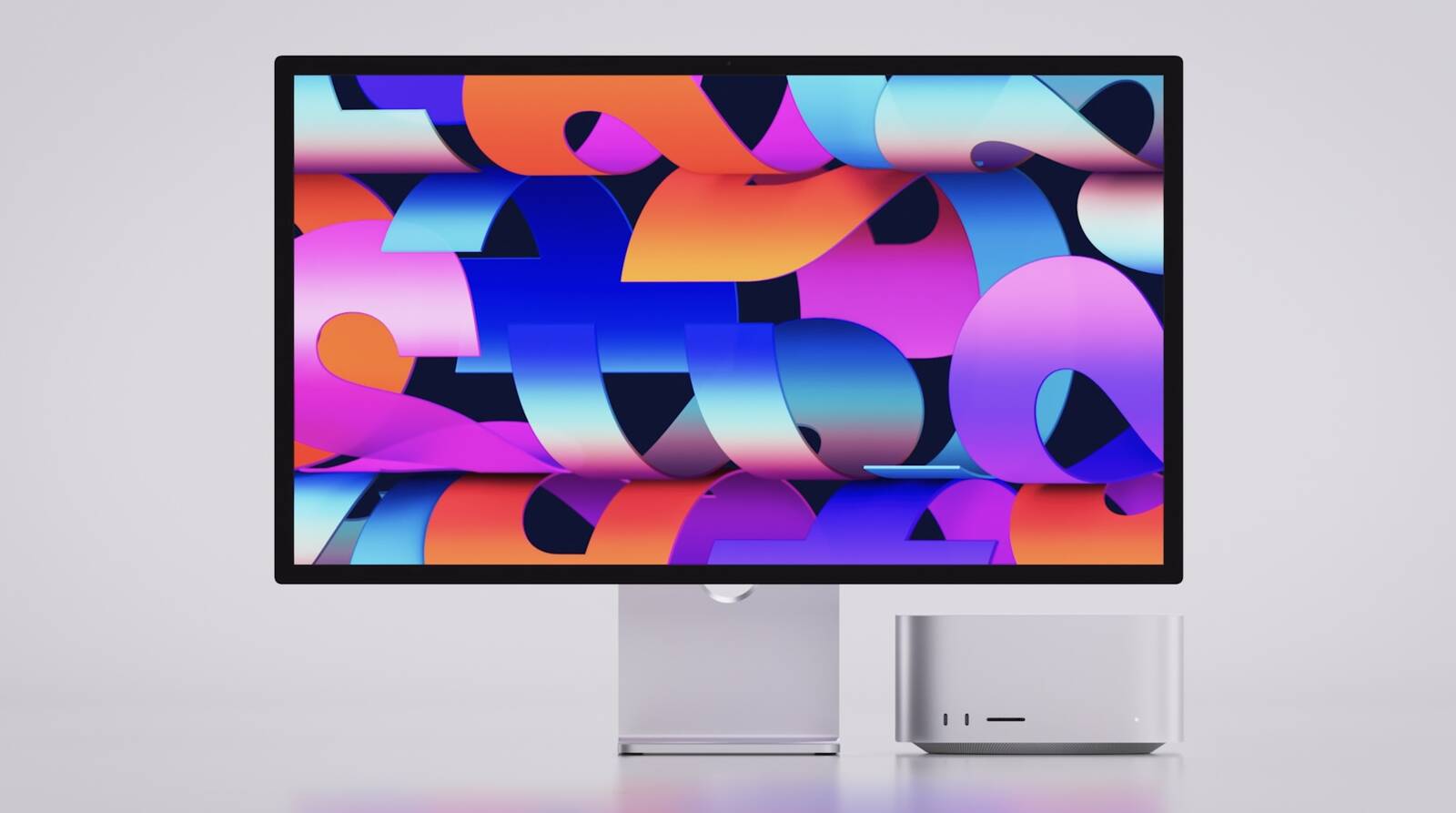
The original Studio Display, released in March 2022, quickly found its niche among Mac users looking for an integrated, high-quality monitor that seamlessly complements their Apple ecosystem. While it offered a fantastic 5K resolution and Apple's signature design, users have been eager for a refresh that incorporates more advanced display technologies found in other Apple products, such as the Pro Display XDR, iPad Pro, and MacBook Pro. The prospect of these professional-grade features making their way into the more accessible Studio Display line is incredibly appealing.
The Buzz: What We Know So Far
The primary source of this exciting information comes from Mark Gurman's Power On newsletter. Gurman is renowned for his accurate insights into Apple's future plans, often citing reliable internal sources. His latest report provides a concrete, albeit still somewhat distant, timeframe for the Studio Display 2's arrival. This isn't just a vague rumor; it's a carefully considered prediction from a trusted industry observer, giving it significant weight.
One of the intriguing details highlighted by Gurman is the current state of inventory for the original Studio Display. He noted that stock levels are running low on Apple's official online store and in its retail locations. While this has been a recurring theme for the current model for some time, it often serves as an early indicator of an impending product refresh. When a company begins to wind down inventory of an existing product, it typically means they are preparing to introduce its successor. Furthermore, extended shipping estimates on Apple's online store can often be a subtle hint that new hardware is on the horizon, as existing stock dwindles without immediate replenishment.
Adding further credibility to these rumors is a recent discovery in a Chinese regulatory database. An unreleased Apple monitor, identified by the model number A3350, surfaced in filings last month. While these regulatory entries often don't reveal extensive details, they are strong confirmations that new hardware is in development and undergoing the necessary certifications before release. Given the context of Gurman's report and the specific timing, it is highly probable that A3350 refers to the forthcoming Studio Display 2. This kind of bureaucratic paper trail frequently precedes a public announcement by a few months, aligning well with a potential launch within the first half of 2026.
Unfortunately, the regulatory database entry didn't spill all the beans. It did, however, confirm one significant detail: the display will continue to use LCD technology instead of making the leap to OLED. While some users might be disappointed by the absence of OLED, which offers unparalleled black levels and contrast, this decision might be driven by factors such as cost, manufacturing scalability, and potential burn-in concerns for a static display like a monitor. Despite this, the possibility of mini-LED backlighting remains, which would still represent a substantial upgrade in visual performance for an LCD panel.
Decoding the Release Window: "First Half of 2026"
Mark Gurman's projection of a "first half of 2026" release provides a broad window, meaning anywhere from January to June of that year. This timeframe allows Apple considerable flexibility. Historically, Apple often files products in regulatory databases a few months before their official launch. For instance, the original Studio Display appeared in the same Chinese database approximately three months prior to its unveiling in March 2022. If the pattern holds true for the A3350 filing, it suggests a launch sometime around March or April 2026, perfectly fitting within Gurman's stated timeframe. However, Apple could potentially wait until the Worldwide Developers Conference (WWDC) in June, or even a standalone event if they choose to pair it with new Mac hardware. This flexibility is characteristic of Apple's product release strategies, allowing them to time announcements for maximum impact and synergy with other product launches.
Why a New Monitor Now? Signals and Speculation
The current Studio Display has served its purpose well, but technology moves fast. Apple often updates its product lines to integrate newer, more efficient components and to keep pace with evolving display standards. A refresh for the Studio Display would not only address user demands for more advanced features but also align it with the cutting-edge technology found in Apple's other pro-level devices. The fact that the current model's inventory is low, combined with regulatory filings, creates a compelling narrative for an imminent update. Apple's product refresh cycles are typically predictable, and for a device like a monitor that sits between consumer and professional tiers, a refresh every few years makes strategic sense.
Deep Dive into the Rumored Features
The most exciting aspect of any new Apple product is the potential for groundbreaking features. Numerous reports and rumors have circulated about what the Studio Display 2 might bring to the table, and if even a few of these prove true, it will be a significant upgrade over the current model. These rumored enhancements promise to elevate the visual experience, performance, and overall utility of the monitor for a wide range of users.
Mini-LED: A Brighter, More Vibrant Future
Perhaps the most significant rumored display upgrade is the inclusion of mini-LED backlighting. This technology has already made its way into Apple's high-end iPad Pro and MacBook Pro models, offering substantial improvements over traditional LCD panels. Mini-LED technology uses thousands of tiny LEDs to illuminate the screen, arranged into hundreds or even thousands of local dimming zones. Unlike standard LCDs, where a single backlight illuminates the entire screen, mini-LED allows for much more precise control over brightness and contrast.
The benefits of mini-LED are profound. It enables much deeper blacks, as specific zones can be turned off entirely, mimicking some of the advantages of OLED without the associated costs or potential for burn-in. This leads to a dramatically improved contrast ratio, making images and videos appear more vibrant and lifelike. Furthermore, mini-LED often allows for higher peak brightness, especially when displaying High Dynamic Range (HDR) content. For creative professionals working with video or photography, these improvements translate directly into more accurate color representation and a more immersive viewing experience. The introduction of mini-LED would instantly make the Studio Display 2 a far more capable tool for demanding visual tasks, bringing it closer to the performance of the Pro Display XDR at a potentially much lower price point.
ProMotion (120Hz): Smoothness Redefined
Another highly anticipated feature is ProMotion support for up to a 120Hz refresh rate. ProMotion, Apple's adaptive refresh rate technology, dynamically adjusts the display's refresh rate based on the content being displayed. This technology is already a staple in high-end iPhones, iPads, and MacBook Pro models, and its absence from the original Studio Display was a point of contention for many users.
A 120Hz refresh rate means the screen can update 120 times per second, twice as fast as the current 60Hz. This results in incredibly smooth motion, whether you're scrolling through web pages, navigating the macOS interface, playing games, or editing high-frame-rate video. The difference is immediately noticeable, making interactions feel more fluid and responsive. For gamers, it offers a significant competitive edge and a more immersive experience. For video editors, it provides a much clearer view of their footage, especially when scrubbing through timelines. Even for everyday tasks, the enhanced smoothness simply makes the user experience more enjoyable and less fatiguing for the eyes. ProMotion's adaptive nature means it can drop to lower refresh rates when static content is displayed, conserving energy, though for a desktop monitor, power efficiency is less critical than for a portable device.
HDR Support: Unlocking True Visual Fidelity
Closely tied to mini-LED and high brightness is the rumored HDR (High Dynamic Range) support. HDR content offers a wider range of colors, brighter whites, and deeper blacks compared to standard dynamic range (SDR). For a display to truly deliver an impactful HDR experience, it needs to be capable of high peak brightness and excellent local dimming, both of which mini-LED technology provides. The current Studio Display's maximum brightness of 600 nits, while good for SDR, is generally insufficient for a truly compelling HDR experience.
With mini-LED and potential peak brightness levels exceeding 1000 nits (similar to the MacBook Pro or Pro Display XDR), the Studio Display 2 would be able to render HDR movies, TV shows, and games with stunning realism. This is crucial for professionals in film and television production, graphic design, and photography who need to accurately view and edit HDR content. For the average user, it simply means a more vibrant, dynamic, and visually engaging experience when consuming media. HDR support would firmly position the Studio Display 2 as a premium content consumption and creation tool.
The Powerhouse Within: A19 or A19 Pro Chip
The original Studio Display famously includes an A13 Bionic chip, the same chip found in the iPhone 11 lineup. This chip powers features like Center Stage for the webcam, spatial audio for the speakers, and various image processing tasks. For the Studio Display 2, rumors suggest an upgrade to an A19 chip or even an A19 Pro chip. This would be a generational leap, considering the A19 chip would likely be contemporaneous with future iPhone and iPad models released around 2025 or 2026, making it significantly more powerful than the A13.
Why does a monitor need such a powerful chip? The answer lies in offloading complex computations from the connected Mac and enhancing the monitor's own "smart" features. A more powerful A-series chip could lead to substantial performance improvements in several areas:
- **Camera-related enhancements:** Expect even better image quality from the built-in webcam, potentially with more advanced computational photography features, improved noise reduction, and more sophisticated implementations of Center Stage, which keeps you in the frame during video calls.
- **Audio processing:** The A-chip can drive more advanced spatial audio algorithms, delivering a richer and more immersive sound experience from the built-in speakers. It could also power enhanced noise cancellation for microphones.
- **Display processing:** With mini-LED and HDR, the chip will be crucial for managing the hundreds of local dimming zones, ensuring smooth transitions, and accurately rendering HDR content in real-time. It can also handle color calibration and other display optimizations.
- **Future-proofing:** A powerful chip provides headroom for new features and capabilities that Apple might introduce through software updates down the line, potentially even enabling some degree of standalone functionality or smart home integration.
LCD vs. OLED: Apple's Display Philosophy
The confirmation that the Studio Display 2 will stick with an LCD panel, rather than making the jump to OLED, is a point of discussion. OLED technology is celebrated for its perfect blacks, infinite contrast ratio, and wide viewing angles because each pixel emits its own light and can be turned off individually. However, OLED also comes with certain challenges, particularly for desktop monitors.
Firstly, **cost** is a significant factor. Large-format OLED panels are still considerably more expensive to manufacture than LCD panels, especially when targeting a specific price point. The Studio Display aims to be more accessible than the Pro Display XDR. Secondly, **burn-in** or image retention can be a concern with OLED, particularly for static elements that remain on screen for extended periods, such as macOS menu bars, dock icons, or tool palettes in professional applications. While modern OLEDs have greatly reduced this risk, it remains a consideration for a device meant for potentially years of static display use. Lastly, **brightness** can sometimes be a limitation for OLEDs, especially for full-screen white content, compared to powerful mini-LED LCDs which can achieve very high peak brightness for HDR highlights.
By opting for mini-LED LCD, Apple can deliver many of the visual benefits of OLED—deep blacks, high contrast, excellent HDR performance—while mitigating the cost and potential burn-in issues. This decision positions the Studio Display 2 as a highly capable and versatile display that balances performance, cost, and longevity for its target audience. It also maintains a clear differentiation from a potential future Pro Display XDR update, which might eventually adopt OLED technology for ultimate image fidelity, but at a much higher price point.
Synergy with Future Macs: The Perfect Pair
Apple often times its product releases to create a synergistic effect, where new accessories complement new host devices. It would make immense sense for Apple to unveil the Studio Display 2 alongside the next generation of its Mac lineup. Specifically, the rumor mill points to new Mac Studio models featuring powerful M5 Max and M5 Ultra chips, or perhaps a refreshed Mac mini. The Studio Display 2 would be the ideal companion for these new desktop Macs, showcasing their enhanced graphics capabilities and providing a complete, high-performance workstation experience.
Imagine pairing a new Mac Studio with an M5 Ultra chip, capable of driving multiple high-resolution displays and handling the most demanding professional workloads, with a Studio Display 2 that offers mini-LED, ProMotion, and HDR. This combination would represent a significant upgrade for creative professionals, developers, and anyone requiring top-tier performance and visual fidelity. While not strictly necessary for the display to launch with new Macs (it could easily be a standalone announcement), the marketing and user experience benefits of a combined launch are undeniable. It allows Apple to present a cohesive ecosystem upgrade, encouraging users to invest in both new hardware components simultaneously.
Comparing to the Original Studio Display: A Leap Forward
To truly appreciate the potential impact of the Studio Display 2, it's helpful to look at the specifications of the current model and understand where the rumored upgrades fit in:
Current Studio Display Features:
- 27-inch 5K Retina screen (5120x2880 resolution)
- 60Hz fixed refresh rate
- Up to 600 nits brightness (SDR)
- Standard LCD backlighting
- Built-in 12MP Ultra Wide camera with Center Stage
- High-fidelity six-speaker sound system with Spatial Audio
- Three studio-quality microphones
- A13 Bionic chip
- Connectivity: One Thunderbolt 3 port (96W host charging), three USB-C ports
- Starting price: $1,599 (U.S.)
Rumored Studio Display 2 Enhancements:
- **Mini-LED Backlighting:** Significantly improved contrast, deeper blacks, higher peak brightness (for HDR).
- **ProMotion (120Hz):** Variable refresh rate for ultra-smooth motion.
- **HDR Support:** Full compatibility with High Dynamic Range content for vibrant visuals.
- **A19 or A19 Pro Chip:** Enhanced performance for camera, audio, and display processing.
- Potentially even brighter overall display, exceeding 600 nits for SDR.
- Possible improvements to webcam quality, audio fidelity, and port capabilities (e.g., higher power delivery, faster USB-C speeds).
The difference is clear: the Studio Display 2, with these rumored features, would not just be an iterative update but a substantial leap forward. The combination of mini-LED, ProMotion, and HDR would transform the visual experience, bringing it closer to the performance of professional-grade monitors at a likely more attainable price point than the Pro Display XDR.
The Studio Display's Place in Apple's Ecosystem
Apple's display strategy has evolved over the years, from the classic Cinema Displays to the innovative Thunderbolt Display, and more recently, the high-end Pro Display XDR and the more accessible Studio Display. The Studio Display 2 would solidify Apple's offerings in the mid-to-high-end monitor market. It serves as a bridge between consumer-grade monitors and the ultra-premium, reference-grade Pro Display XDR, which costs significantly more (starting at $4,999 without a stand).
The Studio Display 2 is designed for users who demand exceptional image quality and seamless integration with their Mac, but don't necessarily require the extreme brightness, contrast ratios, and specialized calibration modes of the Pro Display XDR for tasks like mastering Hollywood films. It caters to a broad audience, including graphic designers, video editors, photographers, developers, and even discerning general users who value a superior visual experience and Apple's renowned build quality and aesthetic. With its rumored features, it will certainly enhance its appeal to professional users who found the original Studio Display slightly lacking in certain pro-level features.
Anticipated Pricing and Market Position
The current Studio Display starts at $1,599 in the U.S. With the significant technological upgrades rumored for the Studio Display 2, it's reasonable to expect a potential price increase. Mini-LED technology, ProMotion, and a newer A-series chip all add to the manufacturing cost. However, Apple typically aims to keep price increases competitive within its product tiers. It's plausible that the base model could see a modest increase, perhaps to $1,799 or even $1,999, depending on the extent of the upgrades and market conditions. Apple might also refine the optional stand offerings, which currently add to the base cost. The key will be how Apple positions it against high-end monitors from competitors, which often offer similar features but may lack the seamless macOS integration and powerful internal processing of the Studio Display.
Regardless of the final price, the Studio Display 2 will likely continue to represent a strong value proposition for Mac users who prioritize a cohesive and powerful desktop setup. It will continue to sit comfortably below the Pro Display XDR, offering a compelling option for those who want a "pro-level" experience without the "pro-level" price tag of its more advanced sibling.
The Impact on Creative Professionals and Everyday Users
The improvements rumored for the Studio Display 2 would have a profound impact on its users. For creative professionals, the combination of mini-LED, ProMotion, and HDR means:
- **More accurate color grading:** Deeper blacks and higher contrast lead to a more precise view of their work.
- **Smoother video editing:** 120Hz refresh rate makes scrubbing through timelines and viewing high-frame-rate footage much more fluid.
- **Enhanced photo editing:** HDR support allows for a truer representation of detail in highlights and shadows.
- **Improved general workflow:** The responsiveness and visual fidelity make long hours of work more comfortable and productive.
- **Stunning media consumption:** Movies, TV shows, and games will look incredibly vibrant and lifelike.
- **Smoother web browsing and scrolling:** Everything on screen will feel more fluid and responsive.
- **Superior video calls:** The enhanced camera and audio processing will make virtual meetings clearer and more engaging.
- **Future-proof investment:** A display with these advanced features will remain cutting-edge for many years to come.
Conclusion: A Highly Anticipated Upgrade
The rumored Apple Studio Display 2 is shaping up to be a highly anticipated and significant upgrade. With the strong indications from Mark Gurman and regulatory filings, coupled with the long list of potential feature enhancements like mini-LED, ProMotion, HDR, and a powerful A19 chip, the next iteration of Apple's premium consumer display is poised to set a new standard. While we await official confirmation and a concrete launch date, the prospect of such a capable and integrated monitor arriving in the first half of 2026 is certainly something for Apple enthusiasts and professionals alike to look forward to. It promises to deliver a truly immersive and productive visual experience, seamlessly blending cutting-edge display technology with Apple's iconic design and ecosystem integration.
This article, "Apple's Studio Display 2 Reportedly on Track to Launch This Year With These New Features" first appeared on MacRumors.com
Discuss this article in our forums
from MacRumors
-via DynaSage
