
Apple Testing Two Major iPhone 18 Pro Camera Upgrades
Apple's Next Big Leap in Mobile Photography: Unpacking the iPhone 18 Pro's Revolutionary Camera Upgrades
The world of smartphone photography is constantly evolving, with each new generation of devices pushing the boundaries of what's possible. Apple has consistently been at the forefront of this innovation, transforming our pockets into powerful creative tools. Now, exciting news has emerged from reliable sources, suggesting that Apple is vigorously testing two groundbreaking camera improvements for its upcoming iPhone 18 Pro models. These enhancements promise to redefine what's possible with a smartphone camera, offering users unprecedented creative control and superior image quality.
These aren't just minor tweaks; they represent a significant shift in Apple's approach to mobile imaging, aiming to bring professional-grade features to the palm of your hand. Let's dive deep into these potential game-changers: a variable aperture for the main camera and a larger aperture for the telephoto lens, along with other intriguing rumors.
The Dawn of Dynamic Imagery: Variable Aperture for the iPhone's Main Camera
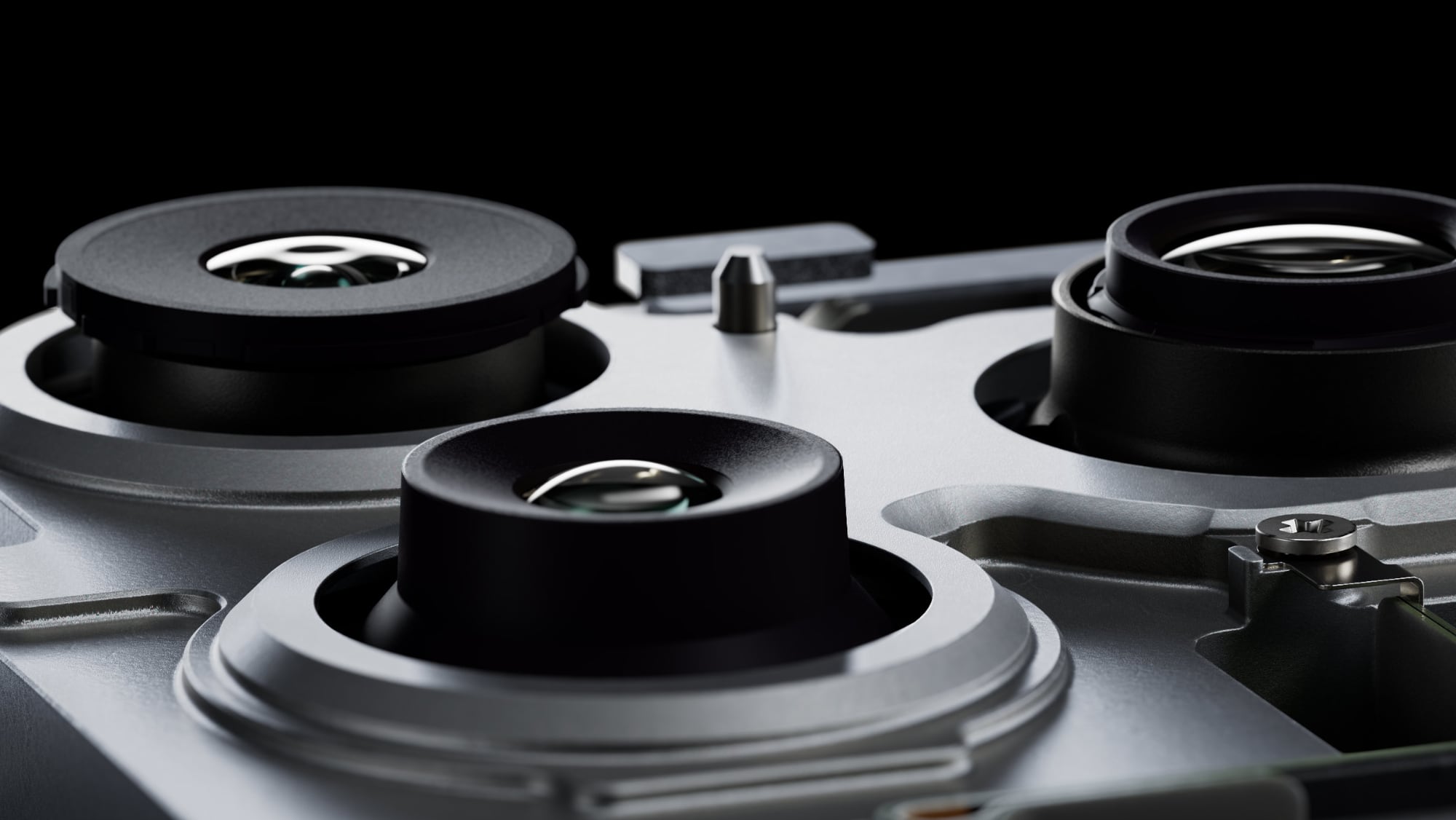
The most intriguing rumor, widely circulated by reputable leakers like the Weibo user known as "Digital Chat Station," points to a revolutionary variable aperture feature for the main camera of the iPhone 18 Pro. This isn't just technical jargon; it's a fundamental change that could transform how you take photos, giving you more creative control than ever before.
Understanding Variable Aperture: More Light, More Control
To truly appreciate the significance of a variable aperture, it's essential to understand what aperture is. In simple terms, the aperture is like the pupil of your eye – it's an adjustable opening within the lens that controls how much light passes through to the camera's sensor. It's measured in "f-stops," such as f/1.8, f/2.8, or f/11. A lower f-stop number (like f/1.8) indicates a larger opening, letting in more light. Conversely, a higher f-stop number (like f/11) means a smaller opening, allowing less light to pass through.
For many years, iPhone cameras, including models from the iPhone 14 Pro up to the iPhone 17 Pro, have relied on a fixed aperture. For example, the main cameras on these models typically have a fixed aperture of ƒ/1.78. This means the lens is always set to one opening size, and it's always fully open. While Apple's computational photography has achieved incredible results with this fixed hardware, a variable aperture offers far greater flexibility and optical advantages.
With a variable aperture, the camera can dynamically adjust this opening. Imagine taking a photo outdoors on a bright, sunny day. A fixed, wide aperture might lead to overexposed images, where bright areas lose detail and colors appear washed out. A variable aperture would allow the camera to "close down" – using a higher f-stop – to limit the light, ensuring your photos are perfectly exposed, with vibrant colors and rich detail even in harsh sunlight. This capability means you can capture scenes with intense highlights without blowing out important details.
Now, consider a dimly lit environment, such as a cozy restaurant or a night cityscape. Here, the variable aperture can "open up" – using a lower f-stop – to maximize the light intake. This crucial ability significantly improves low-light performance, leading to brighter, clearer images with less digital noise (that grainy look you sometimes see in dark photos). This means you'll capture more usable photos in challenging lighting conditions without resorting to the flash, preserving the natural ambiance and atmosphere of the scene much more effectively.
Mastering Depth of Field: The Art of Focus and Blur
Beyond just controlling light, a variable aperture grants users a powerful tool for creative expression: greater control over depth of field. Depth of field refers to the range of distance in a photo that appears acceptably sharp. It's how much of your image, from foreground to background, is in focus.
- Shallow Depth of Field: This effect is achieved with a wider aperture (lower f-stop). It keeps your subject sharp while beautifully blurring the background and foreground. This "bokeh" effect is highly desired for portraits, macro photography, and isolating a subject from a busy or distracting scene. With a variable aperture, you could achieve a more natural and optically driven background blur, potentially surpassing even the impressive computational "Portrait Mode" that iPhones currently offer. It allows for a more nuanced and organic transition between sharp and blurry areas, giving your photos a professional, artistic feel. This is particularly valuable for creating visually striking images where the subject truly stands out.
- Deep Depth of Field: This is achieved with a narrower aperture (higher f-stop). It keeps almost everything in the frame, from near to far, in sharp focus. This is ideal for landscape photography, architectural shots, or large group photos where you want everyone and everything to be crisp and clear. For the first time, iPhone users could manually or automatically choose to have the entire scene sharply rendered, something difficult to achieve with a fixed, wide aperture. This ensures that every element of a grand vista or a detailed building facade is captured with maximum clarity.
This level of control over depth of field is a hallmark of professional photography and would empower iPhone users to craft images with genuine artistic intent, moving beyond simple point-and-shoot snapshots. It allows photographers to tell a story not just through content, but through selective focus.
A Rumor with Strong Roots: Corroboration and History
The idea of a variable aperture iPhone camera isn't new; it's a rumor that has gained significant traction and corroboration over time from multiple reputable sources, suggesting it's more than just speculation.
- Early Hints: As far back as December 2024, respected Apple supply chain analyst Ming-Chi Kuo, known for his accurate predictions, was the first to suggest that both iPhone 18 Pro models would feature a variable aperture main rear camera. Kuo's insights often come from sources deep within Apple's manufacturing network, giving his predictions considerable weight and indicating that this feature has been in Apple's plans for some time.
- Continued Development: More recently, a report from October 2025 further solidified these claims. This report indicated that Apple was actively progressing with plans to implement this technology in next-generation iPhones. Crucially, it detailed ongoing discussions with suppliers regarding the necessary components, suggesting that the feature is well beyond the conceptual stage and deep into development and prototyping. The consistency of these reports from different, independent sources significantly strengthens the likelihood of this feature becoming a reality with the iPhone 18 Pro.
Apple's Unique Challenge and Samsung's Past Attempt
While this technology is incredibly exciting, it's worth noting that Apple has never before incorporated a variable aperture into an iPhone camera. This represents a significant engineering challenge. Smartphone cameras are incredibly compact, and adding moving parts for aperture adjustment can increase thickness, complexity, and potentially introduce points of failure. Apple is known for its pursuit of thin, sleek designs, so integrating such a mechanism would require meticulous engineering.
Interestingly, Samsung Electronics previously ventured into this territory, implementing a variable aperture camera in its flagship Galaxy S9 and Galaxy S10 models, released in 2018 and 2019 respectively. Samsung offered a dual-aperture system, typically switching between f/1.5 and f/2.4. However, the company ultimately discontinued the feature in 2020. The primary reasons cited for its removal were increased device thickness and higher manufacturing costs. At the time, for the mass market, the benefits might not have outweighed these drawbacks.
Why Apple Might Succeed Where Samsung Paused
Apple's potential reintroduction of variable aperture, years after Samsung's attempt, suggests they may have found solutions to the previous challenges. Several factors could contribute to Apple's success and explain why they might be bringing this feature back now:
- Advancements in Miniaturization: Technology evolves rapidly. Components that were bulky and expensive just a few years ago might now be more compact, efficient, and affordable to produce. Apple's renowned engineering prowess and deep relationships with component suppliers could have enabled them to design a variable aperture mechanism that fits within the iPhone's sleek form factor without significantly compromising its design or increasing its thickness beyond acceptable limits.
- Computational Photography Integration: Apple's core strength lies in its ability to seamlessly combine cutting-edge hardware with sophisticated software. A variable aperture, coupled with Apple's advanced image signal processing (ISP) and powerful Neural Engine, could unlock even greater potential than what Samsung achieved. The variable aperture would provide superior raw optical data, which Apple's software could then process to create even more stunning results, enhancing details, reducing noise, and perfecting depth effects in ways that were not possible years ago.
- Market Readiness and User Demand: As smartphone photography becomes more sophisticated and users grow more discerning, there's an increasing demand for professional-grade features and greater creative control. The desire for superior image quality, especially in challenging conditions, has grown significantly since 2019. Apple might perceive that the market is now more receptive to a feature that truly elevates the photographic experience, justifying the investment in R&D and manufacturing. Users are increasingly seeking ways to differentiate their mobile photos, and optical control offers a distinct advantage.
- Strategic Differentiation: In an increasingly competitive smartphone market, unique and genuinely useful hardware innovations like variable aperture can provide a strong selling point. This feature would significantly differentiate the iPhone from its rivals, particularly appealing to aspiring photographers, enthusiasts, and anyone who wants more control over their images than current smartphone cameras typically offer. It reinforces the iPhone's position as a premium device for creativity and imaging.
The successful implementation of a variable aperture would solidify the iPhone 18 Pro's position as a leading device for mobile photography, offering unparalleled versatility for capturing everything from expansive landscapes to intimate portraits, in virtually any lighting condition. It's a leap towards making smartphone cameras truly adaptable to the photographer's vision.
Elevating Zoom: A Larger Aperture for the Telephoto Camera
The second significant camera upgrade rumored for the iPhone 18 Pro focuses on its telephoto lens. Leakers have reiterated claims that Apple is testing a new telephoto camera equipped with a larger aperture. This improvement specifically targets zoom photography, a critical area for many users.
The Current Telephoto Landscape and the Need for More Light
Current iPhone 17 Pro models typically feature a telephoto camera with an ƒ/2.8 aperture. While Apple did introduce a substantial improvement by upgrading the telephoto sensor to 48 megapixels (a big leap from previous 12-megapixel sensors), the aperture size itself remained unchanged. This means that while the camera can capture a wealth of detail when light is abundant, its light-gathering capabilities in dimmer conditions are still constrained by that f/2.8 aperture.
Telephoto lenses, by their very nature, often face greater challenges in low light compared to wide-angle or main lenses. When you're zooming in, you're often focusing on subjects further away, and the light from those subjects has to travel a greater distance and pass through more glass elements. A smaller aperture (like f/2.8 compared to the main camera's f/1.78) exacerbates this problem, leading to noisier, darker images when zoomed in, especially indoors, at night, or in challenging lighting scenarios. This limitation can make telephoto shots less appealing in anything but ideal sunny conditions.
The Benefits of a Larger Telephoto Aperture: Brighter, Faster, Sharper
A larger aperture (meaning a lower f-stop number, e.g., moving from f/2.8 to something like f/2.0 or even f/1.8) on the iPhone's telephoto camera would bring a host of immediate and noticeable improvements:
- Improved Light Gathering: This is the most direct and impactful benefit. A wider opening allows significantly more light to reach the sensor. This translates directly to brighter images when using the telephoto lens, especially in challenging low-light environments. Imagine being able to zoom in on a stage performer at a concert, a distant landmark at dusk, or wildlife in shaded areas and still capture a well-exposed, clear photo without excessive digital noise. This opens up entirely new possibilities for telephoto use.
- Enhanced Noise Performance: More light means the sensor doesn't have to "work as hard" (i.e., increase its ISO sensitivity) to create a bright image. Lower ISO settings inherently lead to less digital noise and grain, resulting in cleaner, smoother photos with finer detail, even when zoomed in significantly. This is critical for maintaining image quality at higher zoom levels, where noise can quickly degrade the clarity of an image.
- Faster Shutter Speeds: With more light available, the camera can use a faster shutter speed to achieve proper exposure. Faster shutter speeds are invaluable for freezing motion, whether it's capturing a sporting event, a playful pet, children running, or people on the move. This dramatically reduces motion blur, leading to sharper images of dynamic scenes. For zoomed shots, which are inherently more susceptible to camera shake (even with optical image stabilization), a faster shutter speed also helps to mitigate blur caused by slight hand movements, ensuring crisp results.
- Superior Background Separation (Bokeh): Just like with the main camera, a larger aperture on the telephoto lens will create a shallower depth of field. This means when you zoom in on a subject, the background will appear even more beautifully blurred, creating a stronger sense of isolation and a more artistic, professional look. This would make telephoto portrait shots even more stunning, allowing the subject to truly pop against a creamy, out-of-focus background. It enhances the visual storytelling by directing the viewer's eye precisely where the photographer intends.
This upgrade would transform the telephoto lens from a situational tool into a powerful, versatile camera capable of delivering stunning results across a wider range of conditions and subjects. It would empower users to capture distant details, compelling portraits, and action shots with unprecedented clarity and artistic flair, bringing the telephoto lens closer to the capabilities of its professional camera counterparts.
Beyond the Lenses: Other Exciting iPhone 18 Pro Camera Enhancements
While variable and larger apertures are significant, other rumors suggest that the iPhone 18 Pro models could introduce even more innovations to its imaging capabilities, solidifying its status as a mobile photography powerhouse. These additional features indicate a comprehensive upgrade strategy for the entire camera system.
The Teleconverter: Extending Your Reach
One fascinating rumor suggests that the iPhone 18 Pro could gain a teleconverter. In traditional photography, a teleconverter is an optical attachment that increases the effective focal length of a lens, essentially extending its zoom reach without requiring a completely new, longer lens. For a smartphone, this could be implemented in a few innovative ways:
- Optical Teleconverter: This would involve an innovative internal optical system that can extend or rearrange lens elements to magnify the image further before it hits the sensor. A true optical teleconverter would be a groundbreaking achievement for smartphone miniaturization, as it adds complex moving parts within an already tight space.
- Advanced Computational Teleconverter: Alternatively, it could be a highly advanced computational approach that uses the existing telephoto lens as a base and intelligently crops, upscales, and enhances the image using sophisticated AI and machine learning algorithms. This might also involve combining information from multiple sensors to create a higher-quality zoomed image than simple digital cropping.
Benefits: Regardless of the implementation, the primary benefit is significantly improved optical zoom capabilities. This allows users to get even closer to distant subjects without sacrificing image quality, a common pitfall of current digital zoom. Currently, beyond the native optical zoom (e.g., 5x on some Pro models), further zooming relies heavily on digital zoom, which essentially crops the image and can lead to a noticeable loss of detail. A teleconverter, especially an optical one, would bridge this gap, offering higher quality zoom for capturing wildlife, sports, distant landscapes, or architectural details. Imagine capturing crisp details of a bird in a tree or the intricacies of a faraway monument with unprecedented clarity directly from your iPhone.
A Sharper Gaze: The 24-Megapixel Front-Facing Camera
The selfie camera, often a crucial component for many smartphone users, is also slated for a significant upgrade. Rumors point to a 24-megapixel front-facing camera for the iPhone 18 Pro. Current iPhones typically feature a 12-megapixel front camera, so this would represent a doubling of resolution.
- Impact on Selfies and Video Calls: Doubling the megapixel count would lead to noticeably sharper and more detailed selfies. This is not just about vanity; it means clearer group selfies, more detailed textures in your skin and hair, and the ability to crop and edit selfies more aggressively without a significant loss of quality. For those who enjoy creative editing or printing their selfies, this boost in resolution is a major advantage.
- Enhanced Video Conferencing and Streaming: For those who use their iPhone for video calls (FaceTime, Zoom, Google Meet) or live streaming, a 24-megapixel sensor would significantly boost video quality. This translates to a clearer, more professional appearance during calls, with better detail and color accuracy, which is increasingly important in an age of remote work and virtual connections.
- Improved Computational Photography: A higher-resolution sensor provides more raw data for Apple's sophisticated computational photography algorithms to work with. This could lead to even better Portrait Mode effects for selfies, more accurate Smart HDR processing (especially for challenging backlighting), and potentially new features that leverage the extra detail for facial recognition or augmented reality applications.
The Future Unfolds: Launch Timeline and the Foldable iPhone
These cutting-edge camera technologies are not expected to arrive in isolation. The iPhone 18 Pro models are anticipated to launch in the fall of their release year, continuing Apple's traditional product cycle. Intriguingly, these advanced iPhones are also rumored to debut alongside the very first foldable iPhone. This potential dual launch signifies a monumental year for Apple's hardware.
The introduction of a foldable iPhone would be a monumental event for Apple, marking its entry into a rapidly growing and innovative segment of the smartphone market. It would represent years of research and development into flexible display technology and hinge mechanisms. Launching the iPhone 18 Pro, with its revolutionary camera system, alongside a foldable model, would send a strong message about Apple's commitment to both cutting-edge photography and pioneering new form factors. It suggests a future where users don't have to compromise between the ultimate camera experience and the latest in device design. This dual launch strategy could captivate a wide range of consumers, from photography enthusiasts eager for advanced imaging tools to tech innovators eager for a fresh smartphone experience that redefines portability and screen real estate.
Why These Upgrades Matter for You
These aren't just technical specifications for camera enthusiasts or abstract improvements; they represent tangible, practical benefits for every iPhone user, regardless of their photography skill level:
- Unprecedented Creative Freedom: Whether you're a casual snapper or an aspiring photographer, these features give you significantly more control over how your photos look and feel. You can intentionally blur backgrounds for stunning portraits, ensure every detail in a vast landscape is tack-sharp, and capture beautiful images in challenging low-light conditions with greater confidence and success. This creative toolkit empowers you to move beyond simply documenting moments to truly crafting visual stories.
- Superior Image Quality Across All Conditions: From bright, sunny daylight to dimly lit interiors and challenging night scenes, your photos will be brighter, sharper, and clearer with noticeably less digital noise. This means fewer missed shots due to poor lighting, greater detail retention, and ultimately, more "keepers" in your photo library that you'll be proud to share or print.
- Professional Results in Your Pocket: Features like a variable aperture, a wider telephoto aperture, and advanced zoom capabilities are typically found only on expensive DSLR or mirrorless cameras. Bringing them to the iPhone democratizes professional-level photography, making advanced optical control and high-quality zoom accessible to millions of users in a device they carry every day.
- Future-Proofing Your Photography: As Apple continues to push the boundaries of computational photography, these significant hardware upgrades provide an even richer and more robust foundation for future software innovations. The better the raw data collected by the hardware, the more magic Apple's powerful software and AI can perform, leading to even more impressive results down the line. Your iPhone will be ready for the next wave of photographic advancements.
Conclusion: A New Era for iPhone Photography
The rumors surrounding the iPhone 18 Pro's camera system paint a picture of a device poised to revolutionize mobile photography once again. With a variable aperture main camera, a larger aperture telephoto lens, potential teleconverter technology for extended zoom, and an upgraded front-facing camera, Apple is not just iterating on existing features; it's innovating at a fundamental level. These advancements promise not only superior technical image quality but also a significantly expanded creative toolkit for users, allowing for a level of artistic expression previously unavailable on a smartphone.
As we eagerly await official announcements and the traditional fall launch, these leaked details suggest that the iPhone 18 Pro will be more than just a phone; it will be a powerful, versatile photographic instrument, capable of capturing the world with unparalleled clarity, depth, and artistic expression. Paired with the potential debut of a foldable iPhone, the upcoming generation promises to be one of the most exciting in Apple's history. Get ready for a new era of iPhone photography, where your imagination is the only limit to the stunning images you can create.
This article, "Apple Testing Two Major iPhone 18 Pro Camera Upgrades" first appeared on MacRumors.com
Discuss this article in our forums
from MacRumors
-via DynaSage
