
Apple Takes Full Control of 'Severance' in Surprise Deal
Apple Secures 'Severance' Future: A Landmark Acquisition for Apple TV+
In a significant move that underscores its commitment to high-quality original programming, Apple has officially acquired the full rights to its critically acclaimed Apple TV series "Severance." This strategic decision brings all future seasons and associated content entirely in-house under Apple Studios, as reported by Deadline. This means that one of Apple TV+'s most beloved and talked-about shows will now be fully managed and produced by Apple itself, paving the way for a more streamlined and ambitious future for the mind-bending sci-fi thriller.
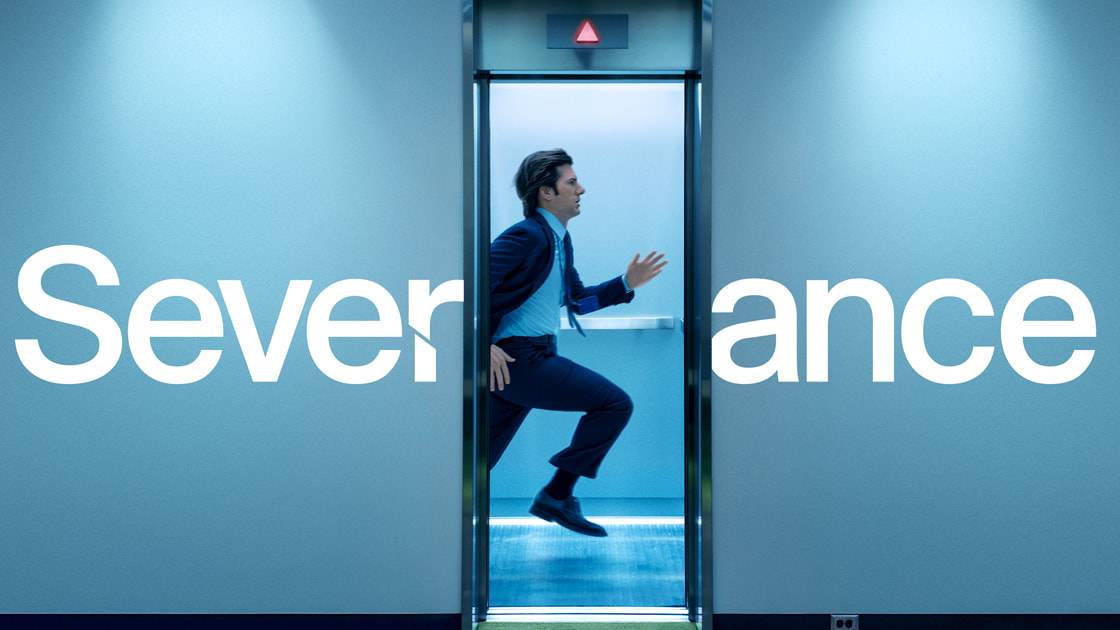
Understanding Severance: A Glimpse into Lumon Industries
For those unfamiliar, "Severance" plunges viewers into the enigmatic world of Lumon Industries, a mysterious biotechnology corporation. The show centers around a radical new procedure known as "severance," which surgically divides employees' memories between their work lives and their personal lives. When they are at work, their "innies" have no recollection of their outside lives; when they leave, their "outies" have no memory of their workday. This creates a fascinating and often terrifying exploration of identity, corporate control, and the human psyche.
The series quickly captivated audiences and critics alike with its unique premise, masterful storytelling, stunning visuals, and exceptional performances by a stellar cast including Adam Scott, Patricia Arquette, John Turturro, Britt Lower, Zach Cherry, and Christopher Walken. Its distinctive aesthetic, a blend of retro-futurism and corporate minimalism, combined with its unsettling atmosphere and profound philosophical questions, quickly established "Severance" as a must-watch series on Apple TV+. Its success proved that Apple was serious about delivering premium, thought-provoking content that could stand alongside the best in the streaming world. The show's intricate mysteries and slow-burn reveals generated immense online discussion, with fans meticulously dissecting every detail and developing countless theories about Lumon and the true nature of severance.
The Strategic Shift: Apple's Move to Full Ownership
Before this acquisition, Apple licensed "Severance" from Fifth Season, the studio previously known as Endeavor Content. This licensing model is common in the streaming industry, where platforms often pay external studios to produce content for them, securing distribution rights for a set period or number of seasons. However, this arrangement meant that while Apple TV+ was the exclusive home for "Severance," the intellectual property (IP) and ultimate control over its long-term future remained with Fifth Season.
The new deal, reportedly valued at just under $70 million, changes everything. Apple has acquired the intellectual property and all rights to "Severance" outright. This means that Apple Studios now holds complete ownership and creative control over the series, allowing them to make long-term strategic decisions without external constraints. Fifth Season will still remain involved as an executive producer, maintaining a connection to the show's origins, but the ultimate authority now rests firmly with Apple.
This transition mirrors a similar move Apple made earlier with the popular sci-fi series "Silo," which also moved under Apple Studios' direct control after its successful first season. These acquisitions signal a clear strategic shift for Apple TV+: moving away from purely licensing content towards owning a larger portion of its premium catalog. More than six years after Apple TV launched, Apple Studios now produces roughly half of the platform's slate, demonstrating a growing emphasis on proprietary content. This strategy is vital for building a sustainable streaming service, as owning the IP allows for greater control over sequels, spin-offs, merchandising, and overall brand building. It also ensures that beloved shows remain exclusive to the platform indefinitely, strengthening the value proposition for subscribers.
Learning from Production Challenges: The Difficult Path to Season Two
The decision to acquire "Severance" was not made in a vacuum. It reportedly follows a particularly challenging and costly production cycle for the show's second season. The original report indicates that Season Two's budget soared to as much as $20 million per episode, a substantial sum even for a high-end prestige drama. This escalation in costs and timelines was attributed to a confluence of external and internal factors that plagued the production.
Firstly, the lingering effects of the global COVID-19 pandemic continued to impact film and television productions worldwide. Safety protocols, testing requirements, and potential cast or crew illnesses often led to unexpected delays and increased operational expenses. Even as the immediate crisis subsided, its ripple effects on scheduling and resource availability persisted.
Secondly, Hollywood was hit by significant labor disputes, including strikes by the Writers Guild of America (WGA) and the Screen Actors Guild – American Federation of Television and Radio Artists (SAG-AFTRA). These strikes brought much of Hollywood to a standstill for months, causing widespread production halts and pushing back release schedules for countless projects. For a show like "Severance," which relies heavily on intricate scripts and compelling performances, these strikes were particularly disruptive, forcing production to pause and then restart, often with new logistical hurdles.
Beyond these industry-wide issues, "Severance" Season Two reportedly faced its own internal creative challenges, including script changes, leading to costly reshoots and even scrapped sets. In complex narratives like "Severance," even minor script adjustments can have cascading effects, requiring scenes to be re-filmed, sets to be rebuilt or altered, and schedules to be completely reconfigured. Each of these changes adds significant time and money to the production budget.
During this extended production window, Fifth Season, as the original producing studio, faced increasing financial pressure. "Borrowing costs rose significantly" due to the prolonged delays. This refers to the interest and fees associated with loans taken out to fund production. The longer a project takes to complete, the longer these loans are outstanding, and the more interest accumulates, eating into the studio's profit margins. Fifth Season also reportedly waited for crucial New York state tax credits and funding reimbursements, which are often provided to incentivize film production within the state. Delays in production mean delays in receiving these reimbursements, further straining the studio's cash flow.
Navigating Financial Pressures: Fifth Season's Dilemma and Apple's Solution
Faced with these mounting financial strains and the protracted production timeline, Fifth Season reportedly approached Apple for financial advances to help cover the soaring costs. The studio even considered the possibility of moving production to Canada, a popular destination for film and television thanks to its attractive and often more expedient tax rebates and incentives. Such a move, however, would have uprooted the production, potentially disrupting the established creative flow and losing the benefits of an existing infrastructure in New York.
Apple executives, upon assessing the situation, came to a pivotal conclusion: owning the series outright would provide the company with greater flexibility and control to better absorb these long and complex production timelines. By taking full ownership, Apple can internally manage the financial risks and scheduling adjustments without the intermediary pressures that Fifth Season was experiencing. This decision allowed Apple to commit to keeping filming in New York, where the show had already built an established footprint – including existing crew relationships, filming locations, and a familiar operational environment. Maintaining this base is beneficial for creative continuity and efficiency, avoiding the significant costs and logistical nightmares associated with relocating an entire production of "Severance's" scale.
This move highlights Apple's deep pockets and its strategic long-term vision for its content. For a company with Apple's resources, absorbing a $70 million acquisition and higher production costs for a flagship series is a calculated investment. It ensures the stability and longevity of a valuable piece of intellectual property that has proven its ability to attract and retain subscribers.
Severance: A Future Flagship Franchise for Apple TV+
With full ownership secured, Apple apparently now plans to strategically position "Severance" as a long-term flagship franchise for its streaming service. This is not just about producing more seasons; it's about building an entire universe around the show's compelling concept. The series has already been renewed for a third season, a testament to its ongoing popularity and critical success. Furthermore, a fourth season is reportedly considered a certainty, indicating Apple's confidence in the show's endurance and the creative team's vision.
Deadline's report suggests that Apple expects the series to run for at least four seasons, providing a solid multi-year anchor for Apple TV+. However, the ambitions extend far beyond just the main storyline. Creator Dan Erickson and executive producer Ben Stiller are reportedly open to expanding the "Severance" franchise with prequels, spin-offs, and even international adaptations.
Imagine a prequel series delving into the early days of Lumon Industries and its mysterious founder, Kier Eagan, exploring how the severance procedure was developed and initially implemented. Or perhaps spin-offs focusing on other severed departments, or even the lives of "outies" grappling with the implications of their fractured identities. The concept of severance itself is rich enough to explore countless angles and character perspectives, offering fertile ground for an expansive narrative universe. International adaptations could localize the story to different cultural contexts, further broadening its global appeal. This vision transforms "Severance" from a successful single series into a cornerstone of Apple TV+'s intellectual property, capable of generating multiple revenue streams and attracting diverse audiences for years to come. Such a franchise would undoubtedly boost the platform's prestige and competitive standing in the crowded streaming market.
Looking Ahead: Season Three Production and Beyond
The production of the third season of "Severance" is tentatively expected to begin this summer. However, the start date may experience slight adjustments as the creative team meticulously finalizes the scripts. The good news is that six scripts have reportedly been completed, with additional episodes still in various stages of development.
A key lesson learned from the challenging Season Two production is the importance of having a complete and locked set of scripts before filming commences. Apple and the creative team are aiming to begin principal photography only after all scripts are finished and approved. This proactive approach is designed to avoid a repeat of the costly shutdowns, extensive reshoots, and creative reconfigurations that significantly impacted the second season. By ensuring a fully fleshed-out story from the outset, the production can proceed more smoothly, efficiently, and within budget, ultimately delivering a higher quality product to eager fans without undue delays. This commitment to pre-production planning demonstrates Apple's dedication to supporting its creatives while also managing its investments wisely, ensuring the long-term health of the "Severance" franchise.
Critical Acclaim and Impact: Severance's Legacy So Far
"Severance" has not only captured the imagination of viewers but has also garnered significant critical recognition. Season Two, upon its release, became Apple TV's most-watched series at the time, highlighting its massive popularity and ability to draw in subscribers. This viewership success was matched by a wave of accolades from the industry.
In 2025, the series received an impressive 27 Emmy nominations, cementing its status as one of television's premier dramas. Out of these numerous nominations, "Severance" went on to win eight awards, a remarkable achievement that underscores its excellence across various categories, including acting, directing, writing, and technical achievements. These awards not only celebrate the incredible talent involved in the show's creation but also elevate the profile of Apple TV+ as a serious contender in the streaming wars. For Apple, these accolades translate into prestige, increased subscriber interest, and validation of its investment in ambitious, high-quality programming. The show’s cultural impact has been palpable, sparking widespread discussions about work-life balance, corporate ethics, and the very essence of human consciousness, making it a significant touchstone in contemporary television.
Apple's Evolving Content Strategy: The Power of In-House IP
The full acquisition of "Severance" is more than just an isolated deal; it's a clear indicator of Apple's evolving and maturing content strategy for Apple TV+. In the highly competitive streaming landscape, intellectual property (IP) ownership is king. Platforms like Netflix, Amazon Prime Video, Max, and Disney+ are all heavily invested in building out their proprietary libraries, as owning content offers numerous advantages.
Firstly, it provides long-term stability. Content licensed from external studios can eventually be pulled when licensing agreements expire, or if the studio decides to launch its own streaming service. Owning the IP ensures that "Severance" will forever be an exclusive offering on Apple TV+, providing a compelling reason for subscribers to stay loyal to the platform.
Secondly, it allows for creative and commercial synergy. With full control, Apple can explore various ancillary opportunities, from video games and merchandise to theme park attractions (though perhaps less likely for "Severance," the principle holds). It enables a cohesive brand strategy that maximizes the value of the franchise across different media and products.
Thirdly, it simplifies production and financial management. As seen with the challenges of Season Two, external licensing can introduce complexities and financial pressures on the third-party studio. By bringing production in-house, Apple can streamline decision-making, integrate teams more closely, and leverage its vast financial resources to absorb fluctuations in production costs or timelines more efficiently. This gives Apple Studios direct oversight and greater operational control, fostering a more collaborative and potentially more efficient creative environment. This strategy helps Apple build a robust, unique content library that differentiates Apple TV+ from its rivals, attracting new subscribers and solidifying its position as a serious player in the global entertainment industry.
The Fan Perspective: Reassurance and Excitement for the Future
For the dedicated fanbase of "Severance," this acquisition comes as incredibly reassuring news. The show has cultivated a passionate community that actively engages with its intricate plot, character arcs, and underlying mysteries. Discussions about the deeper meanings of Lumon, the fate of characters like Mark Scout, Helly R, and Irving Bailiff, and theories about the outside world are widespread across online forums and social media.
The reported production difficulties of Season Two had understandably caused some anxiety among viewers, with concerns about potential delays or even the show's long-term viability. Apple's decision to fully acquire the series and commit to its future, including confirmed plans for Season Three and a likely Season Four, sends a clear message: "Severance" is here to stay, and Apple is fully invested in telling its complete story. This stability is invaluable for fans who have emotionally invested in the series.
Furthermore, the talk of prequels, spin-offs, and international adaptations is incredibly exciting for those who crave more from the "Severance" universe. It promises a deeper dive into the lore and world-building that has made the show so compelling, offering the possibility of exploring new characters, new facets of Lumon, and new ethical dilemmas posed by the severance procedure. This move not only secures the present but also expands the horizons for a truly expansive and enduring franchise, ensuring that the mysteries of Lumon Industries will continue to fascinate and challenge audiences for many years to come.
Conclusion: A Bold Step for Apple TV+'s Future
Apple's full acquisition of "Severance" marks a pivotal moment for both the acclaimed series and for Apple TV+ as a whole. This bold investment, valued at nearly $70 million, underscores Apple's unwavering commitment to cultivating and owning premium, critically successful content. By bringing "Severance" entirely in-house, Apple has not only addressed the production complexities that challenged Season Two but has also cemented the show's future as a flagship franchise.
This strategic move aligns with Apple's broader vision of building a robust library of proprietary intellectual property, a crucial element in the fiercely competitive streaming landscape. It ensures long-term stability for the series, paves the way for potential spin-offs and prequels, and reinforces Apple TV+'s reputation for delivering sophisticated, thought-provoking dramas. For the millions of fans eagerly awaiting the next chapter in the unsettling world of Lumon Industries, this acquisition is a powerful reassurance that "Severance" will continue to challenge, entertain, and inspire discussion for many seasons to come. Apple is not just producing television; it's building universes.
This article, "Apple Takes Full Control of 'Severance' in Surprise Deal" first appeared on MacRumors.com
Discuss this article in our forums
from MacRumors
-via DynaSage
