
Apple Reportedly Agrees to 100% Price Hike on Samsung Memory Chips
Apple Agrees to Major Price Hike for iPhone Memory Chips Amidst Global Supply Crunch
In a move that highlights the intense competition and supply challenges currently facing the tech industry, Apple has reportedly agreed to pay Samsung a significantly higher price for the crucial LPDDR5X memory chips needed for its upcoming iPhone 17 production. A report from the Korean outlet Dealsite suggests that Apple will now pay double the previous rate for these essential components, signaling a new era of pricing pressures for smartphone manufacturers.
This development isn't just about a simple price adjustment; it reveals deeper currents within the global semiconductor market, largely driven by the surging demand for artificial intelligence (AI) technologies. As AI continues to reshape industries, its hunger for specialized memory has created a ripple effect, impacting the availability and cost of components vital for our everyday devices, including the latest iPhones and Android flagships.
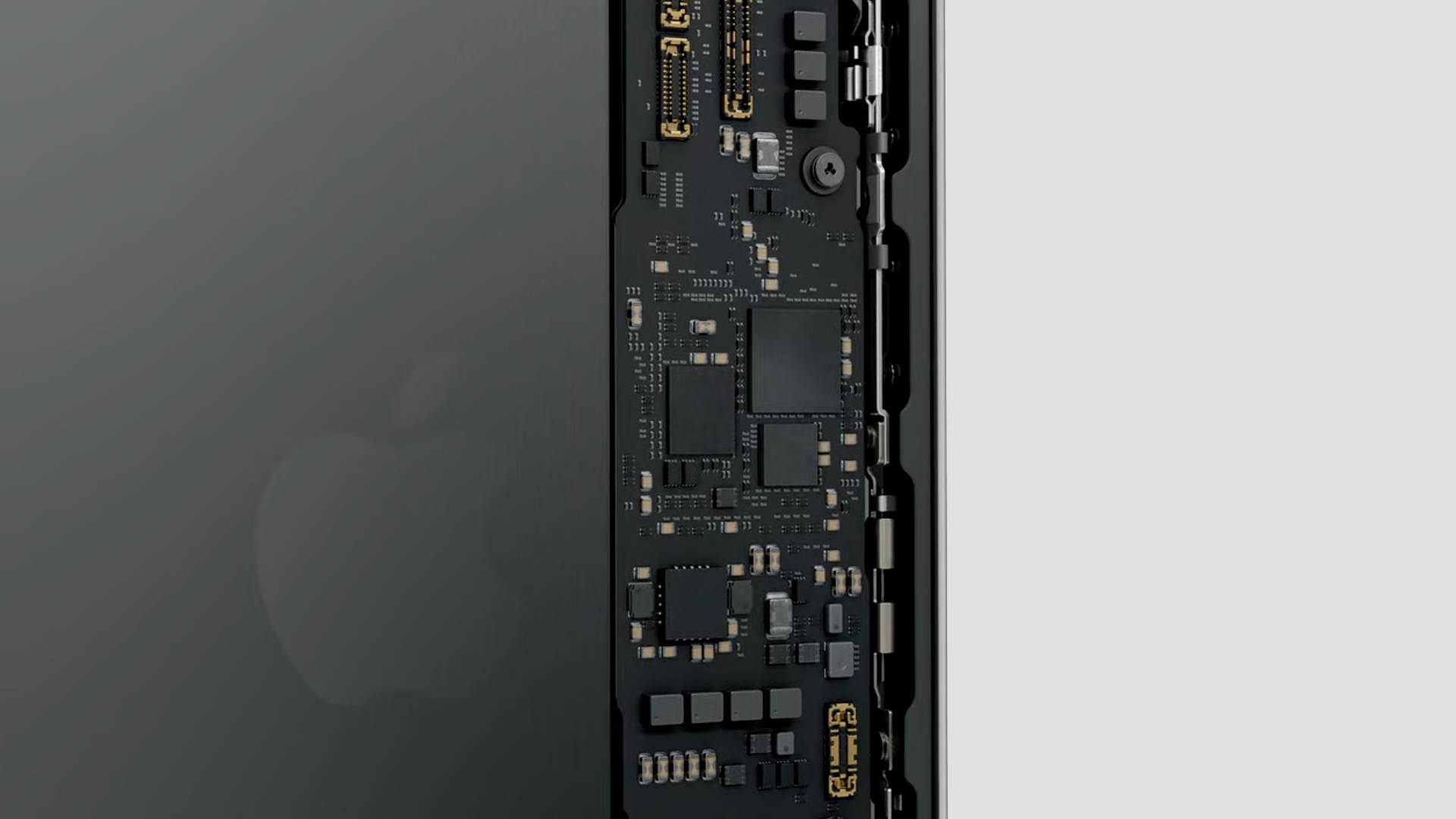
The Unexpected Negotiation: Why Apple Paid Double
According to sources cited in the report, representatives from Apple recently engaged in urgent discussions with Samsung's semiconductor division. The primary goal was to secure sufficient quantities of RAM for the first half of the current year, particularly for the high-end 12GB LPDDR5X modules destined for the highly anticipated iPhone Air and iPhone 17 Pro models. These memory modules are not merely a commodity; they are critical for the devices' multitasking capabilities, app performance, and overall user experience, directly influencing how smoothly a user's phone operates.
The price of these specific LPDDR5X modules has seen a dramatic increase since early 2025, effectively doubling from approximately $30 to around $70. This represents a staggering 100% price hike in a relatively short period, a substantial jump that would typically trigger lengthy and often contentious negotiations between two industrial giants like Apple and Samsung.
Interestingly, the report indicates that Samsung's initial strategy was to push for a 60% price increase on these LPDDR5X modules. However, as a negotiating tactic, Samsung opened with a more aggressive 100% markup. What's truly astonishing, and perhaps indicative of the current market climate, is that Apple reportedly accepted this 100% increase on the spot. This immediate acceptance underscores the severe pressure smartphone makers are under to secure their memory supply chains, prioritizing availability over cost in an increasingly tight market.
This willingness to pay a premium immediately speaks volumes about the scarcity of these crucial components. For a company as meticulous about its supply chain and cost management as Apple, such an instant agreement suggests that the alternative – a potential shortage of memory for its flagship phones – would be far more damaging to its production schedule and ultimately, its bottom line and market standing. The strategic importance of securing these chips for the iPhone 17, a device central to Apple's future revenue, clearly outweighed the immediate financial hit.
The AI Revolution: Reshaping the Chip Landscape
The core reason behind this unprecedented price surge and supply squeeze lies in the burgeoning demand for high-bandwidth memory (HBM), which is indispensable for AI servers and data centers. As large language models, machine learning, and other AI applications become more sophisticated and widespread, they require immense processing power and, critically, lightning-fast memory to handle vast amounts of data simultaneously.
What is High-Bandwidth Memory (HBM)?
HBM is an advanced type of RAM that stacks multiple memory dies vertically on top of each other, then connects them with specialized interfaces. This innovative design allows for significantly wider data paths and much higher data transfer rates compared to traditional DRAM modules. For AI accelerators and powerful GPUs, HBM is a game-changer, enabling them to process complex calculations and large datasets with unparalleled speed. Without HBM, the performance bottlenecks in AI infrastructure would severely limit the capabilities and training efficiency of today's most advanced AI models.
The Shift in Production Focus
Leading chipmakers, including industry giants like SK Hynix and Micron, have been strategically reorienting their manufacturing capabilities. Previously, a substantial portion of their production lines was dedicated to mobile DRAM – the type of memory found in smartphones. However, driven by the astronomical demand and higher profit margins associated with HBM, these companies are now prioritizing HBM production. This pivot involves significant investment in new equipment, research and development, and optimization of existing fabs to meet the specific requirements of HBM manufacturing.
This reallocation of resources has created a substantial shortfall in the supply of mobile DRAM, including the LPDDR5X modules Apple needs. It's a classic economic scenario: high demand for one product (HBM) is indirectly creating scarcity for another (mobile DRAM) because they share common manufacturing resources. The capacity that once churned out memory for millions of smartphones is now being repurposed to cater to the burgeoning AI sector, leaving smartphone manufacturers scrambling for what's left.
Broader Implications for the Smartphone Industry
If industry sources are accurate, Apple's swift acceptance of the price hike is a stark indicator of how desperate smartphone makers have become to lock down their memory supply. This isn't just an "Apple problem"; it's a systemic issue affecting the entire mobile industry. Every major smartphone brand, from Samsung and Google to Xiaomi and OnePlus, relies heavily on external suppliers for their DRAM needs.
The intense competition for limited memory resources means that companies willing to pay more will likely secure their supply first. This could lead to a two-tiered market where smaller manufacturers, or those with less negotiating power, might face even greater challenges in sourcing components, potentially impacting their production volumes, product launches, or even forcing them to adopt less advanced (and perhaps cheaper but slower) memory technologies, thereby compromising performance.
Moreover, the increased cost of memory chips will inevitably put upward pressure on the overall bill of materials (BOM) for smartphones. Manufacturers will face difficult choices: either absorb the additional costs and reduce their profit margins, or pass these costs on to consumers through higher retail prices. This delicate balancing act is crucial, especially in a competitive market where consumer price sensitivity remains a significant factor.
Samsung's Dual Challenge: Supplier and Competitor
The situation presents a unique dynamic for Samsung, which operates as both a major component supplier (through its semiconductor division, Samsung Foundry and Samsung Memory) and a direct competitor in the smartphone market (through its mobile division, Samsung Mobile).
Benefiting as a Supplier
As a supplier, Samsung's semiconductor division stands to significantly benefit from the increased prices for LPDDR5X modules. The revenue generated from Apple's substantial order, now at double the previous price, will contribute handsomely to Samsung's semiconductor earnings. This financial boost can be reinvested into further research and development, expanding production capacity, or strengthening its position in the highly competitive memory market, including its own HBM endeavors.
Facing the Squeeze as a Competitor
However, Samsung's mobile division is not immune to the very same supply squeeze. The report indicates that even for its own flagship device, the initial production run of the Galaxy S26, Samsung is relying on a 50/50 split of LPDDR5X memory from its internal semiconductor division and external supplier Micron. This reliance on an external supplier, coupled with the internal division's capacity being stretched, highlights the pervasive nature of the memory shortage.
Both Samsung's internal memory division and Micron are planning steep price increases for LPDDR5X after the first batch of Galaxy S26 units. This means Samsung Mobile will also have to contend with higher costs for its own devices. To mitigate these rising expenses, Samsung is expected to increase the pricing of the Galaxy S26 partly in response. Additionally, the company plans to offset costs by utilizing its in-house Exynos 2600 chip in approximately 30% of its Galaxy S26 units. This strategic move to use proprietary chips, rather than relying solely on external suppliers like Qualcomm for Snapdragon processors, is a long-term play to gain greater control over its supply chain and reduce manufacturing costs, even if it comes with its own set of performance and market perception challenges.
The Exynos Strategy Explained
Samsung's Exynos chips are its own line of mobile processors, designed and manufactured internally. By integrating more Exynos chips into its flagship phones, Samsung aims to reduce its dependency on third-party chipmakers, which can lead to better cost control, optimized software-hardware integration, and a unique competitive edge. However, Exynos chips have historically faced mixed reviews, with some users preferring the performance and efficiency of Qualcomm's Snapdragon processors. The decision to use Exynos in a significant portion of its flagships reflects a calculated risk, balancing cost savings and supply chain resilience against potential market preferences.
Apple's Strategic Balancing Act: Price Stability Amid Rising Costs
Despite these significant cost pressures, renowned Apple analyst Ming-Chi Kuo recently stated that Apple's current strategy is to keep iPhone 18 Pro starting prices flat. This is a crucial piece of information, suggesting Apple intends to absorb some of these increased component costs rather than pass them directly onto consumers, at least for its next-generation Pro models.
How Can Apple Absorb Higher Costs?
Apple's ability to maintain stable pricing despite rising component costs could stem from several factors:
- Enormous Margins: Apple has historically enjoyed some of the highest profit margins in the smartphone industry. This financial cushion allows the company greater flexibility to absorb increased component costs without immediately impacting the consumer price.
- Supply Chain Optimization: Apple's supply chain is legendary for its efficiency and scale. Through long-term contracts, strategic partnerships, and significant buying power, Apple often negotiates favorable terms that help mitigate price fluctuations, though even their leverage seems tested by the current memory market.
- Cost Reductions Elsewhere: The company might be finding cost efficiencies in other areas of the bill of materials, such as display technology, camera components, or even manufacturing processes, to offset the increased memory costs.
- Service Revenue Growth: Apple's rapidly growing Services division (App Store, Apple Music, iCloud, etc.) provides a significant and increasingly stable revenue stream. Strong growth in services can help offset pressures on hardware margins, allowing Apple to maintain competitive hardware pricing.
Tim Cook's Acknowledgment
On a recent earnings call, Apple CEO Tim Cook acknowledged that rising chip prices would have "a bit more of an impact" on gross margins. Gross margin is the percentage of revenue left after subtracting the cost of goods sold (COGS). A reduction in gross margin indicates that the cost to produce each iPhone is increasing relative to its selling price. However, despite this impact, Apple still anticipates robust year-on-year revenue growth of 13% to 16% for the current quarter.
This outlook suggests a strategic trade-off: Apple is willing to accept a slight compression in its gross margins to maintain competitive pricing for consumers and ensure the continued demand and sales volume of its flagship products. The company's overall financial health, buoyed by strong demand across its product portfolio and the soaring success of its Services division, provides the resilience needed to navigate these cost challenges without immediately passing them on to the end-user.
The Impact on Consumers: What to Expect
For the average consumer, this complex interplay of supply, demand, and pricing within the semiconductor industry raises several important questions:
- Will iPhone Prices Eventually Increase? While Apple currently aims to keep iPhone 18 Pro prices flat, sustained increases in memory and other component costs could eventually force their hand. Future iPhone models beyond the 18 Pro might see price adjustments, especially if the HBM-driven supply crunch persists or worsens.
- Will Features Be Affected? Manufacturers might explore alternative strategies, such as offering different memory configurations (e.g., a base model with less RAM than previously expected) or optimizing software to be more efficient with existing memory, to manage costs. However, Apple typically strives for a premium experience, so major compromises in core performance are less likely for Pro models.
- Slower Innovation? If a significant portion of R&D budgets and manufacturing capacity is diverted to high-demand areas like HBM, it could theoretically slow down advancements in traditional mobile DRAM or other smartphone components.
- Greater Price Divergence: We might see a wider gap in pricing between entry-level smartphones and high-end flagships, as the latter category, with its demand for cutting-edge (and expensive) components, becomes more costly to produce.
The situation underscores the delicate balance companies must strike between offering innovative, high-performance devices and maintaining attractive price points for consumers. The smartphone market is intensely competitive, and while consumers are often willing to pay a premium for Apple products, there is always a ceiling to what the market will bear.
Long-Term Outlook and Industry Shifts
The current memory chip crisis is not an isolated event but part of a broader trend of supply chain volatility and increasing demand for specialized semiconductors. The long-term outlook will depend on several factors:
- New Manufacturing Capacity: Chipmakers are investing heavily in new fabrication plants (fabs) and expanding existing ones. However, building a new fab is a multi-year, multi-billion-dollar endeavor. It takes time for new capacity to come online and meaningfully alleviate supply pressures.
- Stabilization of HBM Demand: While HBM demand for AI is projected to remain strong, the rate of increase might eventually stabilize, allowing some production capacity to shift back or new capacity to be allocated to other DRAM types.
- Geopolitical Factors: The ongoing geopolitical landscape, including trade tensions and nationalistic drives for semiconductor self-sufficiency, continues to influence where chips are manufactured and how supply chains are structured. This adds another layer of complexity and potential for disruption.
- Diversification and Resilience: Companies like Apple and Samsung are likely exploring further diversification of their supplier base and investing in stronger, more resilient supply chain strategies to mitigate future shocks. This could include forging deeper partnerships with a wider array of memory manufacturers or even considering investments in memory production capacity themselves, though this is a much larger undertaking.
The strategic importance of semiconductors has never been clearer. They are not just components but the foundational technology driving almost every aspect of the modern economy, from AI and cloud computing to smartphones and electric vehicles. The current squeeze on mobile DRAM is a powerful reminder of how interconnected these technological advancements are and how shifts in one sector can create profound ripple effects across the entire global tech ecosystem.
Conclusion: A New Era for Tech Supply Chains
Apple's agreement to pay double for Samsung's LPDDR5X memory chips for the iPhone 17 is more than just a headline; it's a significant indicator of the current state of the global technology supply chain. It illustrates the immense pressure smartphone manufacturers face to secure critical components, largely driven by the insatiable demand for high-bandwidth memory in the burgeoning AI sector.
This situation highlights the delicate balance between innovation, cost management, and market competition. While Apple, with its robust financial position, can absorb some of these increased costs to maintain consumer pricing, the ripple effects are felt throughout the industry, impacting competitors like Samsung and potentially leading to higher prices for consumers in the long run. As the tech world continues to evolve at a blistering pace, the strategic importance of semiconductor supply and the ability to navigate its complexities will undoubtedly be a defining factor for success in the years to come.
This article, "Apple Reportedly Agrees to 100% Price Hike on Samsung Memory Chips" first appeared on MacRumors.com
Discuss this article in our forums
from MacRumors
-via DynaSage
