
Apple Now Testing Flip-Style Foldable iPhone
Apple's Foldable Future: Exploring Two Distinct iPhone Designs
The world of smartphones is constantly evolving, and perhaps no innovation has captured the public imagination quite like foldable devices. For years, the tech community has speculated about Apple's entry into this exciting new category. While competitors have already launched several generations of foldable phones, Apple has remained notably absent, fueling anticipation and debate. Now, fresh rumors suggest that the tech giant is not just working on one, but potentially two distinct foldable iPhone designs, signaling a serious and multi-faceted approach to this transformative technology. These developments hint that Apple's long-awaited foray into foldables could be closer than ever, offering consumers diverse options to suit different needs and preferences.
The Emergence of the "Flip" iPhone: A Nod to Portability and Style
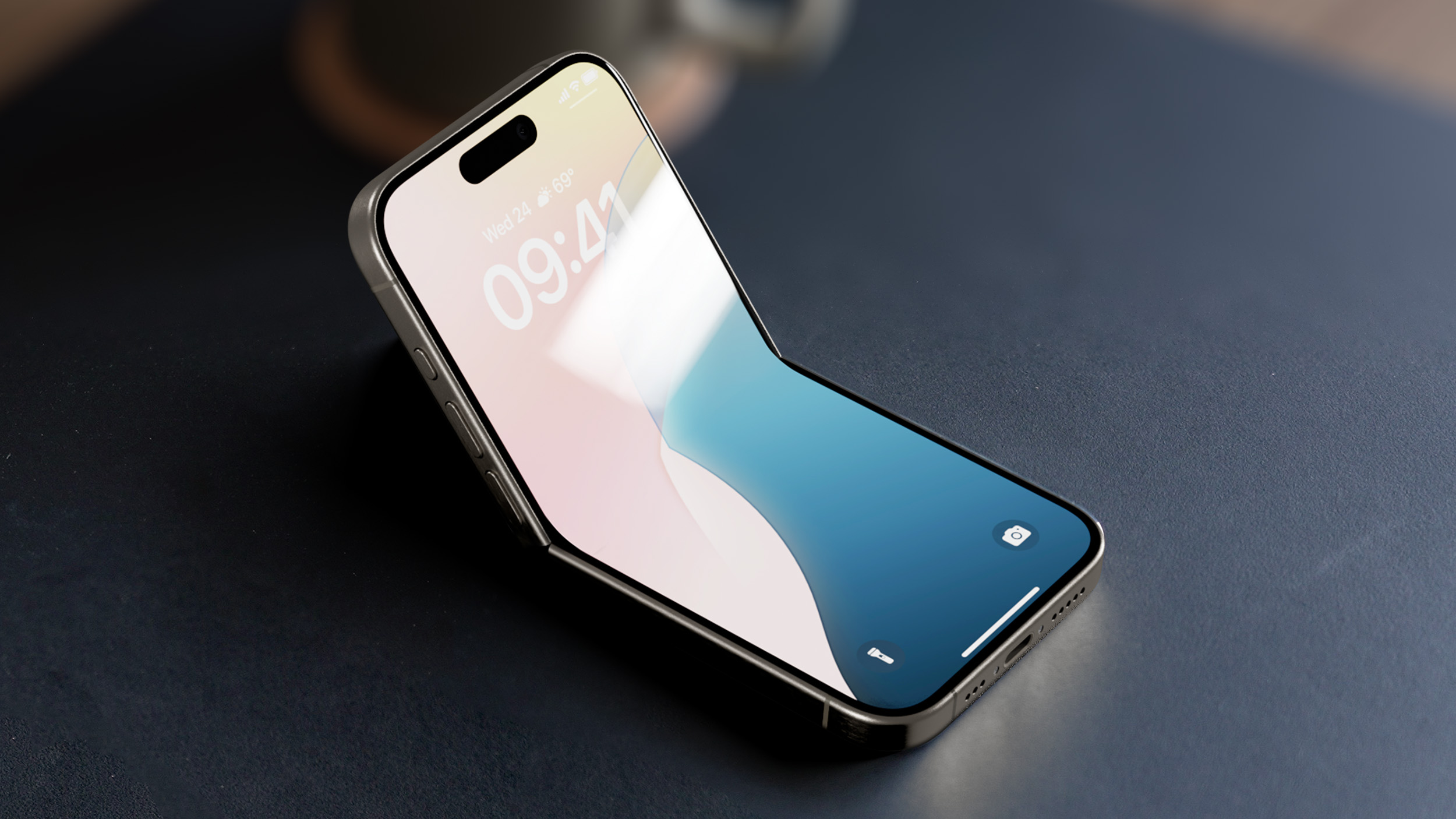
One of the most intriguing pieces of news comes from an often-reliable source in Asia: Apple is reportedly testing a flip-style foldable iPhone. This design, familiar to many from the nostalgic flip phones of yesteryear, has been reimagined for the modern smartphone era, offering a compact form factor that emphasizes portability and style.
Verified by Supply Chain Leaks
The information about this flip-style device originates from a Weibo user known as "Fixed Focus Digital." This leaker has a track record of providing accurate insights, often citing supposedly verifiable information from Apple's extensive supply chain. In the secretive world of Apple product development, these supply chain leaks are often the first credible indicators of what the company is truly working on behind closed doors. The fact that Apple is actively testing such a device suggests it has moved beyond mere conceptualization and into a tangible prototyping phase, evaluating the engineering, user experience, and market viability of a vertically folding smartphone.
Competing in a Growing Market Segment
Should Apple decide to bring a flip-style iPhone to market, it would enter a segment already populated by established players. Devices like Samsung's Galaxy Z Flip 7 and the modern-day Motorola Razr have already carved out niches, appealing to users who prioritize a compact form factor without sacrificing a full-sized smartphone experience. These competitors offer sleek designs, capable cameras, and surprisingly durable foldable screens, demonstrating that the technology has matured significantly. Apple's entry would undoubtedly elevate the competition, pushing existing manufacturers to innovate further and potentially establishing new benchmarks for design, functionality, and software integration in the flip phone category.
The Appeal of the Clamshell Design
The primary allure of a clamshell, or flip-style, foldable iPhone lies in its unmatched portability and unique aesthetic. When folded, such a device would become incredibly compact, easily fitting into smaller pockets or handbags. This focus on "pocketability" addresses a common complaint about modern smartphones, which have grown increasingly large and unwieldy. Beyond practicality, a flip phone also carries a strong style statement, often seen as a fashion accessory that stands out from the monolithic slabs dominating the market. For Apple, known for its emphasis on design and user experience, a flip iPhone could offer a canvas for bold new aesthetics and intuitive interactions, potentially integrating unique haptic feedback or innovative cover screen functionalities that redefine how users engage with a closed device.
Furthermore, the flip design offers intrinsic durability benefits when closed, protecting the sensitive inner display from scratches and impacts. For users who are constantly on the go, this added layer of protection could be a significant advantage. The satisfaction of snapping a phone shut to end a call, or unfolding it with a fluid motion to access the full screen, adds a tactile and engaging element often missing from traditional smartphones. Apple's design team would undoubtedly explore new ways to perfect the hinge mechanism, aiming for a seamless, gap-free closure and a satisfying opening experience that sets it apart from existing flip phones. This attention to detail, combined with the power of iOS, could make an Apple flip phone a truly premium and desirable device.
Uncertainty on Mass Production
Despite the excitement, the path to market for the flip-style foldable iPhone is not yet certain. Reports indicate that whether this particular design will reach mass production remains undecided. This is a common phase in Apple's product development cycle, where multiple prototypes and form factors are rigorously tested. Apple's meticulous approach means that only the most refined, reliable, and user-ready products make it to consumers. Factors such as hinge durability, screen longevity, manufacturing cost, supply chain readiness, and the overall user experience will all play a critical role in determining if the flip iPhone ever sees the light of day. The company is likely evaluating if the clamshell design can truly deliver the "Apple experience" at a scale and price point that aligns with its brand philosophy.
Earlier reports from Bloomberg's Mark Gurman corroborate these findings, stating that Apple is indeed "exploring" the concept of a foldable iPhone with a "square, clamshell-style" design. Gurman's insights, often based on high-level insider information, lend significant weight to the credibility of these rumors. His reporting suggests that this exploration is a serious undertaking, even if the final decision on production is still pending. Apple's cautious approach highlights its commitment to perfection, ensuring that its first foldable device is not just innovative but also robust, reliable, and genuinely enhances the user's daily life.
The "Book" Foldable iPhone: A Tablet-Like Experience in Your Pocket
While the flip-style iPhone captures attention for its compactness, Apple is also widely expected to launch a different, "wide" foldable iPhone. This device, rumored to debut later this year, is designed to open up like a book, transforming from a traditional smartphone into a tablet-sized display. This "book-style" design represents a different philosophy for foldable technology, prioritizing screen real estate and productivity over ultimate pocketability.
Designed for Immersion and Productivity
Similar to Samsung's Galaxy Z Fold 7 series, this wider foldable iPhone would offer users an expansive inner display. This larger screen would be a game-changer for media consumption, providing a more immersive experience for watching videos, browsing photos, and enjoying mobile games. The extra screen real estate would also significantly enhance productivity, enabling robust multitasking functionality. Users could run multiple apps side-by-side, similar to an iPad, allowing for seamless workflow and greater efficiency on the go. Imagine dragging and dropping content between two apps, or viewing a document while simultaneously participating in a video call – all on a device that folds down to smartphone dimensions.
The book-style foldable iPhone is essentially Apple's vision of a hybrid device, bridging the gap between the iPhone and the iPad. This could empower professionals, students, and creatives with a powerful tool that adapts to their environment, offering a large canvas for sketching, note-taking (perhaps with Apple Pencil support), and detailed content creation when unfolded, and a familiar smartphone experience when closed. The potential for innovative software features tailored to this unique form factor is immense, promising new ways to interact with iOS and its vast ecosystem of applications.
Anticipated Specifications of the First Foldable iPhone
Rumors surrounding Apple's first foldable iPhone – likely the book-style variant – paint a picture of a premium device packed with cutting-edge technology.
- 7.8-inch Crease-Free Inner Display: The cornerstone of any foldable phone is its main display. A 7.8-inch screen would provide a generous canvas, slightly larger than an iPad mini in terms of diagonal measurement, offering an immersive viewing and working area. The emphasis on "crease-free" is crucial, addressing one of the most persistent complaints about early foldable devices. Apple's engineering prowess would likely be focused on developing a highly durable and visually seamless display, possibly utilizing advanced ultra-thin glass (UTG) or a proprietary flexible display technology to minimize any visible crease, ensuring a premium user experience when unfolded. This would set a new standard for foldable displays, providing a smooth and uninterrupted surface for all interactions.
- 5.5-inch Cover Display: When folded, the device would function as a conventional smartphone, thanks to its 5.5-inch cover display. This size is comfortably usable for quick tasks, checking notifications, making calls, and taking selfies without needing to open the larger screen. It would ensure that the device remains fully functional and accessible even in its compact form, providing the best of both worlds: a pocketable phone and an expansive tablet. The quality of this external display is expected to be on par with Apple's current iPhone screens, offering vibrant colors and sharp clarity.
- Touch ID: While Face ID has become Apple's primary biometric authentication method, the inclusion of Touch ID on a foldable iPhone is a practical consideration. Given the varied ways a foldable device might be held or positioned, a side-mounted Touch ID sensor integrated into the power button could offer more reliable and convenient unlocking. This would provide quick and secure access regardless of whether the device is folded or unfolded, catering to different user scenarios.
- Two Rear Cameras: Apple's reputation for industry-leading computational photography means that even with "two" rear cameras, the foldable iPhone is expected to deliver exceptional image and video quality. These cameras would likely leverage the advanced image processing capabilities of the new chip, offering features like enhanced low-light performance, sophisticated portrait modes, and high-quality video recording. The unique form factor could also enable innovative new photography modes, such as using the cover screen as a sophisticated viewfinder for high-quality selfies with the main cameras, or leveraging the fold for new stable shooting positions.
- A20 Chip: The rumored "A20" chip would be the latest iteration of Apple's custom silicon, promising unparalleled performance. This chip would power the foldable iPhone's demanding display and multitasking features, ensuring smooth transitions between folded and unfolded states, fluid app performance, and robust capabilities for gaming, augmented reality, and on-device AI tasks. The A20 would also be highly power-efficient, a critical factor for a device with a large, flexible screen.
- "C2" Modem: A new "C2" modem would signify the latest advancements in connectivity. This would undoubtedly include support for the fastest 5G networks, ensuring rapid downloads, seamless streaming, and reliable connectivity. It might also incorporate enhancements for Wi-Fi 7, Bluetooth 5.4, and potentially advanced satellite communication features, offering comprehensive and future-proof connectivity options for users worldwide.
Launch Alongside the iPhone 18 Pro
Perhaps the most definitive rumor for the book-style foldable iPhone is its expected launch alongside the iPhone 18 Pro and iPhone 18 Pro Max in the fall. This timing is significant. Apple typically unveils its flagship iPhone models in September. Introducing a groundbreaking new product category alongside its annual refresh would instantly position the foldable iPhone as a premium, cutting-edge flagship device, demonstrating Apple's confidence in the technology. This strategy would also allow Apple to bundle its newest silicon, camera innovations, and software features into a cohesive launch event, maximizing impact and consumer interest. It would signal that foldable technology is no longer an experiment for Apple but a core part of its future mobile strategy.
Apple's Foldable Strategy: Patience and Perfection
Apple's cautious approach to foldables stands in stark contrast to some of its competitors, who jumped into the market earlier. This delay isn't surprising for Apple, a company known for entering new product categories only when it believes the technology is mature enough to deliver a truly superior user experience. This strategy has served them well with products like the Apple Watch and Vision Pro, where initial market entrants often faced significant challenges.
Addressing Early Foldable Challenges
Early foldable phones faced considerable hurdles, including issues with screen durability, visible display creases, hinge mechanisms that collected dust, and high price points. By waiting, Apple has had the advantage of observing these challenges, learning from the market, and dedicating its vast engineering resources to solving these problems before launching its own product. This commitment to perfection suggests that Apple's foldable offerings will aim to set new industry standards for durability, hinge design, display quality, and software optimization.
Software Innovation for Foldables
Beyond hardware, Apple's software prowess will be critical for the success of its foldable iPhones. iOS would need to be meticulously optimized to seamlessly transition between different screen sizes and orientations. This involves not only core system functionality but also ensuring that third-party applications can adapt effectively. We could see new multitasking gestures, custom widgets for cover screens, and innovative ways for apps to utilize the foldable form factor, perhaps even introducing unique features that leverage the device being partially folded. Apple's unified ecosystem, where hardware and software are deeply integrated, positions it uniquely to deliver a cohesive and intuitive foldable experience that goes beyond simply fitting apps onto a larger screen.
Market Impact and Pricing
Apple's entry into the foldable market would undoubtedly send ripples through the entire tech industry. It would validate the foldable category as a mainstream product segment, likely spurring increased investment and innovation from other manufacturers. For consumers, this means more choices, better technology, and eventually, more competitive pricing. While Apple's first foldable iPhones are expected to command a premium price, potentially starting well above existing flagship iPhones, their arrival could ultimately drive down costs across the board as the technology becomes more widespread and efficient to produce. This could make foldable phones more accessible to a broader audience in the years to come.
Two Paths, One Foldable Future?
The existence of testing for both a flip-style and a book-style foldable iPhone highlights Apple's comprehensive strategy. It suggests that the company isn't just seeking to enter the foldable market but aims to define it across different user needs.
- The Flip iPhone: This design targets users who value ultimate portability, a compact form factor, and perhaps a touch of nostalgia or fashion. It's for those who want a full smartphone experience but desire a device that virtually disappears when not in use. It could appeal to a younger, style-conscious demographic or anyone tired of unwieldy slab phones.
- The Book Foldable iPhone: This caters to power users, professionals, and media enthusiasts who crave a large, tablet-like display for enhanced productivity, immersive entertainment, and sophisticated multitasking. It's for those who want a device that can truly replace both their smartphone and a smaller tablet, offering versatility on the go.
Whether both designs will eventually make it to market, or if Apple will initially prioritize one over the other, remains to be seen. It's possible the book-style foldable, with its rumored integration into the iPhone 18 Pro lineup, will be the first to launch, establishing Apple's presence in the segment. The flip-style could follow later, perhaps as a more mature or second-generation offering, once the underlying foldable technology becomes even more refined and cost-effective.
The implications of Apple entering the foldable market are profound. It will undoubtedly accelerate innovation across the entire industry, pushing display manufacturers, hinge engineers, and software developers to new heights. For Apple, it represents a bold step into the next generation of mobile computing, demonstrating its ability to adapt and lead in an ever-changing technological landscape. The anticipation for these devices is palpable, and consumers are eager to see how Apple reinterprets the foldable phone, blending its signature design elegance with cutting-edge flexible display technology.
Conclusion: A New Chapter for the iPhone
The rumors surrounding Apple's foldable iPhones mark a pivotal moment in the evolution of the smartphone. With whispers of both a portable, flip-style design and a productivity-focused, book-style foldable, Apple appears poised to enter this nascent market with a well-thought-out and potentially disruptive strategy. By taking its time, learning from early pioneers, and applying its relentless pursuit of perfection, Apple aims to deliver not just another foldable phone, but a genuinely category-defining device that combines revolutionary hardware with its industry-leading software ecosystem.
Whether you're someone who dreams of a compact iPhone that tucks away effortlessly, or a power user craving a tablet-sized canvas for creativity and productivity, Apple's future foldable lineup promises exciting possibilities. As the fall approaches, all eyes will be on Cupertino, eagerly awaiting what could be the most significant iPhone redesign in over a decade. The foldable future of Apple is not just coming; it's shaping up to be more diverse and compelling than we ever imagined.
This article, "Apple Now Testing Flip-Style Foldable iPhone" first appeared on MacRumors.com
Discuss this article in our forums
from MacRumors
-via DynaSage
