
Apple Event on March 4: Here's What to Expect
Apple's "Special Experience" on March 4th: What to Expect from This Unique Event
Get ready, Apple fans and tech enthusiasts! The Cupertino giant has once again piqued our curiosity by inviting select journalists and content creators to a "special Apple Experience" scheduled for Wednesday, March 4. This isn't just one gathering; these exclusive events will take place simultaneously in three major global cities: New York, London, and Shanghai. While it might not be a grand, televised Apple Event, the invitations signal that something significant is on the horizon, potentially ushering in a new wave of Apple innovation.
The invitation itself has sparked a flurry of speculation, with tech pundits and fans alike dissecting every detail. What exactly does an "Apple Experience" entail, and what kind of product announcements should we be bracing ourselves for? Join us as we dive deep into the rumors, analyze the clues, and piece together a comprehensive picture of what to anticipate from Apple's intriguing March 4th gathering.
Understanding the "Apple Experience": More Than Just a Product Launch
Before we delve into the rumored products, it's essential to understand the nature of an "Apple Experience." Unlike the high-profile, keynote-driven Apple Events where Tim Cook and his executive team unveil major new products to a global audience via live stream, an Apple Experience is a more intimate, hands-on affair. These events are typically designed to give a select group of attendees—journalists, industry analysts, and increasingly, content creators—an early, exclusive opportunity to interact directly with Apple's latest hardware or software.
The format allows for a deeper, more personal engagement with new technology. Instead of watching a product demo on a large screen, attendees can touch, feel, and extensively test the devices. This hands-on approach is invaluable for gathering initial impressions, allowing reviewers to form early opinions and provide rich, detailed feedback to their audiences. It's a strategic move by Apple to generate authentic, in-depth coverage from influential voices in the tech world.
A recent example that illustrates this perfectly was the launch of Apple Creator Studio last month. Following its introduction, several content creators were invited to an Apple Experience in Los Angeles. There, they had the unique chance to go hands-on with this new subscription-based bundle of apps and features, exploring its capabilities and understanding its potential for creative professionals. This direct interaction helps demystify new offerings and generates early positive buzz through authentic user experiences.
The upcoming March 4th event is expected to follow a similar pattern. While the global scope across New York, London, and Shanghai suggests a broader announcement than a niche software update, the "Experience" designation implies a focus on hands-on interaction rather than a cinematic keynote presentation. This distinction is crucial for setting expectations: we are likely to see detailed product announcements through press releases, complemented by rich content from attendees rather than a full-blown live-streamed event.
Why This Event Matters: Clues from the Invitation List
Despite not being a traditional Apple Event, there's compelling evidence to suggest that new hardware will indeed be unveiled. A significant clue comes from the caliber of individuals invited. Prominent and well-known journalists such as Joanna Stern, known for her incisive reviews and commentary on Apple products, have received invitations. The inclusion of such influential figures often indicates that Apple has something tangible and significant to showcase, something that warrants critical evaluation and widespread coverage.
Apple typically reserves invitations for top-tier tech journalists when it's ready to introduce new devices that will shape its product lineup or market strategy. Their presence suggests that the announcements will extend beyond minor updates or software enhancements. It points towards tangible, physical products that will likely be available for hands-on demonstration and extensive testing right at the event locations.
The shift towards including content creators alongside traditional journalists also highlights Apple's evolving marketing strategy. In today's digital landscape, influencers and creators play a vital role in reaching diverse audiences. By giving them early access, Apple can leverage their unique storytelling abilities and broad reach to generate organic excitement and detailed user-focused content across various platforms, from YouTube videos to social media posts and detailed blog reviews.
This careful curation of the guest list for a multi-city "Experience" rather than a single large "Event" suggests a strategic and targeted approach. Apple likely wants to control the narrative by providing direct access to its new products, allowing for nuanced coverage that emphasizes the user experience and innovative features, rather than relying solely on a singular, high-level presentation.
The Star of the Show? A Colorful, Lower-Cost MacBook
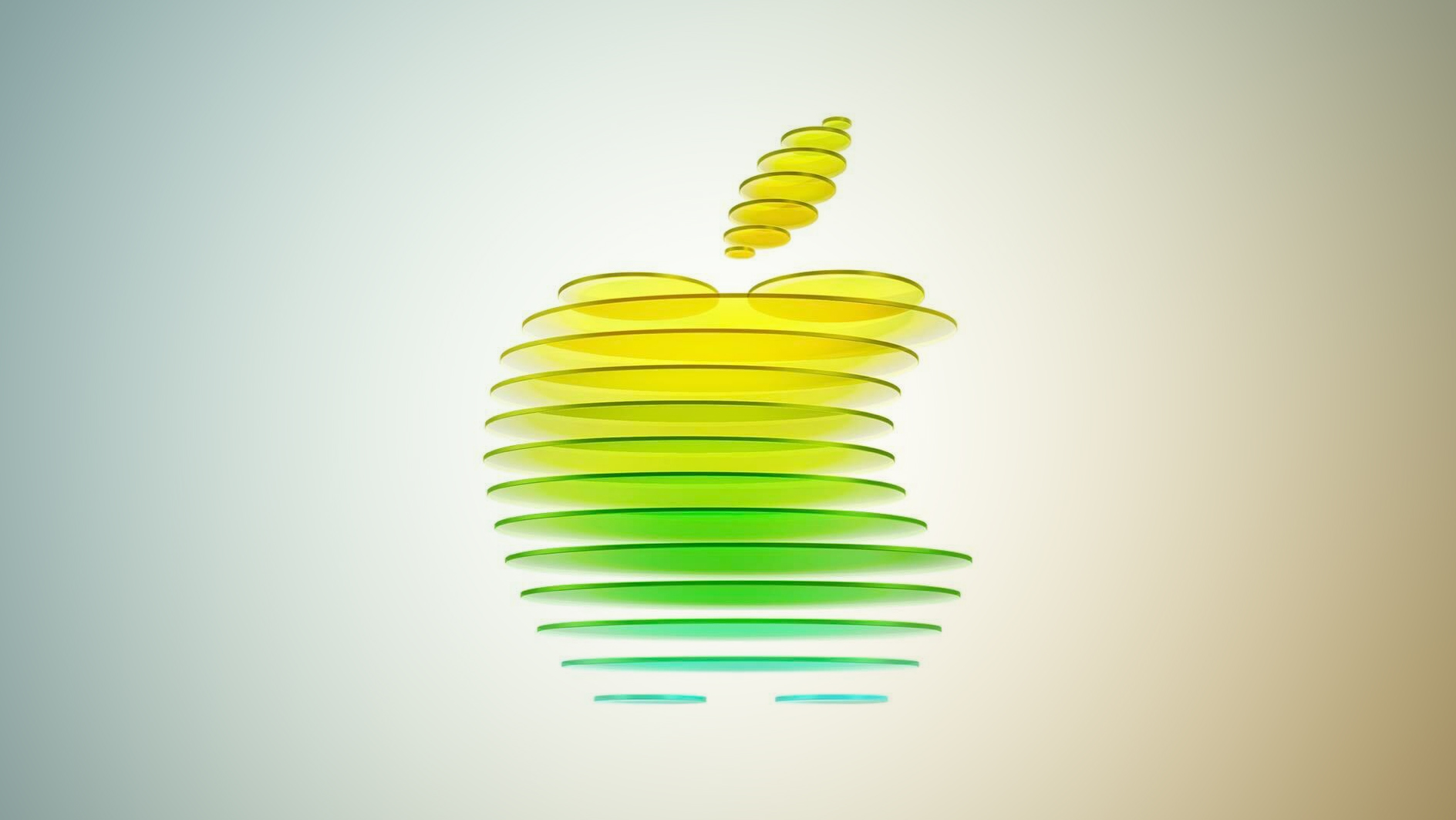
All signs point towards a new, more affordable MacBook as a prime candidate for unveiling at these global gatherings. The most compelling piece of evidence comes directly from the invitation graphic itself. It features a vibrant Apple logo adorned with yellow, green, and blue discs. This colorful palette immediately brings to mind some of Apple's most iconic and accessible products from the past, specifically those designed to appeal to a broader, more style-conscious audience.
Decoding the Invite Graphic: A History of Color
Apple has historically used bright colors to signify fresh, youthful, and accessible product lines. Think back to the original iMac G3 with its translucent, candy-colored casings, or more recently, the iPhone 5c which offered a playful range of hues. These products were often designed to introduce Apple's ecosystem to new users or to offer a more budget-friendly alternative without compromising on the core Apple experience.
This color symbolism is further reinforced by a report from Bloomberg's authoritative Apple insider, Mark Gurman. He revealed that Apple has tested those three colors—yellow, green, and blue—along with pink for a new MacBook model. The explicit mention of these specific colors in Gurman's report, coupled with their appearance on the official event invitation, creates a very strong correlation. It suggests that a colorful design will be a key differentiator for this upcoming MacBook, positioning it as a vibrant, personal, and perhaps more playful option compared to the traditionally muted tones of the MacBook Air and Pro lines.
The Rumors of a "MacBook with an iPhone Chip"
One of the most intriguing aspects of this rumored MacBook is the suggestion that it will feature an "iPhone chip." This phrasing requires a bit of clarification. While a MacBook runs macOS, and therefore requires an M-series chip, Apple's M-series chips (M1, M2, M3, etc.) are fundamentally based on the same ARM architecture and design principles as the A-series chips found in iPhones and iPads. In essence, the M-series chips are highly optimized, more powerful versions of their A-series counterparts, designed for the higher performance and thermal envelopes of laptops and desktops.
Therefore, a "MacBook with an iPhone chip" likely refers to a new, ultra-efficient, and highly cost-effective M-series chip that leverages the latest advancements from Apple's A-series development. It could be an entry-level M-series chip that is incredibly power-efficient, allowing for a thinner, lighter, and potentially fanless design, much like the first MacBook Air with M1. The goal would be to bring the superb performance-per-watt benefits of Apple Silicon to an even more affordable price point, making the Mac accessible to a wider demographic.
This strategy aligns perfectly with the idea of a "lower-cost MacBook." By optimizing the chip for efficiency and cost, Apple could produce a laptop that offers excellent everyday performance for tasks like web browsing, email, word processing, streaming, and light creative work, all while maintaining Apple's signature build quality and user experience, but at a price point more competitive with Chromebooks or entry-level Windows laptops.
Target Audience and Market Impact
Who is this new, colorful, and potentially more affordable MacBook aimed at? The most obvious target audiences would be students, first-time Mac buyers, and users who prioritize portability and style over raw professional-grade power. For students, a durable, lightweight, and long-lasting laptop with excellent battery life and access to Apple's ecosystem of apps would be a dream come true. For those considering switching from other platforms, a lower price point could significantly lower the barrier to entry into the Mac world.
In terms of market impact, this new MacBook could fill a crucial gap in Apple's laptop lineup. Currently, the MacBook Air serves as the entry-level option, but even that starts at a premium price. A truly lower-cost MacBook could help Apple gain market share in segments where price is a dominant factor, competing more directly with a broader range of laptops. It could also revitalize the "MacBook" brand, which was previously used for ultra-portable, fanless laptops before being folded into the Air and Pro lines.
Potential Specifications and Design
While specific details are scarce, we can infer some potential characteristics of this new MacBook. Given the emphasis on color and affordability, it might feature a refreshed design that deviates slightly from the current MacBook Air and Pro aesthetics. Perhaps a slightly more rounded, playful design, or even a return to some of the design elements that made the original MacBook (before the unibody era) so popular.
As for specifications, we can expect:
- **A New Entry-Level M-Series Chip:** Optimized for efficiency and cost.
- **Fanless Design:** Contributing to its thinness, lightness, and silent operation.
- **Liquid Retina Display:** Standard for Apple's modern laptops, offering vibrant colors.
- **Decent Battery Life:** A hallmark of Apple Silicon Macs, likely exceeding a full day of use.
- **Limited Port Selection:** Potentially just two USB-C/Thunderbolt ports to keep costs down, similar to the entry-level MacBook Air.
- **Magic Keyboard and Force Touch Trackpad:** Standard high-quality input devices.
- **Variety of Colors:** The yellow, green, blue, and pink mentioned in rumors would be key selling points.
The iPhone 17e: A "Spec-Bumped" Successor
While the colorful MacBook seems to be the frontrunner, another strong possibility for an announcement at the Apple Experience is the iPhone 17e. This device is expected to be the spec-bumped successor to the iPhone 16e, continuing Apple's strategy of offering a more accessible iPhone model with a compelling set of features. The "e" designation typically signifies an "essential" or "enhanced" model, providing a balance of modern technology and affordability.
Understanding the "e" Series
Apple's iPhone lineup has become increasingly diverse, catering to different needs and budgets. The "e" series iPhones likely serve as a bridge between the top-tier flagship Pro models and the more basic entry-level devices. They often inherit key features from the previous year's flagships while introducing new capabilities that make them stand out in the mid-range segment. This strategy allows Apple to keep its technology fresh across all price points and ensures that even more budget-conscious consumers can experience modern iPhone innovation.
Key Upgrades Explained
The iPhone 17e is rumored to arrive with four significant upgrades, making it a powerful contender in its category:
- MagSafe: This magnetic technology, first introduced with the iPhone 12, allows for precise and secure attachment of accessories like wireless chargers, wallets, and cases. Bringing MagSafe to the iPhone 17e would significantly enhance its utility and accessory ecosystem. Users would benefit from faster and more reliable wireless charging, a wider range of compatible accessories, and the convenience of easy attachment and detachment. It’s a feature that adds both functionality and a premium feel to the device.
- A19 Chip: Powering the device would be the A19 chip. Apple's A-series chips are industry leaders in mobile performance, and the A19 would represent a generational leap in processing power and energy efficiency. This would translate to faster app launches, smoother multitasking, enhanced gaming performance, and more capable on-device AI and machine learning features. For an "e" series iPhone, having such a cutting-edge chip ensures that the device remains highly responsive and future-proof for several years.
- C1X Modem for Faster 5G: Connectivity is paramount in today's mobile world, and the iPhone 17e is expected to feature a C1X modem, enabling faster and more reliable 5G connectivity. A more advanced modem means quicker downloads and uploads, lower latency for gaming and video calls, and a more stable connection even in crowded environments. This upgrade ensures that the iPhone 17e can take full advantage of expanding 5G networks, providing a superior internet experience on the go.
- N1 Chip for Wi-Fi 7: Complementing the enhanced cellular connectivity, the iPhone 17e is also rumored to include an N1 chip for Wi-Fi 7. Wi-Fi 7 (802.11be) is the latest standard in wireless networking, promising even higher speeds, lower latency, and improved efficiency compared to Wi-Fi 6E. While Wi-Fi 7 networks are still emerging, incorporating this technology into the iPhone 17e ensures it is ready for the next generation of home and public Wi-Fi, offering blazing-fast wireless data transfer and a more robust connection for streaming, gaming, and cloud computing.
Where It Fits in the iPhone Lineup
The iPhone 17e, with these powerful upgrades, would comfortably position itself as a strong mid-range offering. It would provide significant performance and connectivity improvements over older models, while offering a more affordable entry point than the flagship iPhone 17 Pro models. This strategic placement allows Apple to capture consumers who desire modern iPhone features and performance without necessarily needing the absolute bleeding edge technology or premium price tag of the Pro lineup. It’s about making essential, high-quality iPhone experiences accessible to a broader audience, expanding Apple's reach in a competitive smartphone market.
Other Exciting Possibilities on the Horizon
Beyond the most likely candidates, Apple has a history of surprising its audience with simultaneous announcements. Several other products have been the subject of recent rumors and could potentially make an appearance at the March 4th Apple Experience. While perhaps less certain than the colorful MacBook or iPhone 17e, these possibilities are certainly "fitting" given Apple's typical refresh cycles and product strategies.
Other fitting possibilities include refreshed iPads and a new MacBook Air, all featuring Apple's increasingly powerful custom silicon.
iPads Getting More Powerful
The iPad lineup is always a strong contender for updates, given its critical role in Apple's ecosystem, bridging the gap between smartphones and traditional computers. The rumored updates would bring significant performance boosts:
- iPad Air with an M4 chip: The iPad Air has historically offered a fantastic balance of power, portability, and price. Moving from the M2 (or M3, depending on the current model) to the M4 chip would represent a substantial leap. The M4 chip, possibly borrowing architecture from the A18 or A19 series, would bring console-level graphics, significantly faster CPU performance, and enhanced neural engine capabilities for AI tasks. This would transform the iPad Air into an even more formidable device for creative professionals, serious students, and anyone needing pro-level performance in a lightweight package. It would further blur the lines between tablets and laptops, especially when paired with accessories like the Magic Keyboard.
- iPad 12 with an A18 chip: The entry-level iPad is crucial for making the tablet experience accessible. An upgrade to the A18 chip (from perhaps an A16 or A17) would ensure that the base iPad remains snappy and capable for everyday tasks like web browsing, streaming, casual gaming, and educational apps. It would also guarantee compatibility with the latest iPadOS features and apps for years to come. For many, the base iPad is their first entry into the Apple ecosystem, and keeping it updated with a powerful chip ensures a positive initial experience.
These iPad updates would reinforce Apple's commitment to its tablet line, offering more power across various price points and solidifying its position as a leader in the tablet market.
MacBook Air with an M5 chip
The MacBook Air is arguably one of Apple's most popular and best-selling laptops, beloved for its thin and light design, silent operation, and stellar battery life, especially since the introduction of Apple Silicon. An update to an M5 chip would be a natural progression.
- MacBook Air with an M5 chip: The M5 chip would build upon the incredible efficiency and performance of its predecessors. We could expect even faster CPU and GPU performance, potentially with more unified memory options, and further enhancements to the Neural Engine for AI workloads. For the MacBook Air, these upgrades would translate into an even snappier user experience, faster video editing, smoother multitasking with more demanding applications, and potentially even longer battery life. It would solidify its position as the go-to laptop for general productivity, students, and light creative work, offering a professional-grade experience in an incredibly portable form factor. The MacBook Air with M5 would continue to set the standard for what a mainstream laptop can achieve.
Any of these product updates would be met with excitement, demonstrating Apple's relentless pursuit of performance and efficiency across its core product lines. The Apple Experience could very well be the platform for one or more of these highly anticipated refreshes.
The Waiting Game for Smart Home and High-End Tech
While the focus of the upcoming Apple Experience seems to be on more colorful, potentially lower-cost, and mass-appeal products, there's a broader category of Apple devices that enthusiasts are eagerly awaiting. These include updates to Apple's smart home ecosystem and its high-end professional computing products. However, the current clues suggest these might not be the stars of the March 4th show.
Apple's Smart Home Ambitions
Apple has slowly but steadily built out its smart home presence with products like the HomePod and Apple TV. Many users are clamoring for updates to these devices, which could significantly enhance the smart home experience:
- **Updated Apple TV:** A new Apple TV, perhaps with a more powerful chip for enhanced gaming, improved media processing, or even deeper smart home integration, is frequently rumored.
- **Updated HomePod mini:** The compact and affordable HomePod mini has been a success, but an update could bring improved audio quality, new sensors, or enhanced Siri capabilities.
- **All-new Apple home hub:** Beyond individual devices, there's speculation about a more central, comprehensive Apple home hub that could unify control and introduce new features for home automation.
While these products are certainly in Apple's pipeline, it's currently unclear if any of them will be unveiled alongside this particular Apple Experience. The timing for smart home products often depends on advancements in underlying technologies, particularly in artificial intelligence and voice assistants.
The Siri Factor
A significant factor influencing the rollout of new smart home products, especially those relying heavily on voice interaction, is the development of Siri. There is still no sign of the more personalized version of Siri that Apple has been rumored to be developing. A truly advanced and personalized Siri, capable of understanding context, user preferences, and offering proactive assistance, would be a game-changer for Apple's smart home devices. Until such a breakthrough is ready for prime time, Apple might hold back on major smart home hardware announcements to ensure the software experience can match the hardware's potential.
The integration of advanced AI into Siri is crucial for making smart home devices truly "smart" and seamless. If the core intelligence is still undergoing significant development, releasing new hardware that relies heavily on that intelligence might be premature.
Pro-Grade Gear on Hold
Finally, for the most demanding users and professionals, the wait continues for Apple's highest-end products. These include:
- **MacBook Pros with M5 Pro and M5 Max chips:** These powerful laptops are essential for video editors, software developers, 3D artists, and other creative professionals who need uncompromising performance. Updates to the M5 Pro and M5 Max chips would bring even more cores, higher memory bandwidth, and enhanced media engines.
- **An updated Mac Studio:** A compact powerhouse designed for professional workflows, an updated Mac Studio would likely feature M5 Ultra or M5 Extreme chips, pushing the boundaries of desktop computing in a small form factor.
- A new Studio Display: A successor to Apple's current professional-grade monitor, the Studio Display 2 could feature improved panel technology, higher refresh rates, or new features tailored for creative work.
While nothing has been definitively ruled out at this point, the colorful nature of the Apple Experience graphic strongly suggests that Apple will be focusing its attention on some more vibrant, lower-end products with broad mass appeal. High-end products typically launch with more understated, serious marketing, aligning with their professional target audience. Therefore, while these pro-grade devices are undoubtedly in development, it's more likely that they will receive their own dedicated announcement or be part of a later, larger Apple Event specifically catering to professional users.
For now, it seems the March 4th Apple Experience will be about making Apple technology more accessible, colorful, and widely appealing, rather than pushing the absolute limits of pro performance or revolutionizing the smart home ecosystem.
How the Announcements Will Unfold
Given that this is an "Apple Experience" and not a traditional, large-scale Apple Event, the way the announcements are delivered will differ significantly from what we've become accustomed to with live-streamed keynotes. This format has its own unique advantages and ways of generating buzz and detailed coverage.
No Live Stream? No Problem!
One of the most immediate expectations is that Apple will not provide a YouTube live stream for this event. Unlike the polished, highly produced video presentations that accompany major product launches, an Apple Experience is designed to be experienced in person by the invited guests. This means that the world won't be tuning in simultaneously to watch Tim Cook reveal new devices on a stage.
Instead, we anticipate that a new product or two will be announced via one or more press releases published on the Apple Newsroom website. These press releases are typically comprehensive, detailing all the specifications, features, pricing, and availability information for the new products. They are often released precisely when the embargo lifts for the invited journalists and creators, ensuring a coordinated global reveal.
This approach allows Apple to control the core messaging while empowering the attendees to provide the initial visual and experiential content, creating a multi-faceted announcement strategy. It's less about a grand spectacle and more about direct information dissemination combined with authentic, hands-on impressions.
The Role of Attendees: First Impressions and Hands-On Coverage
The invited journalists and content creators will play a crucial role in bringing these announcements to the public. As soon as the embargo lifts (which typically coincides with the event start time or shortly thereafter), those who attend the Apple Experience in New York, London, or Shanghai will be able to share their first impressions, hands-on photos, and initial thoughts on the newly unveiled products.
This will translate into an immediate flood of content across various platforms:
- **Detailed Articles:** Tech websites will publish in-depth articles summarizing the announcements, often incorporating specific observations and details gleaned from the hands-on sessions.
- **High-Quality Photos and Videos:** Attendees will capture close-up photos and initial video clips of the devices, showcasing their design, new colors, and key features from multiple angles.
- **Social Media Buzz:** Platforms like Threads, X (formerly Twitter), Instagram, and TikTok will light up with real-time reactions, short video demonstrations, and immediate opinions from influential creators, generating significant organic buzz.
- **Early Interviews:** Some journalists might have the opportunity to conduct brief interviews with Apple executives or product managers, providing additional context and insights into the new products.
This collective output from numerous trusted sources creates a rich tapestry of initial coverage, offering diverse perspectives and a more granular look at the products than a single live stream could provide. It generates anticipation and provides consumers with a wealth of information to help them decide if the new products are right for them.
Global Timing: A Coordinated Unveiling
The Apple Experience gatherings are strategically timed to kick off simultaneously across three major regions, ensuring a synchronized global reveal despite time zone differences. In New York, the event begins on Wednesday, March 4, at 9 a.m. Eastern Time. The gatherings in London and Shanghai will commence at the exact same global moment, meaning it will be later in the day in those respective cities due to their positions on the globe.
- **New York:** Wednesday, March 4, 9:00 a.m. Eastern Time (ET)
- **London:** Wednesday, March 4, 2:00 p.m. Greenwich Mean Time (GMT)
- **Shanghai:** Wednesday, March 4, 10:00 p.m. China Standard Time (CST)
This coordinated timing is crucial for Apple to manage the global news cycle effectively, ensuring that information is released simultaneously worldwide and preventing premature leaks or fragmented announcements. Regardless of where you are in the world, the news of Apple's latest innovations will break at the same instant, allowing everyone to join in the excitement together.
Conclusion: A Colorful Future Ahead
As we eagerly await Wednesday, March 4th, the anticipation for Apple's "special Apple Experience" is palpable. While it won't be the large-scale, live-streamed event many are accustomed to, the choice of a multi-city, hands-on format for select journalists and content creators strongly suggests that significant product announcements are on the horizon. The clues, from the colorful invite graphic to the caliber of invited attendees, paint a clear picture of what Apple aims to achieve: making its technology more accessible, personal, and vibrant.
The strongest contender for a grand reveal is undoubtedly a new, lower-cost MacBook, potentially featuring an ultra-efficient M-series chip derived from Apple's mobile innovations and sporting a range of eye-catching colors like yellow, green, blue, and pink. This would be a strategic move to broaden the Mac's appeal, especially among students and first-time users, injecting a fresh dose of personality into the laptop lineup.
Close behind is the rumored iPhone 17e, poised to deliver a compelling mid-range smartphone experience with key upgrades such as MagSafe, a powerful A19 chip, faster 5G thanks to the C1X modem, and future-proof Wi-Fi 7 capabilities. This device would continue Apple's tradition of offering advanced features at more accessible price points.
Beyond these two strong possibilities, we might also see exciting refreshes for the iPad Air (with an M4 chip), the entry-level iPad (with an A18 chip), and the ever-popular MacBook Air (with an M5 chip), further enhancing performance across Apple's core product categories. While smart home products and high-end professional gear are still in the pipeline, their launch seems less likely at this specific event, given the focus indicated by the colorful invitation and ongoing Siri developments.
The March 4th Apple Experience represents a fascinating glimpse into Apple's strategy of engaging with its audience and introducing products that blend innovation with everyday usability. Without a live stream, the world will rely on the immediate, hands-on impressions and detailed reports from those fortunate enough to attend. This collective sharing of first looks will undoubtedly shape our understanding and excitement for Apple's latest offerings.
So mark your calendars and keep an eye on your favorite tech news outlets. Whether you're a student eyeing a new colorful MacBook, an iPhone enthusiast looking for the latest "e" model, or simply curious about what Apple has in store, the week of March 4th promises to be an exciting period for Apple fans around the globe. Get ready for a splash of color and a wave of new technology!
This article, "Apple Event on March 4: Here's What to Expect" first appeared on MacRumors.com
Discuss this article in our forums
from MacRumors
-via DynaSage
