
AirPods Pro 4 Could Feature Cameras to 'See Around You'
The Future in Your Ears: Next-Gen AirPods Pro Could Feature Cameras to "See Around You"
Imagine a world where your earbuds do more than just play music or take calls. Picture them as sophisticated assistants, subtly enhancing your perception of the environment, responding to your gestures, and deeply integrating with your digital life. This isn't science fiction; it's the exciting rumor swirling around Apple's upcoming AirPods Pro. According to well-known leaker and prototype collector Kosutami, the next generation of Apple's premium earbuds will be equipped with cameras, opening up a realm of possibilities that could redefine personal audio and augmented reality.
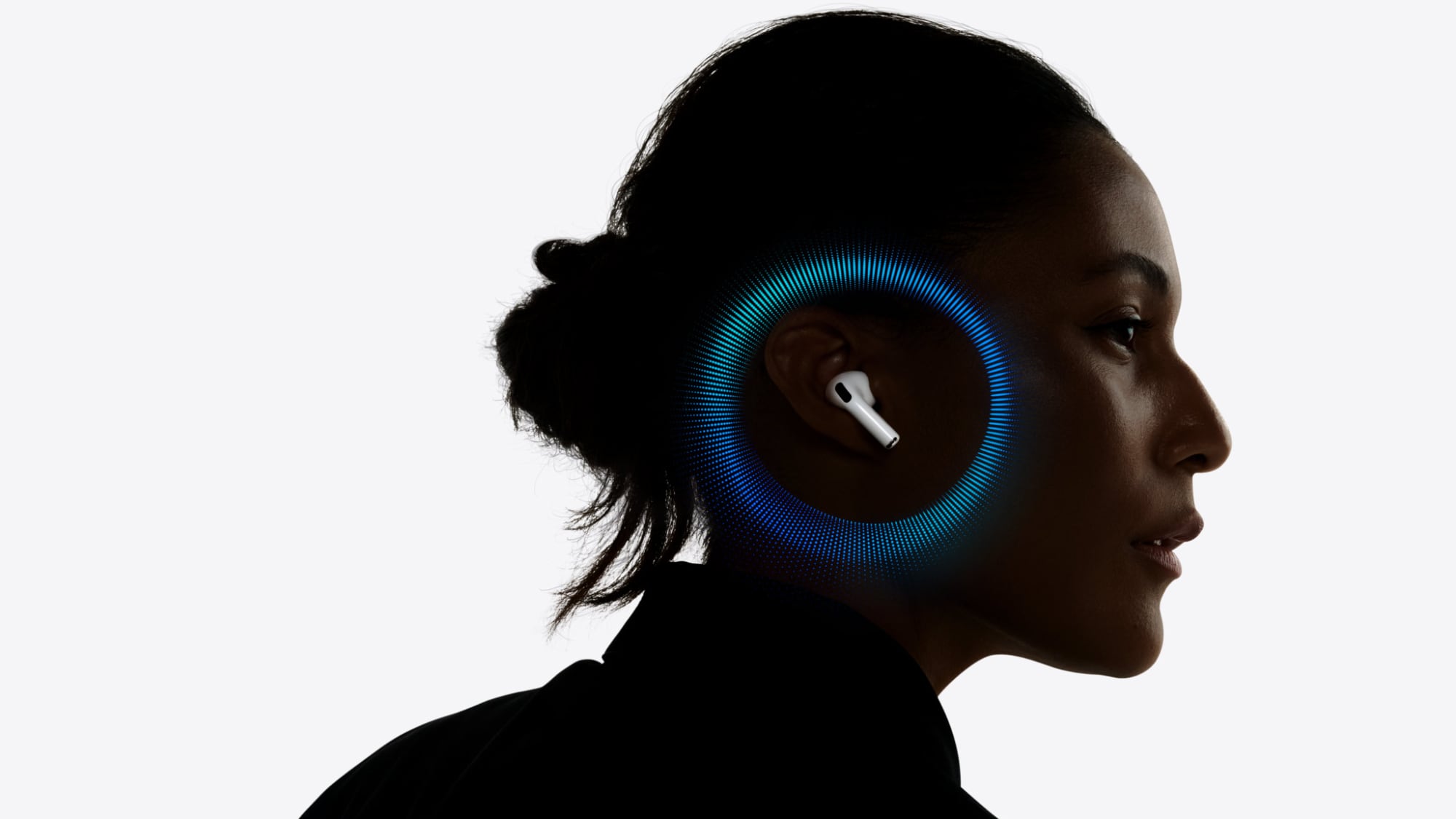
A Glimpse into the Future: Cameras on Your AirPods
The core of this groundbreaking rumor is the integration of cameras into each AirPod Pro earbud. In a recent post on X (formerly Twitter), Kosutami dropped the tantalizing detail that the next AirPods Pro would possess the ability to "see around the wearer." While the specifics of how these cameras will function are still under wraps, the implications are vast and incredibly exciting. This isn't just about taking photos; it's about enabling a new layer of interaction and awareness that bridges the digital and physical worlds. The idea of discreet cameras embedded in earbuds represents a significant technological leap, transforming a passive listening device into an active sensor, capable of interpreting the world around you and your place within it. This could fundamentally change how we interact with technology and how technology interacts with us.
This rumor isn't isolated. Esteemed supply chain analyst Ming-Chi Kuo has previously hinted at similar advancements. He suggested that the 2026 AirPods Pro would introduce a "more significant" hardware upgrade, specifically mentioning at least one tiny infrared camera. Infrared cameras, unlike standard cameras that capture visible light, detect heat signatures or specific light wavelengths invisible to the human eye. This technology has several advantages, including functioning effectively in low-light conditions and offering potential privacy benefits by not capturing visually identifiable images in the same way a traditional camera would. It's often used in advanced applications like facial recognition (as seen in Apple's Face ID), depth sensing, and night vision systems. The key takeaway here is that these cameras wouldn't necessarily be for taking pictures in the conventional sense, but rather for sensing the environment, mapping spatial relationships, tracking movement, and even interpreting subtle human gestures. This type of sensor can accurately map objects, track movement, and even interpret subtle gestures, paving the way for a truly intuitive and context-aware user experience that has previously been limited to larger, more conspicuous devices.
Beyond Sight: Gesture Controls and Spatial Audio Enhancement
The potential applications of these integrated cameras go far beyond simply "seeing." Ming-Chi Kuo has elaborated on two key functions: recognizing hand gestures and providing an enhanced spatial audio experience, especially when paired with Apple's Vision Pro headset. These capabilities hint at a future where our interaction with technology becomes more fluid, intuitive, and seamlessly integrated into our daily lives, moving beyond taps and swipes to more natural forms of communication.
Intuitive Gesture Control
Imagine controlling your music, answering calls, dismissing notifications, or even interacting with smart home devices with a simple flick of your wrist or a subtle hand movement, all without touching your phone or even your AirPods directly. This is the promise of gesture control. With infrared cameras precisely tracking the minute movements of your hands and fingers, AirPods Pro could interpret a predefined set of gestures as commands. For instance, a quick pinch and release could pause music, a swipe to the side could skip a track, or a specific hand sign could activate Siri. This hands-free interaction would be revolutionary for numerous situations where you can't easily reach for your device, such as when exercising vigorously, cooking with messy hands, or carrying groceries. It enhances convenience, improves accessibility for a wider range of users, and provides a truly seamless interface with your digital world that feels almost magical. Apple has long explored innovative input methods, from multi-touch screens to force touch and sophisticated haptic feedback. Gesture control, enabled by sophisticated sensors in a compact form factor like AirPods, represents a natural and logical evolution of this philosophy, pushing the boundaries of human-computer interaction into a more natural and fluid realm, where technology adapts to human movement rather than the other way around.
Elevating Spatial Audio with Vision Pro
Spatial Audio has been a flagship feature for AirPods Pro, offering an incredibly immersive sound experience that makes it feel like audio is coming from all around you, creating a virtual soundstage that adjusts dynamically as you turn your head. With the addition of cameras, this experience could reach new, unprecedented heights, particularly in conjunction with the Apple Vision Pro. The Vision Pro is Apple's ambitious entry into spatial computing, a groundbreaking device that seamlessly blends digital content with the physical world, striving to create a cohesive mixed-reality experience. For a truly believable and immersive mixed-reality environment, audio needs to be perfectly synchronized and anchored to the digital objects and your physical surroundings. Cameras in AirPods could provide precise, real-time head, body, and even environmental tracking, allowing the system to understand your orientation and movement within the physical space with unprecedented accuracy. This means that sounds originating from a virtual object rendered in your physical room would stay precisely where they are, regardless of how you move your head or body. The audio would be anchored not just to your head, but to your entire spatial presence and the surrounding environment, making the virtual world feel even more tangible, believable, and utterly immersive. It's about enhancing the sense of presence and realism to an extraordinary degree, making digital experiences feel truly integrated and inseparable from your physical environment. This deeper integration highlights Apple's powerful ecosystem strategy, where devices like AirPods and Vision Pro are designed to work in concert, unlocking capabilities that neither device could achieve alone, ultimately delivering a cohesive and advanced user experience that defines the future of computing.
The Price Point Puzzle: Affordable Innovation or Premium Tier?
Whenever a significant hardware upgrade is rumored, especially one as revolutionary as integrated cameras, the question of pricing inevitably arises and often becomes a central point of debate. Kosutami suggests that the new AirPods Pro, despite their advanced camera features and the sophisticated technology required, will maintain the same $249 price tag as the current model. This would be a remarkable feat of engineering, supply chain management, and cost optimization, effectively offering cutting-edge technology without an increased financial burden for consumers. Such a strategic move would significantly broaden the appeal of these advanced features, making them accessible to a wider audience and potentially accelerating the adoption of new interaction paradigms in the mainstream market, solidifying Apple's position as an innovator that delivers value.
However, this optimistic perspective on pricing contrasts with earlier whispers and more detailed information circulating within the tech community. Previous rumors, and particularly information from Chinese leaker Instant Digital, suggest a different and arguably more plausible strategy. Instant Digital corroborated the rumors about new AirPods Pro featuring infrared cameras for gesture controls but added a crucial clarification: the 2026 AirPods Pro with cameras might not be a direct, sole successor, but rather a pricier, high-end variant of the AirPods Pro 3, which is expected to debut in 2025. This implies that Apple could offer two distinct versions of its Pro earbuds, with the current (or 2025) AirPods Pro 3 continuing to be sold alongside this new, more advanced, and more expensive model. This tiered approach allows Apple to innovate at the high end without alienating customers who prefer the existing feature set and price point, effectively expanding their market reach.
Apple's Tiered Product Strategy
This dual-product approach is not new to Apple; in fact, the company has successfully implemented a similar strategy across several of its product lines. A prime example is its standard AirPods lineup. Currently, Apple offers two distinct versions of the AirPods 4, priced at $129 and $179 respectively. The higher-priced model typically includes additional features such as a MagSafe charging case, potentially longer battery life, or more advanced audio capabilities. This tiered approach allows Apple to cater to different segments of the market, offering a more affordable entry point for casual users while also providing a premium option for those willing to pay for the latest technology and enhanced features. Applying this well-established and successful strategy to the AirPods Pro line seems highly plausible and aligns perfectly with Apple's established business model of product differentiation and market segmentation.
Let's consider the current AirPods lineup and the potential space for a new, even more premium offering. The existing range includes:
- Standard AirPods (currently multiple generations, starting around $129)
- AirPods Pro (current generation at $249)
- AirPods Max (over-ear headphones at $549)
Unraveling the Release Timing: AirPods Pro 4 or an Enhanced Pro 3?
The timing of such a significant release adds another layer of intrigue to the rumors. Back in September 2025, the highly respected Ming-Chi Kuo reported that Apple was planning to introduce a successor to the AirPods Pro 3 in 2026. This timeline is particularly noteworthy because it deviates from Apple's usual, more predictable refresh cycle for its AirPods lineup. Historically, Apple tends to wait approximately three years before implementing major hardware overhauls to its AirPods models, ensuring that each generational leap delivers substantial improvements worthy of an upgrade.
Apple's Typical Refresh Cycle and Deviations
Let's look at the historical refresh patterns for context:
- The original AirPods debuted in December 2016.
- AirPods 2 followed in March 2019 (approximately 2.5 years later).
- The original AirPods Pro model launched in October 2019.
- AirPods 3 arrived in October 2021 (about 2.5 years after AirPods 2).
- AirPods Pro 2 debuted at the iPhone 14 event in September 2022 (approximately 3 years after the original AirPods Pro).
- AirPods Pro 2 received a relatively minor update with a USB-C charging case and a few other tweaks in September 2023, but the core hardware remained largely the same, not constituting a full generational refresh.
Naming Convention: Pro 4 or Enhanced Pro 3?
The distinction between a "full-fledged AirPods Pro 4" and a "new, high-end version of the AirPods Pro 3" is more than just semantics; it reflects Apple's broader strategic intent for its product lineup. If it's labeled as AirPods Pro 4, it implies a complete generational leap, suggesting improvements across the board in audio quality, battery life, processing power, and overall industrial design, with cameras being a headline feature among many other enhancements. If, however, it's positioned as an enhanced AirPods Pro 3 variant, it indicates that the core platform (likely introduced in 2025) remains largely the same, but a premium option is offered with specific, advanced features like the cameras, possibly marketed with a distinctive name like "AirPods Pro 3 Ultra" or "AirPods Pro 3 with Spatial Intelligence." This second scenario would elegantly explain the quicker release cycle, as it leverages an existing design and underlying platform, adding new components and capabilities rather than necessitating a costly and time-consuming redesign from the ground up, allowing Apple to bring innovation to market faster.
Regardless of the exact naming convention, the launch timing for new AirPods typically falls within the second half of the calendar year. Historically, many significant AirPods announcements have occurred at Apple's highly anticipated annual iPhone event in September, which serves as a major platform for unveiling new hardware. This was precisely the case for the original AirPods, AirPods Pro 2 (and their subsequent USB-C revision), AirPods 4, and AirPods Pro 3. This consistent pattern makes a late 2026 announcement highly probable for these camera-equipped AirPods Pro, aligning them with Apple's major product launch cycles and ensuring maximum visibility and marketing impact.
The Broader Implications: Hearables as the Next Frontier
The prospect of cameras in AirPods Pro represents a truly significant leap forward, transforming them from mere audio devices into sophisticated "hearables" – intelligent, context-aware wearables designed for your ears. This exciting trend aligns perfectly with a broader industry movement towards augmented reality (AR) and ubiquitous computing, where technology seamlessly blends into our daily lives, becoming less intrusive and more helpful. AirPods Pro with cameras could become a pivotal component in Apple's expansive vision for a future where digital information and interactions are intelligently layered onto our physical reality, working in perfect tandem with other devices in its ecosystem like the Vision Pro, iPhone, and Apple Watch, creating a truly unified and intelligent personal experience.
Beyond Audio: Health, Accessibility, and Everyday Intelligence
What other transformative possibilities do cameras in AirPods open up beyond just gesture control and enhanced spatial audio?
- Enhanced Health Monitoring: While not explicitly mentioned in the current rumors, an infrared camera, with its ability to penetrate the skin and detect subtle physiological changes, could potentially be used for more advanced health metrics. With the right sensors and sophisticated algorithms, it might contribute to monitoring heart rate variability, blood oxygen levels, body temperature fluctuations, or even subtle physiological changes that could indicate stress or fatigue, adding another robust layer to Apple's comprehensive health ecosystem and proactive wellness management.
- Situational Awareness and Accessibility: For users with visual impairments, a camera could offer invaluable assistance. Coupled with advanced artificial intelligence, the AirPods could "see" obstacles in real-time, read signs, identify objects, or even recognize faces, and verbally relay this crucial information to the user through spatial audio, effectively acting as an intelligent, auditory guide. Even for fully sighted users, subtle audio cues about their surroundings could significantly enhance safety or provide useful context without requiring visual attention to a screen. Imagine an AirPod subtly warning you about an approaching vehicle, an object unexpectedly in your path, or even guiding you through a complex indoor environment.
- Subtle Augmented Reality: While not a full AR headset, cameras in AirPods could enable a unique form of "audio AR." For example, walking through a museum, the AirPods could identify exhibits you're looking at and deliver rich, contextual audio commentary directly into your ears, perfectly spatialized to appear as if coming from the exhibit itself. Or in a smart home environment, gesturing at a lamp could instantly turn it on or off, with the AirPods providing a subtle audible confirmation of the action. This discreet overlay of digital information onto the physical world through sound is a powerful new dimension of AR.
- Improved Communication: While speculative, cameras could potentially enhance beamforming for microphones, helping them to better isolate your voice in noisy environments by understanding your head's precise orientation and the direction of various sound sources, leading to clearer calls and voice commands even in challenging acoustic conditions.
- Everyday Intelligence: These smart capabilities could extend to real-time translation, where the cameras might assist in identifying speakers or visual cues in a conversation, making the translation more accurate and contextually relevant. Or consider context-aware notifications: if the AirPods detect you're in a library, they could automatically silence notifications or suggest activating a focus mode. Conversely, if they sense you're in a busy transit hub, they might prioritize important alerts and relay critical information. This continuous, intelligent understanding of your environment and activities through unobtrusive sensors like cameras opens up a new paradigm for how technology assists us, moving from reactive to proactive and truly personalized experiences, all delivered discreetly and intuitively through your ears. The power lies not just in seeing, but in understanding and acting upon what is seen in a way that truly benefits the user without being intrusive.
Challenges to Overcome
Integrating cameras into such tiny devices presents significant engineering challenges that Apple will need to master:
- Battery Life: Cameras and the sophisticated processing required for real-time gesture recognition, environmental sensing, and advanced spatial audio would consume considerable power. Apple would need to achieve remarkable power efficiency through highly optimized chips and software to maintain the impressive, all-day battery life that AirPods Pro users have come to expect and rely upon.
- Miniaturization: Fitting cameras, their associated sensors, the necessary advanced processing chips, and all other components into the already compact and ergonomically designed form factor of an earbud is an immense feat of miniaturization. This includes not just the tiny optics and the sensor itself, but also the crucial thermal management required to prevent overheating, which can impact performance and user comfort.
- Privacy Concerns: Placing cameras directly on a user's ears raises immediate and understandable privacy questions and potential apprehension. Apple has consistently emphasized user privacy as a core tenet of its product philosophy. To mitigate potential apprehension, they would likely employ advanced on-device processing to ensure that sensitive camera data is analyzed locally on the device itself and not transmitted to Apple servers or third parties without explicit and informed user consent. Furthermore, clear visual indicators, such as a tiny LED light, could signal when the cameras are actively recording or sensing, providing users with transparency and control. Robust privacy settings, allowing users to disable specific camera functions or specify their usage contexts, would be absolutely essential in building trust and ensuring widespread adoption of such innovative technology. The conversation around privacy will undoubtedly be central to the launch and reception of camera-equipped AirPods Pro, and Apple's handling of these concerns will be critical to their success.
- Software Development: The software required to interpret complex camera data for reliable gesture recognition, accurate environmental awareness, and seamless spatial audio integration is incredibly intricate and computationally demanding. Developing a seamless, reliable, intuitive, and lag-free user experience will be a monumental undertaking, requiring extensive AI and machine learning expertise.
These challenges are substantial, representing significant hurdles that would test any technology company. However, Apple has a well-documented history of overcoming seemingly impossible engineering obstacles to deliver truly innovative and category-defining products that reshape industries. The move towards camera-equipped AirPods Pro, despite these challenges, strongly signals Apple's continued ambition to push the boundaries of personal technology, evolving hearables from simple audio playback devices into powerful, context-aware tools that augment our reality in subtle yet profound ways, seamlessly integrating into the fabric of our lives.
The Road Ahead: Anticipation and Speculation
The rumors surrounding the next-generation AirPods Pro paint a vivid picture of a truly revolutionary device, poised to redefine what we expect from personal audio technology. Whether they ultimately arrive as the AirPods Pro 4 or a high-end, feature-rich variant of the AirPods Pro 3, the integration of cameras for environmental awareness, intuitive gesture control, and deeply enhanced spatial audio with Vision Pro marks a significant paradigm shift. It positions AirPods not just as best-in-class earbuds for listening, but as a critical, intelligent interface for Apple's burgeoning spatial computing ecosystem, bridging the gap between our physical world and digital experiences in an unprecedented manner.
While the exact details, official specifications, and definitive confirmation remain elusive until Apple's official announcement, the consistent reporting from generally reliable sources within the Apple rumor community, such as Kosutami, Ming-Chi Kuo, and Instant Digital, strongly suggests that this isn't merely wishful thinking or speculative fiction. Instead, it appears to be a genuine and ambitious direction for Apple's hearable strategy, indicative of a long-term vision. The possibility of maintaining the current price point would be a remarkable game-changer, democratizing cutting-edge technology. However, a tiered approach with a premium, camera-equipped model also makes strong business sense given current market trends, the rising demand for high-end audio, and Apple's own history of offering differentiated products to cater to a diverse customer base.
As we eagerly look towards late 2026, the anticipation for what Apple will finally unveil is palpable. The next AirPods Pro could very well be the company's boldest statement yet in the world of personal audio and augmented interaction, fundamentally changing how we perceive, engage with, and understand the world through the power of our ears.
This article, "AirPods Pro 4 Could Feature Cameras to 'See Around You'" first appeared on MacRumors.com
Discuss this article in our forums
from MacRumors
-via DynaSage
