
Apple's Next iPhone: What to Expect From the 2026 iPhone 17e
Get ready, tech fans! We're likely just weeks away from a major announcement from Apple. The company is all set to reveal its next iPhone model, the much-anticipated iPhone 17e. This new phone comes after the iPhone 16e, which launched in February 2025. Based on what we're hearing, the iPhone 17e could bring some really exciting and welcome improvements, especially for those looking for a great phone without the top-tier price tag.
The "e" in iPhone 17e stands for "essential," and it's Apple's way of offering a fantastic smartphone experience that focuses on core features and excellent value. While flagship iPhones often push the boundaries with the latest and most expensive technologies, the "e" series aims to provide a reliable, powerful, and enjoyable device that's more accessible to a wider audience. It's about getting the best of Apple's ecosystem in a package that makes sense for everyday use and everyday budgets.
What makes this launch particularly interesting are the rumored upgrades. While the iPhone 16e was a solid phone, the 17e is expected to bridge some of the gaps between the budget-friendly "e" models and Apple's more expensive main iPhone lineup. This means we might see features previously reserved for premium iPhones making their way to the 17e, giving users an even better experience without a significant jump in price.
In this comprehensive guide, we'll dive deep into everything we expect from the iPhone 17e. From its design and display to its powerful new chip, potential MagSafe compatibility, camera improvements, and connectivity, we'll cover all the rumored details. We'll also look at the anticipated pricing and when you can expect to get your hands on this exciting new device. So, if you're thinking about upgrading your phone or just curious about Apple's latest offerings, read on to discover what the iPhone 17e might bring to the table.
Design: A Familiar Look with Modern Twists
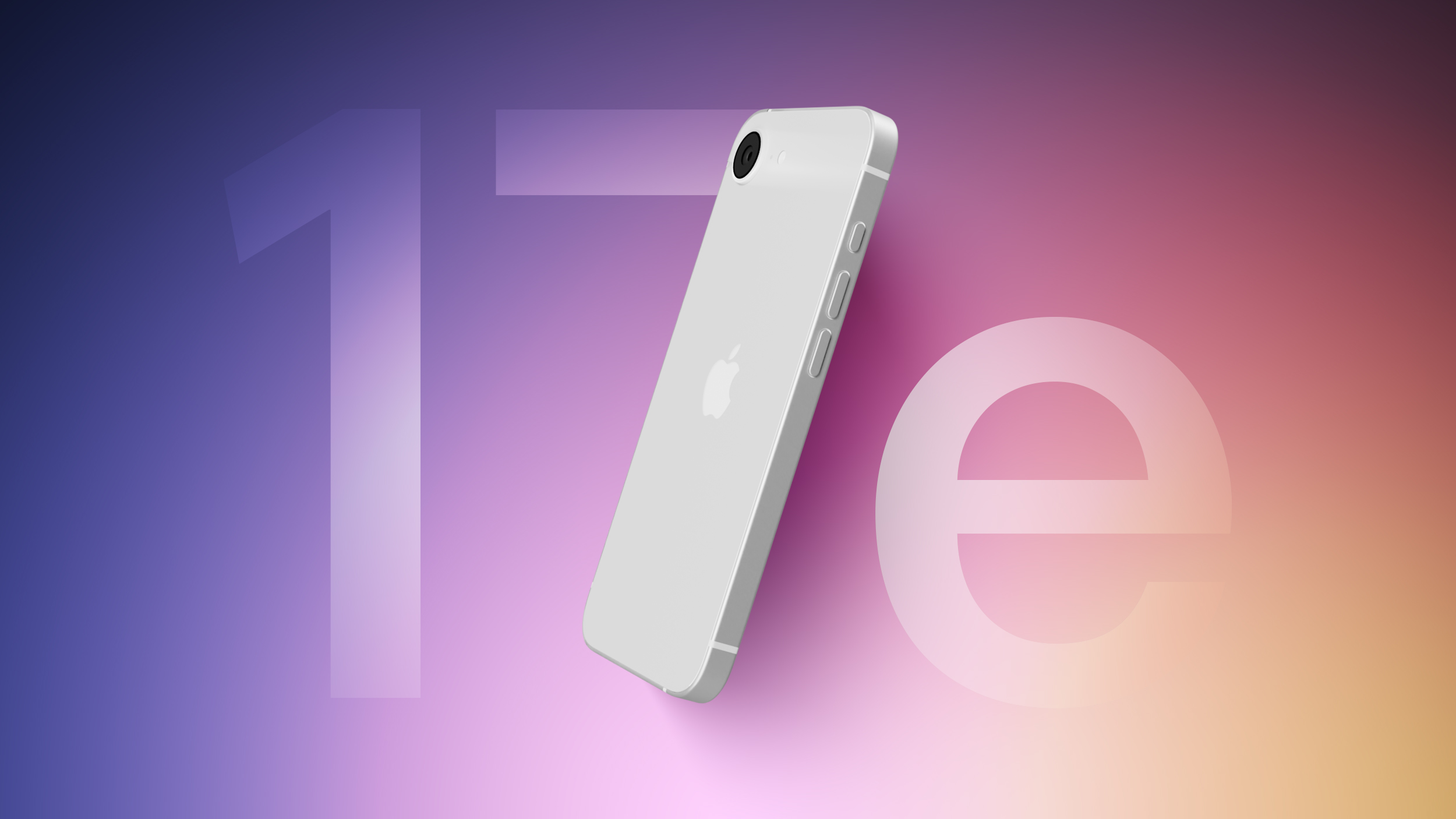
When it comes to how the iPhone 17e will look and feel, many rumors suggest it will largely keep the design language of its predecessor, the iPhone 16e. This isn't necessarily a bad thing; Apple's designs are known for their elegance and durability. Expect a sleek, familiar form factor that fits comfortably in your hand and pocket.
One of the key aspects that is expected to remain the same is the display size. The iPhone 17e is rumored to feature the same popular 6.1-inch display. This size has proven to be a sweet spot for many users. It offers ample screen real estate for enjoying videos, browsing the web, and playing games, while still being manageable for one-handed use. It strikes a perfect balance between immersive viewing and ergonomic comfort, making it a highly practical choice for a wide range of smartphone users.
On the back, the iPhone 17e is also expected to stick with a single-lens rear camera. While some users might prefer multiple lenses for ultra-wide shots or telephoto zoom, a single-lens setup helps keep the phone simple and more affordable. Apple has a long history of making excellent single-lens cameras, using advanced software to produce stunning photos. So, even with just one lens, you can still expect high-quality pictures for all your everyday moments, from scenic landscapes to vibrant portraits.
In terms of colors, the iPhone 17e is likely to continue offering the classic black and white options. These colors are timeless, versatile, and appeal to a broad audience. They also help maintain the "e" series' focus on essential, no-frills functionality. While some might hope for more vibrant choices, the black and white options provide a sophisticated and minimalist aesthetic that many users appreciate, ensuring the phone looks great in any setting.
However, despite these similarities, there's one significant visual upgrade that could make the iPhone 17e feel much more modern: the potential inclusion of the Dynamic Island. The Dynamic Island would replace the traditional notch at the top of the display, which has been a staple of iPhones for several generations. Moving to the Dynamic Island would be a "marked visual difference," instantly giving the iPhone 17e a more contemporary look and feel, bringing it closer to Apple's flagship models.
Display: Familiar Screen, Exciting New Possibilities
The display is one of the most crucial parts of any smartphone, as it's how we interact with our device and consume content. For the iPhone 17e, Apple is expected to use the same display panel as the iPhone 16e. This means it will likely be a high-quality OLED screen, offering vibrant colors and deep blacks, which are characteristic of Apple's displays. However, there are some aspects where the "e" series typically differs from the flagship models.
One key difference is the refresh rate. The iPhone 17e is anticipated to be limited to a 60Hz refresh rate. In simple terms, the refresh rate refers to how many times the screen updates itself per second. A 60Hz display refreshes 60 times per second. While this is perfectly adequate for most everyday tasks, Apple introduced 120Hz ProMotion refresh rates to its standard iPhone 17 in 2025. ProMotion displays offer a much smoother and more fluid visual experience, especially when scrolling through webpages, playing games, or watching fast-paced videos. The jump from 60Hz to 120Hz creates a noticeable difference in how smooth animations and movements appear on screen, making everything feel snappier and more responsive. For the more affordable iPhone 17e, sticking with 60Hz is a likely cost-saving measure, distinguishing it from the premium models while still providing a very good visual experience for the average user.
Another feature that likely won't make it to the iPhone 17e is the always-on display technology. This popular feature, found in Apple's more expensive iPhones, allows the screen to show information like the time, widgets, and notifications even when the phone is locked, without consuming much battery. To support an always-on display, a phone needs a special OLED panel capable of dropping its brightness down to an extremely low 1-nit. This advanced display technology is more costly to produce, and its absence in the iPhone 17e is another way Apple keeps the price down, clearly separating it from its flagship lineup. So, don't expect to glance at your iPhone 17e's locked screen for constant updates; you'll still need to tap it to wake it up fully.
Similarly, the iPhone 17e's display is expected to lack some of the advanced HDR (High Dynamic Range) capabilities and peak brightness levels found in Apple's flagship phones. HDR allows for a wider range of colors and contrasts, making photos and videos look more lifelike and immersive. Higher brightness levels are especially useful for outdoor visibility, ensuring your screen is easy to read even in bright sunlight. While the iPhone 17e's display will still be excellent for typical use, it won't offer the same visual punch or extreme versatility as the top-tier models, another strategic decision to manage costs.
However, it's not all about what's missing. Despite the core display panel staying the same, there are exciting rumors suggesting Apple could shrink the bezel size somewhat. Bezels are the borders around the screen. By making them thinner, the iPhone 17e could offer a more immersive viewing experience, effectively giving you more screen in the same physical footprint. This subtle design tweak would make the phone feel more modern and contribute to a cleaner aesthetic without needing to change the display technology itself. A smaller bezel means less wasted space and a more edge-to-edge feel, which is always a welcome improvement for users.
Dynamic Island: A Leap Forward in Interaction
One of the most talked-about potential upgrades for the iPhone 17e is the Dynamic Island. The iPhone 16e, like many previous "e" models, still features the traditional "notch" at the top of its display. This notch houses the front camera and Face ID sensors and, while functional, takes up a noticeable chunk of screen space. Apple has already moved away from the notch in its newer flagship iPhones, and rumors suggest the iPhone 17e might finally follow suit, embracing the modern Dynamic Island.
The Dynamic Island is a pill-shaped cutout that sits at the very top of the iPhone's display. It's much smaller and more elegantly integrated than the notch. This cutout is where Apple's advanced TrueDepth camera system (used for Face ID) and the front-facing camera are located. The beauty of the Dynamic Island isn't just its smaller physical size, but how Apple uses software to transform it. It's not just a static cutout; it's a dynamic, interactive space that expands and contracts to show useful information and alerts.
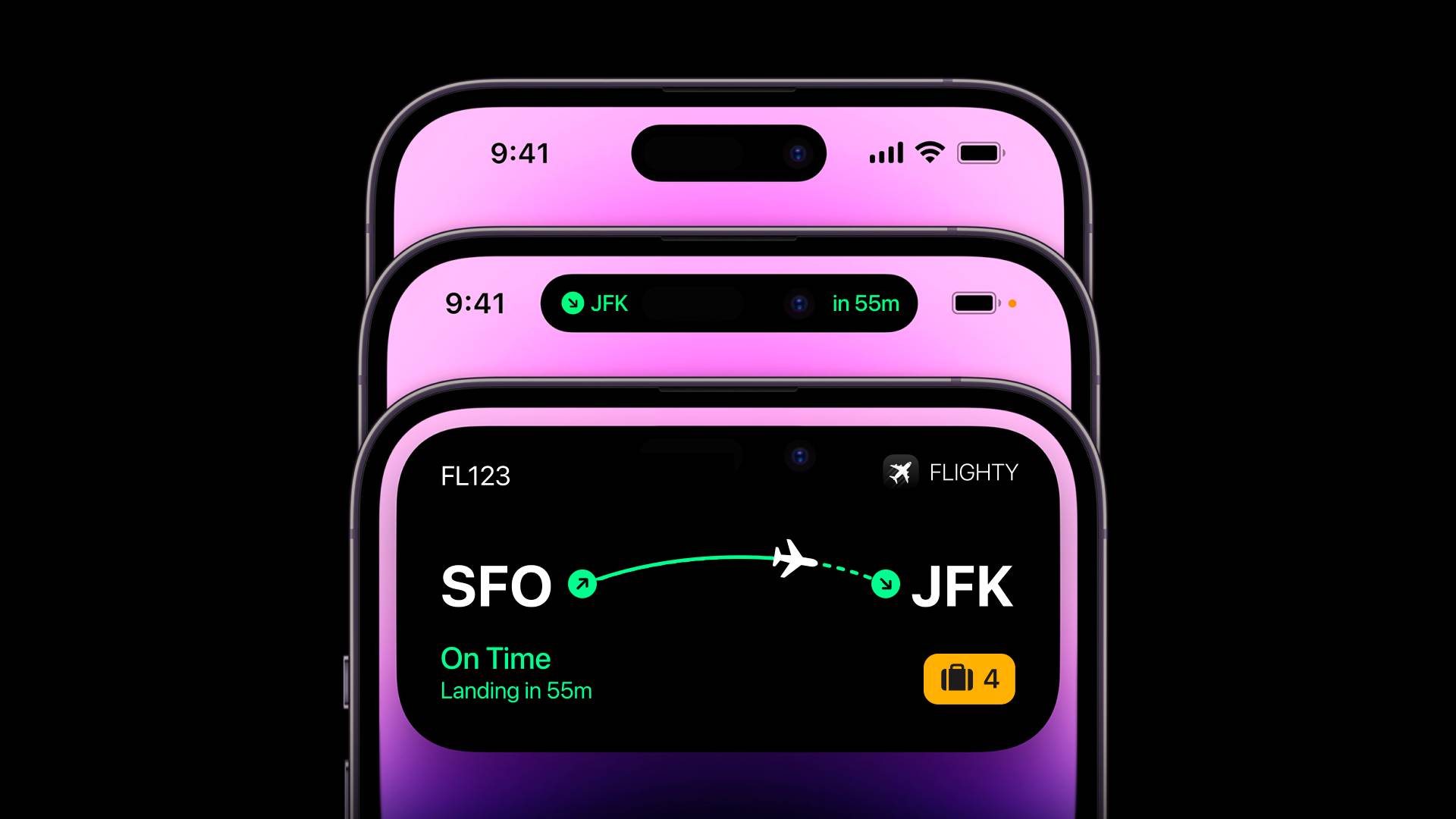
Imagine this: your music is playing in the background, and the Dynamic Island subtly shows the album art and track information. When a phone call comes in, it expands to display caller ID and call controls. If you start a timer, it becomes a miniature timer counting down. Apple uses clever animations and software trickery to make the Dynamic Island a central hub for various alerts, notifications, and "Live Activities." This includes everything from Apple Maps turn-by-turn directions keeping you on track, to active timers reminding you when your pasta is ready, incoming phone calls, and seamless Face ID activations.
Beyond these functions, the Dynamic Island also acts as a privacy indicator. When an app uses your microphone or camera, a small colored dot appears in the Dynamic Island, letting you know your privacy is being respected. It also displays alerts when accessories connect (like AirPods), indicators for the flashlight and screen recording, incoming AirDrop files, and much more. It's a truly intuitive way to interact with your iPhone's background activities without interrupting what you're currently doing.
What makes the Dynamic Island truly special, and a significant upgrade over the passive notch, is its interactivity. You can often tap into the Dynamic Island to expand the activity it's showing or long-press it to access app features directly. For example, a quick tap on a playing music track might take you directly to the Music app, or a long press could bring up playback controls. This level of integration makes the Dynamic Island much more than just a camera cutout; it's a living, breathing part of the iPhone's user interface, enhancing both functionality and aesthetic appeal.
However, it’s important to remember that not all rumors agree. One rumor suggests the iPhone 17e will continue to use a notch, so the Dynamic Island upgrade isn't a guaranteed feature. If it does arrive, it will be a major selling point, bringing a piece of flagship magic to a more accessible iPhone. If it doesn't, the 17e will still be a great phone, but it will visually stand further apart from its pricier siblings.
A19 Chip: Powerful Performance at Your Fingertips
At the heart of every iPhone is its central processing unit, or "chip." This tiny piece of silicon is essentially the brain of the phone, responsible for everything from running apps and games to handling complex calculations and managing power. For the iPhone 17e, the excitement is building around its expected inclusion of Apple's powerful A19 chip, a processor first introduced in the flagship iPhone 17. This is a significant upgrade, promising snappy performance for all your daily tasks.
The A19 chip represents the cutting edge of mobile processing technology. It's built using Apple's upgraded N3P 3-nanometer manufacturing process. To put that into simpler terms, "nanometer" refers to the size of the transistors on the chip. A smaller number, like 3-nanometer, means that the transistors are incredibly tiny and packed much more densely onto the chip. This allows for two major advantages: better performance and improved energy efficiency. With smaller transistors, the chip can perform more calculations per second, leading to faster app loading, smoother multitasking, and quicker responses. Simultaneously, these smaller transistors consume less power, which means better battery life for your device, even with increased performance demands.
Compared to its predecessor, the A18 chip, the A19 is expected to offer a noticeable 5 to 10 percent performance improvement. What does this mean for you as a user? It means that everything you do on your iPhone 17e will feel faster and more fluid. Apps will open quicker, games will run smoother with higher frame rates, and switching between different tasks will be seamless. Whether you're editing photos, streaming high-definition video, or browsing multiple tabs, the A19 chip ensures a consistently responsive and enjoyable experience.
However, there's a nuance to this powerful chip in the iPhone 17e. Apple could be planning to use a downclocked version of the A19 chip. "Downclocked" means that the chip might run at a slightly lower speed than the version found in the flagship iPhone 17. This is often done to manage heat, extend battery life further, or strategically differentiate between models, allowing the more expensive iPhone 17 to maintain its performance lead. If this is the case, the iPhone 17e's performance won't quite match the absolute peak of the iPhone 17, but it will still be incredibly fast and more than capable for the vast majority of users.
Another area where the iPhone 17e might see a slight adjustment compared to the flagship is its GPU, or Graphics Processing Unit. The A18 chip used in the iPhone 16e had a 4-core GPU, while the version in the standard iPhone 16 had a 5-core GPU. The iPhone 17e could get a similar GPU downgrade, perhaps sticking with 4 cores. The GPU is crucial for anything graphical, like playing demanding games, editing videos, or running augmented reality (AR) applications. While a 4-core GPU is still highly capable, a 5-core GPU would offer even more raw graphics power. This differentiation helps Apple maintain a clear performance hierarchy between its "e" series and its more premium offerings.
Beyond just raw CPU and GPU power, the A19 chip brings several other important improvements. It features an updated display engine, which helps manage how content is shown on the screen, potentially leading to smoother visuals and better color accuracy. There's also an enhanced image signal processor (ISP). The ISP is vital for your camera's performance; it processes the data from the camera sensor to produce the final image. A better ISP means faster photo processing, improved low-light performance, more accurate colors, and overall higher quality pictures and videos.
Perhaps most exciting for the future of smartphones is the A19's upgraded Neural Engine. The Neural Engine is Apple's dedicated hardware for Artificial Intelligence (AI) and Machine Learning (ML) tasks. This means the iPhone 17e will be even better at handling AI-powered features, like advanced photo enhancements, more intelligent Siri interactions, predictive text, and on-device machine learning for personalized experiences. Every GPU core in the A19 also features a Neural Accelerator, further boosting the performance of local AI models. This means the phone can perform complex AI computations directly on the device, without needing to send data to the cloud, resulting in faster responses, enhanced privacy, and better performance even without an internet connection. These AI improvements will make the iPhone 17e smarter and more adaptive to your needs.
Finally, regarding memory, we expect the iPhone 17e to continue to include 8GB of RAM, similar to the iPhone 16e. RAM (Random Access Memory) acts as the phone's short-term memory, allowing it to quickly access data for currently running apps. 8GB of RAM is more than sufficient for smooth multitasking and running demanding applications for most users. Apple's operating system is highly optimized to make the most of its available RAM. For comparison, Apple's other, more premium models often come with 12GB of RAM, providing even more headroom for extremely heavy usage or future-proofing, but 8GB will offer a fantastic experience for the iPhone 17e's target audience.
MagSafe Compatibility: A Magnetic Upgrade for Convenience and Power
One of the most significant and potentially user-friendly upgrades rumored for the iPhone 17e is the addition of MagSafe compatibility. For those unfamiliar, MagSafe is Apple's innovative magnetic system built into the back of its iPhones. It consists of a ring of magnets that allows compatible accessories, like chargers, cases, and wallets, to snap perfectly into place. This feature was first introduced with the iPhone 12, and it has since become a beloved aspect of Apple's flagship phones.
The iPhone 16e notably lacked this magnetic ring, which meant it couldn't take advantage of the growing ecosystem of MagSafe accessories. This was a major limitation for users of the 16e, as they missed out on faster wireless charging and the convenience of magnetic attachments. However, rumors strongly suggest the iPhone 17e will finally support magnetic wireless charging, which would be a game-changer for the "e" series.
So, what does MagSafe compatibility actually mean for you? Firstly, it's about charging. Without MagSafe, the iPhone 16e was limited to standard Qi wireless charging speeds, typically around 7.5W. While this is convenient, it's not the fastest way to power up your device. With MagSafe, the iPhone 17e could see its wireless charging speed jump to at least 15W. This means your phone will charge almost twice as fast wirelessly, significantly reducing the time you need to keep it tethered to a charging pad. Imagine quickly topping up your battery before heading out the door, with the charger perfectly aligning itself every time thanks to the magnets – no more fumbling to find the sweet spot!
Beyond faster charging, MagSafe opens up a whole new world of accessories. Since iPhones have used MagSafe since the iPhone 12, there's already a wide array of MagSafe-compatible products available. This includes magnetic cases that snap on effortlessly, secure wallet attachments that let you carry your cards directly on your phone, car mounts that hold your iPhone firmly in place, and various stands that allow for easy hands-free viewing. The iPhone 16e's incompatibility with these accessories was a significant drawback, as users couldn't personalize or enhance their phone with these convenient options. The addition of MagSafe to the iPhone 17e would immediately make it compatible with this vast ecosystem, greatly expanding its versatility and appeal.
To give you a perspective on charging speeds, the current iPhone 17 models can charge at an even faster 25W over MagSafe, showcasing the premium capabilities. The slightly more premium iPhone Air is limited to 20W. So, while the iPhone 17e might not hit the absolute fastest speeds of its more expensive siblings, a guaranteed 15W MagSafe charging would still be a very substantial and welcome upgrade, making it much more practical and enjoyable for daily use. This feature alone could make the iPhone 17e a much more compelling choice for many users looking for modern convenience without the top-tier price.
Camera: Focused on Essential Photography
The camera is one of the most frequently used features on any smartphone, capturing our memories and allowing us to express ourselves visually. For the iPhone 17e, Apple is expected to continue its tradition of providing a capable camera system, albeit with a focus on simplicity and core functionality to keep the device affordable. Rumors suggest the iPhone 17e will feature a single 48-megapixel Wide Angle camera on the back, with no major upgrades specifically rumored for this component.
While some might compare it to flagship iPhones that boast multiple lenses for ultra-wide, telephoto, and macro shots, a single 48-megapixel sensor is still a powerful tool. In modern smartphone photography, a higher megapixel count allows for more detail in photos, especially when cropping or zooming into an image after it's been taken. Apple's software prowess also plays a huge role here, utilizing computational photography to enhance images, even with a single lens. This means you can still expect sharp, vibrant, and well-exposed photos in various lighting conditions for your everyday photography needs, from family gatherings to scenic vacations.
One feature that was missing from the iPhone 16e and isn't yet confirmed for the 17e is a dedicated Camera Control button. Some high-end smartphones and even other iPhones have a physical button that can be quickly pressed to launch the camera, snap a photo, or even adjust focus. Its absence on the 17e suggests Apple is keeping the physical design minimal, relying on on-screen controls for camera operation. While a physical button can be convenient, its omission is a minor trade-off in the grand scheme of the phone's overall value.
Turning our attention to the front of the phone, the "selfie" camera is also a critical component for video calls and self-portraits. The iPhone 17 models received an upgraded 18-megapixel front-facing camera, often featuring technologies like Center Stage, which helps keep you in the frame during video calls. However, rumors indicate that the iPhone 17e will likely continue to use the same 12-megapixel front-facing camera as the iPhone 16e. A 12-megapixel front camera is still highly capable of capturing sharp selfies and clear video calls, making it perfectly suitable for most users. While it won't have the higher resolution or advanced framing features of the flagship 17, it will still deliver excellent results for your face-to-face interactions and social media posts, maintaining quality for its price point.
Modem: Faster and More Efficient Connectivity
In today's connected world, a smartphone's ability to connect to cellular networks is as important as its processing power. This critical function is handled by the modem chip, which allows your phone to send and receive data, make calls, and access the internet on the go. For the iPhone 17e, Apple is set to introduce a significant upgrade in this department: the adoption of its in-house C1X modem.
The C1X modem is Apple's latest connectivity chip, first unveiled in the more premium iPhone Air. This is a big deal because it represents Apple's continued push to design more of its own components, leading to better integration and performance optimized specifically for its devices. The C1X modem is a notable improvement over the C1 modem that powered the iPhone 16e, bringing both speed and efficiency enhancements to the table.
What does "faster and more efficient" mean for you, the user? Firstly, "faster" means quicker download and upload speeds. Whether you're streaming high-definition videos, downloading large files, playing online games, or just browsing your favorite websites, the C1X modem will enable a more responsive and seamless online experience. You'll notice less buffering, faster loading times, and an overall snappier connection to the digital world. This is especially crucial as cellular networks continue to evolve and offer higher speeds, with the C1X modem designed to take full advantage of them.
Secondly, "more efficient" translates directly into better battery life when you're using cellular data. Modems can be power-hungry components, especially when constantly searching for and maintaining a strong signal. The C1X modem is engineered to consume less power for the same amount of data transfer, or even for faster transfers. This means you can stay connected for longer without worrying about your battery draining too quickly, which is a major benefit for anyone who relies on their phone for work, communication, or entertainment while away from Wi-Fi.
Apple itself boasts that the C1X modem is up to 2x faster than the C1. This substantial speed increase isn't just a marketing claim; it represents a tangible improvement in real-world usage. Furthermore, Apple also highlights its superior energy efficiency compared to modems from Qualcomm, which used to be Apple's primary supplier for these components. By designing its own modems, Apple can optimize them perfectly for iOS and its hardware, leading to a tighter integration that often results in better performance and efficiency than off-the-shelf solutions from other manufacturers. This strategic move benefits iPhone users by providing a more reliable, faster, and longer-lasting connection, making the iPhone 17e a robust device for all your connectivity needs.
No N1 Chip: A Strategic Omission for Cost Savings
While the iPhone 17e is set to receive several exciting upgrades, especially in areas like the processor and modem, it's also important to acknowledge where Apple makes strategic decisions to keep the cost down for this more affordable model. One such decision, according to leaked Apple code, is the omission of the new Wi-Fi and Bluetooth "N1" networking chip, which was included in the flagship iPhone 17 models.
The "N1" chip is Apple's latest custom-designed component dedicated to managing Wi-Fi and Bluetooth connectivity. Newer networking chips typically bring improvements in several areas: faster data speeds, more reliable connections, better range, and enhanced power efficiency for both Wi-Fi and Bluetooth. For instance, a newer Wi-Fi standard (like Wi-Fi 6E or Wi-Fi 7) often requires an updated chip to fully utilize its capabilities, offering multi-gigabit speeds and reduced latency in compatible network environments. Similarly, a newer Bluetooth version (like Bluetooth 5.3 or 5.4) can provide more stable connections, better audio quality for wireless headphones, and improved power management for connected accessories.
By not including the N1 chip in the iPhone 17e, Apple is likely opting for an older, but still perfectly capable, Wi-Fi and Bluetooth solution. This means the 17e might not support the very latest and fastest Wi-Fi standards or the most cutting-edge Bluetooth features found in the iPhone 17. For most users, this difference will be subtle. Current Wi-Fi and Bluetooth technologies are already very fast and reliable for everyday use, such as streaming video, browsing the internet, and connecting to AirPods or other wireless devices.
However, for those who demand the absolute peak of wireless performance, or who live in an environment with the latest Wi-Fi 6E/7 routers, they might find the flagship iPhone 17 offers a marginal edge in speed and connection stability. The primary reason for this exclusion in the iPhone 17e is clearly cost. Designing, manufacturing, and integrating a brand-new, cutting-edge networking chip adds to the overall production cost of the device. By reusing a slightly older, but still excellent, solution, Apple can effectively keep the manufacturing expenses lower, allowing them to maintain the iPhone 17e's attractive price point. This is a common strategy for "e" series iPhones: providing a fantastic core experience while making calculated trade-offs in less critical, high-cost components to ensure affordability. So, while you won't get the absolute latest wireless tech, the iPhone 17e will still offer strong and reliable connectivity for all your daily needs.
Pricing: Accessible Apple Technology
One of the most appealing aspects of the iPhone "e" series has always been its accessible price point, making Apple's renowned technology available to a wider audience. For the upcoming iPhone 17e, this philosophy is expected to continue. The iPhone 16e was launched with a starting price of $599, positioning it as an excellent value option within Apple's lineup. For the iPhone 17e, current rumors and expectations suggest that there will be no price changes, meaning it will also start at $599.
This consistent pricing strategy is fantastic news for consumers. In a market where smartphone prices are often on the rise, maintaining the $599 starting price for the iPhone 17e signals Apple's commitment to offering a powerful and feature-rich device that doesn't break the bank. This makes the 17e a highly competitive option, especially considering the rumored upgrades like the potential Dynamic Island, A19 chip, and MagSafe compatibility. These are features that often command a higher premium, so getting them at the same price point would represent an even better value proposition.
The $599 price point is strategically chosen to appeal to a broad demographic. It's ideal for first-time iPhone buyers, those upgrading from older models looking for a significant performance boost without flagship costs, or users who simply prefer a reliable and capable smartphone without all the advanced, often niche, features of the most expensive phones. At this price, the iPhone 17e offers a seamless entry into the Apple ecosystem, providing access to iOS, the App Store, Apple services, and robust privacy features, all within a beautifully designed device.
By keeping the price stable, Apple ensures that the iPhone 17e remains an attractive option for value-conscious consumers. It balances innovation with affordability, providing key modern features that enhance the user experience while making smart compromises in areas like display refresh rates or advanced camera lenses to manage costs. This means you can expect a truly capable and enjoyable iPhone experience at a price that won't strain your budget, solidifying its position as a go-to choice for many smartphone users.
Launch Date: An Early 2026 Arrival
The anticipation for any new iPhone is always high, and for the iPhone 17e, the launch timeline provides some interesting insights into Apple's strategy for its more accessible models. Rumors strongly suggest that the iPhone 17e is slated to arrive in the first half of 2026, and Apple could very well stick to its established pattern of a February release.
To put this in context, the iPhone 16e was introduced via a press release on February 19, 2025. This means that, unlike the major September keynote events for flagship iPhones, the "e" series often gets a quieter, but no less significant, announcement. A press release launch indicates that Apple sees the 17e as a more incremental, yet important, update that doesn't require a full-blown media spectacle. It allows the company to simply put the product out there, highlighting its key improvements, without the added cost and logistical complexity of a large-scale launch event.
Given this precedent, we're probably not waiting on a grand event for the iPhone 17e. This implies that the phone could drop anytime in February 2026. This early-year release is strategic for Apple, allowing it to capture consumer interest outside of the competitive holiday season and the flagship iPhone launch cycle in the fall. It provides a fresh product offering early in the calendar year, perfect for those looking for an upgrade post-holidays or simply wanting a new device sooner rather than later.
However, there's also a possibility that Apple might hold off on the release until the March or April timeframe. There's a reason for this potential delay: Apple typically plans to release major software updates around this time. For instance, in late March or early April, Apple often rolls out a significant iOS update, such as iOS 26.4. This particular update is rumored to include a new version of Siri, along with several updated home products. If the iPhone 17e's launch aligns with these software and product releases, Apple could bundle the announcements. This would allow them to maximize media attention and provide a cohesive narrative around new hardware and software experiences, even if the iPhone 17e still debuts primarily through a press release. Tying it to a broader spring product refresh could give the 17e more visibility and highlight its synergy with other Apple ecosystem improvements.
Ultimately, whether it's February, March, or April, the iPhone 17e is poised to be an exciting addition to Apple's lineup in early 2026. It promises to bring modern iPhone features and robust performance to a more affordable price point, making it a compelling choice for many potential smartphone buyers looking for the latest from Apple without breaking the bank.
This article, "Apple's Next iPhone: What to Expect From the 2026 iPhone 17e" first appeared on MacRumors.com
Discuss this article in our forums
from MacRumors
-via DynaSage
