
Apple's New Split iPhone Launch Strategy Corroborated in Latest Report
Apple's Big Shift? Unpacking the Rumored Split iPhone Launch Strategy
For years, Apple fans have grown accustomed to a familiar rhythm: a grand unveiling of new iPhones every fall. It's a highly anticipated event that sets the tone for the holiday shopping season and the next year in mobile technology. However, recent whispers and detailed reports suggest this long-standing tradition might be changing, with Apple potentially splitting its iPhone launch cycle. This isn't just a minor adjustment; it marks a significant strategic pivot that could reshape how Apple develops, produces, and markets its most iconic product.
The idea of a staggered iPhone release, where different models arrive at different times of the year, has been circulating for a while. What started as mere speculation has now gained substantial weight. Leading technology news outlets and respected industry analysts are all pointing towards the same conclusion: Apple is seriously considering, if not already planning, a more fragmented launch strategy. This convergence of reports lends considerable credibility to what would be one of Apple's most impactful changes in recent memory regarding its core product.
The rumor initially surfaced from reputable sources like The Information and Bloomberg, both known for their deep insights into Apple's operations. Adding further strength to these claims, respected Apple analyst Ming-Chi Kuo, who has a strong track record of accurately predicting Apple's moves, also weighed in, suggesting similar changes. Most recently, a detailed report from Nikkei Asia has further corroborated these earlier statements, providing even more specific timelines and reasons behind this potential strategic shift. When multiple independent and credible sources align on such a fundamental change, it signals that there's likely substance to the reports.
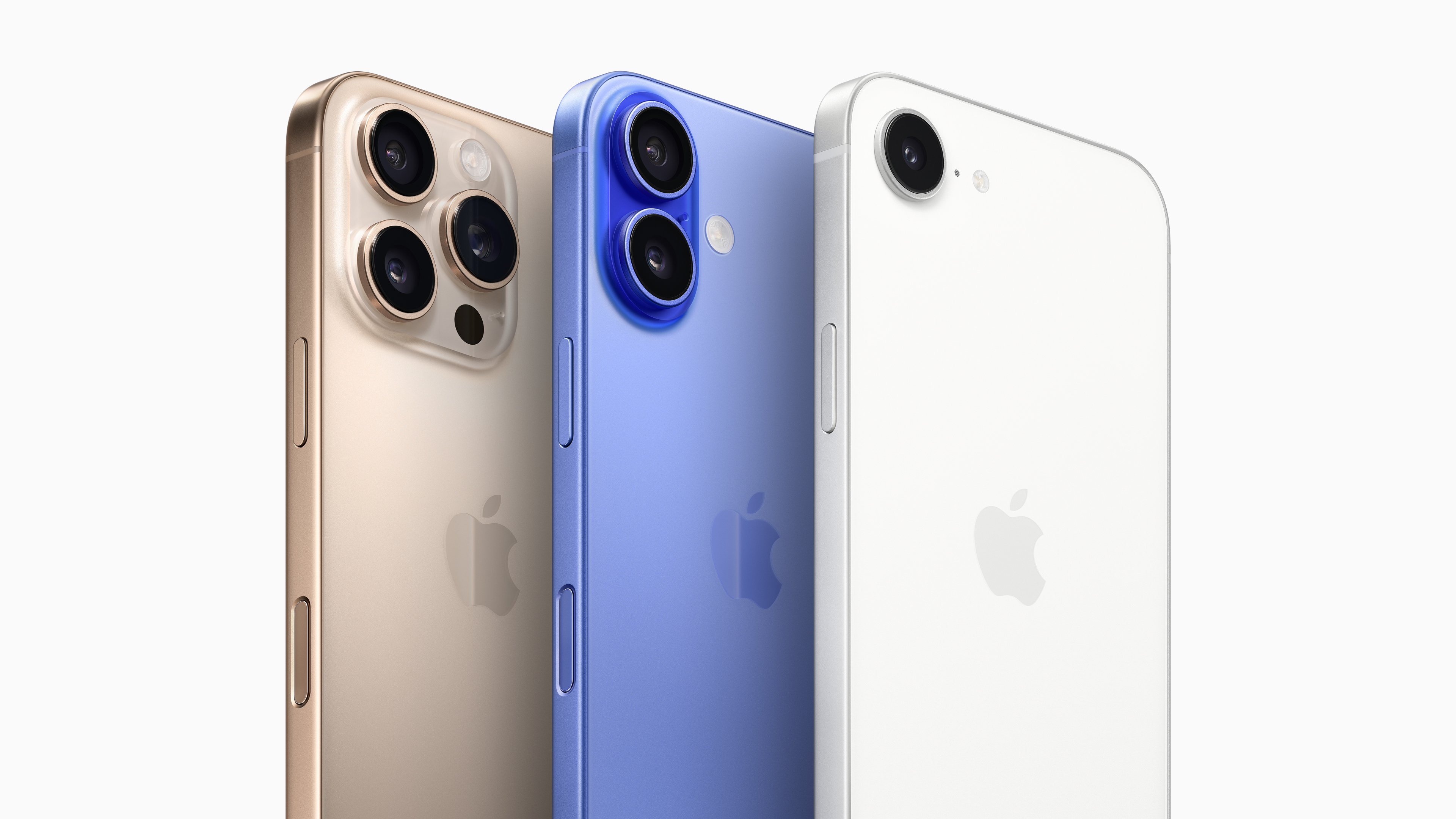
The New Launch Calendar: What to Expect and When
According to Nikkei's sources, Apple is planning a phased rollout that clearly prioritizes its high-end, more profitable devices. This means that the traditional "all-at-once" approach for a new iPhone generation could soon be a thing of the past. Instead, consumers might need to wait several months between the release of the most advanced models and their more standard counterparts.
Premium Models First: Late 2026
The first wave of new iPhones, expected in the second half of 2026, will reportedly feature Apple's most cutting-edge innovations and premium offerings. This initial launch window is slated to include:
- Apple's First Foldable iPhone: This is arguably the most anticipated device on the list. A foldable iPhone would mark Apple's entry into a new and rapidly growing smartphone category, challenging existing players like Samsung. The complexities of developing and mass-producing such a device likely contribute to its prioritized, yet carefully managed, launch. Its success or failure could significantly impact Apple's future in the premium smartphone market.
- iPhone 18 Pro: Building on the legacy of Apple's 'Pro' lineup, this model is expected to offer significant advancements in performance, camera technology, and display capabilities. It will likely appeal to power users and those who demand the absolute best features Apple has to offer.
- iPhone 18 Pro Max: As the largest and most feature-rich of the Pro models, the iPhone 18 Pro Max will likely push the boundaries even further, potentially with an even larger display, longer battery life, and exclusive camera enhancements. This model traditionally commands the highest price point and is a key driver of Apple's premium revenue.
By launching these top-tier devices first, Apple aims to capture the attention of early adopters and maximize revenue from its most profitable segments. This strategy also allows the company to test the waters with its most ambitious technologies, like the foldable display, before rolling out more standard versions.
Standard and 'e' Models Later: Early 2027
Following the premium launch, consumers looking for the more accessible or updated standard models will reportedly have to wait a few months longer. The standard iPhone 18 is expected to ship in the first half of 2027. This model will likely inherit many of the core improvements from the Pro models but at a more approachable price point, making it the workhorse of the iPhone lineup.
Furthermore, an updated iPhone 18e is also anticipated to make its debut in the first half of 2027. While Nikkei's report does not explicitly detail this model, previous naming conventions suggest it could be a more budget-friendly option, perhaps building upon an existing design with updated internals, or offering a specific set of features aimed at a different segment of the market. Its later launch further emphasizes Apple's focus on first monetizing its premium offerings.
Interestingly, the report also notes that a second-generation iPhone Air is in Apple's pipeline. This suggests Apple might be exploring new form factors or price points beyond the current 'Pro' and standard models. However, it's not expected this year, indicating that Apple has a longer-term roadmap for this particular device and is prioritizing the foldable and iPhone 18 series first.
The "Why": Unpacking Apple's Strategic Rationale
Such a significant shift in Apple's long-standing launch strategy isn't undertaken lightly. It's a calculated move driven by a complex interplay of internal resource management, external market pressures, and evolving economic realities. The staggered approach, as outlined by the reports, aims to achieve several critical objectives simultaneously:
1. Optimizing Resources Amidst Growing Complexities
Manufacturing millions of highly advanced smartphones is an incredibly complex logistical challenge. Each new generation introduces more sophisticated components, stricter manufacturing tolerances, and the need for new production techniques. Launching multiple distinct models, especially groundbreaking ones like a foldable iPhone, all at once puts immense strain on Apple's vast supply chain and manufacturing partners. A phased launch allows Apple to:
- Streamline Production Lines: Instead of retooling multiple factories simultaneously for various new models, Apple can focus its initial efforts on the most complex and critical devices (the Pro and foldable models). This can reduce bottlenecks, improve efficiency, and ensure higher quality control for these cutting-edge products.
- Allocate Engineering Talent: Apple's engineering teams are constantly working on multiple projects. By staggering launches, teams can focus their attention and problem-solving capabilities on getting the premium devices right first, then shift their focus to optimizing production for the standard models.
- Manage Component Sourcing: High-end components are often in limited supply, especially at the beginning of a product cycle. A staggered launch means Apple doesn't need to source every single component for every single new iPhone model all at once. It can prioritize acquiring the specialized parts needed for its Pro and foldable devices, giving it more flexibility in negotiations and reducing overall supply chain stress. As one supplier executive told Nikkei, a "smoothly functioning supply chain is one of the key challenges" this year, highlighting the critical importance of this aspect.
2. Maximizing Revenue from Premium Models
Apple has consistently demonstrated a strategy of strong margins on its premium products. The 'Pro' models and any new, innovative categories like a foldable iPhone are designed to command higher price points and offer richer profit margins. By prioritizing these launches, Apple can:
- Capitalize on Early Adopter Demand: There's a segment of the market that always wants the latest and greatest, regardless of cost. Launching premium models first allows Apple to immediately tap into this lucrative market, capturing sales from consumers willing to pay a premium for cutting-edge features.
- Segment the Market More Effectively: By releasing different tiers of iPhones at different times, Apple creates distinct purchasing windows. Consumers who want the best will buy the Pro models in late 2026. Those who are more budget-conscious or less concerned with the absolute latest features can wait for the standard models in early 2027, preventing cannibalization of sales and maximizing overall revenue across different price points.
- Mitigate Price Sensitivity: In an environment of rising costs, maintaining high profit margins on standard models can be challenging. By focusing on premium models first, Apple ensures a strong revenue stream from its most profitable devices, providing a buffer against potential price pressures on the more mass-market models released later.
3. Navigating Rising Memory Chip Costs and Supply Chain Pressures
The global technology landscape is currently experiencing significant turbulence, particularly concerning key components like memory chips. These chips, essential for everything from storing data to running apps efficiently, are becoming more expensive due to various factors including increased demand (especially from AI technologies), geopolitical tensions, and limitations in manufacturing capacity. This directly impacts Apple's production costs.
- Impact of Higher Chip Costs: When the cost of critical components like memory chips rises, Apple faces a choice: absorb the costs, raise prices, or find efficiencies elsewhere. By prioritizing premium models, which already have higher margins, Apple can better absorb these increased component costs without significantly impacting profitability. The higher price points of Pro models provide more room to maneuver.
- Broader Supply Chain Challenges: Beyond memory chips, the entire global supply chain remains under pressure. Geopolitical events, labor shortages, and unexpected demand spikes can all disrupt the flow of components. A staggered launch offers Apple greater flexibility. If there are unexpected delays with a particular component, it might only affect one segment of the launch rather than paralyzing the entire new iPhone lineup. This compartmentalization reduces overall risk.
4. Adapting Marketing Strategy to New Realities
A marketing strategy change also factored into Apple's decision, according to the supplier executive. Traditionally, Apple's marketing has focused on a unified, grand launch event. A split launch would require a more nuanced and sustained marketing effort:
- Sustained Hype Cycle: Instead of one peak of excitement, Apple can generate two distinct waves of anticipation and media coverage. The initial premium launch can create buzz, followed by a second surge of interest when the standard models arrive, keeping Apple in the news cycle for longer.
- Targeted Messaging: Marketing for a foldable iPhone or a Pro model can focus on innovation, professional features, and cutting-edge technology. Marketing for standard models can then emphasize value, essential features, and accessibility, allowing for more precise targeting of different consumer segments.
- Responding to Market Dynamics: The tech market is constantly evolving. A staggered approach allows Apple to gather initial market feedback from its premium launch and potentially make minor adjustments to its marketing or even production plans for the later standard models, offering a degree of agility not possible with a single, massive launch.
External Pressures: Suppliers Shifting Towards AI
Adding another layer of complexity to Apple's strategic decisions is the growing influence of the Artificial Intelligence (AI) industry. The demand for powerful chips and advanced components from AI companies like Nvidia, Google, and Amazon has exploded. These companies are investing heavily in AI research and development, requiring massive quantities of high-performance processors and memory.
- Competition for Resources: Apple, historically a dominant client for many of its suppliers (like TSMC, which produces its A-series chips), is now facing increased competition for manufacturing capacity and high-end components. Reports indicate that some of Apple's suppliers have indeed shifted resources to prioritize these booming AI clients. This means Apple might not have the same unchallenged access to cutting-edge production lines or the most advanced components as it once did.
- Impact on Apple's Leverage: While Apple remains a massive client, the rise of AI giants changes the power dynamic in the supply chain. Suppliers might find it more lucrative or strategically important to allocate resources to AI innovators, potentially affecting Apple's ability to secure the quantities or timelines it desires for its iPhone components.
- Acknowledgement of Constraints: This pressure isn't just theoretical. Notably, Apple explicitly mentioned iPhone supply constraints during its recent earnings call on Thursday. This official acknowledgment underscores that these supply chain pressures are real and are actively impacting Apple's operations and its ability to meet demand. A split launch could be a direct response to these constraints, allowing Apple to manage limited resources more effectively by staggering its demands on the supply chain.
The Foldable iPhone: A Game Changer with Unique Challenges
At the heart of Apple's premium launch strategy is the rumored first foldable iPhone. This device represents a significant leap for Apple, moving beyond the traditional slab design and into an innovative new form factor. However, this ambition comes with substantial technical and manufacturing hurdles.
- Complicated Manufacturing Techniques: Creating a foldable phone is exponentially more difficult than a standard smartphone. It involves intricate hinge mechanisms that must be durable, fluid, and capable of enduring tens of thousands of folds. The display itself needs to be flexible yet resilient, avoiding creases and damage over time. These requirements demand entirely new manufacturing processes, specialized machinery, and meticulous quality control.
- New Materials: Foldable devices necessitate the use of novel materials for both the flexible display (often ultra-thin glass or advanced polymers) and the hinge components. Sourcing these new materials, ensuring their quality, and integrating them into Apple's existing supply chain adds layers of complexity and potential points of failure.
- Minimizing Production Issues is Crucial: Given the innovative nature and high expectations for a foldable iPhone, minimizing production issues is paramount. Any significant delays or quality problems could severely damage Apple's reputation and the launch's success. By prioritizing its launch in late 2026, Apple is signaling that it needs ample time and dedicated resources to perfect the manufacturing process. A staggered launch means fewer competing demands on its internal teams and suppliers, allowing them to focus intensely on getting the foldable right for its expected fall launch. The success of this device could define Apple's next decade in the mobile market, making its smooth production and launch absolutely critical.
Impact on Consumers and the Competitive Landscape
A split iPhone launch strategy would undoubtedly have a ripple effect on consumers and Apple's competitors.
For Consumers:
- Waiting Games: Consumers looking for a new standard iPhone might have to wait an extra few months compared to previous years, potentially delaying upgrades or influencing purchase decisions.
- Clearer Differentiation: The staggered launch could create clearer distinctions between the premium "early bird" models and the more accessible "later" models, making it easier for consumers to choose based on features, price, and urgency.
- Extended Excitement: While some might find the wait frustrating, others might appreciate the extended period of new product announcements, keeping the iPhone buzz alive for a longer duration each year.
- Potential for Better Availability (for some): By focusing production, Apple might be able to ensure better stock levels for the premium models at launch, avoiding the immediate sell-outs sometimes seen in previous years, though this remains to be seen.
For Competitors:
- Opportunity for Rivals: Competitors like Samsung, Google, and Xiaomi, particularly in the foldable space, might see an opportunity to capitalize on the staggered launch. If Apple's foldable is delayed or faces issues, rivals could cement their position in the market.
- Pricing and Feature Wars: The new strategy could intensify competition, forcing rivals to adjust their own launch timelines, pricing strategies, and feature sets to either pre-empt or counter Apple's staggered releases.
- Market Fragmentation: A more fragmented iPhone launch could lead to a more fragmented smartphone market overall, with different manufacturers competing more intensely within specific segments (e.g., ultra-premium, mid-range, budget).
Apple's Official Stance and the Road Ahead
It's important to remember that all these reports, while highly credible, remain rumors until Apple makes an official announcement. For its part, Apple has not officially confirmed any changes to its traditional annual fall iPhone release schedule. The company is known for its secrecy regarding future products and strategies, typically revealing details only when it's ready for a public launch.
However, the sheer volume and consistency of these reports from diverse and respected sources suggest that this strategy is either firmly in place or under very serious consideration within Cupertino. The economic pressures, supply chain challenges, and the ambitious nature of products like a foldable iPhone all provide compelling reasons for such a strategic pivot.
The road ahead for Apple, its suppliers, and iPhone enthusiasts promises to be interesting. If these rumors prove true, the next couple of years will mark a significant evolution in how Apple approaches its flagship product, potentially setting a new standard for the entire smartphone industry.
Conclusion
The murmurs from the tech world are growing louder: Apple might be on the verge of its most significant iPhone launch strategy change in years. Reports from Nikkei Asia, The Information, Bloomberg, and analyst Ming-Chi Kuo all suggest a shift towards a staggered release, prioritizing high-end models like the first foldable iPhone and the iPhone 18 Pro series in late 2026, with standard models to follow in early 2027.
This strategic move is less about changing habits and more about adapting to a complex global landscape. It’s driven by the need to optimize resources, maximize revenue from premium devices, navigate rising memory chip costs, and cope with increasing competition for supplier resources from the booming AI industry. The manufacturing complexities of a foldable iPhone further underscore the necessity for a carefully managed rollout.
While Apple remains tight-lipped, the overwhelming evidence points to a company that is thoughtfully recalibrating its approach to ensure continued innovation and market leadership in an increasingly challenging environment. This rumored shift could redefine the iPhone launch experience for consumers and reshape the competitive dynamics of the smartphone industry for years to come.
This article, "Apple's New Split iPhone Launch Strategy Corroborated in Latest Report" first appeared on MacRumors.com
Discuss this article in our forums
from MacRumors
-via DynaSage
