
Meta's Creative Studio Led by Former Apple Design Head to 'Treat Intelligence as a New Design Material'
Meta Poaches Apple's Design Chief: Why Alan Dye's Move Could Redefine Our Digital Future
In a move that has sent shockwaves through the tech industry, Meta CEO Mark Zuckerberg has announced a landmark decision to establish a new creative studio. This isn't just another corporate restructuring; it's a strategic masterstroke aimed at fundamentally changing how we interact with technology. Leading this ambitious new venture will be none other than Alan Dye, a titan of design who recently departed his role as Vice President of Human Interface Design at Apple. Dye, a key figure from the Jony Ive era, is set to become Meta's new Chief Design Officer, signaling a profound shift in the company's philosophy towards product development.
This news represents more than just a high-profile hire. It's a clear declaration of intent from Meta. The company that built its empire on social media is now betting its future on a new generation of hardware, including virtual reality headsets, smart glasses, and the ultimate prize: true augmented reality. To win this race, Meta knows it needs more than just powerful processors and clever algorithms. It needs soul. It needs elegance. It needs the kind of intuitive, human-centered design that has been Apple's hallmark for decades. By bringing Alan Dye into the fold, Meta is acquiring not just a designer, but a philosophy—one that could shape the next computing platform for generations to come.
A New Philosophy: Intelligence as a Design Material
Mark Zuckerberg didn't bury the lead. In a candid post on his social media platform, Threads, he laid out a vision for the new studio that is both ambitious and poetic. He explained that this new group will be a fusion of "design, fashion, and technology," a trio of disciplines that must work in perfect harmony to create wearable tech that people actually want to wear. But the most groundbreaking part of his announcement was a single, powerful idea: the studio will "treat intelligence as a new design material."
Let's unpack that concept. For decades, designers have worked with physical materials like glass, aluminum, and plastic, and digital materials like pixels, fonts, and code. Zuckerberg's statement suggests a paradigm shift. In this new era, Artificial Intelligence (AI) will no longer be just a feature added on top of a product; it will be a fundamental, foundational element woven into the very fabric of the design process. It will be as crucial to the final product as the lens in a pair of glasses or the screen on a phone.
Zuckerberg elaborated on this vision in his post:
The new studio will bring together design, fashion, and technology to define the next generation of our products and experiences. Our idea is to treat intelligence as a new design material and imagine what becomes possible when it is abundant, capable, and human-centered. We plan to elevate design within Meta, and pull together a talented group with a combination of craft, creative vision, systems thinking, and deep experience building iconic products that bridge hardware and software.
We're entering a new era where AI glasses and other devices will change how we connect with technology and each other. The potential is enormous, but what matters most is making these experiences feel natural and truly centered around people. With this new studio, we're focused on making every interaction thoughtful, intuitive, and built to serve people.
This language is telling. Words like "natural," "thoughtful," "intuitive," and "human-centered" are staples of the Apple design lexicon. By adopting this vocabulary, Meta is signaling a move away from its engineering-first past toward a future where user experience is paramount. The goal is to create technology that doesn't feel like technology at all—it should feel like a seamless extension of our own abilities, anticipating our needs and augmenting our reality in a way that is helpful, not intrusive.
Who is Alan Dye? The Apple Legacy Comes to Meta
To understand the magnitude of this hire, one must understand the legacy of Alan Dye at Apple. Dye is not just any designer; he is one of the last remaining senior figures from the Jony Ive-led design team that redefined the technology landscape. He joined Apple in 2006 and, by 2012, was a key member of Ive's elite group, specifically tasked with one of the most significant projects in Apple's history: the transition from skeuomorphism to a flat, modern design language with iOS 7.
That transition was a watershed moment. It moved Apple's software away from interfaces that mimicked real-world objects (like the yellow legal pad in the Notes app) to a cleaner, more abstract, and digitally native aesthetic. It was a risky move that required a deep understanding of user interaction, typography, and color theory. Dye was instrumental in its success. Since 2015, he has led Apple's human interface design team, overseeing the user experience for virtually every Apple product, including the revolutionary interface of the Apple Watch and its dynamic, glanceable watch faces.
Dye's expertise lies in creating interfaces that are not only beautiful but also profoundly intuitive. He understands how to convey complex information in a simple, elegant way, a skill that will be absolutely critical for the future of AR and VR. His work is characterized by a meticulous attention to detail and a holistic approach that considers how hardware and software must work together in perfect synchrony. Bringing this level of "systems thinking" to Meta is perhaps the most valuable aspect of his hiring. He doesn't just design apps; he designs entire ecosystems of experience.
A Strategic Talent Raid: Meta Lures Another Apple Veteran
Alan Dye isn't coming to Meta alone. In a move that underscores the strategic nature of this initiative, Meta is also bringing on board Billy Sorrentino, another seasoned designer who has spent the last decade on Apple's human interface design team. Sorrentino's hiring is significant because it suggests Meta is not just acquiring a leader, but an established creative partnership and a shared design sensibility.
Dye and Sorrentino have a proven track record of collaboration, having reportedly worked together on groundbreaking projects at Apple, including a forward-looking concept known as the iOS 26 Liquid Glass redesign. While details of this project remain within Apple's secretive walls, the name itself conjures images of a fluid, transparent, and context-aware interface that adapts seamlessly to the user's needs. This is precisely the kind of thinking required to build the operating systems for future AR glasses, where information must be overlaid onto the real world without being distracting or overwhelming.
By hiring this duo, Meta is effectively transplanting a piece of Apple's design DNA into its own organization. This is a clear signal that the company is serious about competing with Apple on its home turf: the creation of beautiful, desirable, and easy-to-use consumer electronics.
The Anatomy of a Super-Studio
The new creative studio will be more than just a home for its new star designers. It is being structured as a cross-functional powerhouse, designed to break down the silos that often hinder innovation at large companies. The studio will merge Dye and Sorrentino's team with several of Meta's existing groups, including:
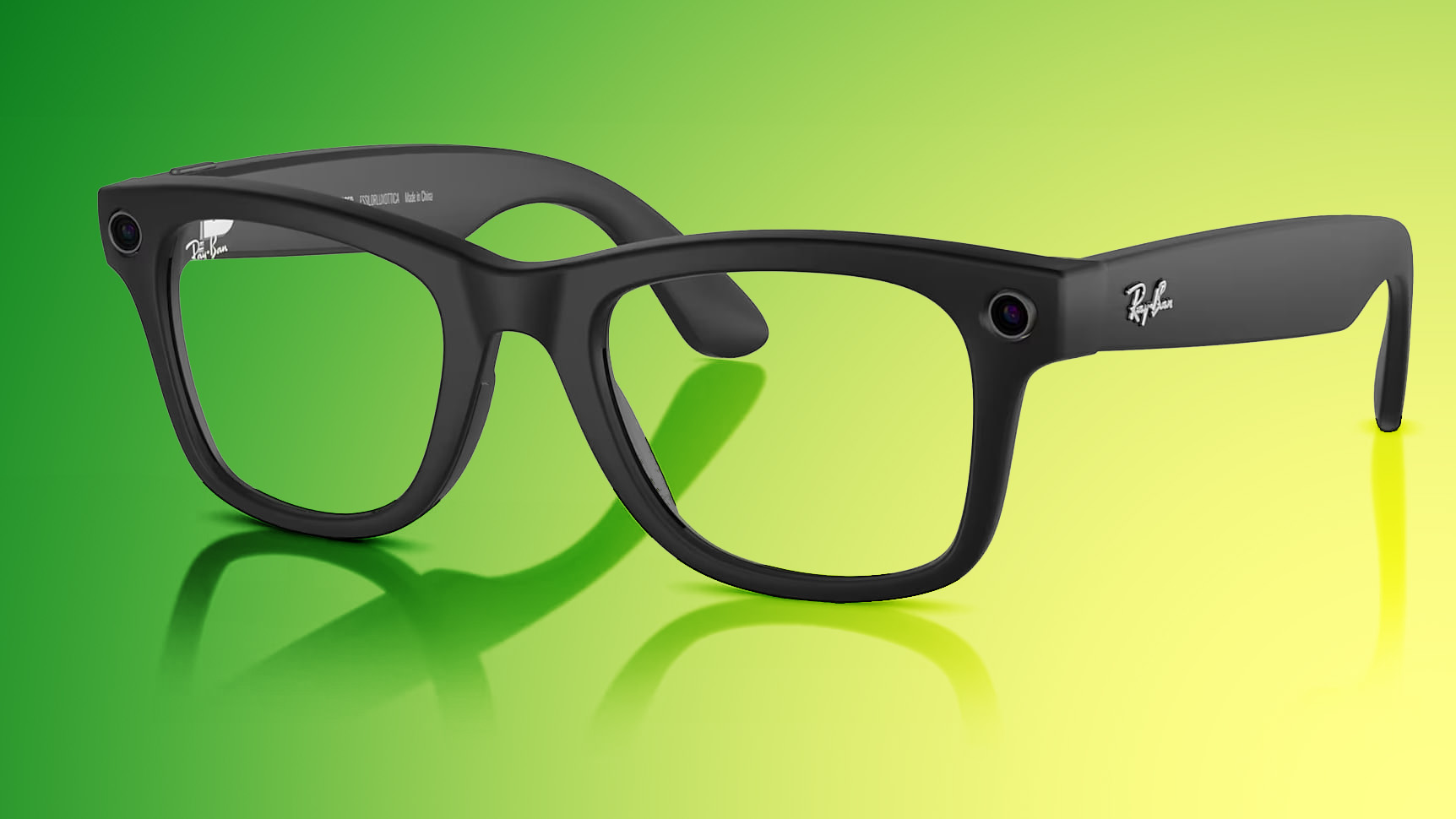
- The Industrial Design Team: This is the group responsible for the physical look and feel of Meta's hardware, from the ergonomic design of the Quest VR headsets to the classic styling of the Ray-Ban smart glasses. Their expertise in materials and manufacturing will be crucial.
- The Metaverse Design and Art Teams: These teams are at the forefront of creating the virtual worlds and avatars that populate Meta's metaverse ambitions. Their skills in 3D modeling, world-building, and digital art will define the aesthetic of future virtual and augmented experiences.
By bringing these disparate groups under a single creative leader with a unified vision, Meta is hoping to achieve the kind of deep, end-to-end integration that has long been Apple's competitive advantage. The goal is to ensure that the physical device, the software interface, and the virtual content all feel like they are part of a single, cohesive, and thoughtfully designed product.
From VR Headsets to Everyday AR Glasses: The Ultimate Goal
So, what will this new super-studio actually build? Meta already has a foothold in the hardware market with its popular Quest line of VR headsets and its AI-powered smart glasses, created in collaboration with Ray-Ban and Oakley. While the Quest has dominated the VR market, and the smart glasses have been a modest success, they are both seen as stepping stones toward a much grander vision.
The ultimate prize for Meta, Apple, Google, and every other major player in tech is a pair of true augmented reality glasses. This is the device that many believe will one day replace the smartphone as our primary computing platform. The challenge is immense. These glasses need to be lightweight, stylish enough for everyday wear, and powerful enough to overlay useful digital information onto our view of the real world—all while lasting a full day on a single charge.
The technical hurdles are significant, but the design and user interface challenges are arguably even greater. How do you display notifications without blinding the user? How do you enable interaction without awkward gestures or voice commands? How do you create an experience that feels helpful and magical, not creepy and dystopian? These are the questions that Alan Dye and his new team are being hired to answer. His deep experience in crafting simple, elegant solutions for complex problems—most notably with the Apple Watch, a device that also has to deliver information in a tiny, glanceable format—makes him uniquely qualified for this task.
The Battle for the Next Computing Platform
Meta's creation of this new studio is a strategic move in a high-stakes war for the future of computing. It's a direct response to competitors like Apple, which has already entered the "spatial computing" market with its Vision Pro headset. While the Vision Pro is a marvel of engineering, its high price and bulky design place it out of reach for most consumers. Meta sees an opportunity to create a more accessible, fashionable, and integrated device for the masses.
This initiative also represents a profound cultural shift within Meta. For much of its history, the company (as Facebook) was perceived as an engineering-driven organization that prioritized growth and engagement metrics above all else. Design, while important, often took a backseat. This high-profile hiring and the creation of a design-led studio signal a complete reversal of that approach. Mark Zuckerberg is betting that in the next era of computing, elegant design and an intuitive user experience will be the primary drivers of success. It's an "Apple-ification" of Meta's core product strategy, and with Alan Dye at the helm—a designer who helped define Apple's modern aesthetic—the company is better positioned than ever before to realize that vision.
The road ahead is long and fraught with challenges. But with this bold move, Meta has made its intentions clear. The company that connected the world through screens now wants to redefine our reality itself. With a new design visionary leading the charge, the future of Meta—and how we interact with the digital world—has never looked more interesting.
This article, "Meta's Creative Studio Led by Former Apple Design Head to 'Treat Intelligence as a New Design Material'" first appeared on MacRumors.com
Discuss this article in our forums
from MacRumors
-via DynaSage
