
iPhone 20 Rumored to Feature Radical Curved Design
Apple's 20th Anniversary iPhone: A Glimpse into a Radically Curved, All-Screen Future
The tech world is always abuzz with anticipation for Apple's next big reveal, and the excitement surrounding the company's 20th-anniversary iPhone, sometimes referred to as the iPhone 20, is reaching fever pitch. Whispers from the rumor mill suggest a truly groundbreaking device that could redefine smartphone aesthetics and user experience. Imagine an iPhone that feels like a single, seamless piece of glass, melting into your hand with an incredibly thin frame and an edge-to-edge display. This is the vision that new reports are painting for Apple's landmark device, expected to launch in the fall of 2027.
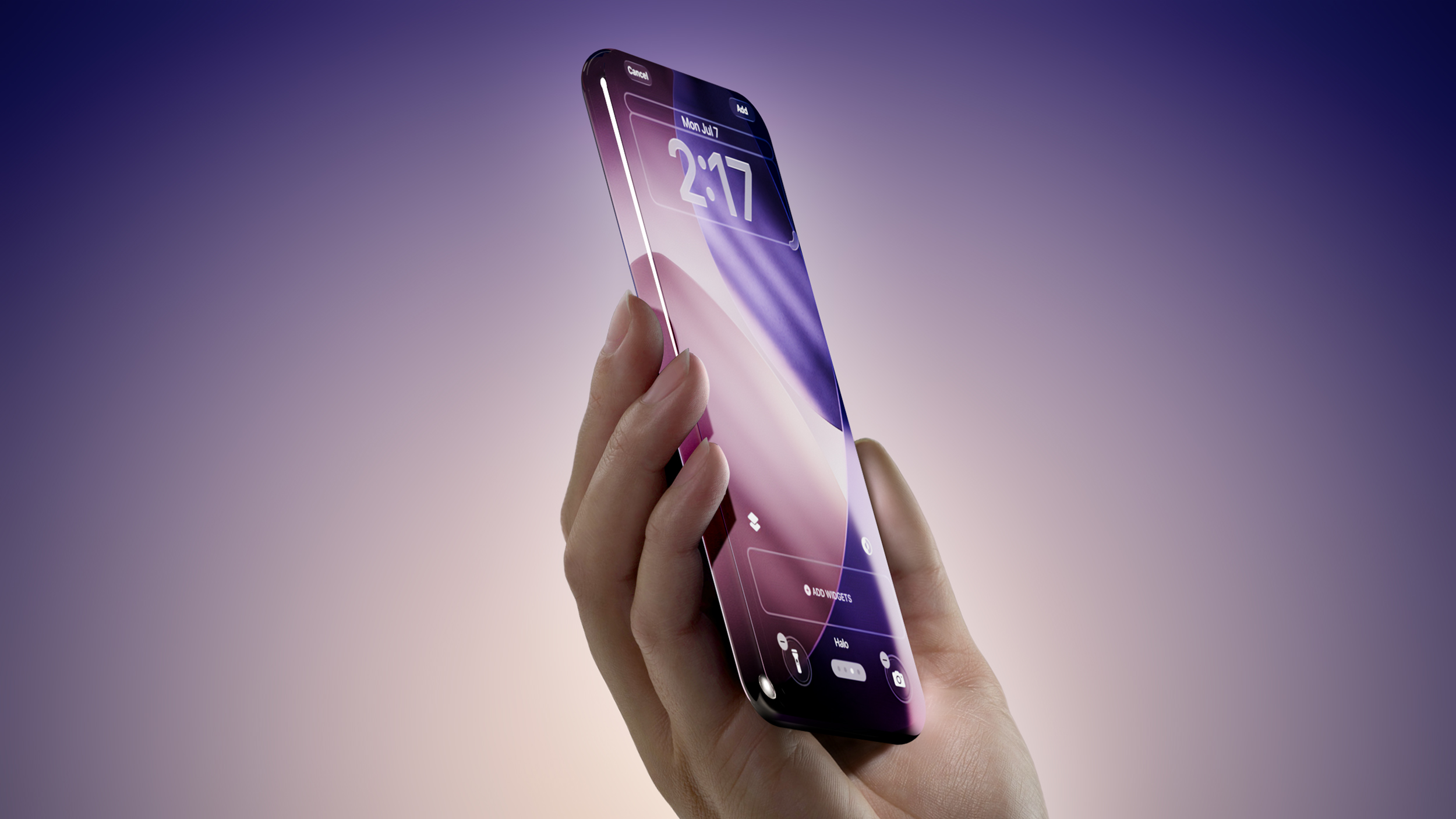
The latest revelations come from an X user, "@phonefuturist," who recently shared intriguing details across several posts. These claims suggest the anniversary iPhone will boast a dramatically slim bezel measuring a mere 1.1mm around its display. To put that into perspective, the iPhone 17 Pro is rumored to feature bezels around 1.44mm. This seemingly small difference in millimeters can have a massive impact on the perceived screen size and overall device immersion. But it's not just about thinness; the report also hints at a "seamlessly curved design." The accompanying mock-up images depict a beautiful convex display glass that gently curves downwards at the edges, meeting a sleek, polished frame reminiscent of the iconic iPhone X. This design would represent a significant departure from the flatter-edged iPhones we've become accustomed to, bringing a new level of sophistication and ergonomic comfort.
The Dream of a Truly Full-Screen iPhone: Display Technology Challenges
For years, the holy grail of smartphone design has been the "all-screen" device – a phone where the display dominates the entire front surface, free from interruptions like notches or punch-holes. Apple has been actively pursuing this vision, but achieving it without compromising critical features like the front-facing camera and Face ID sensors presents immense technical hurdles. The latest rumors highlight Apple's rigorous evaluation of advanced display technologies to make this dream a reality for the iPhone 20.
Exploring Under-Panel Camera (UPC) Technology
The X account, referring to the device as the iPhone "XX" for iPhone 20, revealed that Apple has been closely examining Samsung's Under-Panel Camera (UPC) technology. This approach differs slightly from the more commonly discussed Under-Display Camera (UDC) technology. With UDC, the camera is positioned directly beneath a transparent section of the display, aiming for a completely invisible integration. However, the challenge with UDC has always been image quality; the display pixels above the camera tend to degrade the light reaching the sensor, resulting in subpar photos and videos compared to traditional front cameras.
UPC, on the other hand, places the camera behind the display panel but utilizes a unique "perforated pixel structure" rather than a fully transparent region. Imagine a tiny grid of micro-perforations in the display that allows light to pass through to the camera sensor underneath. While this design could theoretically reduce the visual footprint of a cutout more effectively than UDC, it comes with its own set of quality trade-offs. The report indicates that Apple found the image quality produced by Samsung's UPC technology to be "insufficient" for its stringent standards. This revelation underscores Apple's unwavering commitment to user experience; they are unwilling to sacrifice camera performance for the sake of an aesthetic feature, even if it's as revolutionary as an all-screen design.
The Persistent Under-Display Camera Problem
The struggle to implement under-display cameras without compromising photo quality is a well-documented industry challenge. Several Android manufacturers have pioneered UDC implementations in their devices, showcasing the potential of truly bezel-less designs. However, even the most advanced current UDC systems have not been able to match the crispness, clarity, and low-light performance of conventionally positioned front-facing cameras. The display layers act as a filter, scattering light and introducing haziness or color shifts that are difficult to correct through software alone. Apple, known for its emphasis on photography and video capabilities, would likely view any significant degradation in front camera quality as unacceptable for its flagship device.
This pursuit of perfection means that while the dream of an all-screen iPhone 20 remains, the path to get there is fraught with technical difficulties. The company is reportedly still targeting an all-screen design, but as recently as January, reports suggested the all-screen ambition may be in doubt. The core issue remains the same: how to hide the front-facing camera and Face ID sensors beneath the display without degrading photo quality or compromising security and reliability. Until this fundamental problem is definitively solved to Apple's exacting standards, alternative design solutions must be considered.
In addition to this information, Apple tried using Samsung's UPC instead of UDC to achieve full screen but the camera quality is still not good better than UDC. So the XX might come with a smaller dynamic island than even the 18 Pro or a punch hole and Samsung's polar ID. https://t.co/tuEer5uieF
— Schrödinger (@phonefuturist) March 31, 2026
The Fallback Position: Evolving Dynamic Island and Punch-Hole Solutions
Given the persistent challenges with under-display camera technology, the rumors suggest Apple has contingency plans for the iPhone 20. If they cannot resolve the camera quality issue to their satisfaction before the device's launch, the company may opt for more conventional, yet still innovative, solutions for integrating the front camera and Face ID components.
A Shrinking Dynamic Island
One potential fallback is an even smaller Dynamic Island than the current iPhone 17 Pro or even the upcoming iPhone 18 Pro. The Dynamic Island, introduced with the iPhone 14 Pro, was a clever way for Apple to transform the much-maligned notch into a dynamic, interactive software feature. Instead of a static cutout, the Dynamic Island fluidly expands and contracts to display alerts, notifications, and ongoing background activities, seamlessly blending hardware and software. It was a testament to Apple's ability to innovate within design constraints.
The iPhone 18 Pro is already expected to be the first iPhone with a smaller Dynamic Island, suggesting a continuous effort to maximize screen real estate. For the iPhone 20, this reduction could go even further, perhaps shrinking to a size that is barely noticeable, almost resembling a glorified punch-hole, but retaining the dynamic interactivity that makes it unique. This would be a significant engineering feat, requiring miniaturization of the Face ID sensors and front camera module to fit within an even more compact space.
The Punch-Hole Alternative and "Polar ID"
Another option, as mentioned in the rumors, is a conventional punch-hole cutout. This design is ubiquitous in the Android smartphone market, offering a relatively unobtrusive way to house the front camera by creating a small, circular or pill-shaped cutout directly in the active display area. While it's a departure from the Dynamic Island's software-driven elegance, it would still allow for a much larger, more expansive screen than previous notched iPhones.
Paired with this punch-hole or a shrunken Dynamic Island, the report suggests Samsung's "Polar ID" face authentication system could be implemented. This is an intriguing detail, as Apple typically relies on its proprietary Face ID technology. "Polar ID" might refer to an advanced facial recognition system from Samsung that potentially offers enhanced security, speed, or perhaps even a more compact hardware footprint compatible with tighter integration into the display area. The collaboration with Samsung on such a critical security feature would be notable, indicating Apple's willingness to leverage external expertise to achieve its design and functional goals for the anniversary iPhone.
Weighing the Credibility of the Rumors
It's crucial to approach these claims with a "considerable pinch of salt." The source, "@phonefuturist" on X, is not a widely established leaker, and their past track record regarding unreleased Apple products is unknown. In the fast-paced world of tech leaks, credibility is paramount, and many rumors turn out to be speculative or inaccurate. However, the information shared by "@phonefuturist" is rapidly circulating across social media platforms, indicating that it has captured the attention of the tech community.
Furthermore, parts of these new rumors broadly align with the direction that more established leakers and analysts have been pointing toward for the 20th-anniversary iPhone. The consensus among reputable sources has consistently indicated that Apple is indeed working towards a more radical design for this milestone device, with a strong emphasis on reducing bezels and achieving a near all-screen aesthetic. The struggle with under-display camera technology and the exploration of alternative solutions like a smaller Dynamic Island or punch-hole are also consistent themes in the broader rumor landscape. This alignment gives some weight to the current claims, suggesting they might be tapping into genuine ongoing developments at Apple, even if the specifics are subject to change.
The Road to Fall 2027: A Vision of Innovation
The iPhone 20, or the 20th-anniversary iPhone, is currently slated for release in the fall of 2027. This timeline provides Apple with a significant window to overcome the formidable technical challenges associated with its ambitious design goals. Developing a truly seamless curved display, miniaturizing camera and Face ID components to unprecedented levels, and perfecting under-display technologies all require immense engineering talent, manufacturing innovation, and rigorous testing.
Apple's history is replete with examples of pushing technological boundaries. From the original iPhone's multi-touch display to the iPhone X's embrace of Face ID and OLED screens, the company has consistently introduced features that redefine the smartphone experience. The iPhone 20 represents not just an incremental update, but potentially a fundamental reimagining of what an iPhone can be. It symbolizes Apple's enduring commitment to innovation, even when faced with complex hurdles.
Whether the final product arrives with a completely invisible under-display camera, an ultra-miniature Dynamic Island, or a refined punch-hole with advanced authentication, one thing is clear: the 20th-anniversary iPhone is set to be a landmark device. Its rumored radical curved design, exceptionally slim bezels, and the ongoing quest for a full-screen display point towards a future where the iPhone continues to lead the industry in both aesthetics and user experience. The excitement will undoubtedly build as we approach 2027, with every new leak and analyst report adding another piece to the puzzle of Apple's next revolutionary smartphone.
This article, "iPhone 20 Rumored to Feature Radical Curved Design" first appeared on MacRumors.com
Discuss this article in our forums
from MacRumors
-via DynaSage
