
MacBook Pro to Receive 'Major Upgrade' by Early Next Year
The Future of MacBook Pro: A Major OLED Upgrade and Beyond by Early 2027
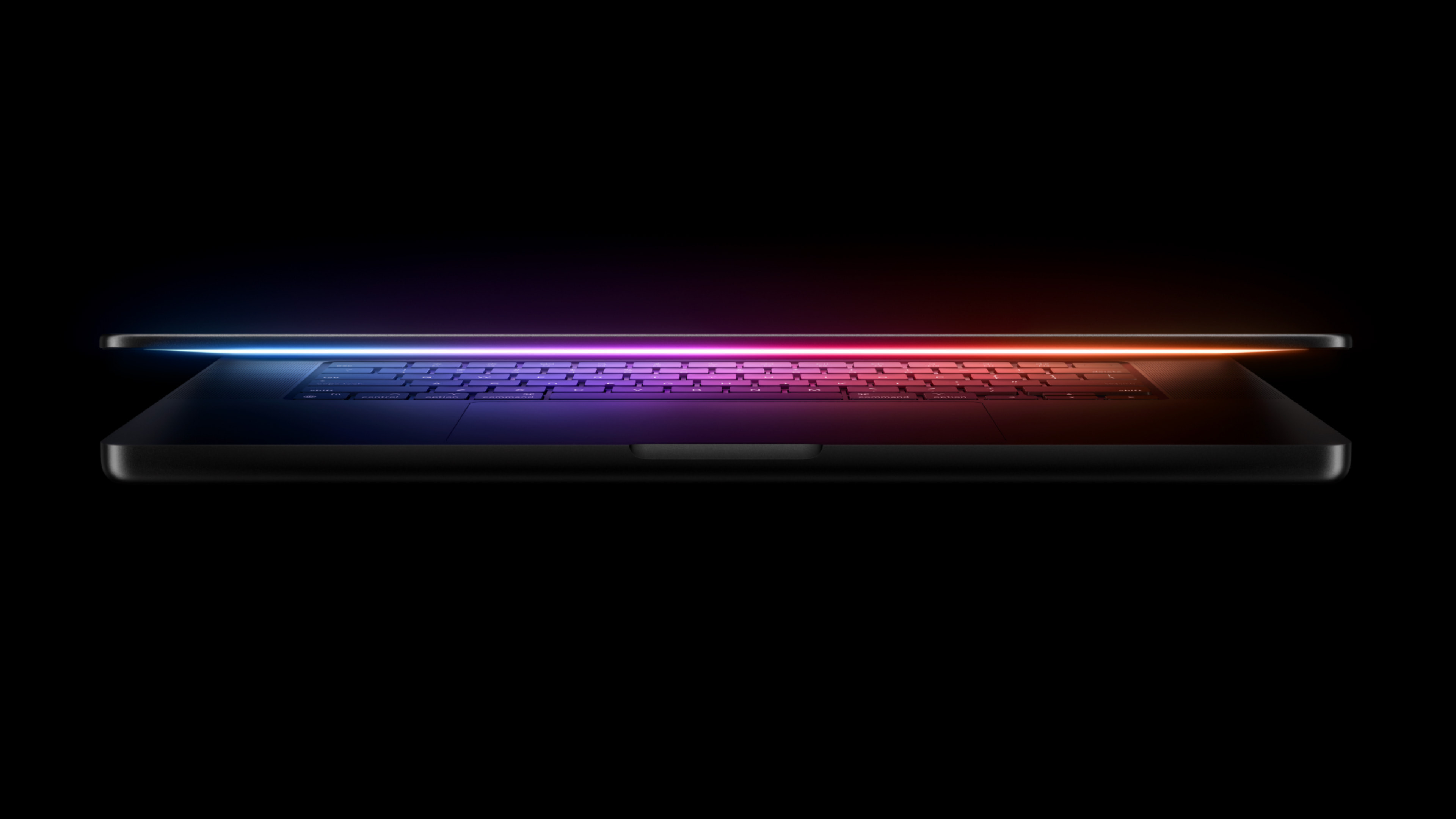
According to esteemed Apple supply chain analyst Ming-Chi Kuo, the MacBook Pro is poised for a truly groundbreaking transformation. Kuo, a figure renowned for his accurate insights into Apple's product roadmap, recently indicated that the popular professional laptop will receive a "major upgrade" featuring an OLED display, with these significant enhancements expected to materialize by early 2027. This isn't just a minor refresh; it signals a fundamental evolution of Apple's flagship portable workstation.
In a detailed blog post, Kuo further elaborated on the timeline, pinpointing the release of this next-generation MacBook Pro model somewhere between late 2026 and early 2027. This timeframe, while still a ways off for eager enthusiasts, aligns with Apple's historical pattern of introducing significant redesigns and technological leaps after several generations of incremental updates. The wait promises to be worth it, as the rumored changes extend far beyond just the display technology.
The Revolutionary Shift to OLED Displays
The most anticipated change, and arguably the cornerstone of this "major upgrade," is the integration of an OLED (Organic Light-Emitting Diode) display. For years, Apple has reserved OLED technology for its iPhones and Apple Watches, and more recently, some iPad Pro models, but its introduction to the MacBook Pro marks a pivotal moment for laptop displays. This shift promises to deliver a visual experience far superior to the current models, which utilize LCD (Liquid Crystal Display) technology, even with advanced mini-LED backlighting.
Understanding OLED: A Leap in Visual Fidelity
To truly appreciate the impact of an OLED display on the MacBook Pro, it's essential to understand its fundamental difference from traditional LCD screens. LCDs, even those with sophisticated mini-LED backlighting, rely on a backlight panel to illuminate pixels. While mini-LED technology uses thousands of tiny LEDs to create local dimming zones, allowing for impressive contrast by dimming specific areas of the screen, it still cannot achieve true black. Light bleed, often referred to as "blooming" or "haloing," can sometimes be visible around bright objects on a dark background, as the backlight cannot be precisely controlled at the individual pixel level.
OLED technology, in contrast, is entirely different. Each tiny pixel on an OLED screen is self-emissive, meaning it generates its own light. This crucial distinction allows for individual pixels to be turned off completely. When a pixel is off, it produces no light whatsoever, resulting in an absolute, perfect black. This capability unlocks an unparalleled contrast ratio, where the deepest blacks coexist with the brightest whites, creating images with incredible depth and realism. The visual difference is often described as stunning, making content appear to pop off the screen with lifelike vibrancy.
Key Advantages of OLED for MacBook Pro Users
- More Vivid Colors: OLED panels are renowned for their exceptional color accuracy and saturation. They can produce a wider spectrum of colors with greater precision, making images, videos, and graphics appear richer and more true-to-life. For creative professionals in fields like photography, videography, graphic design, and animation, this translates to a more reliable and immersive canvas for their work, ensuring that what they see on screen closely matches the final output.
- Higher Contrast Ratio: As discussed, the ability of OLED pixels to turn off completely yields an infinite contrast ratio. This means darker darks and brighter brights, enhancing the dynamic range of content. HDR (High Dynamic Range) content, in particular, will look breathtaking on an OLED MacBook Pro, revealing intricate details in both shadows and highlights that might be lost on an LCD display.
- Wider Viewing Angles: When viewing an LCD screen from an off-center angle, colors can sometimes shift, and brightness can diminish. OLED displays, by their nature, maintain color accuracy and brightness across much wider viewing angles. This is particularly beneficial for professionals who might share their screen with clients or colleagues, or for anyone who works in varied positions.
- Faster Response Times: OLED pixels can change their state almost instantaneously. This results in incredibly fast response times, minimizing motion blur and ghosting, which is a significant advantage for fast-paced video editing, gaming, or any application where fluid motion is critical.
- Improved Power Efficiency: While not always universally more efficient than LCDs (especially when displaying bright, white content), OLED displays can be significantly more power-efficient when displaying dark content. Since black pixels are entirely off and consume no power, using dark mode in macOS, or watching movies with dark scenes, can lead to noticeable battery life improvements. Given that professional users often work with dark UI applications or watch high-contrast content, this could translate to longer unplugged work sessions.
- Thinner and Lighter Panels: Because OLED panels don't require a separate backlight layer, they can be made significantly thinner and lighter than LCDs. This contributes directly to the rumored thinner design of the next-generation MacBook Pro, making it more portable without compromising on screen size.
The Road to OLED: Challenges and Apple's Approach
While the benefits are clear, the adoption of OLED in larger form factors like laptops has historically faced challenges, primarily related to cost and potential burn-in. Burn-in refers to permanent image retention on a screen, which can occur if static images are displayed for very long periods. However, significant advancements in OLED technology, including improved materials and pixel-shifting techniques, have drastically reduced the risk of burn-in in modern panels. Apple's meticulous engineering and quality control standards suggest they will only adopt OLED for the MacBook Pro once these concerns are sufficiently mitigated, likely through advanced pixel refreshing algorithms and display management. The higher manufacturing cost of OLED panels, especially for the larger sizes required by a MacBook Pro, is also a factor, contributing to the expectation of higher prices for these new models.
Beyond the Display: A Suite of Transformative Upgrades
The OLED display is merely one facet of what promises to be a comprehensive overhaul. The next-generation MacBook Pro is expected to feature many other upgrades, each poised to redefine the user experience and push the boundaries of portable computing.
A Thinner, More Refined Design
Apple has always pursued elegant, minimalist design, and the rumored thinner profile for the new MacBook Pro aligns perfectly with this philosophy. A thinner chassis not only enhances portability but also contributes to a more modern and sleek aesthetic. However, a thinner design often presents engineering challenges, particularly concerning thermal management and port selection. Apple has previously made trade-offs in pursuit of thinness, such as reducing the number of ports. It will be interesting to see how they balance form and function in this new iteration, potentially leveraging the efficiency of the new M-series chips and the thinner OLED panel to achieve a svelte profile without significant compromises.
The Advent of a Touch Screen on macOS
Perhaps one of the most surprising and hotly debated rumored features is the inclusion of a touch screen. For years, Apple has maintained a clear distinction between its macOS and iPadOS ecosystems, with CEO Tim Cook famously stating that combining them would be like "converging a toaster and a refrigerator." The addition of a touch screen would represent a significant ideological shift for Apple regarding its desktop operating system. If implemented, it would likely be carefully integrated, perhaps offering touch capabilities as an additional input method rather than a primary one, avoiding the "MacPad" convergence that Apple has historically eschewed. It could open up new possibilities for creative apps, quick interactions, and accessibility, blurring the lines between traditional laptops and tablets in a way Apple has previously resisted.
Dynamic Island Comes to the Mac
First introduced with the iPhone 14 Pro, the Dynamic Island is an innovative software-driven area around the front-facing camera cut-out that fluidly adapts to display alerts, notifications, and ongoing activities. Bringing this feature to the MacBook Pro would be a fascinating development. On a laptop, the Dynamic Island could potentially house indicators for FaceTime calls, timers, AirDrop transfers, system alerts, or even contextual controls for media playback. It would provide a dynamic and engaging way to present information without cluttering the main screen, adding a layer of interactive utility to the macOS experience and further unifying Apple's design language across its product lines.
Next-Generation Apple Silicon: M6 Pro and M6 Max Chips
At the heart of any new MacBook Pro lies its processing power. The next models are expected to feature the M6 Pro and M6 Max chips, manufactured with TSMC's cutting-edge 2nm process. This represents a significant leap from current chips, which are built on 3nm technology. Each reduction in nanometer size signifies more transistors packed into a smaller space, leading to substantial gains in performance, power efficiency, and neural processing capabilities.
Understanding the 2nm Process
The transition to a 2nm process node would place Apple at the absolute forefront of chip manufacturing. This translates to:
- Unprecedented Performance: With more transistors, the M6 Pro and M6 Max chips will be able to handle increasingly complex tasks with greater speed and responsiveness. This means faster video rendering, quicker code compilation, smoother 3D modeling, and superior performance in demanding scientific and creative applications.
- Enhanced Power Efficiency: Smaller transistors also consume less power for the same amount of work. This directly translates to longer battery life, even with increased processing demands, which is a critical factor for professional users who work on the go.
- Superior Thermal Management: More efficient chips generate less heat, allowing Apple to design thinner laptops without sacrificing sustained performance. This is crucial for professionals who often push their machines to the limit for extended periods.
- Advanced AI Capabilities: Apple's M-series chips heavily integrate Neural Engines for artificial intelligence and machine learning tasks. The M6 generation is expected to further enhance these capabilities, accelerating tasks like image recognition, natural language processing, and smart features within macOS and professional applications.
These chips will solidify Apple's lead in the laptop processor market, offering a compelling blend of raw power and energy efficiency that competitors struggle to match. For creative professionals, developers, and researchers, the M6 Pro and M6 Max will unlock new levels of productivity and innovation.
Built-in Cellular Connectivity with Apple's Own Modem
It has been rumored that Apple might even expand its internally developed C1X or C2 modem to the MacBook Pro for built-in cellular connectivity. While iPads have offered cellular options for years, bringing this capability directly to the MacBook Pro would be a game-changer for many users. Imagine working from virtually anywhere without needing to tether to a phone or search for Wi-Fi. This would provide seamless, secure internet access on the go, making the MacBook Pro an even more powerful tool for mobile professionals.
Apple's long-standing effort to develop its own modem technology aims to reduce reliance on third-party suppliers and gain greater control over the performance and integration of cellular connectivity. This would likely support 5G, with an eye toward future 6G standards, ensuring fast and reliable internet access globally. For professionals who require constant connectivity for cloud-based workflows, remote collaboration, or real-time data access, built-in cellular would eliminate a significant point of friction, enhancing productivity and flexibility.
The "MacBook Ultra": A New Tier of Excellence?
With such a comprehensive suite of high-end features—OLED display, cutting-edge 2nm chips, a thinner design, a touch screen, Dynamic Island, and integrated cellular—it's highly probable that these advancements will come with a higher price tag. For this reason, it was recently reported that the model featuring an OLED display might be a so-called "MacBook Ultra" that is positioned above the current MacBook Pro in Apple's product lineup.
This speculation suggests Apple could be planning to introduce a new, even more premium tier for its laptops, mirroring its strategy with the Apple Watch Ultra or iPhone Ultra concepts. A "MacBook Ultra" would target the most demanding professional users—those who require the absolute best in performance, display quality, and advanced features, and are willing to pay a premium for it. This new tier would allow Apple to push the boundaries of innovation without necessarily making every high-end feature standard across the entire MacBook Pro range, which would inflate prices for users who don't need every bell and whistle.
The introduction of a MacBook Ultra could also redefine the existing MacBook Pro line. The current MacBook Pro models might continue to offer powerful capabilities at a slightly more accessible price point, while the "Ultra" model becomes the ultimate expression of Apple's laptop engineering. This tiered approach provides greater choice for consumers and allows Apple to segment its market more effectively, catering to both high-end professionals and those who seek a powerful yet more cost-conscious professional machine.
OLED for MacBook Air: A Longer Wait
While the MacBook Pro is slated for an OLED upgrade by early 2027, Kuo expects the more mainstream MacBook Air to receive an OLED display as well, but not until 2028 or 2029. This staggered rollout is typical for Apple, where new, expensive technologies often debut on the professional-grade products first before trickling down to more budget-friendly lines as manufacturing processes mature and costs decrease. The MacBook Air, known for its portability, efficiency, and attractive price point, would benefit immensely from an OLED display, further enhancing its appeal for everyday users who value a premium visual experience without needing the absolute highest performance.
The Current MacBook Pro and the Waiting Game
Apple just released MacBook Pro models with M5 Pro and M5 Max chips, offering impressive performance enhancements and neural accelerators for AI-driven tasks. These current models are formidable machines, capable of handling a vast array of professional workloads with ease. However, if you are interested in the truly monumental upgrades discussed—especially the OLED display, 2nm chips, and potential touch screen or cellular connectivity—it might be best to hold off on a purchase for now.
The last major MacBook Pro redesign occurred in 2021, introducing the M1 Pro and M1 Max chips along with a refreshed chassis, MagSafe, and a port resurgence. These moments of significant overhaul do not come along very often. While incremental updates with new chips happen annually or biannually, a full-scale redesign with groundbreaking display technology, new input methods, and a potentially new product tier is a rare event. For those who prioritize having the absolute latest and greatest technology, waiting until late 2026 or early 2027 for the "major upgrade" could prove to be a wise decision, delivering a machine that will likely set new industry benchmarks for years to come.
This article, "MacBook Pro to Receive 'Major Upgrade' by Early Next Year" first appeared on MacRumors.com
Discuss this article in our forums
from MacRumors
-via DynaSage
