
iPhone 17 Pro Max Curiously Becomes Most Traded-In Smartphone
The iPhone 17 Pro Max: Why So Many People Are Trading It In So Soon
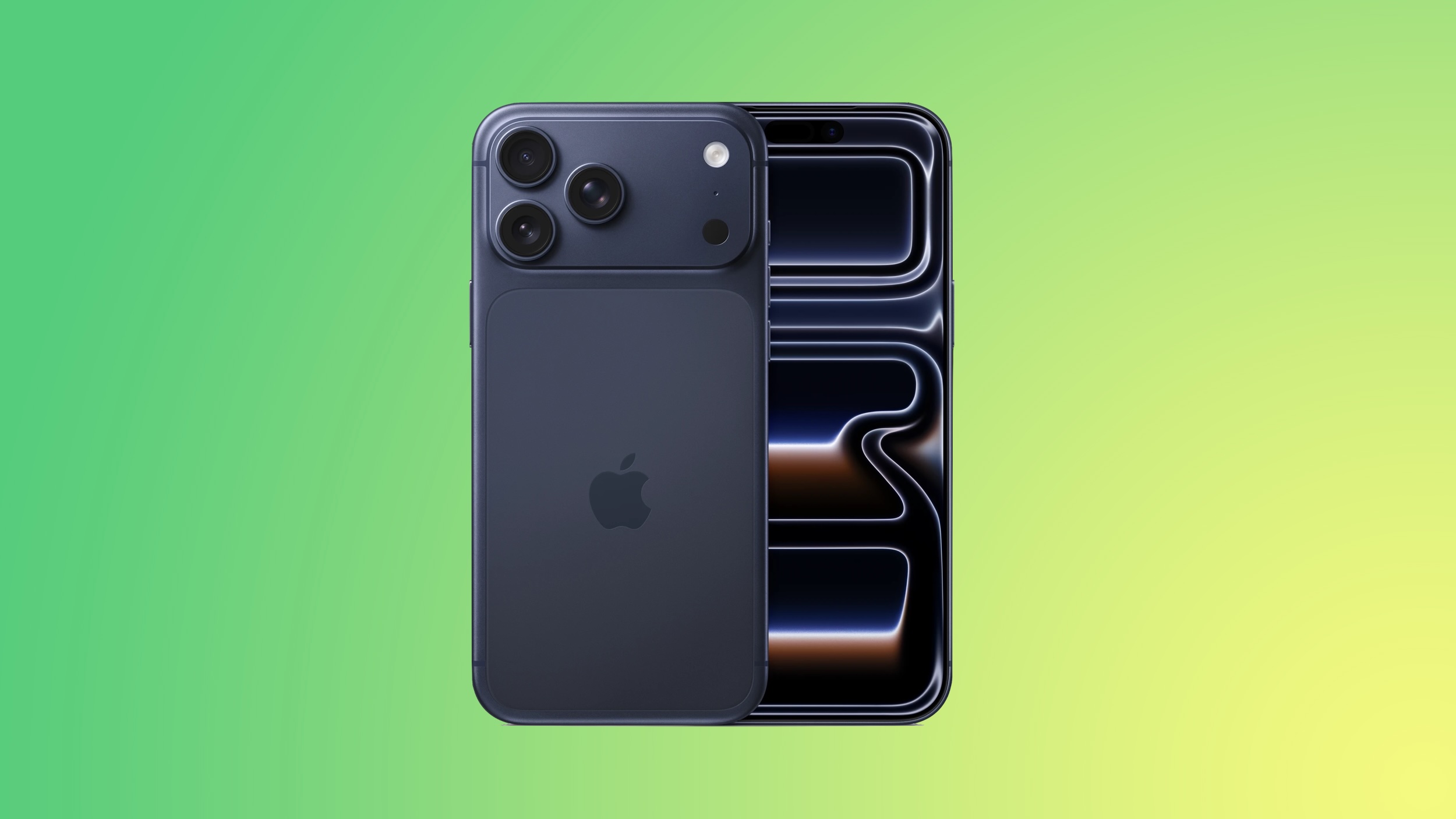
In the fast-evolving world of smartphones, there's always something new around the corner. We often hear about the latest models, cutting-edge features, and how they change our daily lives. But what's less common is a brand-new device quickly becoming the most traded-in smartphone in the market. This curious phenomenon is precisely what's happening with Apple's latest flagship, the iPhone 17 Pro Max.
Recent data indicates a fascinating trend: the iPhone 17 Pro Max has rapidly ascended to become the single most traded-in smartphone, just months after its release. This isn't just a minor shift; it's a significant change in typical trade-in patterns, where older models usually dominate the resale market. This blog post will dive deep into this unusual trend, exploring the data, understanding the reasons behind it, and what it means for consumers and the broader smartphone industry.
Why would owners part with their state-of-the-art device so quickly? Is it dissatisfaction, an unexpected financial need, or perhaps a savvy strategy to maximize value? We'll examine these questions and more, drawing insights from industry reports to uncover the factors driving this remarkable behavior. Understanding this trend offers valuable lessons for anyone considering a new smartphone purchase, especially when it comes to the long-term value of their investment.
The Unexpected Rise of the iPhone 17 Pro Max in Trade-Ins
A new report from SellCell, a prominent independent trade-in comparison site, has brought this intriguing development to light. According to their analysis, Apple's newest top-tier iPhone has swiftly climbed to the very top of the independent trade-in market. It now accounts for a substantial 11.5% of all devices listed in the top-20 trade-in rankings, a truly remarkable feat given its relatively recent introduction to the market.
This analysis isn't based on a small sample. SellCell gathered its insights from extensive internal trade-in data and secondary market pricing trends, consolidating information from a network of 40 independent iPhone buyers. This broad base ensures that the data provides a comprehensive and accurate picture of the trade-in landscape, reflecting real-world consumer behavior rather than isolated incidents.
The pace of this ascent is particularly striking. The iPhone 17 Pro Max's share of the top-20 trade-in rankings more than doubled in a remarkably short period. In late November, its share stood at approximately 5.1%. By early February – a span of roughly 12 weeks – it had surged to 11.5%. This rapid increase signifies a powerful underlying trend, suggesting a strong and consistent flow of these particular devices into the secondary market. Such a swift climb is highly unusual for a recently launched flagship device, which typically sees its highest demand and lowest trade-in rates in its initial months.
What Condition Are These Traded-In Phones In?
Further deepening the mystery is the condition of these traded-in units. A significant 86% of the iPhone 17 Pro Max devices entering the trade-in market were categorized as being in either "mint" or "good" condition. This statistic offers a crucial clue: it suggests that many owners are choosing to sell their devices not because they are damaged or heavily used, but often soon after purchase, while the phone is still in excellent shape. This pattern hints at a deliberate and timely decision to part with the device, rather than a forced sale due to wear and tear or obsolescence.
This contrasts with trade-ins of older models, where devices might typically show more signs of use and age. The prevalence of mint and good condition iPhone 17 Pro Max units points towards a segment of owners who are either upgrading extremely frequently, using their phones as a temporary asset, or perhaps realizing quickly that the device doesn't perfectly meet their needs, leading them to sell it while it still commands a high resale value.
A Look at the Wider Trade-In Landscape
While the iPhone 17 Pro Max dominates, it's not the only Apple device making waves in the trade-in market. Other recent Pro Max models continue to hold strong positions, reflecting the natural cycle of upgrades. The iPhone 15 Pro Max and iPhone 14 Pro Max each account for approximately 7.3% of trade-ins, demonstrating their continued popularity and the steady flow of users upgrading from these slightly older but still powerful devices. Similarly, the iPhone 16 Pro Max and the iPhone 13 each sit at 7.2% of trade-ins.
These figures highlight an important aspect of the trade-in market: it's typically a diverse mix. You'll find devices at various stages of their lifecycle, from the latest flagships to models several generations old. Often, older models tend to account for a larger volume of resales. This is primarily due to their large installed user bases and the natural upgrade cycle that sees users holding onto phones for two, three, or even four years before seeking a replacement. The fact that the iPhone 17 Pro Max, a relatively new entrant, has so quickly overshadowed these established contenders is precisely what makes its rise so noteworthy and warrants deeper investigation.
Collectively, the top-20 devices tracked in SellCell's report represent around 47% of all trade-in activity. This indicates a concentrated market where certain popular models, particularly those from Apple, consistently drive a significant portion of the trade-in volume. Within this competitive landscape, the rapid climb of the iPhone 17 Pro Max stands out as a unique and compelling anomaly.
Unpacking the "Why": Reasons Behind the Swift Trade-In Trend
So, what could be driving this unusual trend? SellCell points to several key factors, most notably the strong resale pricing of the iPhone 17 Pro Max. However, there are broader economic and behavioral elements at play that likely contribute to this phenomenon.
The Power of Strong Resale Pricing
The most direct explanation for the early trade-ins is the exceptional resale value the iPhone 17 Pro Max currently commands. SellCell reports that average resale values for mint-condition iPhone 17 Pro Max devices currently hover around an impressive $967.50. This high retention of value makes the decision to upgrade or simply sell off the device much more appealing.
Think about it from a consumer's perspective: if you can get nearly a thousand dollars for your device just a few months after buying it, the "cost of ownership" for that period becomes significantly lower. This makes it easier to justify selling your current phone to fund the purchase of a different model, perhaps one that better suits your evolving needs, or even to temporarily free up cash for other expenses. Apple iPhones, in general, are known for holding their value better than many Android counterparts, but the iPhone 17 Pro Max appears to be setting a new standard in this regard.
This strong resale value acts as a powerful incentive, effectively reducing the financial barrier to frequent upgrades. For tech enthusiasts who always want the latest gadget, or for those who simply want to try out a new phone for a few months, the robust secondary market for the iPhone 17 Pro Max offers a financially viable pathway to do so without incurring a massive loss.
Premium Smartphones as Short-Term Assets
Another fascinating insight from SellCell is the idea that premium smartphones can function as "short-term assets." In essence, for some owners, an expensive smartphone isn't just a communication device; it's also a valuable item that can be converted into cash relatively quickly if needed. This concept becomes particularly relevant when considering broader economic conditions.
Imagine a scenario where unexpected expenses arise, or an individual faces a temporary financial pinch. A high-value item like an iPhone 17 Pro Max, especially one in mint condition, can be quickly sold on the independent trade-in market to release significant funds. While it might seem counterintuitive to sell a brand-new, expensive phone, this pragmatic approach highlights a different way consumers interact with their premium tech. It suggests a more fluid relationship with high-ticket items, where the immediate utility of the device is balanced against its potential as a liquid asset.
This behavior is less about dissatisfaction with the phone's performance and more about strategic financial management. The iPhone 17 Pro Max's strong resale value makes it an ideal candidate for this purpose, as owners can recover a substantial portion of their initial investment, making it a more attractive option than, say, pawning other valuables or taking out a high-interest loan.
The Influence of Broader Economic Conditions
The rise of the iPhone 17 Pro Max to the top of trade-ins likely reflects broader economic conditions as well. In an era of fluctuating economic stability, inflation, and changing consumer spending habits, people are often more conscious of their finances. This can manifest in several ways:
- Financial Prudence: Some consumers might be selling their new devices to free up cash for more pressing needs or simply to bolster their savings. The high trade-in value makes this a sensible financial decision.
- Optimizing Upgrade Cycles: Savvy consumers might be strategically timing their purchases and sales to maximize the return on their devices. They might buy the latest model, enjoy it for a few months, and then sell it before its value drops significantly, using the proceeds to fund their next purchase or simply pocketing the difference.
- Re-evaluating Discretionary Spending: For others, the initial excitement of owning the latest flagship might wear off as economic realities set in. They might decide that the significant cost of a premium phone, even with its advanced features, is not sustainable or necessary, especially if their financial situation changes unexpectedly.
The independent trade-in market provides a flexible avenue for consumers to adapt to these economic shifts, allowing them to monetize their assets when convenient or necessary. The fact that the iPhone 17 Pro Max is seeing such early and high-value trade-ins suggests a market where financial agility is increasingly prized.
The Value Retention Advantage: iPhone 17 Pro Max Outperforms its Predecessor
One of the most compelling pieces of data supporting the iPhone 17 Pro Max's trade-in dominance is its superior value retention compared to previous models. Understanding how quickly a phone loses value is critical for consumers, as it directly impacts the true cost of ownership and the financial benefit of selling or trading in.
SellCell's analysis reveals that the iPhone 17 Pro Max has lost approximately 25.4% of its value since launch, when measuring average resale prices for mint-condition devices over a 145-day period. This depreciation rate, while still significant for a new device, is notably better than that of its immediate predecessor.
Over an equivalent 145-day timeframe, the iPhone 16 Pro Max lost roughly 32.5% of its value. This represents a substantial difference of more than 7% lower depreciation for the newer model. In practical terms, this translates to as much as $95 in additional retained value for the iPhone 17 Pro Max compared with the previous generation over the same period. For a consumer looking to recoup a significant portion of their investment, an extra $95 can be a powerful motivator.
Why Better Value Retention Matters
This improved value retention for the iPhone 17 Pro Max has several implications:
- Lower True Cost of Ownership: The slower depreciation means that the actual financial cost of owning the iPhone 17 Pro Max for a few months is lower than for previous models. This makes it a more attractive option for those who plan to upgrade frequently or sell their device after a short period.
- Enhanced Upgrade Cycle Affordability: For users who consistently seek the latest and greatest, the better resale value effectively subsidizes their next upgrade. They can put more money from the sale of their current device towards a new one, reducing the out-of-pocket expense.
- Market Perception of Value: The superior value retention could also reflect a stronger initial demand for the iPhone 17 Pro Max, perhaps due to perceived innovations or features that make it more desirable than its predecessors. This robust demand in the primary market trickles down to the secondary market, keeping resale prices high.
- Brand Loyalty and Ecosystem Strength: Apple's ecosystem and brand loyalty traditionally contribute to strong resale values. The iPhone 17 Pro Max's performance further solidifies this reputation, reassuring buyers that their investment will hold its worth better than many alternatives.
Factors influencing depreciation include everything from the initial price point and the perceived innovation of the device to overall market demand, supply levels, and the competitive landscape. The iPhone 17 Pro Max seems to have struck a chord in the market that allows it to defy typical depreciation curves for a new flagship, at least in its early months.
Implications for Consumers and the Market
The unexpected rise of the iPhone 17 Pro Max as the most traded-in smartphone offers valuable insights for various stakeholders, from individual consumers to the entire mobile industry.
For Consumers: Making Informed Decisions
This trend underscores the importance of understanding depreciation and resale value when purchasing a high-end smartphone. For consumers, the key takeaways are:
- Timing Your Trade-In: If you're someone who enjoys upgrading frequently, paying attention to early depreciation trends can help you maximize your return. Selling a device like the iPhone 17 Pro Max when its value retention is exceptionally strong (as it is currently) can make your next purchase significantly more affordable.
- Considering the "True Cost" of Ownership: The upfront price of a premium phone is only part of the equation. Factor in how much value it's likely to retain. A phone with a higher initial price might end up costing less in the long run if its resale value is excellent.
- Leveraging Independent Trade-In Options: While carrier trade-in programs are convenient, independent buyers and platforms often offer more competitive prices, especially for devices in mint condition. Exploring options like those aggregated by SellCell can yield better financial outcomes.
- The "Asset" Perspective: Recognizing that a premium smartphone can be a liquid asset might influence purchasing decisions for those who prioritize financial flexibility.
For those who hold onto their phones for several years, these early trends might be less relevant. However, for the segment of the market that upgrades every year or two, understanding these dynamics can lead to smarter financial choices and a more cost-effective way to stay current with technology.
For Apple: A Signal from the Market
For Apple, the strong resale value and high trade-in volume of the iPhone 17 Pro Max could be interpreted in several ways:
- Reinforced Brand Strength: The superior value retention reinforces Apple's reputation for producing desirable products that hold their worth. This is a significant selling point that appeals to consumers concerned about the investment they make in a smartphone.
- Understanding Consumer Behavior: This data provides Apple with crucial insights into how its most engaged users interact with new products. Are early adopters more prone to flipping devices? Are economic factors genuinely influencing the decision to sell so quickly? This feedback can inform future product development and marketing strategies.
- Potential for Feature Perception: While the trade-in data doesn't directly speak to satisfaction, the high volume of mint-condition devices could suggest that some users acquire the latest model but then decide it doesn't offer enough new features or benefits over their previous phone to justify keeping it, especially when a good resale price is available. Alternatively, it could mean the device is so desirable that others are willing to pay top dollar for a lightly used model, which sustains its value.
For the Second-Hand Market and the Industry
The influx of nearly new iPhone 17 Pro Max units into the secondary market has broader implications:
- Increased Supply of High-Quality Used Phones: This trend means that consumers looking for a premium smartphone at a slightly reduced price will have access to a significant supply of almost-new iPhone 17 Pro Max devices. This makes high-end technology more accessible to a wider audience.
- Impact on Pricing of Older Models: A strong supply of current-generation used phones can put downward pressure on the prices of slightly older models (e.g., the iPhone 16 Pro Max and 15 Pro Max) in the secondary market, creating more budget-friendly options.
- Growth of the Refurbished Market: The steady supply of high-quality trade-ins fuels the refurbished smartphone market, which is an increasingly important part of the circular economy, reducing electronic waste.
This dynamic interplay between new sales, trade-ins, and the secondary market shapes how consumers interact with technology and how the industry evolves to meet those behaviors.
Conclusion: A New Era for Smartphone Ownership?
The iPhone 17 Pro Max's rapid ascent to become the most traded-in smartphone is a fascinating development. It challenges conventional wisdom about how consumers interact with their newly purchased flagship devices. While the natural upgrade cycle typically sees older models dominating the trade-in rankings, the iPhone 17 Pro Max has quickly bucked this trend, proving that even a brand-new, cutting-edge device can find its way back into the market in record time.
The primary drivers behind this phenomenon appear to be the device's exceptional value retention and strong resale pricing, making early trade-ins financially attractive. This is further influenced by broader economic considerations, where premium smartphones can act as flexible, short-term assets for owners. The superior depreciation performance of the iPhone 17 Pro Max, retaining significantly more value than its predecessor, only reinforces this behavior.
For consumers, this trend highlights the growing importance of considering resale value when purchasing a high-end device. For Apple and the wider industry, it offers valuable insights into consumer psychology, market dynamics, and the evolving relationship between users and their technology. As the smartphone market continues to mature, understanding these subtle shifts in ownership and trade-in patterns will be crucial for navigating the future of mobile technology.
This article, "iPhone 17 Pro Max Curiously Becomes Most Traded-In Smartphone" first appeared on MacRumors.com
Discuss this article in our forums
from MacRumors
-via DynaSage
