
iPhone 17e to Use Same OLED Panel But Feature Slimmer Bezels
Apple's iPhone 17e Rumors: A Sleeker Look for the Budget-Friendly Model
Apple's iPhone lineup is constantly evolving, with new models and features capturing the attention of tech enthusiasts every year. While the high-end Pro models often steal the spotlight with their cutting-edge technology, Apple's more affordable offerings play a crucial role in bringing the iOS experience to a wider audience. The upcoming iPhone 17e is poised to continue this tradition, and new reports suggest it will strike a careful balance between modern design and cost-effective manufacturing. According to a recent report from the Korean tech publication The Elec, the iPhone 17e is set to receive a noticeable design upgrade with slimmer display bezels, all while retaining the same core OLED screen technology found in its predecessor.
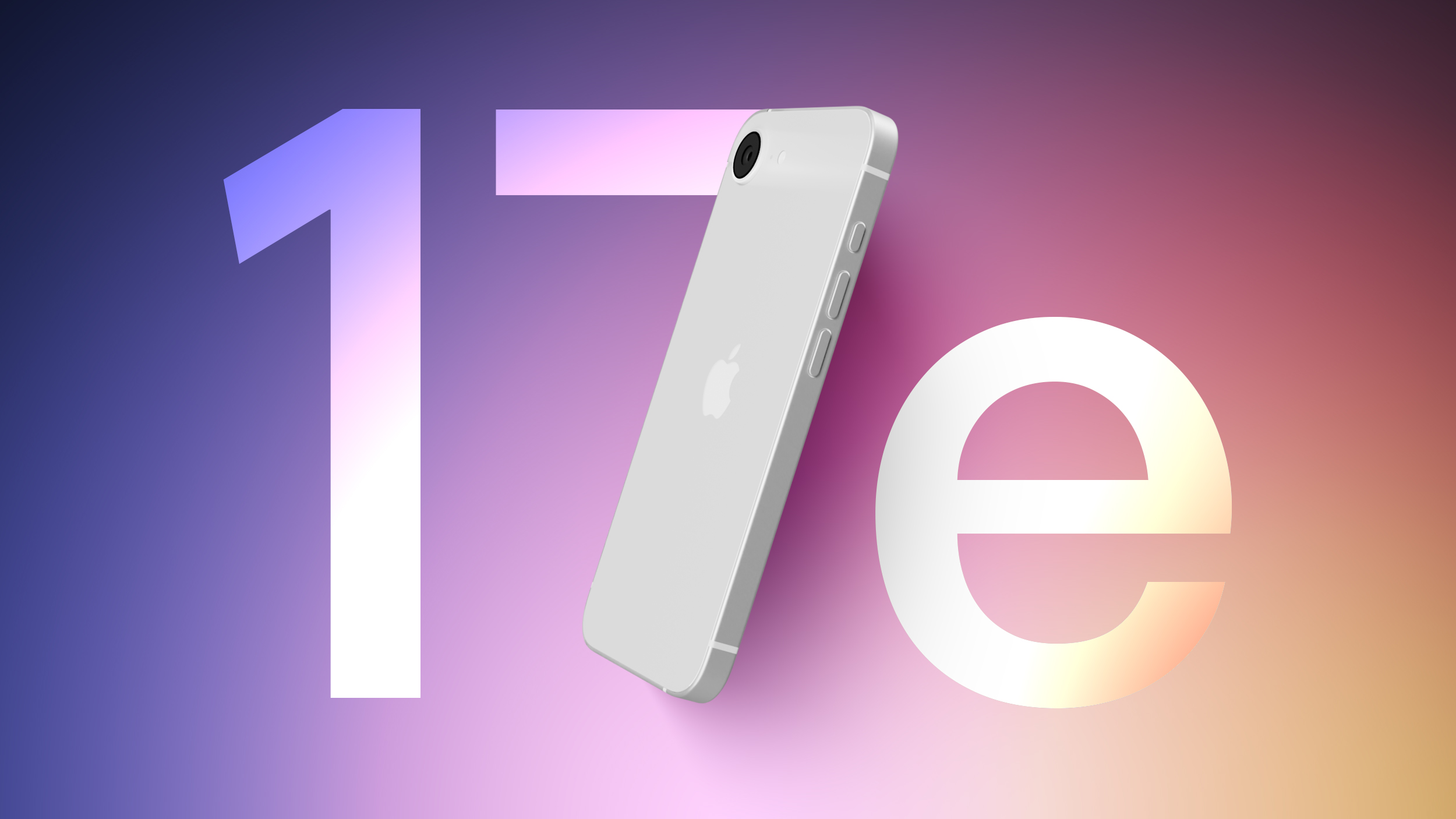
This news offers a fascinating glimpse into Apple's strategy for its entry-level "e" series, a line designed to deliver value without compromising on the quality and feel that users expect from an iPhone. Let's break down what these latest rumors mean for the future of Apple's most accessible smartphone.
A Familiar Screen Gets a Modern Makeover
The core of the new report, which cites sources deep within Apple's supply chain, is that the iPhone 17e will feature a refreshed look thanks to thinner bezels. For those unfamiliar with the term, "bezels" are the borders that frame the display. Over the years, a key trend in smartphone design has been the reduction of these bezels to create a more immersive, "all-screen" experience. Thinner bezels make a phone look more modern and premium, and they can make the display feel larger and more engaging, even if the actual screen size remains the same.
What's particularly interesting is how Apple plans to achieve this sleeker design. Rather than commissioning an entirely new and expensive display panel, the company will reportedly reuse the proven and cost-effective OLED panel from the iPhone 14 and, by extension, the current iPhone 16e. This might sound counterintuitive—how can you change the border size without changing the screen itself?
The answer lies in engineering and manufacturing. The size of a phone's bezels is not solely determined by the display panel. It is also a product of how the screen is integrated into the phone's chassis and the design of the surrounding frame. By refining the internal layout and redesigning the metal frame that holds the device together, Apple can fit the same screen into a slightly more compact and efficient body, thereby shrinking the visible borders. This is a clever, cost-conscious approach. It allows Apple to deliver a tangible aesthetic improvement—one that customers will immediately notice and appreciate—without incurring the significant costs associated with developing, testing, and mass-producing a brand-new display component. This strategy is essential for keeping the "e" model's price tag accessible.
The report also notes that the Chinese display manufacturer BOE will once again be the primary supplier for these panels, with industry giants Samsung Display and LG Display filling the remaining orders. This multi-supplier approach is standard practice for Apple, as it ensures a stable supply chain, promotes competition among suppliers, and helps keep component costs in check.
The Dynamic Island Debate: Why It's Unlikely for the 17e
While the news of slimmer bezels is an exciting and highly plausible development, it stands in contrast to other, more ambitious rumors that have been circulating. Back in August, a Weibo-based leaker known as Digital Chat Station claimed the iPhone 17e would receive a major upgrade package, including the Dynamic Island and a next-generation A19 chip. The current iPhone 16e features the classic "notch" at the top of its display—a design that debuted with the iPhone X and houses the TrueDepth camera system for Face ID. The Dynamic Island, introduced on the iPhone 14 Pro models, is Apple's more advanced and interactive replacement for the notch.
However, the latest report from The Elec makes no mention of the Dynamic Island for the 17e, and a closer look at Apple's product strategy suggests that keeping the notch is the more logical path. Implementing the Dynamic Island is far more complex than simply changing the shape of the cutout. It represents a fundamental re-engineering of the display and the front-facing sensor array.
Here's why adding the Dynamic Island would be a major—and costly—undertaking:
- New Display Technology: The pill-shaped cutout for the Dynamic Island requires a display panel with a completely different design and manufacturing process than a notch-based screen. The underlying pixels, sensors, and camera modules must be precisely integrated.
- Reworked TrueDepth System: To fit within the smaller pill shape, Apple had to shrink and redesign the components of its TrueDepth camera system. This includes the infrared camera, flood illuminator, and dot projector used for Face ID. -
- Increased Manufacturing Costs: Adopting this new hardware would require new tooling on the assembly lines and scrapping the production efficiencies Apple has gained from using the mature, notch-based iPhone 14 panel. This would directly contradict the cost-saving philosophy that defines the "e" series.
Furthermore, the Dynamic Island has become a key differentiating feature between Apple's standard and Pro-tier iPhones. By reserving this premium feature for its more expensive models, Apple creates a clear incentive for customers to upgrade. Bringing it to the budget-friendly 17e would dilute that strategy. Therefore, retaining the notch not only helps keep the price down but also maintains a clear and important distinction within the overall iPhone lineup. The move to slimmer bezels offers a way to modernize the design without cannibalizing the appeal of the flagship iPhone 17 models.
What to Expect from the iPhone 17e's Display Quality
Beyond the bezels and the notch, the report reinforces what we can expect from the iPhone 17e's screen performance. It is set to retain a 6.1-inch OLED display with a 60Hz refresh rate. While some may be disappointed by the lack of a higher refresh rate, it's another decision rooted in practicality and cost.
Let's quickly break down the technology. Apple's high-end iPhones feature "ProMotion" displays, which offer a variable refresh rate that can go as high as 120Hz. A higher refresh rate makes everything on the screen, from scrolling through web pages to playing games, feel incredibly smooth and responsive. This technology, however, relies on a more advanced and expensive type of screen panel known as LTPO (low-temperature polycrystalline oxide).
The iPhone 16e and the upcoming 17e, on the other hand, use a different technology called LTPS (low-temperature polycrystalline silicon). LTPS panels are highly reliable and offer excellent color and contrast, but they are generally not capable of the variable refresh rates that LTPO enables. The primary supplier for the 17e, BOE, has mastered the production of LTPS panels at the massive scale Apple requires. While they are developing LTPO capabilities, they have not yet reached the point where they can reliably produce them in the vast quantities needed for Apple's Pro lineup. By sticking with a 60Hz LTPS panel for the 17e, Apple is playing to its supplier's strengths and ensuring a steady, affordable supply of high-quality displays.
For the vast majority of users, a 60Hz OLED display is more than sufficient. It provides the deep blacks, vibrant colors, and excellent contrast that OLED technology is known for, delivering a fantastic viewing experience for photos, videos, and everyday use. It's another example of Apple making a smart trade-off to keep the iPhone 17e an attractive value proposition.
Launch Timeline and Final Thoughts
The final piece of the puzzle is the launch date. The report from The Elec aligns with a growing consensus among top Apple analysts. Respected sources like Ming-Chi Kuo and Bloomberg's Mark Gurman have all indicated that the iPhone 17e is on track for a launch in early 2026.
Putting it all together, the iPhone 17e is shaping up to be a thoughtful and strategic update. It isn't trying to be a revolution in smartphone technology. Instead, it's a refinement of a successful formula. By focusing on a key aesthetic improvement—slimmer bezels—Apple can give the device a fresh, modern appeal. Simultaneously, by reusing core components like the display panel and sticking with the familiar notch, the company can effectively manage production costs and maintain clear product segmentation.
The iPhone 17e is poised to be the ideal device for a large segment of the market: customers upgrading from older iPhones who want a taste of modern design without the premium price tag, or anyone looking for a powerful, reliable, and stylish smartphone that delivers the seamless Apple experience at a more accessible price point.
This article, "iPhone 17e to Use Same OLED Panel But Feature Slimmer Bezels" first appeared on MacRumors.com
Discuss this article in our forums
from MacRumors
-via DynaSage
