
Apple Launches Tap to Pay on iPhone in Singapore
Apple's Tap to Pay on iPhone Arrives in Singapore: A Game-Changer for Local Businesses
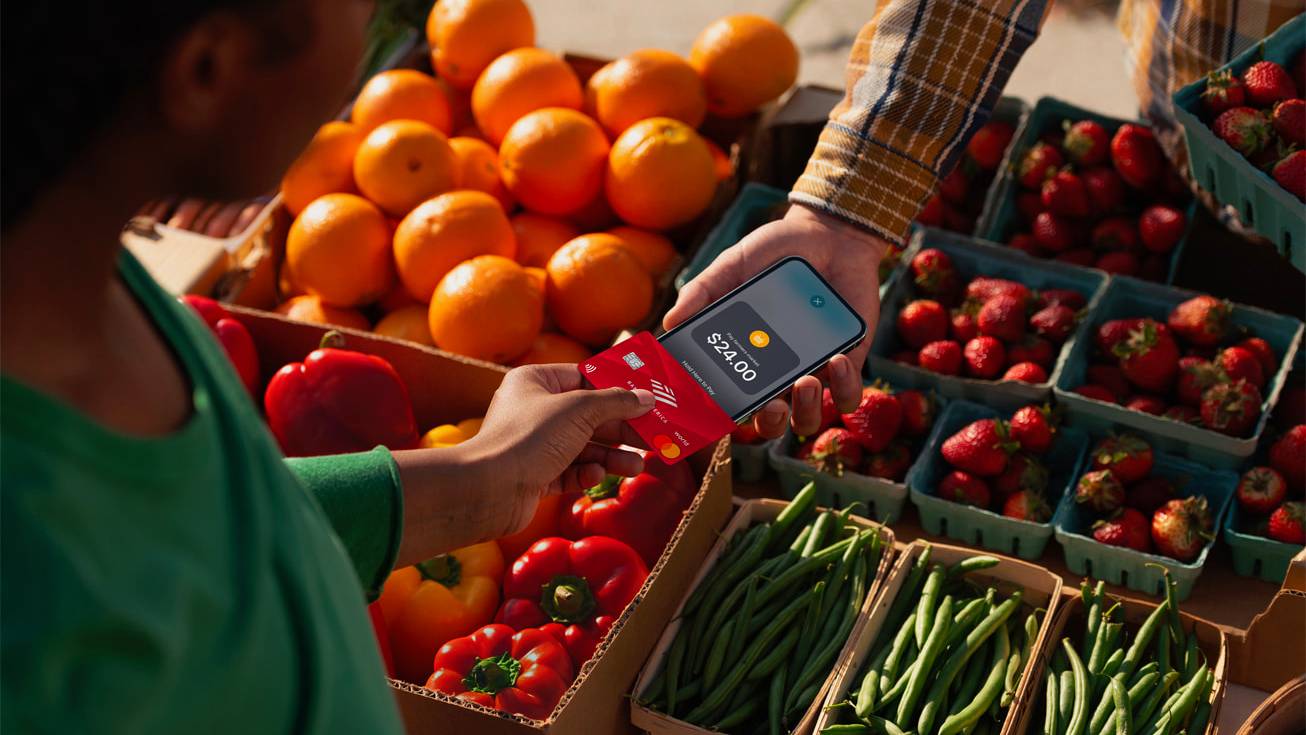
In a significant move for Singapore's vibrant and fast-paced commercial landscape, Apple has officially announced the launch of Tap to Pay on iPhone. This innovative feature transforms a standard iPhone into a fully functional, secure, and portable contactless payment terminal. The arrival of this technology promises to empower a wide array of businesses—from the bustling hawker stalls and independent coffee shops to established retail giants—by providing a seamless and cost-effective way to accept payments directly on their iPhones, with no additional hardware required.
For years, accepting card payments meant investing in clunky, often expensive, payment terminals or dongles. This created a barrier for many small business owners, freelancers, and pop-up vendors. With Tap to Pay on iPhone, that barrier is effectively removed. Now, any merchant with an iPhone XS or a newer model can accept a wide range of contactless payments, including Apple Pay, major credit and debit cards, and other popular digital wallets. This launch not only simplifies transactions but also aligns perfectly with Singapore's national push towards a more cashless, digitally-driven economy.
What Exactly is Tap to Pay on iPhone?
At its core, Tap to Pay on iPhone is a software feature that leverages the built-in technology of the device to create a powerful point-of-sale system. First introduced in the United States back in February 2022, this feature has been gradually rolling out across the globe, and its arrival in Singapore marks a major milestone for the region's merchants.
The magic behind the technology is Near Field Communication (NFC), the same system that powers Apple Pay and other contactless payment methods. Every modern iPhone is equipped with an NFC chip that can securely communicate with other NFC-enabled devices, like a contactless credit card or another smartphone. Before Tap to Pay, this chip was primarily used for making payments (outbound transactions). Apple has now unlocked its capability to also receive payments (inbound transactions), effectively turning the iPhone into a two-way payment device.
What makes this so revolutionary is the elimination of external hardware. Traditionally, a business would need to lease or purchase a card reader from a bank or payment provider. These devices often come with monthly fees, complex setup processes, and the inconvenience of carrying, charging, and maintaining another piece of equipment. Tap to Pay on iPhone bypasses all of that. The payment terminal is the iPhone itself, an elegant and powerful solution that millions of people already carry in their pockets.
A Revolution for Singapore's Diverse Business Landscape
The beauty of Tap to Pay on iPhone lies in its versatility. It's not just a tool for one type of business; its simplicity and accessibility make it a valuable asset for a wide spectrum of merchants across Singapore. Let's explore who stands to benefit the most from this new technology.
Empowering Small and Medium Enterprises (SMEs)
SMEs are the backbone of Singapore's economy, and this technology is tailor-made for them. Consider the following scenarios:
- Hawker Centres and Food Stalls: A hawker stall owner can now easily accept a card payment for a plate of chicken rice or a cup of kopi, right from their iPhone. This reduces the need to handle cash, speeds up queues during peak lunch hours, and caters to a growing number of customers who prefer to pay digitally.
- Pop-Up Shops and Market Vendors: For businesses that operate at weekend markets, bazaars, or temporary pop-up locations, carrying a traditional payment terminal can be cumbersome. Tap to Pay allows these entrepreneurs to set up shop anywhere and start accepting payments instantly, providing a professional and convenient checkout experience for their customers.
- Independent Cafes and Bakeries: Small cafes can use this feature to "queue bust" by having staff take orders and payments from customers waiting in line, or they can use it as their primary payment system to save counter space and reduce hardware costs.
Streamlining Operations for Larger Retailers
While the benefits for small businesses are obvious, larger retailers can also leverage Tap to Pay to enhance their operations and customer experience. For a large department store or electronics retailer, this feature can be a powerful tool for improving efficiency.
- On-the-Floor Checkouts: Instead of directing customers to a central cashier, sales associates equipped with iPhones can complete transactions anywhere on the sales floor. This personalizes the shopping experience, reduces wait times, and can lead to increased sales.
- Events and Off-site Sales: When hosting a warehouse sale, a product launch event, or an exhibition, retailers can easily deploy their staff with iPhones to handle payments without the logistical nightmare of setting up multiple traditional terminals.
- A Reliable Backup System: If a store's primary point-of-sale system goes down, Tap to Pay on iPhone can serve as an immediate and reliable backup, ensuring that business can continue without interruption.
A Boost for the Gig Economy and Service Professionals
The gig economy in Singapore is thriving, with countless freelancers, consultants, and independent service providers. Tap to Pay offers them a simple and professional way to get paid on the spot.
- Personal Trainers and Fitness Instructors: After a session at the park or a client's home, a personal trainer can accept payment immediately, eliminating the hassle of invoices and follow-up reminders.
- Tutors and Music Teachers: Home tutors can easily collect fees at the end of a lesson without needing to handle cash or rely on bank transfers.
- Creative Freelancers: Photographers, designers, and event planners can take deposits or final payments from clients right after a meeting or a project milestone, improving their cash flow and professionalism.
How Does It Work? A Simple Step-by-Step Guide
Apple has designed Tap to Pay on iPhone to be incredibly intuitive for both the merchant and the customer. The entire process is seamless, secure, and completed in just a few seconds.
For the Merchant (The Seller)
Getting started as a merchant is straightforward. Here’s what you need to do:
- Choose a Supported App: Tap to Pay on iPhone works through apps created by payment processing partners. In Singapore, the initial partners include Adyen, Fiuu, HitPay, Revolut, Stripe, and Zoho. You'll need to download one of their iOS apps and sign up for a merchant account.
- Enter the Sale Amount: Once your account is set up, accepting a payment is as simple as opening the app, entering the total amount for the purchase, and tapping the "charge" button.
- Present Your iPhone: The app will then display the universal contactless payment symbol, indicating it's ready to accept a payment. All you have to do is present your iPhone to the customer.
- Payment Complete: The customer then taps their contactless card, iPhone, or Apple Watch to your iPhone. You’ll hear a chime and see a checkmark on the screen, confirming that the transaction was successful. That's it!
For the Customer (The Buyer)
For the customer, the experience is identical to using any standard contactless payment terminal found in stores today. There's no learning curve. They simply hold their payment device near the merchant's iPhone.
- Using a Contactless Card: The customer can tap their Visa, Mastercard, or American Express credit or debit card near the top of the merchant's iPhone, over the contactless symbol.
- Using Apple Pay: A customer with an iPhone or Apple Watch can simply hold their device near the merchant's iPhone to complete the payment with Apple Pay.
- Using Other Digital Wallets: The system also accepts payments from other NFC-enabled digital wallets, such as Google Pay or Samsung Pay, on other smartphones.
For transactions that exceed Singapore's contactless payment limit, the feature securely supports PIN entry. The customer will be prompted to enter their PIN directly on the merchant's iPhone screen, which includes accessibility options to assist users with visual impairments.
Security and Privacy: The Uncompromising Apple Standard
In any financial transaction, security and privacy are paramount. Apple has built Tap to Pay on iPhone on the same foundation of security and privacy that underpins Apple Pay, making it one of the most secure ways to process payments.
All transactions are fully encrypted. When a customer taps their card or device, the payment information is protected using the Secure Element, a dedicated, certified chip embedded in the iPhone that is designed to keep sensitive data safely locked away. This means that the customer's card numbers are never stored on the merchant's device or on Apple's servers.
Crucially, Apple maintains its strong stance on user privacy. Apple has no information about the transaction—it doesn't know what was purchased, who the buyer was, or for how much. The entire transaction is a private matter between the merchant, the customer, and their respective banks and payment processors. This commitment to privacy provides peace of mind for everyone involved in the transaction.
Getting Started in Singapore: Key Partners and Requirements
To use Tap to Pay on iPhone, merchants in Singapore will need two things: a compatible iPhone and an account with a supported payment platform.
Hardware Requirement: The feature is available on iPhone XS or any newer model (including all iPhone 11, 12, 13, 14, 15, and SE models from the 2nd generation onwards). The device must be running the latest version of iOS to ensure all security and feature updates are in place.
Payment Partners: Apple has launched in Singapore with a strong lineup of established payment platforms, giving businesses a variety of choices:
- Stripe: A global leader in online payment processing, ideal for businesses of all sizes, from startups to large enterprises.
- Adyen: A financial technology platform that provides end-to-end payments, data, and financial management in a single solution.
- Revolut: A popular financial super-app that offers banking, payment, and trading services, now expanding its merchant tools.
- HitPay, Fiuu, and Zoho: These platforms offer tailored payment solutions for SMEs and specific business needs in the region.
Furthermore, Apple has announced that Grab, the Southeast Asian super-app, will begin offering Tap to Pay on iPhone to its network of driver and merchant partners early next year. This is a massive development that could see the technology adopted by thousands of Grab drivers and food merchants, further cementing its place in Singapore's digital payment ecosystem.
The Bigger Picture: A Global Trend Comes to Singapore
The launch in Singapore is part of a deliberate and successful global expansion strategy by Apple. The feature is now available in over 50 countries and regions around the world, a testament to its universal appeal and utility. Merchants and developers can check the full list of supported regions on Apple's official developer website.
This move positions Apple as a direct competitor to established players in the mobile point-of-sale market, such as Square (now Block). By integrating payment acceptance directly into the iPhone's operating system, Apple is leveraging its massive hardware and software ecosystem to create a seamless, secure, and highly compelling product for merchants. This is more than just a new feature; it's a fundamental shift in how payments can be accepted, making commerce more accessible and mobile than ever before.
Conclusion: A New Era of Commerce for Singapore
The arrival of Tap to Pay on iPhone in Singapore is more than just a technological update; it's an enabler of commerce and an empowering tool for entrepreneurs. It lowers the barrier to entry for accepting digital payments, enhances customer experience, and streamlines operations for businesses of all sizes. By turning the ubiquitous iPhone into a secure payment terminal, Apple is placing a powerful financial tool directly into the hands of millions.
For a nation that has always been at the forefront of technological adoption, this is a natural and exciting evolution. As more businesses, from the neighborhood prata shop to the luxury boutique on Orchard Road, begin to adopt this technology, we can expect to see a more dynamic, efficient, and truly cashless commercial environment flourish across the island.
This article, "Apple Launches Tap to Pay on iPhone in Singapore" first appeared on MacRumors.com
Discuss this article in our forums
from MacRumors
-via DynaSage
