
HomeView Code Suggests Future Support for AI Chatbot Apps, Anti-Spoofing Protection
Code discovered in the iOS 27.3 beta indicates that Apple is laying early groundwork to support third-party Apple HomeView chatbot apps alongside enhanced anti-spoofing security protections on its upcoming smart display. Scheduled to officially launch on November 13 for $299, the new hardware combines personal widget dashboards, multi-user facial recognition, Siri AI integration, and comprehensive home automation controls into a single dedicated hub.
As the official release date approaches, code sleuths and developers are examining preliminary system updates to uncover unannounced software features. The latest findings from pre-release system builds suggest that Apple is designing deep underlying infrastructure for artificial intelligence tools and advanced device security.
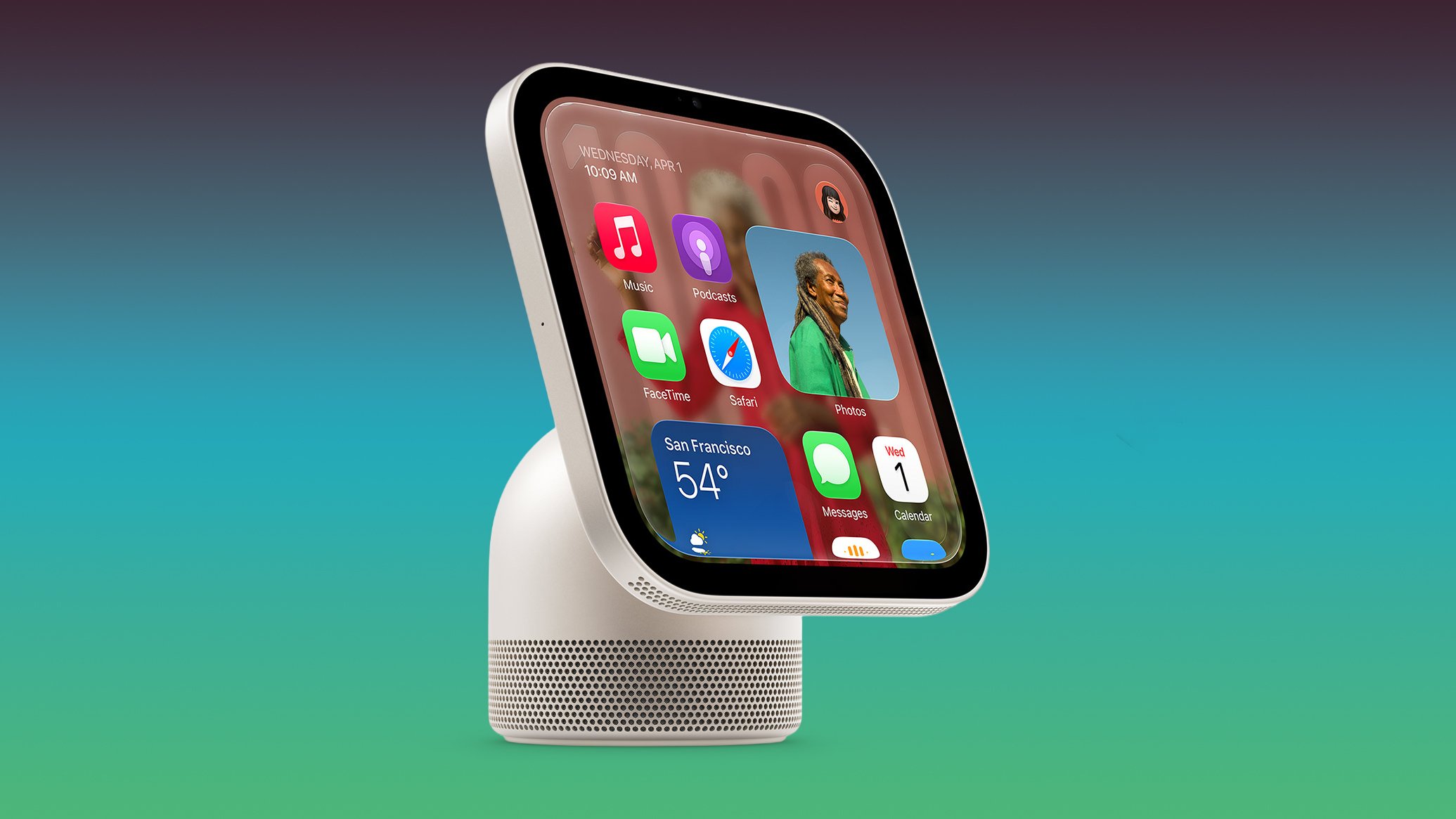
The upcoming display is engineered to bring personal messaging, calendar entries, streaming media, and live home security feeds directly to your countertop or wall. However, recent code additions discovered inside the iOS 27.3 beta reveal that system capabilities may expand significantly beyond what was detailed in initial announcements.
From potential third-party conversational tools to multi-tiered security protocols against facial recognition spoofing, pre-release system code provides an exciting glimpse into the platform's future. Here is a comprehensive look at what recent code discoveries reveal, alongside a detailed breakdown of all confirmed launch features for the Apple HomeView smart home hub.
What Did Code Discoveries Reveal About Apple HomeView Chatbot Apps?
The main discovery comes from code investigator pdfu, who identified new framework additions inside the iOS 27.3 beta release. According to the investigation, Apple is constructing internal system pathways to support interactive assistant services directly on the smart display.
The software mechanism tasked with displaying and managing applications mirrored from a connected iPhone or iPad has been updated with a new classification. System files now feature a dedicated Conversational Apps category within the updated software framework.
This software addition involves more than just a surface-level category label. The beta code includes structural preparations for real-time interaction management, including two-way audio routing, active session handling, and voice interruption management. These features are essential for establishing fluid, multi-turn voice conversations with artificial intelligence software.
Despite these additions in the codebase, investigator pdfu points out that the underlying functionality is "still not fully wired up." This means that while Apple engineers are actively building the necessary code architecture, the feature is not active or functional in the current public beta build.
Apple has not formally announced chatbot support for the smart display. Additionally, the underlying code does not specify which third-party applications might utilize the category or when the capability might launch. As a result, integration with external platforms like ChatGPT, Claude, or other generative AI tools remains unconfirmed.
This finding builds upon previous clues uncovered in pre-release firmware. The investigator suggested on Sunday that conversational software capabilities could follow down the road, pointing to an unused software flag found inside early system files.
If these framework preparations are fully enabled in future software updates, they could allow users to communicate naturally with third-party AI assistants right from their display. This would significantly expand the device's capabilities beyond basic Siri AI commands and media playback.
How Does Anti-Spoofing Security Work on the Apple HomeView Smart Home Hub?
In addition to conversational app framework preparations, code analysis uncovered important security features designed to protect user privacy. Investigator pdfu discovered that the software incorporates built-in anti-spoofing protection to guard against unauthorized access via facial recognition manipulation.
Because the device uses facial recognition to automatically pull up personal user profiles, preventing spoofing attempts—such as holding up a photo or video of an enrolled user—is critical. Under the newly discovered security rules, the software tracks failed or suspicious authentication events.
If the system detects three spoof attempts for a specific profile, access to sensitive personal data is locked down immediately. To regain access and view personal content on the screen, the user must authenticate directly on a paired iPhone. This protection feature is enabled in HomeView software version 27.2.
Furthermore, code inspection revealed that Apple is developing an advanced lockout cooldown system. This safety mechanism works similarly to the progressive passcode lockout penalty timers found on the iPhone when incorrect passcodes are entered repeatedly.
The code outlines a clear progression of escalating waiting periods when authentication fails multiple times in succession. If a user profile gets locked out, subsequent authentication attempts enforce mandatory cooldown delays:
- First Lockout Event: The temporary lockout status can be cleared immediately by the user without any required waiting period.
- Second Lockout Event: The system enforces a mandatory one-hour cooldown wait before authentication can be attempted again.
- Third Lockout Event: The enforced delay escalates to a four-hour wait period before the user can try logging in.
- Fourth (and Further) Lockout Events: The security system imposes a maximum eight-hour wait period for any additional failed attempts.
According to details shared by pdfu, these extended lockout cooldown periods remain under active development. In current test software, any active lockout state can still be cleared instantly by authenticating with a connected iPhone.
Apple has not detailed these anti-spoofing protections or progressive lockout cooldown timers in any of its public marketing materials, making these developer code findings the first confirmation of their existence.
What Features and Specs Are Confirmed for the Apple HomeView Launch?
The official consumer launch for the Apple HomeView smart home hub takes place on November 13, with a retail price set at $299. Apple is releasing the hardware in two separate form factors to fit different rooms: a tabletop model equipped with an integrated speaker base, and a wall-mounted version.
Both models feature a crisp 7-inch Liquid Retina display that serves as the central visual interface for widget dashboards, video calls, smart home accessory management, and security feeds. Here is an overview of what Apple has announced for the platform so far:
- Hardware Form Factors: 7-inch Liquid Retina display offered in both a desktop design with a dedicated speaker base and a wall-mountable version.
- Multi-User Facial Recognition: Supports face recognition for up to six enrolled users, presenting each person with a personalized Home Screen containing their widgets and apps.
- Siri AI Integration: Provides continuous Siri AI interaction, allowing conversational threads to continue in the Siri app across other paired Apple devices.
- Privacy-Protected Personal Content: Personal data from Messages, FaceTime, Calendar, Reminders, and Find My appears only when the enrolled user is recognized while their paired iPhone or iPad is nearby and recently unlocked.
- Customizable Screen Faces: Includes interactive display styles such as Photos, Flow, Snoopy, Home Modular, and Home Camera.
- Media and Audio Playback: Built-in support for Apple Music, Podcasts, News, Apple TV, alongside compatible third-party audio and video applications.
- Ecosystem Connectivity: Supports Handoff from iPhone, plus synchronized multiroom audio playback with HomePod, HomePod mini, and AirPlay speakers.
- Communication Tools: FaceTime with Center Stage camera tracking, voice or touch keyboard Messages, and household Intercom broadcasts.
- Kitchen Assistance: Step-by-step recipes retrieved from the web with hands-free cooking timers.
- Smart Home Management: Comprehensive smart home controls, including a Home Camera face capable of displaying up to nine live camera feeds simultaneously.
- iCloud+ Security Analytics: Advanced recognition of people, pets, packages, and vehicles from compatible cameras when paired with a supported iCloud+ subscription.
- Hazard Sound Monitoring: Built-in sound detection for active smoke and carbon monoxide alarm warnings.
- Standard Accessory Compatibility: Works natively with Apple Home Collection accessories, third-party "Works with Apple Home" products, and Matter accessories.
Personalization, Media Streaming, and How Third-Party Apps Work
Personalization is a major focal point for the new platform. With face recognition supporting up to six unique profiles, every member of the family gets tailored access to their personal routines, schedule updates, and preferred app widgets as soon as they step in front of the screen.
To safeguard individual privacy in shared living spaces, sensitive personal information is strictly controlled. Data from Messages, FaceTime, Calendar, Reminders, and Find My will not show on screen unless the identified user's iPhone or iPad is nearby and has been unlocked recently.
When it comes to application delivery, the device uses a unique software approach. The hardware does not feature an onboard, standalone App Store. Instead, as we reported last month, the system streams third-party audio and video applications directly from a connected iPhone or iPad using a CarPlay-style interface framework.
For entertainment, users can stream content across Apple Music, Apple Podcasts, Apple News, and Apple TV, or mirror media from supported third-party apps. Seamless Handoff integration makes it effortless to shift active audio streams from your iPhone directly to the display when entering a room.
Communication features are integrated directly into the core user experience. FaceTime video calls take full advantage of Center Stage to keep speakers automatically centered in the frame, while Messages can be drafted via dictation or on-screen typing. The built-in Intercom feature makes it easy to broadcast quick voice messages to other Apple devices around the house.
Smart Home Security, Camera Feeds, and Environmental Alerts
Designed to sit at the center of your home, the display offers deep home automation and security management. The Home Camera screen face lets homeowners view up to nine live security camera feeds at the same time, offering complete situational awareness across your property.
When combined with a supported iCloud+ subscription, the camera system provides active intelligence. It can process live video feeds to identify and notify users about detected people, pets, delivered packages, and incoming vehicles.
In addition to visual surveillance, safety detection is built directly into the device's microphone software. The display continuously monitors ambient room audio for the distinct alarm sounds produced by smoke detectors and carbon monoxide detectors, sending alerts when safety hazards are identified.
Hardware compatibility is exceptionally broad. The smart display operates seamlessly with Apple Home Collection products, accessories tagged with the Works with Apple Home logo, and universal Matter smart home gear, ensuring straightforward integration with existing smart lights, locks, and sensors.
Why Is the Apple HomeView Smart Home Hub Launch Delayed in the European Union?
While shoppers in initial launch countries can purchase the device starting November 13, customers in the European Union will have to wait longer. The smart display will not be available for sale in EU member states on launch day.
This regional launch delay is tied directly to software dependencies surrounding Siri AI. Because Siri AI features are currently unavailable on iOS within European Union countries, the smart display cannot offer its complete suite of advertised features in those markets.
Apple has confirmed that it is actively working alongside European Union regulatory authorities to resolve these regional software compliance hurdles. The company aims to establish a clear path forward to make the smart display available to European buyers as soon as possible.
Related Information and Community Links
To stay updated on the latest news, guides, and discussions surrounding Apple smart home hardware, explore these related links:
Related Roundup: Apple HomeView
Tag: pdfu
Buyer's Guide: HomeView (Buy Now)
Related Forum: HomePod, HomeView, CarPlay - Home & Auto Tech
This article, "HomeView Code Suggests Future Support for AI Chatbot Apps, Anti-Spoofing Protection" first appeared on MacRumors.com.
Discuss this article in our forums.
Final Thoughts on the Apple HomeView Smart Home Hub
With its official release right around the corner on November 13, the Apple HomeView smart home hub represents an exciting expansion of Apple's connected device strategy. Early software code inside the iOS 27.3 beta reveals that Apple is preparing for the future by laying framework foundations for Apple HomeView chatbot apps alongside multi-tiered anti-spoofing security protections. Whether utilized as a kitchen display stand or mounted as a central wall controller, the new $299 display is poised to become a core cornerstone of the modern Apple smart home.
from MacRumors
-via DynaSage
