
Rare Apple-1 With Steve Jobs Letter Sells for $1.15 Million
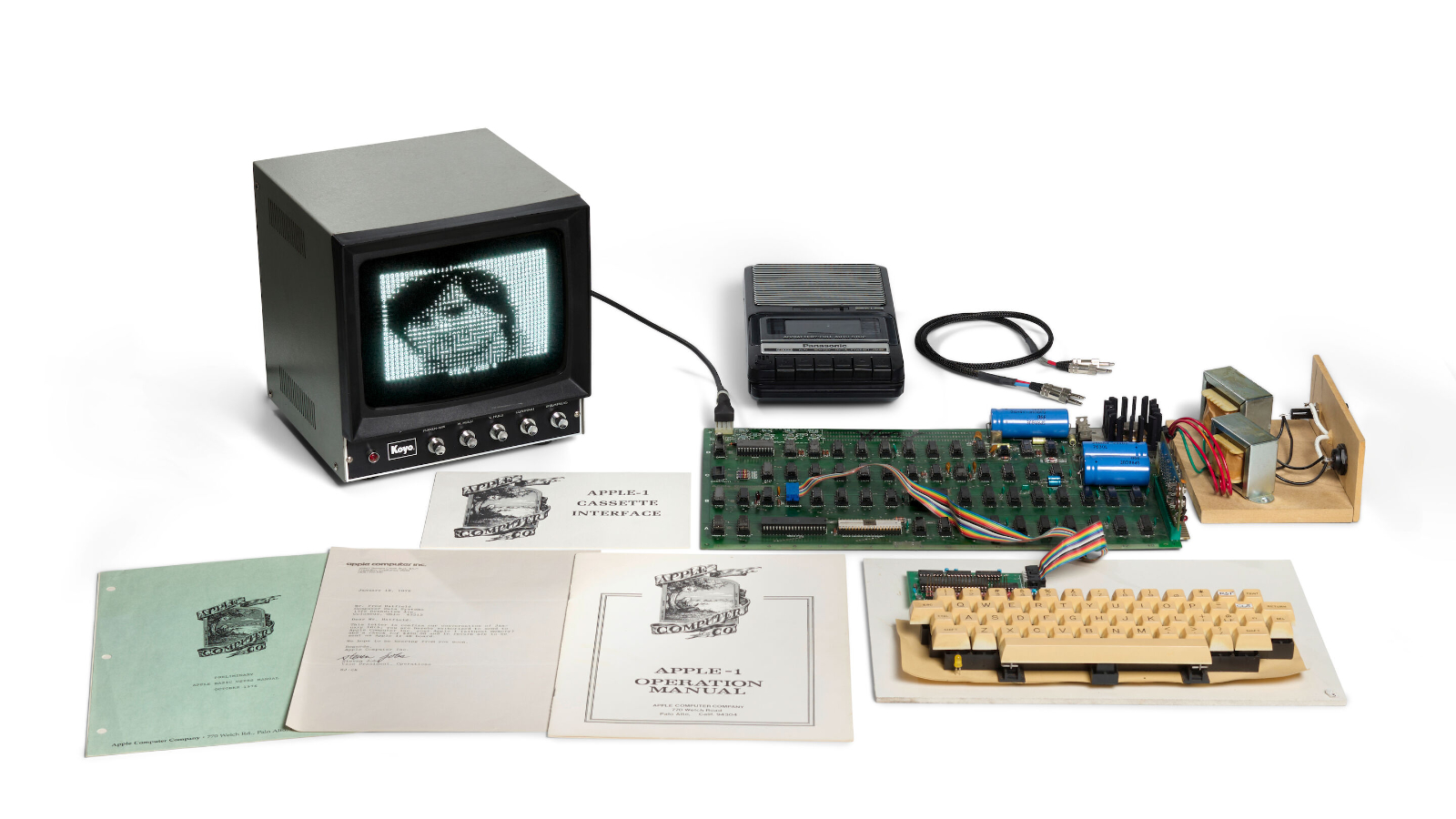
What Made the Hatfield Apple-1 Sell for a Record Price?
The tech world witnessed a monumental event when a fully functioning Hatfield Apple-1 computer hit the auction block. The final price tag reached an astounding $1,148,200, a figure that includes the buyer's premium. This result officially sets a new world record for any commercially sold Apple-1 motherboard in history, as confirmed by official statements from Bonhams.
The high-stakes bidding action took place on October 14, creating intense excitement among collectors and computing enthusiasts alike. The auction reached its dramatic climax after two primary bidders spent 28 minutes competing directly against one another. This fierce back-and-forth pushed the final sale price far beyond its original pre-auction expectations.
Before the bidding began, auction house experts had published a pre-sale estimate range. They anticipated the rare computer board would fetch somewhere between a $500,000 to $800,000 estimate. However, the sheer rarity of the motherboard and its complete historical documentation blew right past those conservative numbers.
To understand why this specific unit commanded over $1.14 million, one must look at the fascinating back story of the unit itself. It is not just an ordinary piece of circuit board; it represents a direct link to the earliest days of Apple Computer Company, complete with personal intervention from company founders Steve Jobs and Steve Wozniak.
Who Was Fred Hatfield and How Did He Acquire the Computer?
The unit takes its famous nickname, the Hatfield Apple-1, directly from its original owner, Fred Hatfield. Hatfield was an early technology enthusiast who purchased the Apple-1 during the initial commercial release of the system in the late 1970s. Like many early microcomputer adopters, he was eager to explore the potential of personal computing.
However, running an early microcomputer in 1976 was far from a modern user-friendly experience. Fred Hatfield quickly ran into significant frustration regarding the distinct lack of software available for the fledgling system. In those early months, users often had to write their own code or manually type in hexadecimal programs line by line.
Unhappy with the limited operational capabilities and lack of pre-written software programs, Hatfield decided to write a letter directly to Apple headquarters to voice his complaints. At the time, Apple was still operating as a young, scrappy company trying to establish itself in the emerging market.
Rather than ignoring customer feedback, Apple co-founder Steve Jobs personally handled the correspondence. Jobs sent a direct written reply in 1978 addressing Hatfield's concerns, attempting to resolve the customer's issues while promoting Apple's newer, far more advanced product.
The Historic 1978 Steve Jobs Letter
Included directly in the auction lot was the actual written letter sent by Steve Jobs to Fred Hatfield in 1978. This historic document provides an intimate look into the customer service strategy and business focus of Apple during its second year of operations.
In the letter, Steve Jobs offered Fred Hatfield a trade-in deal to help him upgrade his hardware. Jobs offered to provide a brand-new Apple II motherboard in direct exchange for the Apple-1 motherboard, provided Hatfield paid another $400 to bridge the price difference between the systems.
At the time, the Apple II represented a massive leap forward in personal computing. It featured color graphics, sound capabilities, built-in BASIC, and an enclosed plastic case, making it infinitely more practical for average consumers than the exposed circuit board of the Apple-1.
Despite the tempting upgrade offer from Steve Jobs himself, Fred Hatfield decided not to accept the trade. He chose to hold onto his original machine instead of sending it back to Apple for destruction or recycling, a decision that eventually paid off decades later.
How Did the Hatfield Apple-1 Reach the Modern Collector Market?
Decades after deciding to keep his computer, Fred Hatfield eventually decided to part ways with the historic system. He sold the machine in a private transaction for $40,000. At the time of that private sale, the machine was non-functional and in urgent need of technical repairs.
The buyer who acquired the system recognized the historical importance of the board and set out to properly restore it. Restoring a vintage computer from 1976 requires immense care, specialized tools, and authentic original components to ensure the board remains period-accurate and operational.
As part of the preservation effort, the new owner also managed to meet Apple co-founder Steve Wozniak. Wozniak, who personally hand-designed and assembled the original Apple-1 boards in 1976, agreed to sign the motherboard, adding an extraordinary level of provenance and collector value to the unit.
With the board restored to full working condition and bearing Steve Wozniak's physical signature, the unit made its first big splash on the public auction block in 2013. The item sparked intense bidding interest and set an auction record in 2013 by selling for an extraordinary sum.
In official historical documentation published alongside the recent event, auction house Bonhams lists that earlier 2013 transaction as reaching approximately $686,000. That sale solidified the machine's reputation as one of the finest surviving examples of the original Apple computer.
Commercial Apple-1 vs. Prototype Apple-1 Auction Values
When discussing vintage computer auctions, it is important to distinguish between commercially released units and experimental prototype boards. While $1,148,200 is the supreme record for a commercially sold Apple-1 unit, unreleased prototypes have fetched even higher figures in rare circumstances.
The distinction lies in how the computers were originally manufactured and distributed back in 1976:
- Commercial Apple-1 Units: These were the units assembled for retail purchase, most notably sold through Paul Terrell's Byte Shop in Mountain View, California. Approximately 200 total units were produced, selling originally for $666.66 each.
- Prototype Apple-1 Boards: These were initial pre-production fiberglass boards hand-soldered by Steve Wozniak to test the design before mass production. Very few prototypes were ever created, making them exceptionally rare artifacts.
The most famous example of an Apple prototype board is known as the "Celebration" board. This unique piece of fiberglass history set massive records of its own when it was brought to market in previous years.
The Celebration board previously sold for $815,000 in 2016, surprising collectors with its high valuation. That record was completely shattered when the same rare prototype sold for $2.75 million in January 2026 at RR Auction.
While prototype boards occupy a distinct league due to their extreme scarcity, the Hatfield motherboard now holds the undisputed top spot for standard commercial units sold to the public.
Key Historical Timeline of the Hatfield Apple-1
To fully appreciate how this piece of circuit board transformed from a $666.66 purchase into a $1.15 million historic asset, consider the full chronological timeline of events surrounding the machine:
- 1976: Fred Hatfield purchases an original Apple-1 computer board directly during Apple's early production run.
- 1978: Dissatisfied with software availability, Hatfield writes to Apple. Steve Jobs replies with an offer to exchange the unit for an Apple II board plus $400 cash. Hatfield declines and keeps the unit.
- Later Years: Hatfield sells the non-working computer board in a private transaction for $40,000.
- Restoration Period: The buyer restores the hardware to full working condition and obtains Steve Wozniak's signature on the motherboard.
- 2013 Auction: The restored, signed board sets an auction record by selling for approximately $686,000.
- October 14 Sale: Two bidders fight for 28 minutes at Bonhams, driving the final price to $1,148,200 and setting a world record for a commercially sold Apple-1.
Why Vintage Apple Hardware Continues to Rise in Value
The astounding price paid for the Hatfield unit reflects a broader trend in the auction world regarding early computing history. Collectors, technology historians, and private museums increasingly view original Apple equipment with the same reverence historically reserved for rare art or historic literary manuscripts.
Several factors contribute directly to the rising market value of vintage Apple computers:
- Extremely Limited Survival Numbers: Out of the original run of approximately 200 Apple-1 units built by Steve Wozniak and Steve Jobs, fewer than 70 are documented to survive today, and even fewer remain operational.
- Direct Connection to Tech Founders: The presence of original paperwork from Steve Jobs and a physical signature from Steve Wozniak dramatically elevates collector interest and verifies authenticity beyond any doubt.
- Cultural Significance of Apple: As Apple grew into one of the most valuable corporations in world history, the machine that started it all became the ultimate symbol of silicon valley innovation.
- Working Operational Status: Fully functional motherboards fetch a significant premium over broken or incomplete boards, as operational units allow historians to demonstrate real hardware functions.
The combination of these key attributes made the Hatfield unit an unbeatable candidate for a world record price tag when it hit the market at Bonhams.
Final Summary of the Record-Breaking Auction
The sale of the Hatfield Apple-1 for $1,148,200 marks a historic milestone in the world of technology collecting and vintage computer preservation. Backed by a original letter from Steve Jobs, a signature from Steve Wozniak, and a captivating history of refusal to be traded in, this famous computer board stands out as a true masterwork of computing history.
As interest in preserved technology artifacts continues to grow worldwide, early units like the Hatfield motherboard serve as tangible reminders of the humble garage origins of personal computing. Whether viewed as an investment, a museum piece, or an icon of American innovation, this record-setting machine has secured its place in technology history.
Tags: Apple-1, Steve Jobs
This article, "Rare Apple-1 With Steve Jobs Letter Sells for $1.15 Million" first appeared on MacRumors.com
Discuss this article in our forums
from MacRumors
-via DynaSage
