
First Apple TV 4K Now 'Vintage' Ahead of New Model Coming on Tuesday
Apple has officially added the original first-generation Apple TV 4K from 2017 to its vintage products list, marking an important turning point in the lifecycle of the popular streaming media player. This official status change comes just four days before a new fourth-generation model is expected to debut during an upcoming Apple event.
Why Did Apple Label the First-Generation Apple TV 4K as Vintage?
In a routine update to its hardware service and support guidelines, Apple has officially designated the 2017 first-generation Apple TV 4K as a vintage product. The change was published directly to Apple's official customer support portal, notifying consumers and service providers that the original 4K set-top box has reached a new stage in its product lifecycle.
The precise timing of this update is especially noteworthy for home cinema fans and Apple ecosystem users. Apple updated its official vintage products list exactly four days before the company is anticipated to unveil next-generation streaming hardware.
Reports indicate that a fourth-generation Apple TV 4K will officially be revealed on Tuesday, October 13. This hardware debut is planned as part of Apple's special "Welcome home" launch event, where multiple home automation and smart living products are expected to take center stage.
For existing owners, placing the first-generation Apple TV 4K on the vintage roster represents a formal acknowledgment of the hardware's age. Originally released in late 2017, the streaming box served as Apple's flagship entry into Ultra HD television entertainment for several years.
Despite reaching vintage classification, devices currently in homes will continue to operate normally for daily streaming. However, the designation alters how official hardware repairs and replacement component logistics are handled moving forward.
What Does Vintage Status Mean for Your Streaming Setup?
To fully understand what this shift means for current device owners, it is useful to examine how Apple manages hardware support across its entire product lineup. Apple maintains two specific operational definitions for older hardware: vintage status and obsolete status.
Users interested in learning more about these support policies can review Apple's official documentation on Vintage and Obsolete Apple Products. Under Apple's standard operational definitions, a product is considered vintage when the company stopped distributing it for sale more than five years ago and fewer than seven years ago.
During the vintage phase, hardware service remains accessible through Apple Retail Stores and Authorized Service Providers. However, official repair availability is no longer guaranteed, as repairs are strictly dependent on remaining component stock.
The following key points summarize how Apple handles aging devices as they move through different product support phases:
- Vintage Tier: Devices discontinued between 5 and 7 years ago remain eligible for official hardware repairs only if replacement parts are available in inventory.
- Obsolete Tier: Devices discontinued for more than 7 years lose all hardware service eligibility, meaning Apple technicians can no longer order replacement parts or repair the unit.
- Operating System Updates: Vintage status does not immediately cut off software access, though future tvOS updates may eventually phase out older processors.
- Streaming Service Apps: Popular third-party media applications generally continue functioning on vintage hardware as long as the underlying tvOS software remains supported.
For someone owning a working 2017 first-generation Apple TV 4K, there is no immediate necessity to unplug or throw away the box. It will continue rendering high-definition movies and television shows from top streaming services as usual.
The main practical impact arises if an internal hardware component fails. If power supply or logic board issues occur, an Apple Store may only perform a repair if spare parts remain available in warehouse inventory. Once those replacement parts run out, official repair service options permanently cease.
Looking Back at the 2017 First-Generation Apple TV 4K
When Apple originally launched the first-generation Apple TV 4K back in September 2017, it marked a major technical advancement for the platform. Prior to this model, Apple's living room entertainment hardware was limited to 1080p standard high-definition output.
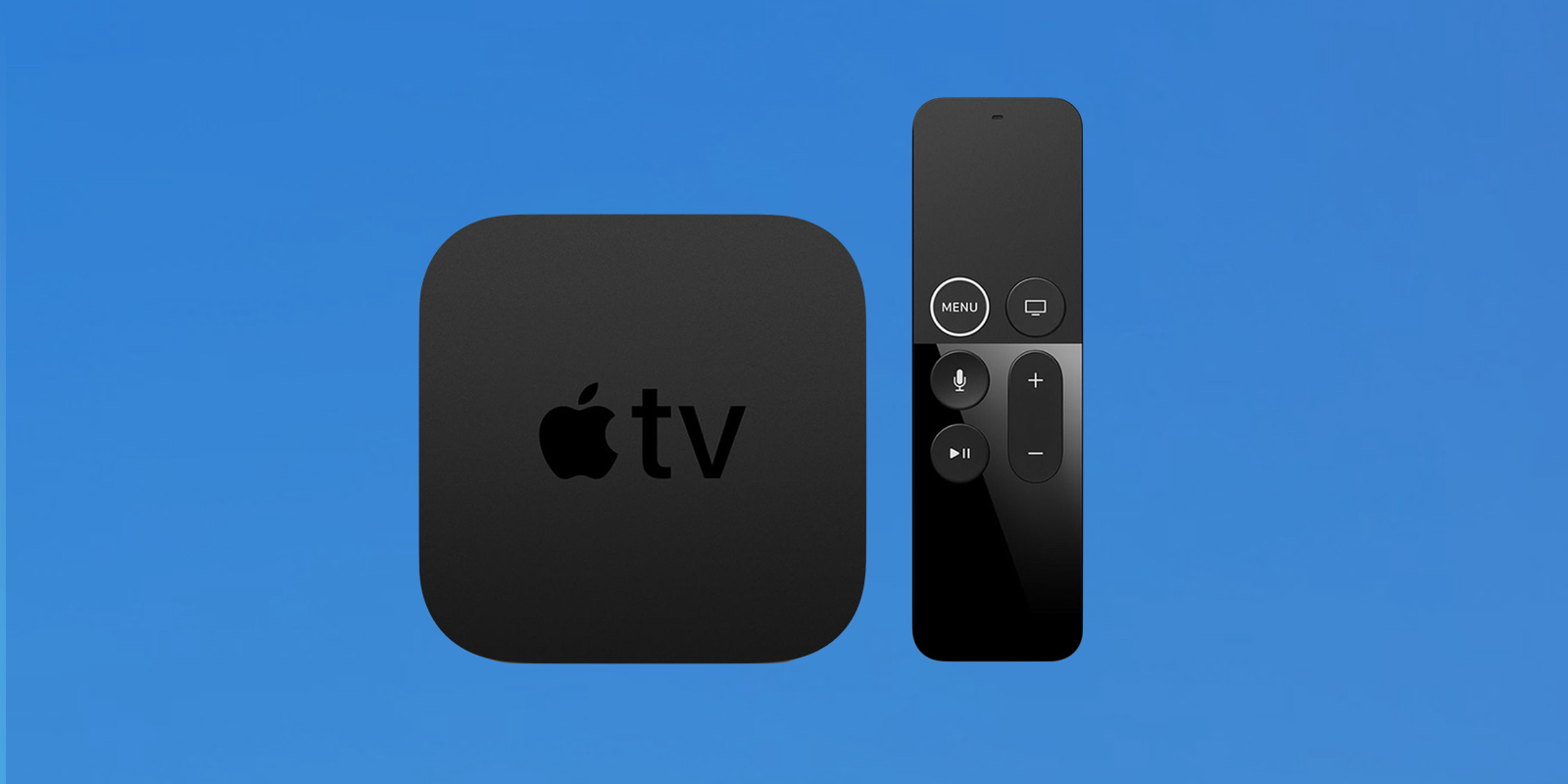
The 2017 model brought full 4K Ultra High Definition resolution to Apple users, alongside dynamic contrast enhancements through HDR10 and Dolby Vision. Powering the experience was the A10X Fusion processor—a chip originally created for the high-performance iPad Pro—giving the streaming box exceptional computing power for its time.
This internal power allowed the first-generation Apple TV 4K to effortlessly process high-bitrate video streams, render responsive interface menus, and run graphic-intensive app store games. The hardware included Gigabit Ethernet, dual-band Wi-Fi, Bluetooth 5.0, and HDMI 2.0a video connectivity.
The box shipped alongside the original Siri Remote featuring a glass touch surface. While some users appreciated the gesture-based scrolling, others found the trackpad sensitive or prone to accidental inputs, leading Apple to eventually redesign the remote in later model generations.
Consumers who are contemplating buying a new streaming media box right now should check out the latest Apple TV (Don't Buy) guide advisory. That buyer's guide currently recommends pausing purchases while updated models are finalized.
Over its active life cycle, the original 2017 streaming hardware received continuous tvOS software upgrades. These updates introduced multi-user profile switching, spatial audio integration with AirPods, HomePod default speaker routing, and expanded smart home control panels.
What to Expect from the Fourth-Generation Apple TV 4K
With the first-generation Apple TV 4K shifting into vintage territory, consumer interest has pivoted toward what Apple plans for its next iteration. The expected announcement during the "Welcome home" launch event on Tuesday, October 13, promises noteworthy upgrades for modern living room setups.
The incoming release will mark the arrival of the fourth-generation Apple TV 4K. Industry analysts expect this model to refine processing capabilities, wireless connectivity, and smart home management capabilities.
Speculation points to a significantly updated system-on-chip, such as an A16 or A17 series processor. A faster processor will allow the fourth-generation Apple TV 4K to run demanding Apple Arcade titles, open apps instantly, and deliver smoother visual animations across the tvOS dashboard.
In addition to raw processing speed, the new model is expected to play a central role in Apple's broader smart home ecosystem strategy. Upgraded networking components are likely to include enhanced Thread mesh protocol connectivity and Matter compatibility, making the device a robust smart home hub.
Here are several key areas where the prospective fourth-generation model is expected to advance beyond earlier hardware iterations:
- Enhanced Processing Speed: A faster system-on-chip that ensures snappy app performance and improved gaming capabilities.
- Modern Wireless Standards: Upgraded Wi-Fi performance for stable 4K streaming without buffering interruptions.
- Integrated Smart Home Support: Native Thread and Matter support for managing connected smart lights, locks, and sensors.
- Refined Audio-Visual Standards: Advanced support for modern surround audio standards and high-frame-rate HDR video encoding.
Should You Upgrade Your First-Generation Apple TV 4K?
Owners of the original 2017 first-generation Apple TV 4K may be evaluating whether now is the right time to purchase a replacement streaming box. While the 2017 model remains surprisingly capable, newer hardware generations offer distinct user experience upgrades.
Subsequent revisions released in 2021 and 2022 introduced faster chipsets, high-frame-rate HDR support, eARC audio output integration, and the redesigned aluminum Siri Remote with a physical direction clickpad. These improvements addressed virtually all major hardware criticisms associated with the original 2017 unit.
Moreover, aging internal hardware components inside 2017 units can gradually encounter thermal stress or wireless connectivity slowdowns after years of continuous operation. Remote batteries can also show reduced hold times over multi-year usage periods.
Upgrading to a modern fourth-generation Apple TV 4K will guarantee future tvOS feature support, faster multi-gigabit network throughput, and seamless integration with complex home cinema systems. Living room setups that utilize modern OLED or Mini-LED televisions will benefit from enhanced video processing capabilities.
Community Resources and Essential Apple TV Links
Navigating hardware updates and understanding ecosystem changes is simpler when leveraging top community resources and official guides. Keeping track of hardware trends helps users upgrade at the most cost-effective times.
For comprehensive feature overviews, model comparisons, and technical specifications, explore the general Apple TV roundup. This comprehensive resource tracks every generation of Apple's streaming platform.
Home theater enthusiasts wanting to compare settings, troubleshoot HDMI eARC configurations, or discuss audio gear can visit the dedicated Apple TV and Home Theater forum section. Community members regularly post advice and setup recommendations.
This reporting was first documented by MacRumors.com, highlighting the continuous evolution of Apple's hardware support index. You can read the original news report titled First Apple TV 4K Now 'Vintage' Ahead of New Model Coming on Tuesday.
We invite you to share your feedback regarding Apple's hardware support decisions. Join the community and Discuss this article on the official forum thread.
Conclusion
Adding the original first-generation Apple TV 4K to the official vintage products list closes a notable chapter in Apple's living room streaming history. As Apple prepares to unveil its fourth-generation Apple TV 4K during the October 13 launch, existing 2017 model owners have a compelling reason to explore the latest technology standards for their home entertainment setups.
from MacRumors
-via DynaSage
