
Apple Signs Hiring and Licensing Deal With AI Podcast Startup Huxe
Apple has reached an agreement to hire team members from the innovative Huxe team and license its intellectual property, according to a recent European Commission regulatory filing. This new Apple Huxe deal grants Apple rights to make job offers to specific talent while non-exclusively licensing advanced personal audio technology.
According to official regulatory documentation, Apple notified European officials regarding this strategic strategic licensing and hiring arrangement. The structure allows Apple to leverage specialized technical skills and software rights without absorbing the business as a complete corporate acquisition.
Understanding this agreement offers unique insight into how major technology platforms secure cutting-edge artificial intelligence capabilities. Below is a comprehensive breakdown of everything disclosed about this deal, the team behind the startup, and how their audio tools functioned.
What Is the Apple Huxe Deal?
The primary detail revealed in the European Commission regulatory filing is that Apple is not buying the entire company. Instead, Apple has entered into a structured agreement that grants two distinct rights.
First, Apple gets the right to extend employment offers to select staff members. Second, Apple receives a non-exclusive license to the startup's intellectual property and software assets.
Because the license is non-exclusive, the startup retains ownership of its core assets while allowing Apple to utilize the underlying technologies. This structure allows tech companies to integrate key talent and technical capabilities rapidly while avoiding standard corporate merger complexities.
By securing these rights, Apple gains access to specialized expertise in audio generation and interactive voice experiences developed by leading engineers in the subfield.
Who Founded the AI Audio Startup Huxe?
To understand why this technology is notable, it helps to look at the founders behind the software. Huxe was launched by Raiza Martin, Jason Spielman, and Stephen Hughes.
All three co-founders were previously core members of Google's NotebookLM project team. NotebookLM, which has since been rebranded as Gemini Notebook, is widely recognized as Google's flagship research assistant tool.
At Google, that team gained widespread attention for developing an AI audio startup capability that transformed written research materials into multi-speaker, conversational podcast discussions.
Drawing on their experience at Google, Martin, Spielman, and Hughes founded Huxe to bring similar conversational voice generation concepts into everyday consumer tools.
How Did Huxe's Interactive AI Audio Technology Work?
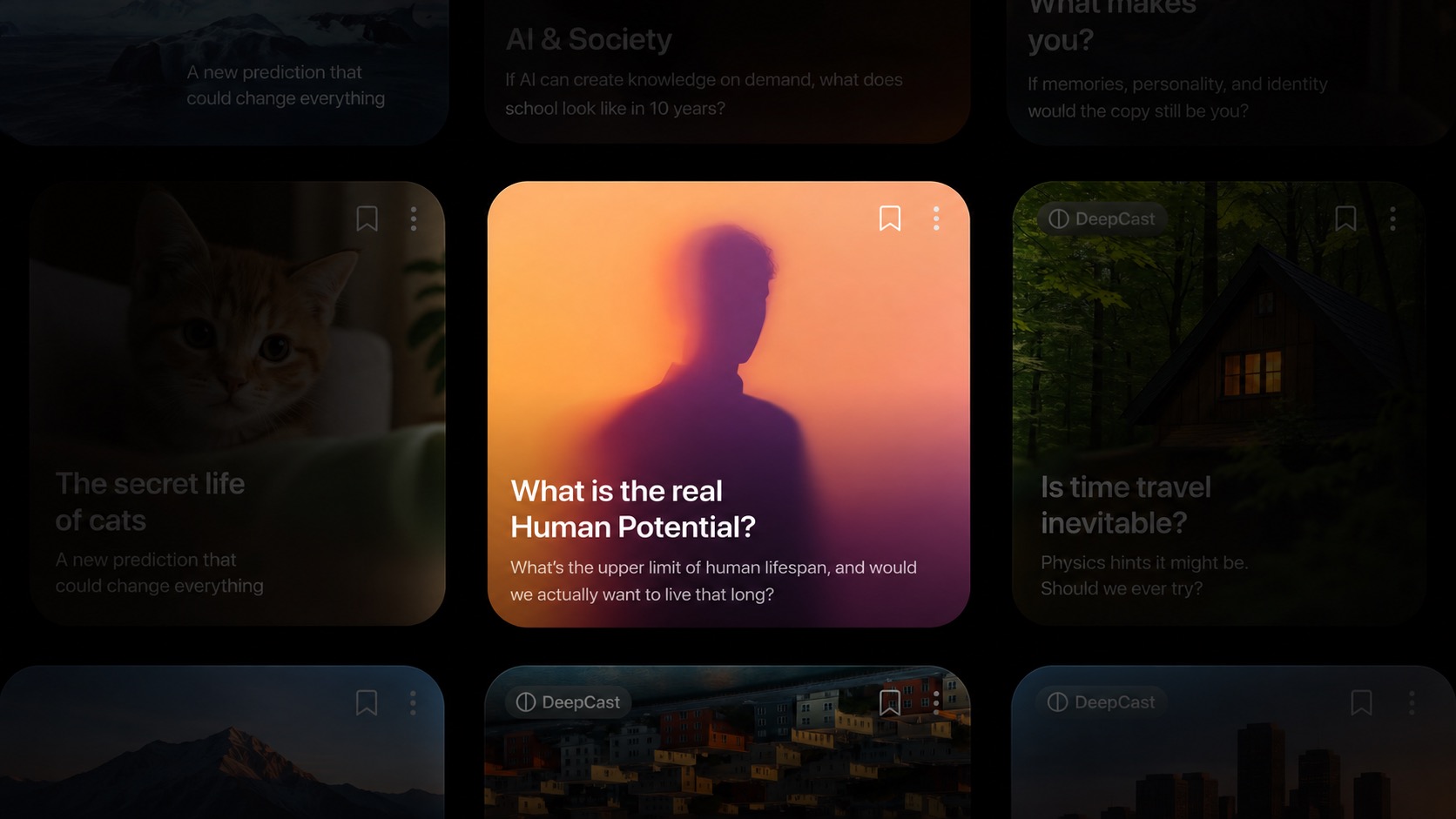
Huxe focused on personalized listening experiences that translated personal data and user interests into custom spoken audio formats. Rather than reading static text on screens, users listened to tailored daily updates.
The service created custom audio briefings by analyzing connected inputs from a user's daily life, including:
- Incoming personal and work email messages
- Upcoming calendar schedules and event appointments
- Explicit user preferences and selected interest areas
- Specific search topics and custom research queries
Beyond simple summaries, the platform produced full podcast-style episodes focused on specific subjects requested by the user. This approach turned everyday personal administrative tasks into engaging, clear spoken-word audio files.
What set the application apart from static voice synthesis was its real-time conversational interactivity. Listeners were not restricted to passive playback while consuming content.
Instead, users could actively interrupt the AI hosts at any moment during playback. Listeners could ask immediate follow-up questions, request deeper detail, or ask the virtual host for a completely simplified explanation of complex terms.
Key Timeline: How the Apple Huxe Licensing Deal Unfolded
The transition from an active software tool to an intellectual property license happened over a period of several weeks. Here is how the timeline unfolded according to public announcements and filings:
- Early May: The startup officially announced in May that it was beginning to wind down operations, concluding active application development, and preparing its engineering team to move on to new opportunities.
- May 28: The consumer-facing audio service officially ceased all operations, ending active streaming access for existing app users.
- June 9: Apple officially notified the European Commission about its formal arrangement to hire select employees and non-exclusively license the technical intellectual property.
- October: Regulatory documentation made details of the Apple Huxe deal accessible to the public.
What Details Remain Unconfirmed in the Regulatory Filing?
While the regulatory paperwork clearly outlines the structural nature of the agreement, several specifics are omitted from the document. The filing does not name the individual employees Apple intends to recruit.
Additionally, the document does not confirm whether any specific job offers have been formally accepted or if hires have officially started at Apple. It simply confirms that Apple holds the legal right to extend those employment offers.
It is also unspecified how Apple plans to integrate the non-exclusive audio rights into its current or future software products. Because the filing focuses on regulatory compliance, specific product implementation plans are naturally absent.
Why Tech Companies Favor Non-Exclusive Licensing Arrangements
In the modern software landscape, licensing IP and hiring key engineers has become a popular alternative to full acquisitions. This strategic approach offers several practical benefits for large technology platforms:
- Speed of Integration: Licensing existing underlying IP enables immediate technical application without lengthy corporate integration processes.
- Targeted Talent Acquisition: Companies can directly target specific engineering teams possessing specialized capabilities, such as real-time audio synthesis.
- Regulatory Efficiency: Non-exclusive licensing structures often face simpler regulatory review processes compared to full platform acquisitions.
This approach highlights how valuable specialized expertise in conversational voice applications and personalized media synthesis has become across the industry.
For more discussion on this news update, read the original report titled "Apple Signs Hiring and Licensing Deal With AI Podcast Startup Huxe" on MacRumors.com, or Discuss this article with the community.
In summary, the Apple Huxe deal highlights Apple's focused interest in top-tier conversational voice and interactive audio engineering talent. By licensing key intellectual property and securing talent recruitment rights, Apple positions itself to expand its internal capabilities with experienced audio innovation pioneers.
from MacRumors
-via DynaSage
