
Apple Refers to HomeView as 'HomePodDevice' in Legal Document
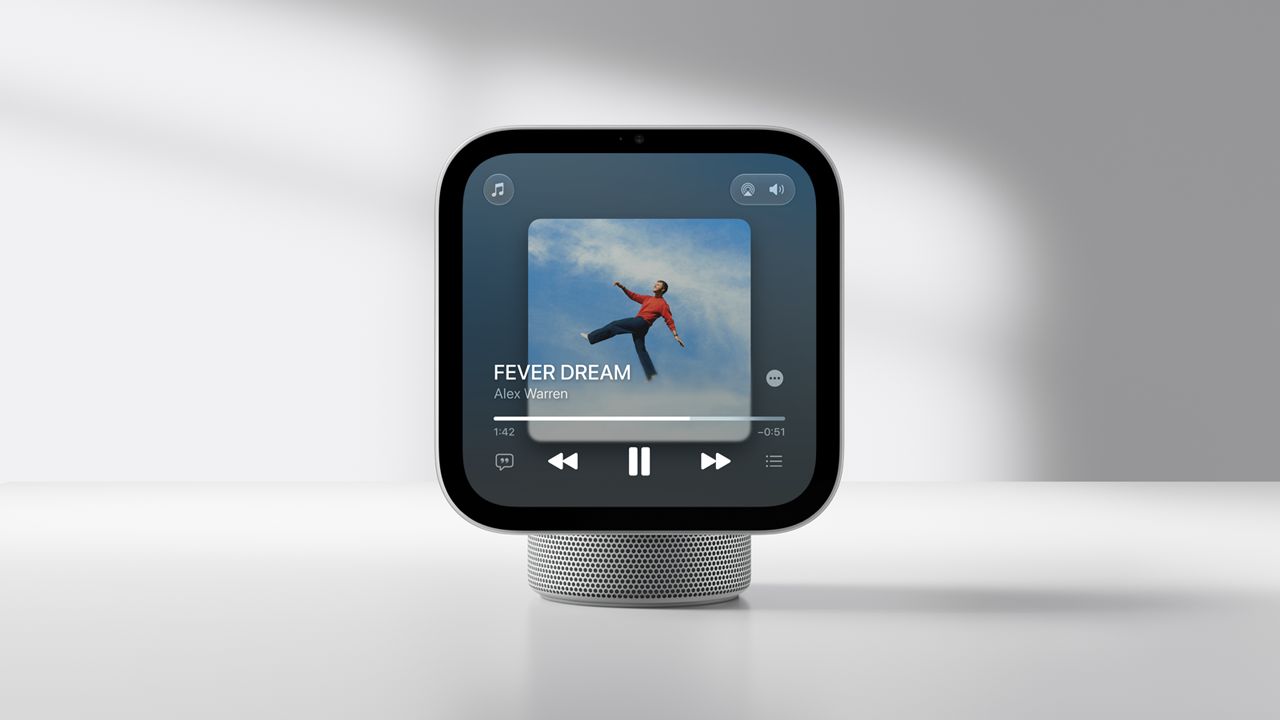 When major tech companies publish formal software license agreements, every sentence is normally scrutinized by legal departments before public release. However, fine print occasionally bypasses final edits and reveals subtle technical details. That is exactly what occurred with recent updates published to Apple's legal repository regarding its smart home platform.
In one specific section of the official HomeView software license agreement, Apple explicitly labels the target hardware as a "HomePodDevice." This naming anomaly provides clear evidence regarding how Apple treats the device behind the scenes during its design and development cycles.
What the Apple HomeView Legal Document Reveals
The appearance of "HomePodDevice" inside an official software license agreement is almost certainly a placeholder term left over from early draft stages. Software engineers and legal writers frequently use working names when drafting terms of service for unreleased products. In this instance, Apple appears to have overlooked updating the specific placeholder phrase before finalizing the public document.
This oversight confirms what many industry observers have long suspected. Unsurprisingly, Apple views the HomeView hardware as an extension of its existing HomePod product family. Rather than building an entirely distinct operational hardware branch, the device shares substantial core identity with Apple's smart speaker lineup.
By classifying the device internally under the HomePod umbrella, Apple ensures consistency in software management and security policies. The document snippet offers direct proof that Apple builds its screen-based home hardware on top of the established base of its audio-centric smart devices.
Understanding Internal Placeholder Names in Product Licensing
Internal project code names and placeholder terms are extremely common in software development. Before a marketing brand like **Apple HomeView** is officially selected, engineering teams need standardized references to write system configuration files and legal terms. A term like "HomePodDevice" serves as a functional, clear reference point for internal teams.
When final marketing titles are assigned, legal teams run search-and-replace updates across all regulatory documents. Missing a single instance during document preparation is an easy mistake to make, especially across lengthy standard agreements. However, these small slips offer external analysts valuable confirmation about internal hardware classification.
In this case, the slip reveals that the internal development framework treats smart home displays and smart home audio units under unified architecture rules. The software license agreement demonstrates that despite new visual elements, the operational foundation remains closely linked to HomePod hardware standards.
Unpacking 'HomePodOS 26' and 'HomePodOS 27' Documentation
The "HomePodDevice" phrase is not the only interesting detail discovered within Apple's paperwork. On Apple's official legal website, two other agreements feature notable titles: "HomePodOS 26" and "HomePodOS 27." These explicit version titles stand in contrast to how Apple markets the underlying operating system to the public.
In consumer-facing materials and elsewhere inside those same legal documents, Apple simply calls the operating platform "HomePod software." Despite using plain marketing phrasing publicly, the legal agreement listings use precise numbered system designations like "HomePodOS 26" and "HomePodOS 27."
This difference highlights how internal versioning works. While Apple prefers simplified customer-facing names like "HomePod software," the legal and technical divisions track system generations with strict version numbering that matches major platform releases across iOS and iPadOS ecosystems.
Is HomePodOS the Real 'homeOS'?
For years, technology rumors suggested Apple was actively developing a brand-new operating platform dedicated entirely to smart home hardware, frequently referred to by analysts as homeOS. The existence of official agreements titled "HomePodOS 26" and "HomePodOS 27" indicates that an explicit OS designation does exist internally.
Rather than introducing a completely distinct brand called homeOS, Apple appears to rely on HomePodOS as the actual system foundation powering its home automation hub lineup. These legal listings may represent the closest confirmation the tech community will ever receive regarding the actual identity of the rumored homeOS platform.
By keeping the underlying system tied directly to HomePod software foundations, Apple streamllines update delivery, device pairing, and Siri interaction models across all connected home products. The unified system foundation allows the **Apple HomeView** to operate smoothly alongside established smart speakers.
Key Discoveries From Apple's Smart Home Filings
The recent legal document discoveries provide several clear insights into how Apple develops and manages its home hardware catalog. Here are the core takeaways revealed by the legal texts:
- Internal Device Classification: Apple explicitly categorizes the HomeView as a "HomePodDevice" within core license clauses.
- Draft Document Artifacts: The phrasing points to draft placeholder text that was missed during final proofreading passes before public uploading.
- System Version References: Apple's legal site specifically lists "HomePodOS 26" and "HomePodOS 27" as active document titles.
- Unified Software Branding: Public marketing continues to utilize the broader term "HomePod software," while technical legal entries retain OS-specific names.
- Relationship to homeOS Rumors: The documented presence of HomePodOS provides the clearest evidence yet of Apple's unified operating strategy for home hardware.
Comparing HomePod Architecture and Smart Home Hub Strategy
Understanding why Apple treats these devices similarly requires examining how smart home devices function within Apple's broader ecosystem. A modern smart home hub requires seamless integration with HomeKit, Thread networking, and Siri audio processing. Because HomePod hardware already provides these exact services, extending that architecture to display devices makes functional sense.
The "HomePodDevice" label suggests that the internal operating logic, hardware interaction layer, and security models are shared directly between display hubs and smart speakers. This shared foundation reduces software fragmenting and allows engineering teams to ship updates to both product classes simultaneously under the HomePod software umbrella.
Furthermore, relying on a unified platform architecture ensures that security protocols and user privacy controls remain identical across every room in a user's home. Whether controlling smart lights through voice commands on a speaker or tap controls on a display, the underlying processing framework remains identical.
Why Technical Legal Filings Matter for Ecosystem Tracking
Official legal terms and agreement files are among the few places where internal corporate naming structures accidentally surface. While marketing campaigns present polished brand titles designed for consumer appeal, legal agreements must clearly define technical hardware categories to remain enforceable.
Tracking these legal filings provides valuable context for how hardware products evolve over multiple generations. Spotting references to HomePodOS 26 and HomePodOS 27 gives developers and tech analysts clear indications of long-term software roadmap planning for the entire smart home category.
For users invested in Apple's home ecosystem, these findings show that Apple views its display products and audio hardware as part of one long-term platform strategy rather than isolated side projects.
Frequently Asked Questions
Why does Apple refer to HomeView as a HomePodDevice in legal documents?
Apple used "HomePodDevice" as an internal draft placeholder phrase while creating the software license agreement. It indicates that Apple views the hardware as part of the HomePod family from a system architecture standpoint.
What is the official software running on the smart home display?
While public documentation refers to the platform as "HomePod software," legal listings reveal system titles like "HomePodOS 26" and "HomePodOS 27."
Is homeOS a separate operating system from HomePod software?
The legal document discoveries suggest that rather than creating a completely independent homeOS brand, Apple uses HomePodOS as the functional foundation for its smart home hub devices.
How were these references discovered?
The references were uncovered directly within public documentation files updated on Apple's legal website under software license agreement terms.
Related Content and Community Resources
For additional details, product breakdowns, and active discussion regarding Apple's latest home automation releases, explore the following resources:
- In-Depth Hardware Overview: Apple HomeView
- Current Hardware Purchasing Recommendations: HomeView (Buy Now)
- Community Tech Forums: HomePod, HomeView, CarPlay - Home & Auto Tech
The original reporting titled "Apple Refers to HomeView as 'HomePodDevice' in Legal Document" originally appeared on MacRumors.com. You can also join the active community conversation and Discuss this article in the forums.
As Apple continues expanding its smart home footprint, the internal alignment between HomePod hardware and display products shows a clear strategy. The accidental inclusion of "HomePodDevice" in official licensing paperwork provides a fascinating peak into how **Apple HomeView** fits into Apple's overarching ecosystem vision.
from MacRumors
-via DynaSage
