
Apple Announcing HomePod Mini 2 Next Week With These New Features
Apple is preparing to unveil a new HomePod mini during its upcoming special product event, bringing significant internal upgrades to the popular compact smart speaker. Readers looking for full details on expected features, release dates, hardware improvements, and pricing updates will find everything summarized in this comprehensive guide.
When Will Apple Announce the New HomePod Mini?
Technology enthusiasts will not have to wait long for official hardware announcements. Apple reportedly plans to unveil a new HomePod mini as part of the "Welcome home" experience it announced for Tuesday, October 13.
The announcement schedule is expected to follow Apple's standard online unveiling format. Industry watchers expect the new HomePod mini to be announced in a press release shared on the Apple Newsroom website at around 9 a.m. Eastern Time on that day. Media coverage, hands-on photos, and unboxing videos should surface online shortly afterwards as journalists and creators get their first look at the hardware.
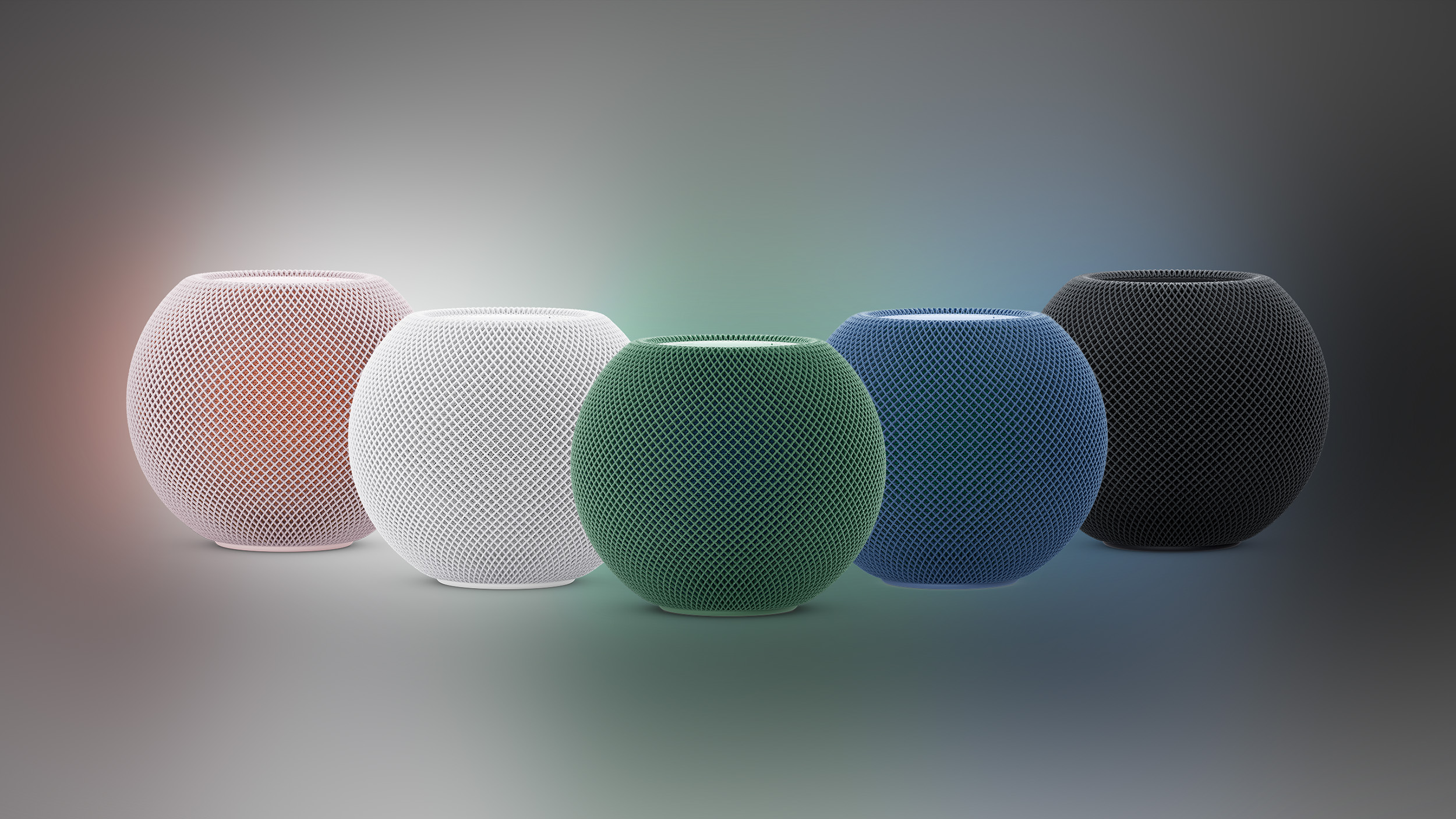
Following the newsroom publication, detailed early reviews and hands-on impressions will provide potential buyers with real-world testing results. This structured release strategy aligns with previous Apple home hardware debuts, giving prospective shoppers immediate insight into how the updated device performs.
What Key Upgrades Are Coming to the HomePod Mini 2?
Although the exterior silhouette is expected to remain familiar, internal components are receiving a total overhaul. Rumors indicate that Apple has focused its efforts on processing power, wireless throughput, directional sensing, and sound performance.
Here is a summary of the core hardware features and enhancements expected in the second-generation model:
- Upgraded Processor for Siri AI: A modern system-on-chip will enable advanced Siri AI capabilities when connected to or operating near a compatible iPhone.
- Enhanced Sound Quality: Acoustic engineering refinements aim to deliver rich audio performance and better sound delivery across all volume levels.
- Apple N1 Chip with Wi-Fi 7: Incorporation of the proprietary N1 chip brings next-generation Wi-Fi 7 connectivity support for improved smart home responsiveness.
- Second-Generation Ultra Wideband (UWB) Chip: Upgraded short-range spatial awareness capabilities will enhance device handoff and precise indoor positioning.
- Expanded Color Selection: Fresh cosmetic finishes are set to join the lineup, including pink and green options.
- Unchanged Enclosure Design: Apple is maintaining its familiar mesh exterior and compact spherical footprint with no major design changes expected.
Advanced Processing and Siri AI Integration
The primary driver behind this product update is raw processing performance. The second-generation HomePod mini is rumored to feature a newer chip that enables Siri AI support, at least when paired with a nearby iPhone. This integration represents a major step forward for Apple's voice assistant ecosystem.
By leveraging an upgraded processor, the speaker can process complex voice commands more quickly and handle advanced machine learning tasks. When a user's iPhone is nearby, the combined processing pipeline will allow Siri to handle more intelligent request handling and contextual understanding than was possible on older smart speaker hardware.
Improved Audio Engineering and Acoustics
Sound output remains a primary evaluation metric for any small form-factor speaker. Apple engineered the original model to deliver full sound despite its diminutive height, and the second-generation iteration builds directly upon that foundation.
The upcoming model promises improved sound quality through optimized acoustic tuning and updated internal audio hardware. Listeners can expect clearer vocals, deeper bass response, and better frequency balance across diverse music genres and podcast audio tracks.
Modernized Connectivity: Apple N1 Chip and Wi-Fi 7
Wireless networking performance is critical for any hub operating inside a modern smart home ecosystem. The addition of Apple's N1 chip brings native Wi-Fi 7 support directly to the desktop speaker line for the very first time.
Wi-Fi 7 capabilities allow the speaker to maintain rock-solid network connections, lower communication latency, and handle dense network environments filled with dozens of connected smart home appliances. This updated networking chip ensures seamless audio streaming, faster response times for home automation routines, and better integration across multi-room home setups.
Second-Generation Ultra Wideband Precision
Short-range spatial awareness plays a crucial role in how Apple products interact with one another inside the home. The integration of a second-generation Ultra Wideband chip expands upon the proximity features established by earlier generations.
This upgraded UWB hardware facilitates seamless audio handoff whenever a user brings an iPhone close to the top touch surface of the speaker. Media transfers, playlist continuity, and visual proximity cues will feel faster and more reliable thanks to the upgraded precision location tracking capabilities built into the modern silicon.
Fresh Color Options for Home Interiors
Visual customization remains an appealing aspect of Apple's consumer line. While the underlying physical structure remains consistent with previous iterations, Apple is introducing fresh color choices to give buyers more design flexibility.
The new color options, including pink and green, will offer vibrant options that complement modern living spaces. These new hues join Apple's existing aesthetic strategy of blending technology harmoniously into interior decor styles.
Understanding the Six-Year Gap Between Hardware Generations
It is uncommon for popular consumer tech products to go six years without a hardware refresh. Coincidentally, the original HomePod mini also debuted on October 13 back in 2020, so there has been a six-year wait for a new model.
During those six years, the original hardware continued to serve as Apple's primary entry-level smart speaker. However, internal processing technology evolved rapidly across Apple's broader device catalog during that same multi-year period.
To understand why this upcoming update is so consequential, consider the silicon inside the outgoing hardware model. The current HomePod mini is powered by the S5 chip that debuted in the Apple Watch Series 5 in 2019. That chip architecture was designed primarily for low-power wearable devices several years ago.
Transitioning from 2019 wearable technology to modern multi-core processor architecture represents a massive leap forward. The shift enables modern computational audio routines, faster network handshakes, and support for modern AI features that simply could not run on older S5 architecture.
Analyzing the HomePod Mini Price Adjustment
Beyond hardware specifications, potential buyers must also take recent pricing adjustments into account when evaluating their purchase options. Apple adjusted its pricing structure across several home entertainment categories earlier this year.
In June, the HomePod mini received a price increase. In the U.S., it now costs $129, up from $99. This adjustment brought the entry-level speaker to a higher tier within the smart audio market.
While a price jump can affect budget-conscious shoppers, the inclusion of modern connectivity like Wi-Fi 7, updated spatial awareness chips, and expanded AI processing power helps justify the higher cost basis for the upcoming release. Consumers looking to upgrade their home setup will receive significantly more capable hardware for their investment.
Smart Home Buyer Advice and Ecosystem Integration
Navigating hardware release cycles requires careful timing, particularly when a product generation is on the verge of being replaced. Prospective buyers evaluating the smart home market should pay attention to current product guidance recommendations.
Shoppers actively researching the home audio category should check out the product roundup page dedicated to the HomePod mini to explore complete hardware specs, color variations, and historical timeline updates. Staying informed ensures buyers make well-timed purchasing decisions.
Given that new hardware is imminent, smart advice sources strongly urge caution for anyone planning a purchase right now. The official HomePod Mini (Don't Buy) listing reflects the proximity of this planned product announcement. Purchasing an outdated model days before a major spec bump is rarely advisable.
For community advice, user discussions, and real-time troubleshooting, consumers can visit the dedicated forum section focusing on HomePod, HomeKit, CarPlay, Home & Auto Technology. Engaging with active home automation communities provides valuable insights into real-world home network performance and device setup tips.
Comparing the First and Second Generation Features
Understanding the precise technological leap between generations helps illuminate why this update is such a pivotal launch for Apple's smart home strategy. Below is a detailed breakdown comparing the original model with the upcoming release:
- Processor Architecture: Upgrades from an older 2019 S5 wearable processor to a contemporary system chip equipped to handle advanced AI voice capabilities.
- Wireless Standard Support: Moves from older Wi-Fi networking protocols to state-of-the-art Wi-Fi 7 throughput enabled by the Apple N1 chip.
- Spatial Awareness Hardware: Replaces first-generation proximity detection with an upgraded second-generation Ultra Wideband chip for faster iPhone handoffs.
- Acoustic Capabilities: Integrates updated sound engineering algorithms for expanded dynamic range and clearer audio playback.
- Visual Palette: Expands color selections to include fresh green and pink finishes alongside traditional color options.
- Base Price Point: Reflects the updated $129 retail point in the U.S., compared to the original $99 debut price point from six years ago.
This comparison demonstrates that while the physical shape remains consistent, every core electronic component inside the shell has been overhauled to meet modern performance expectations.
What the "Welcome Home" Event Means for Apple's Smart Home Ecosystem
The timing of Apple's "Welcome home" experience highlights a renewed commitment to expanding its presence in home automation. By establishing better processing power across its smallest audio hubs, Apple ensures its hardware ecosystem remains competitive against alternative smart home platforms.
The integration of modern processing architecture allows the new HomePod mini to function as a reliable, fast control center for home lighting, security sensors, temperature controls, and entertainment systems. Reduced network latency via Wi-Fi 7 means automated routines execute faster and voice requests register with minimal delay.
Furthermore, local device processing supported by nearby iPhone computing ensures user privacy remains central to the experience. Requests processed close to the user eliminate unnecessary cloud roundtrips, increasing overall system security and responsiveness.
Final Thoughts on the Upcoming Announcement
This article, Apple Announcing HomePod Mini 2 Next Week With These New Features, first appeared on MacRumors.com. The coverage offers a comprehensive preview of what Apple fans can expect when official press releases drop on October 13.
Whether you are looking to build out a multi-room sound system, replace an aging speaker, or set up your first smart home controller, the updated hardware promises a host of practical upgrades. If you want to share your thoughts, predictions, or feature requests with other tech enthusiasts, you can Discuss this article in our forums to join the active community debate.
With an updated processor, Wi-Fi 7 networking, Siri AI integration, and vibrant new color choices, the new HomePod mini is poised to deliver a major hardware refresh that smart home fans have been eagerly awaiting for six years.
from MacRumors
-via DynaSage
