
Xiaomi Announces Foldable iPhone Rival
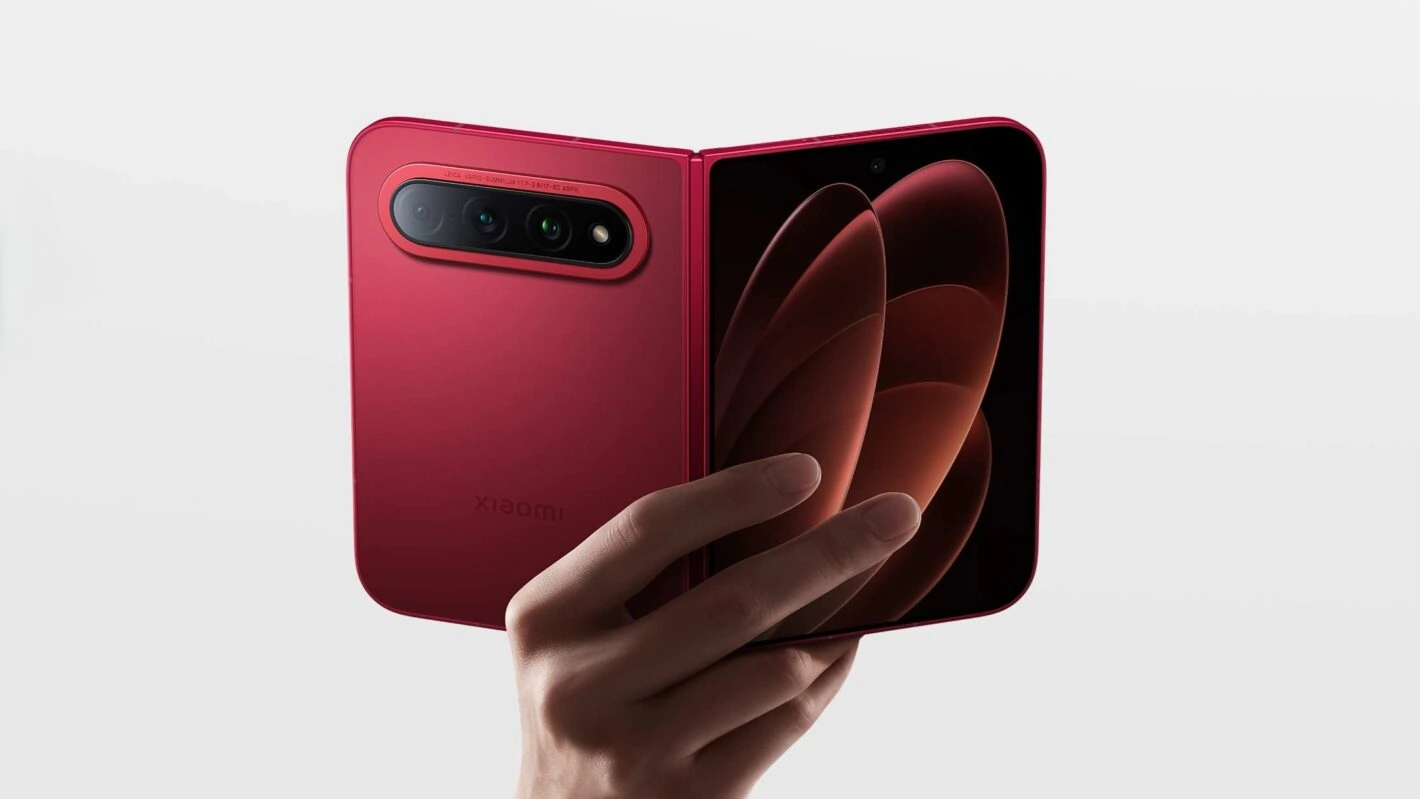
Xiaomi has officially introduced the Xiaomi 18 Fold, its first wide-format foldable smartphone featuring advanced Leica camera systems, custom 3nm silicon, and high-brightness LTPO displays. Announced at a major product event in China, this flagship device enters the market just days before Apple presents its own long-awaited foldable device.
The release of the Xiaomi 18 Fold represents a major milestone in the rapidly evolving foldable smartphone market. By combining cutting-edge internal hardware with refined physical ergonomics, Xiaomi aims to challenge existing industry leaders while setting new standards for premium mobile devices.
What Makes the Xiaomi 18 Fold a Standout Foldable Smartphone?
The Xiaomi 18 Fold is designed around a wide-folding screen layout that alters how users interact with modern mobile applications. Rather than adopting a tall and narrow outer profile, Xiaomi selected proportions that mirror traditional smartphones when closed, while opening up into a spacious tablet-like canvas when unfolded.
This structural choices puts the device in direct competition with top industry models like the Samsung Z Fold8 and Apple's expected foldable entry. With high-brightness screens, an engineered hinge, and custom processor design, the device represents Xiaomi's most ambitious hardware undertaking to date.
Here is an initial look at the core specifications featured on the flagship device:
- Outer Display: 5.38-inch LTPO panel with 120Hz refresh rate and 4000 nits peak brightness
- Inner Display: 7.58-inch LTPO panel with 120Hz refresh rate and 4000 nits peak brightness
- Processor: In-house Xring O3 chip manufactured on a 3nm process
- Rear Camera System: Leica triple camera setup with a 200MP main sensor, 50MP ultrawide, and 50MP periscope telephoto with 3.5x optical zoom
- Battery and Charging: 6,000mAh battery capacity paired with 67W wired and 50W wireless fast charging
- Software Interface: Xiaomi HyperOS 4 operating system
- Hinge Technology: Redesigned "Dragon Bone" hinge mechanism with 492 optimizations
How Advanced Are the Displays on the Xiaomi 18 Fold?
Display quality is a fundamental requirement for any top-tier foldable smartphone, and Xiaomi has focused heavily on screen performance. The device includes two high-specification displays that operate in tandem to deliver a seamless transition between phone and tablet modes.
The outer cover display measures 5.38 inches across, providing an ergonomic surface for one-handed messaging, quick voice calls, and routine phone interactions. When unfolded, the primary interior screen stretches to 7.58 inches, offering an expansive viewing region suitable for multitasking, gaming, and media consumption.
LTPO Technology and 120Hz Refresh Rates
Both the inner and outer displays utilize Low-Temperature Polycrystalline Oxide (LTPO) technology. LTPO panels allow the device to dynamically adjust refresh rates up to 120Hz based on on-screen activity. This ensures fluid scrolling when navigating menus while dropping down during static tasks to preserve battery life.
By synchronizing refresh behavior across both panels, Xiaomi ensures visual consistency regardless of whether the phone is used opened or closed. Users can expect uniform motion performance across everyday system navigation and graphic-intensive mobile software.
4000 Nits Peak Brightness and Durability
Outdoor visibility can be a challenge for foldable screens, but the Xiaomi 18 Fold addresses this issue by achieving up to 4000 nits of peak brightness on both panels. This high luminance rating ensures content remains readable even under direct sunlight.
To enhance physical durability without adding unnecessary thickness, the inner display incorporates a new double-layer ultra-thin glass structure. This protective layer is built to withstand repeated folding cycles while maintaining structural integrity and clarity over time.
Why Is the Dragon Bone Hinge Mechanism So Important?
The hinge is often the most critical structural component in any foldable smartphone design. For this release, Xiaomi introduced a heavily redesigned folding mechanism known as the "Dragon Bone" hinge.
Engineering a reliable hinge requires balancing weight, chassis thickness, and folding resistance. Xiaomi announced that the Dragon Bone hinge underwent 492 structural optimizations during development to improve long-term durability and hand comfort.
Ergonomic Advantages Over Competitors
The refined hinge design facilitates a noticeably more rounded physical profile compared to angular competitors like Samsung's Galaxy Z Fold8. These curved edges make the device easier to grip for extended periods, both in single-screen mode and when unfolded into a wide aspect ratio.
Furthermore, the internal structural work reduces the overall gap between the display halves when folded flat. This tight closure helps prevent dust, lint, and external debris from slipping between the screens when stored in pockets or bags.
What Is the Xring O3 Chip and How Does It Perform?
Inside the device sits Xiaomi's custom silicon, the Xring O3 chip. The Xiaomi 18 Fold marks the official debut of this proprietary processor, signaling the company's commitment to in-house semiconductor engineering.
Manufactured using an advanced 3nm fabrication process, the Xring O3 chip is constructed to maximize operational efficiency while handling intense computing loads.
CPU and GPU Architecture Breakdown
The Xring O3 architecture features a 10-core CPU clocked up to a peak speed of 4.35GHz. Alongside the primary compute cores is a 16-core GPU built to power graphical rendering and demanding mobile applications.
According to official performance metrics released by Xiaomi, the Xring O3 chip delivers massive generation-over-generation gains:
- CPU Gain: 60% boost in multi-core processing performance over its predecessor
- GPU Gain: 85% increase in graphical rendering performance
- Power Efficiency: CPU power consumption reduced by 25%, while GPU power draw drops by 64%
- Artificial Intelligence: Dedicated Neural Processing Unit (NPU) rated at 200 TOPS for AI workloads
Thermal Efficiency and Power Management
Achieving high clock speeds in a thin foldable chassis requires effective power and heat management. The efficiency gains delivered by the 3nm architecture allow the Xring O3 chip to operate at high performance levels without generating excess thermal throttling.
The integration of a dedicated 200 TOPS NPU enables advanced on-device artificial intelligence tasks. This local AI processing handles camera computational algorithms, voice processing, and system management routines directly on the device without relying on continuous cloud server communication.
How Does the Leica Camera System Compare to Rivals?
Mobile photography remains a core focus for modern flagship buyers. The rear camera array on the device was co-developed with optical specialist Leica, delivering a multi-lens camera setup designed for high-resolution imaging.
The primary camera features a massive 200-megapixel sensor capable of capturing fine detail in complex lighting conditions. Supporting this main sensor are two complementary 50-megapixel modules that broaden creative photography options.
Detailed Lens Breakdown
The triple-camera configuration provides versatility across various focal lengths and shooting scenarios:
- Main Camera: 200-megapixel primary sensor optimized for high resolution, dynamic range, and color accuracy tuned by Leica.
- Ultrawide Camera: 50-megapixel lens designed for wide landscapes, architecture, and expansive group photos.
- Periscope Telephoto: 50-megapixel periscope module offering 3.5x optical zoom for clear distance shots without loss of detail.
Comparison with Apple's Expected Foldable iPhone
Camera capabilities highlight a key difference between current market strategies. Apple's upcoming foldable device is expected to feature two rear cameras without a dedicated telephoto module.
By equipping the flagship phone with a 200MP main shooter and a dedicated 3.5x optical periscope zoom lens, Xiaomi offers a distinct hardware advantage for photography enthusiasts who prioritize optical magnification and sensor resolution.
What Are the Battery, Charging, and Software Specifications?
To support high-brightness screens and high-clocked silicon, the device includes a robust 6,000mAh battery. Power delivery is managed via 67W wired fast charging alongside 50W wireless charging support, allowing users to rapidly replenish the cell.
On the software side, the phone ships running Xiaomi HyperOS 4. This updated operating system includes custom multitasking features designed specifically to take advantage of wide-format foldable displays, such as split-screen app pairing, floating windows, and quick drag-and-drop actions.
Xiaomi 18 Fold Pricing and Model Options
Xiaomi has announced multiple configuration tiers for its flagship release. Pricing varies based on internal storage, system memory (RAM), and exterior materials selected.
Standard Model Configurations
The standard model launches in four distinct finishes, including a prominent Nishino Red colorway. Pricing options start at competitive luxury brackets:
- Base Model (12GB RAM / 256GB Storage): 10,999 yuan (approximately $1,638 USD)
- Top Configuration (16GB RAM / 1TB Storage): 14,999 yuan (approximately $2,235 USD)
Ceramic Special Edition
For collectors and premium buyers, Xiaomi is releasing a limited Ceramic Special Edition capped at just 1,500 units globally. This special release features custom ceramic rear finish materials and top-tier internal specifications.
The Ceramic Special Edition is priced at 15,999 yuan (approximately $2,384 USD). By comparison, Apple's upcoming foldable entry is widely anticipated by industry analysts to carry a retail price exceeding $2,000 USD upon release.
What Else Did Xiaomi Launch at the Event?
The announcement of the new foldable phone was part of a larger ecosystem event in China where Xiaomi revealed several hardware additions across personal technology and automotive categories.
Among the key product unveilings was the Xiaomi Pad 9 Pro Max tablet, which shares the same custom 3nm Xring O3 chip found inside the foldable phone. By bringing its flagship silicon to tablet form factors, Xiaomi provides consistent computing power across its mobile product lines.
Additionally, the company showcased three new electric vehicles manufactured under its expanding Pengcheng automotive brand. This demonstrates Xiaomi's continued effort to bridge consumer electronics with smart electric transportation platforms.
Will the Xiaomi 18 Fold Be Released Globally?
As of the initial launch event, Xiaomi has not announced global availability or international release dates for the device. Historically, earlier foldables in the company's lineup, such as the Mix Fold series, have remained exclusive to the Chinese domestic market.
However, given the growing global demand for premium foldable designs and the approaching release of rival hardware from international competitors, industry observers are closely monitoring whether Xiaomi expands distribution for this generation.
How Does the Timing Align with Apple and Samsung?
The timing of Xiaomi's product event is strategic. By announcing the device two days before Apple's scheduled gathering, Xiaomi establishes its hardware specs in the media spotlight first.
Apple is set to hold its own event on September 9 at Apple Park, where the company is expected to unveil its first Foldable iPhone alongside the iPhone 18 Pro and iPhone 18 Pro Max models.
At the same time, Samsung continues to push its own folding lineup with the Galaxy Z Fold8. The arrival of Xiaomi's hardware underlines an intensifying battle among premier smartphone manufacturers competing for dominance in the high-end foldable category.
Final Thoughts on the Xiaomi 18 Fold Announcement
The official reveal of the Xiaomi 18 Fold highlights how rapidly foldable phone technology is advancing across display design, custom processing, and photography. With its 3nm Xring O3 chip, 200MP Leica camera system, high-brightness LTPO displays, and 6,000mAh battery, Xiaomi has constructed a formidable device aimed directly at top industry competitors.
Related Roundup: iPhone Fold
Tags: Foldable iPhone, Xiaomi
This article, "Xiaomi Announces Foldable iPhone Rival" first appeared on MacRumors.com
Discuss this article in our forums
from MacRumors
-via DynaSage
