
'Shop Different': Apple Retail Pioneer Ron Johnson Shares the Inside Story
In a detailed look at the history of Apple's physical storefronts, pioneer retail executive Ron Johnson offers unprecedented insight into the early days, massive hurdles, and long-term vision behind the world's most profitable stores. Discover how the groundbreaking Ron Johnson Apple retail strategy transformed traditional tech sales and established iconic gathering places across the globe.
The Untold Origin of the Steve Jobs Apple Retail Strategy
Back in 1999, Apple co-founder Steve Jobs grew deeply dissatisfied with how Mac computers were presented to consumers. Traditional big-box computer retail stores routinely placed Macs in out-of-the-way corners, surrounded by cluttered beige boxes and poorly trained sales reps who rarely understood the Mac operating system. Jobs realized that if Apple wanted to control the customer experience and showcase its hardware properly, it needed to build its own physical stores from the ground up.
To lead this high-stakes initiative, Jobs sought out a proven retail visionary. He brought on Ron Johnson, who was then serving as the vice president of merchandising at major retail giant Target. Johnson officially began his journey at Apple on February 1, 2000, stepping into an ambitious role that many industry analysts initially predicted would fail.
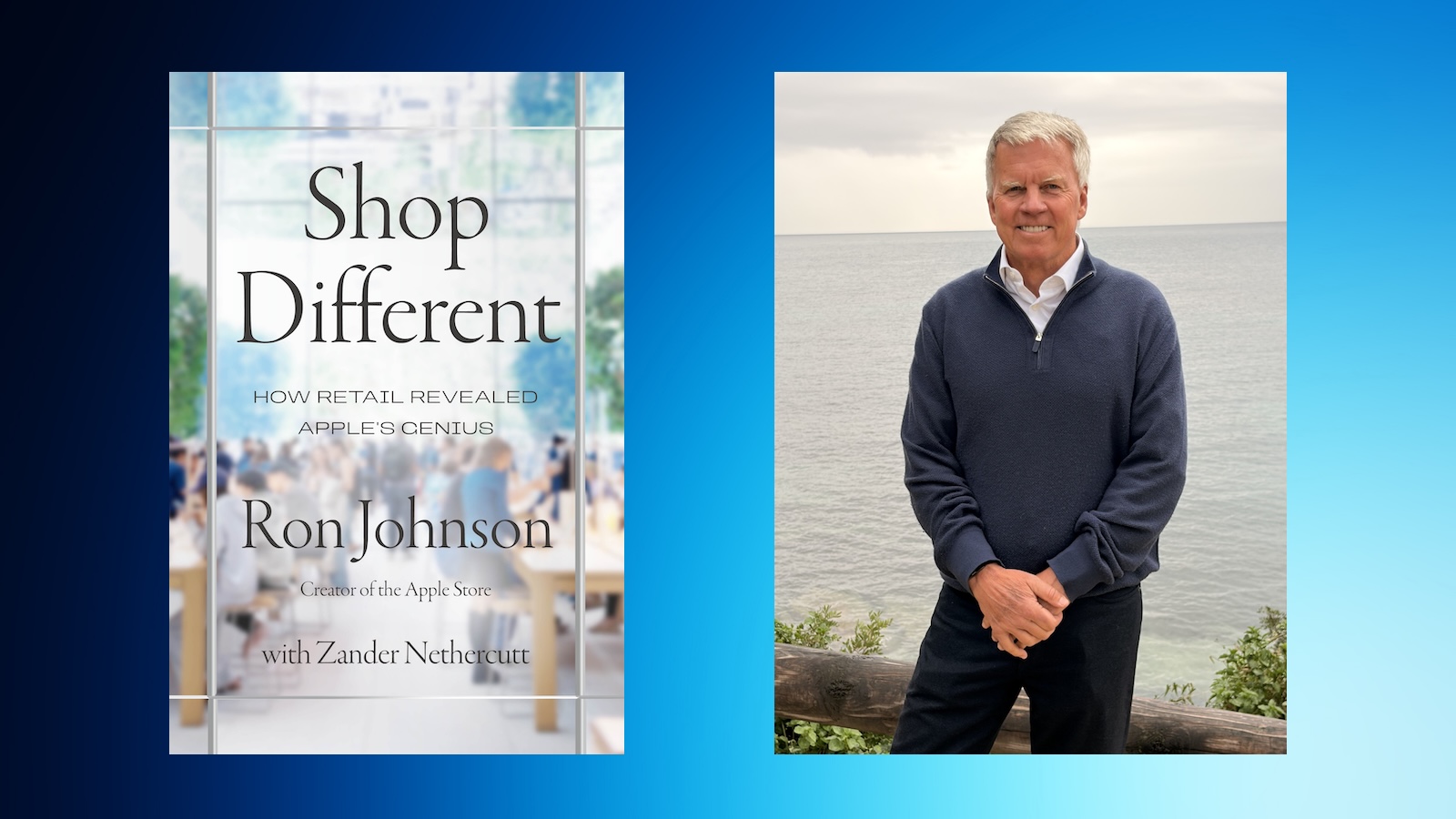
Now, Johnson has teamed up for a new book co-authored with writer Zander Nethercutt. Titled Shop Different: How Retail Revealed Apple's Genius, the book launches on Tuesday, September 22. It offers an in-depth, behind-the-scenes account of how Johnson worked alongside Jobs to turn a risky retail experiment into a global phenomenon.
While the book touches on Johnson's early career at department store Mervyn's and his transformative work at Target, the majority of the narrative centers on his tenure at Apple. His work there remains his biggest success story and continues to fascinate business executives, tech enthusiasts, and millions of Apple fans worldwide.
Building the Prototype: How the First Apple Retail Stores Were Built
Creating the initial template for Ron Johnson Apple retail locations was not an overnight process. Working hand-in-hand with Jobs and other top executive leaders, Johnson spent over a year crafting the philosophy, architectural identity, and layout of the stores before welcoming a single customer.
Today, Apple Stores are recognized as landmark destinations and essential shopping mall anchors across more than 20 countries. However, their ultimate success was far from guaranteed when the initiative began. The early development phase was marked by immense trial and error, followed by weak initial store performance that alarmed critics before sales finally exploded upward.
To test every aspect of the store experience, Apple took the unusual step of renting a massive warehouse near its headquarters in Cupertino, California. Inside this hidden space, the team constructed a full-scale mockup of an entire Apple Store. This allowed Jobs and Johnson to walk through the layout, physically test fixtures, adjust product tables, and refine the exact flow of human movement.
Key Breakthroughs in Apple Retail History
Developing a direct-to-consumer strategy required answering fundamental questions about why people shop and how technology should be experienced. The team focused on several key milestones during this development phase:
- Direct-to-Consumer Philosophy: Shifting away from third-party wholesale outlets to own 100 percent of the customer relationship and product showcase.
- Securing Prime Real Estate: Demanding high-visibility storefronts in top-tier shopping centers and prestigious city centers rather than low-cost suburban strip malls.
- Experiential Layouts: Replacing packed shelves with wide, open wooden tables that encouraged visitors to play with live, internet-connected devices.
- Dedicated Customer Support: Inventing a welcoming face-to-face service center known around the world as the Apple Store Genius Bar.
How the Famous Apple Store Genius Bar Was Born
One of the most famous innovations born out of the original Ron Johnson Apple retail plan was the creation of the Apple Store Genius Bar. At the time, standard computer tech support meant calling a toll-free hotline or shipping hardware away to a distant repair depot for weeks. Johnson envisioned a central hub inside every store where customers could sit face-to-face with knowledgeable technicians who could fix problems on the spot.
In Shop Different, Johnson opens up about Jobs' initial reaction to the name "Genius Bar." When Johnson first presented the concept, Jobs initially balked at the name, famously questioning whether tech experts who possessed both deep technical knowledge and friendly social skills actually existed. Despite early skepticism, Johnson convinced Jobs to give the concept a shot. It quickly became one of the defining competitive advantages of Apple Stores.
Personal Moments with Steve Jobs and the JCPenney Transition
The latter sections of Shop Different delve into more personal, emotional territory. Johnson reflects on touching personal interactions with Steve Jobs during the founder's courageous battle with pancreatic cancer. These intimate memories highlight Jobs' intense personal commitment to the retail vision even as his health declined.
Johnson also details his difficult decision to leave Apple after over a decade of leadership to accept the role of CEO at department store giant JCPenney. Leaving Apple during Jobs' illness was an emotionally complex transition accompanied by deep personal misgivings. Johnson candidly discusses his time at JCPenney, explaining the immense obstacles he faced and his ultimate inability to successfully turn the traditional department store's fortunes around.
Has Apple Retail Stayed True to the Original Vision?
When asked whether the evolution of Apple retail over the past fifteen years has stayed true to the founding core principles established by Jobs and himself, Johnson expressed strong admiration for how current leaders have carried the torch forward across several executive transitions.
You know, really, honestly, I do. I'm very impressed.
And part of it goes back to, when we launched the stores, Tim and Deirdre were involved on the operations side. I tell a story in the book where Steve said, you know, "What are the ten things you need to do well?" And one of those was inventory...inventory management. Well, Deirdre kind of led the team that managed the inventory. And so she was involved with the stores before we opened our first one.
And so when the stores got back to her leadership, I think there was a little a difficult period after I left, it took a little while, but now I think the stores are really fulfilling, fabulously well, the initial mission and vision we had for the stores. You know, so I'm really impressed.
Johnson highlighted Apple's refusal to focus purely on store count numbers as a major triumph. Instead of opening stores on every corner, Apple continuously focuses on improving store quality, expanding square footage, and securing architecturally stunning locations that reflect the high caliber of the Apple brand. Furthermore, Johnson praised Apple for retaining "exceptional" retail employees, many of whom have dedicated over a decade of service to the company.
Comparing Generations of Apple Retail Leadership
Since Ron Johnson's departure, the company has seen several distinct eras of Apple retail leadership. Each leader brought a vastly different professional background and management philosophy to the table:
1. Ron Johnson (2000–2011)
As the original head of retail, Johnson established the foundational culture, introduced the iconic store layout, and established a human-centric shopping environment focused on customer connection.
2. John Browett (2012)
Coming from British consumer electronics giant Dixons, Browett brought an heavy emphasis on operational efficiency and cost-cutting, though his stint proved brief as Apple quickly realized the stores required a customer-first emphasis rather than strict financial metrics.
3. Angela Ahrendts (2014–2019)
Recruited from luxury fashion brand Burberry, Ahrendts reshaped Apple Stores into modern "town squares," introduced avenue displays, elevated the store aesthetics, and focused heavily on luxury positioning.
4. Deirdre O'Brien (2019–Present)
A longtime Apple executive with deep roots in human resources and operational logistics, O'Brien brought the retail division back into deep integration with Apple headquarters.
Reflecting on these leadership changes, Johnson offered valuable insight into why bringing an internal veteran like Deirdre O'Brien to lead retail was a strategic masterstroke by CEO Tim Cook:
You know, I was the first retailer at Apple. And I built the initial team and, we relied a lot on other Apple departments, but fundamentally, I think Tim felt that he's got to find a retail leader to run the stores, right?
And so he started out with an operations leader, but obviously that led to a pretty quick change, because the stores were never about, sure, it's important how you operate, but it's really about a culture of love and connection, and you've got to have someone who will embrace that, right?
And then you went to Angela, who was a highly respected retail leader. But I think after Angela left, which was nearing the 20th anniversary of the stores, he kind of concluded, I think, that maybe an internal person who really understands Apple could be a great leader of the stores.
She's been there from the beginning, so I think Tim made the decision to really make sure the stores were highly integrated, connected with Apple as a company. Because it's pretty easy for them to be on their own doing their own thing. But once you bring in someone like Deirdre, who has managed the People teams, has managed at Apple, has managed a lot of the operations teams at Apple, you'll get a different level of connectivity to Apple itself.
And I think that was probably one of the big strengths Deirdre brought to the retail stores, was her knowledge of Apple headquarters. And she was able to, as an example, bring in a lot of talented people to retail who came out of other parts of Apple. Whereas before that, you'd hire, like, Angela probably hires someone from the outside that she worked with in retail.
Johnson also expressed high praise for key executives within current retail operations. Specifically, he highlighted Vanessa Trigub, who was named to a vice president role overseeing global retail operations under O'Brien. Johnson called Trigub a "fabulous leader" who possesses a clear vision for customer service excellence.
How Stores Prepare for Major Launches Like the iPhone Duo
Physical stores remain essential launching pads for new product categories. When breakthrough devices enter the market, physical stores allow consumers to touch, test, and experience hardware innovations firsthand before making a purchase decision.
Prior to the official unveiling of the multi-screen iPhone Duo, Johnson noted how critical retail stores are for generating public excitement around radically new device form factors:
What a great opportunity when this new, supposedly foldable phone comes out. Now, I think the stores will be more crowded during September and October. They'll be more crowded than in years. Because, remember, one to two billion people that are on iPhones, that use them every day.
And even if you're not going to buy the new one, you want to go see it, right? Because it is a major new form factor that would change your experience of using it. So I think that's what the stores were built for, is to help launch new products and I expect the stores to be incredibly busy.
Where to Buy the Book and Final Thoughts
The story of how Apple revolutionized high-street shopping offers valuable business lessons for entrepreneurs, managers, and tech enthusiasts. The full narrative in Shop Different: How Retail Revealed Apple's Genius is available for pre-order now through Amazon and major booksellers ahead of its official release on Tuesday, September 22.
By prioritizing human connection, clean design, and stellar customer support over aggressive sales tactics, the Ron Johnson Apple retail vision reshaped global business strategies forever. Decades after the first storefront opened its doors in May 2001, Apple's retail presence continues to set the gold standard for consumer experiences world-wide.
Tag: Ron Johnson
This article, "'Shop Different': Apple Retail Pioneer Ron Johnson Shares the Inside Story" first appeared on MacRumors.com
Discuss this article in our forums
from MacRumors
-via DynaSage
