
Rare Working Apple-1 Could Fetch $800,000 at Auction
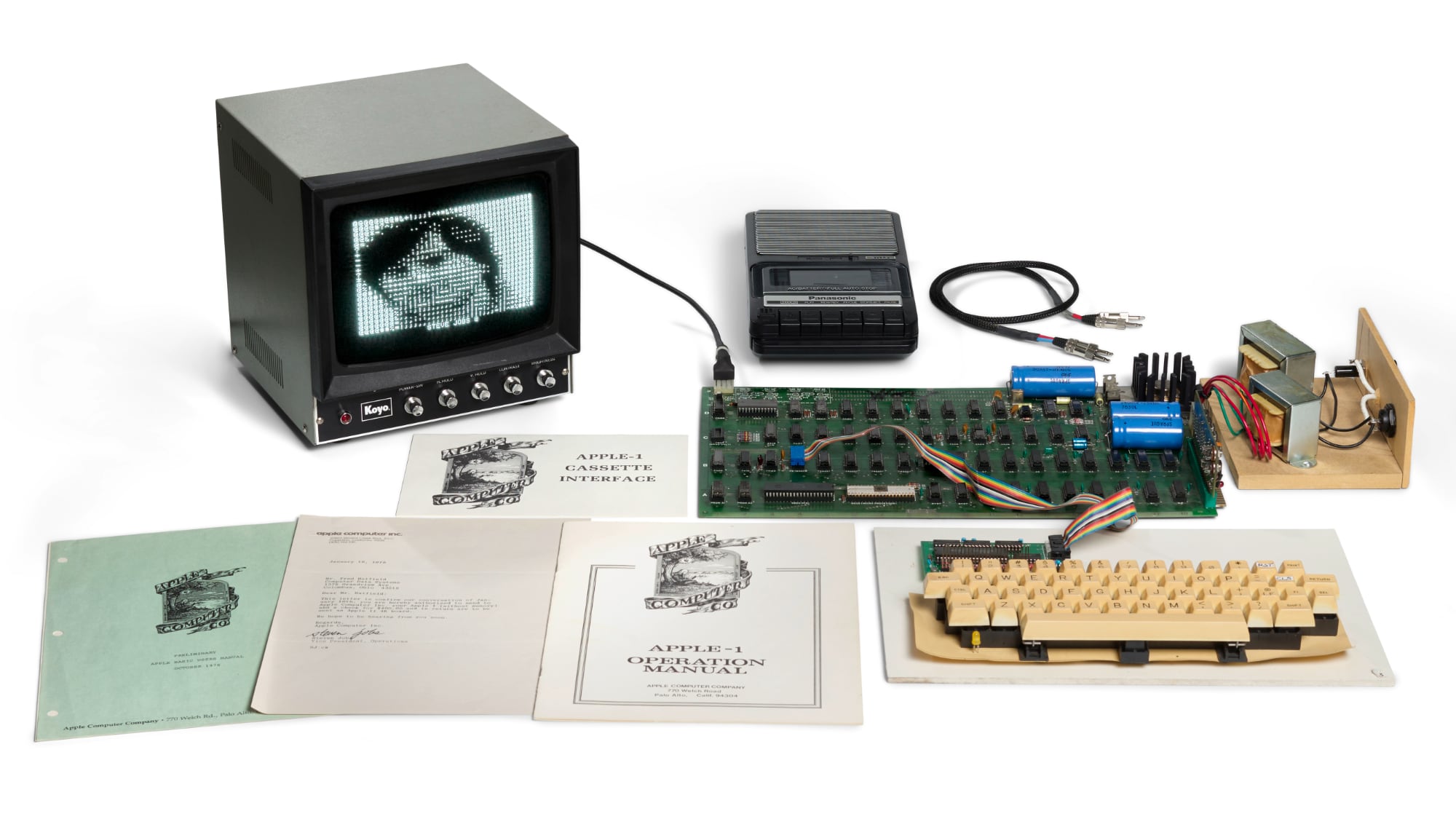
A rare, fully operational working Apple-1 computer is scheduled to go up for sale at auction this fall, with estimated bids expected to reach between $500,000 and $800,000. Known historically as the Hatfield Apple-1, this incredible piece of technology history features signatures from Apple co-founders Steve Wozniak and Steve Jobs, along with a rich documentation history that highlights the earliest days of personal computing.
For collectors and tech enthusiasts, finding an original Apple-1 computer in functional condition is extremely rare. Out of the original production run, only a tiny fraction remain operational today. Below, we break down everything you need to know about this upcoming auction, the unique story behind this specific unit, and why vintage computer hardware continues to fetch top dollar on the global market.
Why Is a Working Apple-1 Computer Worth Up to $800,000?
The high auction valuation for this machine comes down to three main factors: extreme scarcity, functional condition, and exceptional historical provenance. Today, experts estimate that there are fewer than 75 Apple-1 computers known to exist anywhere in the world. Out of those surviving units, an even smaller number are actually operational.
This particular unit, designated as number 48 on the official Apple-1 registry, is fully functional. A vintage computer that still operates as intended is far more valuable than one that is non-functional, as working components demonstrate the true engineering brilliance of early microcomputing.
In addition to being operational, the Hatfield Apple-1 possesses incredible historical documentation. The provenance includes:
- Authentic Signatures: The circuit board is signed directly by Apple co-founder Steve Wozniak.
- Signed Documentation from Steve Jobs: The unit includes an official letter written to the original owner and signed by Steve Jobs himself.
- Registry Verification: It is verified and numbered as item #48 on the official Apple-1 registry.
- Complete Historical Lineage: A well-documented ownership chain tracking its path from 1976 to the present day.
The Origin Story of the Apple-1 Computer in 1976
To understand why a working Apple-1 computer commands such astronomical prices today, it helps to look back at how Apple Computer Company began. In 1976, Steve Jobs and Steve Wozniak manually built and produced 200 Apple-1 units in a garage setting. Their goal was to launch a revolution in personal computing.
Originally, Steve Wozniak designed the machine to be sold strictly as a bare circuit board kit. Buyers were expected to supply their own enclosures, power transformers, display monitors, and keyboards. It was targeted primarily at electronics hobbyists who enjoyed soldering and building their own systems.
However, Steve Jobs recognized a broader commercial market. He struck a landmark deal with The Byte Shop, an early computer store chain based in California. Jobs convinced the retailer to order 50 fully assembled machines. The Byte Shop subsequently put these assembled systems on sale for $666.66 each, marking Apple's very first commercial venture into ready-to-use desktop hardware.
The Incredible Journey of the Hatfield Apple-1
The specific machine set to be auctioned off this October has a fascinating backstory involving its original owner, Fred Hatfield. Hatfield was an employee at Computer Data Systems and an avid computer enthusiast during the mid-1970s.
After purchasing the unit, Hatfield encountered software issues and reached out directly to Apple Computer Company with his concerns. In response, Steve Jobs personally wrote a letter back to Hatfield authorizing a trade-in offer. Jobs offered to swap the Apple-1 for Apple's newly released model, the Apple II.
However, there was a catch. To complete the trade-in upgrade, Hatfield would have been required to pay an additional $400 out of pocket. Hatfield felt the upgrade fee was too steep and chose to decline the offer, deciding instead to hold onto his original Apple-1. That simple financial decision preserved an priceless artifact of computing history.
From a $40,000 Sale to a $671,400 Record Auction
Fred Hatfield kept the computer for decades before eventually deciding to part with it in 2013. At the time of the sale, the computer was non-functional, and Hatfield sold it to a vintage technology buyer for $40,000.
The buyer recognized the incredible potential of the device and took deliberate steps to restore its value:
- System Restoration: The buyer carefully repaired the hardware components to bring the board back to working condition.
- Authentication & Signature: The buyer met with Steve Wozniak to have the board personally autographed.
- Public Sale: Shortly after restoration, the owner brought the item to public sale where the restored board sold it at auction for $671,400.
Now, over a decade after that record-setting sale, this legendary piece of personal computing history is returning to the market once again.
Key Details and Auction Timeline for Bidders
Prospective buyers and vintage hardware collectors will have an opportunity to view the Hatfield Apple-1 before bidding officially closes. Public and private viewing events will take place across four major cities:
- Los Angeles, California
- Boston, Massachusetts
- San Francisco, California
- New York City, New York
Specific viewing schedules, venue details, and registration rules are fully listed on the auctioneer's website. The bidding window officially opens on October 4 and will accept bids through October 14.
How Much Are Rare Vintage Computers Worth?
Pricing for vintage Apple computers fluctuates depending on completeness, historical documentation, and working state. Operational machines in excellent condition with clear provenances regularly fetch six-figure sums at major international auction houses.
In fact, functional Apple-1 units have sold for over $900,000 in previous sales. While final bidding outcomes depend on market interest and private bidder participation, the $500,000 to $800,000 estimate highlights the enduring enthusiasm for rare tech history artifacts.
Timeline of the Hatfield Apple-1
To summarize the lifecycle of this historic computer, here is a chronological overview of its journey from production to auction:
- 1976: Steve Jobs and Steve Wozniak produce 200 Apple-1 computers, selling 50 assembled units through The Byte Shop for $666.66.
- 1970s: Fred Hatfield purchases Apple-1 #48, later declining a $400 Apple II trade-in upgrade offer authorized by Steve Jobs.
- 2013: Hatfield sells the non-functional computer for $40,000.
- 2013 (Later): The buyer restores the unit to operational status, gets it signed by Steve Wozniak, and sells it at auction for $671,400.
- October 2026: The Hatfield Apple-1 goes up for bidding again, estimated between $500,000 and $800,000.
Conclusion: The Lasting Value of Early Tech History
The upcoming sale of the Hatfield machine highlights the deep cultural and financial value placed on early personal computing milestones. As one of fewer than 75 surviving units, this working Apple-1 computer represents a pivotal moment in technology history when two visionaries transformed standard circuit boards into the foundation of a modern digital era.
Tag: Apple-1
This article, "Rare Working Apple-1 Could Fetch $800,000 at Auction" first appeared on MacRumors.com
Discuss this article in our forums
from MacRumors
-via DynaSage
