
New Vision Pro Headset: Apple Considering Four Different Concepts
Apple is actively developing a completely redesigned Apple Vision Pro headset, exploring four distinct design concepts to make the spatial computing device lighter and more affordable. According to report details from Bloomberg's Mark Gurman, while a updated mixed reality device may not debut until late 2028 or early 2029, Apple's hardware engineering teams are fundamentally re-evaluating how next-generation wearable displays should be built.
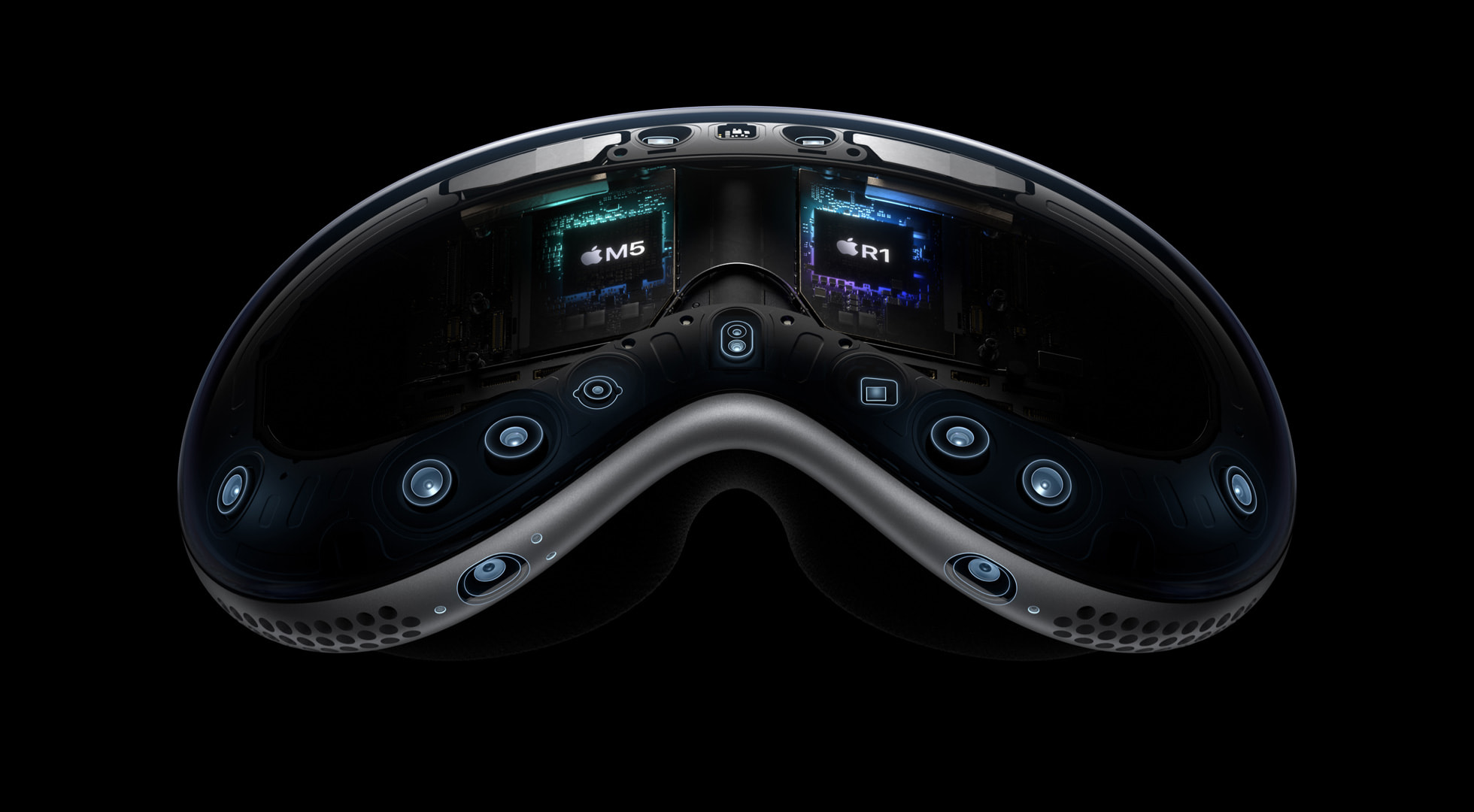
Is Apple Revamping the Apple Vision Pro Headset?
The original release of Apple's flagship spatial computer marked a bold leap into wearable immersive hardware. However, consumer feedback quickly focused on two primary drawbacks: overall device weight and a premium price tag. In response, Apple's dedicated hardware team is exploring a total overhaul of the device under internal development channels.
Writing in his widely read Power On newsletter, tech analyst Mark Gurman reported that Apple is currently testing four unique hardware concepts. Codename N224 represents the overarching internal effort to reimagine the spatial computing architecture from the ground up.
These four prototypes represent vastly different approaches to balancing processing power, thermal performance, battery runtime, and user comfort. Rather than simply applying minor incremental upgrades, Apple is considering major architectural shifts that could fundamentally alter how users interact with spatial computing devices.
What Are the Four Concepts Under Development for the Apple Vision Pro Headset?
While specific technical details for all four individual prototypes remain under strict wraps inside Apple Park, the overarching goal across every variant is clear. Engineers want to dramatically reduce the load placed directly on the wearer's face and head, addressing the main physical comfort complaints of the original design.
Among the primary ideas under review is an architecture that offloads significant hardware components away from the head-mounted display itself. By shifting key processing circuits, radios, and power cells down to a separate external module, the physical footprint of the front visor can be substantially reduced.
The four core design explorations generally focus on distinct architectural tradeoffs:
- Offloaded External Processing: Shifting main computing chips and power management away from the facial frame onto an external belt clip or pocket module.
- Integrated All-in-One Slimline: Retaining all active processing inside the headpiece while utilizing ultra-lightweight advanced composites and smaller optical assemblies.
- Hybrid Modular Design: Utilizing detachable components where secondary computing units or auxiliary battery cells can be snapped on based on workload intensity.
- Cost-Optimized Display Frame: Streamlining sensor arrays, exterior glass layers, and eye-tracking cameras to drastically reduce both total weight and retail manufacturing costs.
How Meta's VR Glasses Are Influencing External Module Designs
The idea of splitting a wearable display into separate head-worn and body-worn components is gaining traction across the tech industry. Offloading heavy components closely mirrors the design path chosen by competitor Meta for its upcoming line of Meta's latest VR Glasses, which are expected to launch next spring.
Meta's implementation relies on an external compute puck that houses both the primary processor and the main battery system. This external puck connects directly to the lightweight glasses frame and can be conveniently clipped onto a user's waistband or slipped into a pocket.
According to Gurman, who was able to preview Meta's upcoming hardware, this external compute unit is roughly similar in weight and physical dimensions to the battery pack used on the current edition of Apple's spatial hardware. However, Meta's puck features a textured, grippy exterior meant for easy handling and daily portability.
By moving heat-generating chips and heavy lithium-ion batteries away from the forehead, wearable headsets can achieve far better thermal comfort and weight distribution. This design philosophy removes active cooling fans from the face, drastically reducing physical strain during extended work or entertainment sessions.
Why Apple Decision-Makers Dislike the External Puck Concept
Despite the physical comfort benefits provided by offloading processors, Apple's high-level executive team remains hesitant to adopt an external puck design. Senior decision-makers within the company reportedly view an external compute unit as a clunky, poor user experience that strays from Apple's core design philosophy.
Historically, Apple prioritizes seamless, self-contained hardware experiences. Requiring users to manage physical tether cables, external clip-on compute pucks, and separate body attachments runs counter to the clean user experience Apple prefers to deliver with flagship consumer devices.
Key concerns raised by executive management regarding external processing modules include:
- Tether Management Issues: Running high-bandwidth data wires from a waist pack to a head-mounted display creates potential snagging points and setup friction for daily users.
- Portability Hurdles: Managing multiple separate physical components increases the likelihood of accidental drops, cable damage, or lost accessories during travel.
- Aesthetic Compromises: Hanging external compute blocks from clothing conflicts with Apple's refined industrial design aesthetic.
- Latency and Bandwidth Limits: Streaming raw high-resolution spatial sensor data and ultra-low-latency video between separate physical modules presents high engineering hurdles.
Because of these concerns, senior leadership continues to push hardware design teams toward maintaining an all-in-one headset structure. They strongly prefer an integrated system where processing power, optical stack, and thermal dissipation remain housed directly inside the main visual visor.
Materials and Weight Reduction: Plastic, Titanium, and New Alloys
To keep the device integrated while simultaneously cutting weight, Apple engineers are aggressively experimenting with structural materials. The current model relies heavily on premium machined aluminum and curved exterior glass panels, which deliver a luxurious aesthetic but add noticeable physical mass.
To address this challenge, Apple is testing lightweight alternatives across various structural components, including:
- High-Grade Structural Plastics: Replacing heavy metal housing elements with durable, high-impact polymers to drop overall visor weight.
- Precision Titanium Frames: Utilizing grade 5 titanium alloys for inner structural ribs to provide maximum strength with minimal material thickness.
- Magnesium Composites: Testing lightweight magnesium-aluminum alloys inside thermal heat sinks and frame supports.
- Redesigned Polycarbonate Lenses: Replacing exterior glass elements with optical-grade plastics to lower front-heavy torque on the nose and face.
Earlier reporting from June indicated that Apple has long recognized the need for a lighter, significantly cheaper successor. By replacing dense metal structures with advanced engineered plastics and titanium, Apple hopes to trim off critical grams while lowering manufacturing expenses.
It is worth noting that this ongoing hardware research project is completely distinct from the long-rumored "Vision Air" project. That specific lower-cost project was officially cancelled last year as internal development priorities shifted toward alternate form factors.
Spatial Computing vs. Smart Glasses: Apple's Shifting Focus
Although engineering teams continue to experiment with prototype headset designs, the overall development effort for project N224 is currently described as being on "life support." Internal organizational focus inside Apple's industrial design and software groups has shifted heavily toward standalone smart glasses.
Apple believes lightweight, fashion-forward smart glasses offer a much larger total addressable market than bulkier mixed reality goggles. Current roadmap targets suggest Apple aims to release its first generation of AI-infused smart glasses in late 2027.
This strategic shift has created internal friction within Apple's division structure. Top executives and project managers inside the original spatial computing unit are actively pressing senior executives to keep the high-end headset product line alive, fully funded, and expanding over the long term.
Despite these internal balance-of-power pushes from team leaders, there remains no definitive guarantee that a revamped, second-generation Apple Vision Pro headset will ever reach full commercial production. If executive management determines that consumer demand favors lightweight augmented reality glasses, project N224 could easily be delayed further or shelved entirely.
Comparing Hardware Strategies: Mixed Reality Headsets vs. AI Smart Glasses
To understand why Apple is carefully weighing its options, it helps to compare how full-featured spatial headsets stack up against upcoming ambient AI smart glasses across key user criteria:
- Display Capabilities: Mixed reality headsets offer full immersive virtual environments, high-resolution spatial video playback, and complex multi-window desktop replacement displays. Smart glasses focus primarily on lightweight heads-up notifications, contextual text overlays, and audio feedback.
- Form Factor and Everyday Wearability: Spatial headsets are strictly indoor productivity or entertainment devices worn for focused sessions. Smart glasses are lightweight, everyday eye wear designed to be worn comfortably in public throughout an entire day.
- Processing Requirements: Full mixed reality requires massive spatial rendering engines, continuous real-time camera pass-through mapping, and intense GPU capacity. Smart glasses rely heavily on cloud processing and offloaded smartphone connectivity.
- Pricing Structure: Premium spatial displays carry expensive micro-OLED optical assemblies and high manufacturing costs. Smart glasses can be priced significantly closer to mass-market consumer electronics.
Expected Release Timeline for Next-Gen Apple Hardware
For consumers eagerly waiting for a lighter or cheaper version of Apple's flagship headset, patience will be required. Given the current development pace and the strategic focus placed on the late-2027 smart glasses initiative, a next-generation headset form factor is not expected to launch until late 2028 or early 2029 at the earliest.
This extended hardware timeline gives Apple crucial runway to refine emerging display technologies, wait for micro-OLED component prices to decrease, and perfect new titanium or plastic manufacturing techniques. It also allows time for the visionOS software ecosystem to mature with broader developer app availability.
Below is a summary of Apple's rumored wearable roadmap over the coming years:
- Late 2027: Expected debut of Apple's first AI-driven smart glasses focusing on lightweight everyday assistance and audio integration.
- Late 2028 to Early 2029: Earliest potential window for a completely overhauled, lighter, and more affordable second-generation spatial compute headset.
Conclusion: The Future of Apple's Spatial Computing Vision
Apple stands at a critical crossroads regarding the future of spatial computing. While engineering teams continue exploring four distinct concepts under codename N224 to build a lighter, cheaper, and vastly superior hardware design, internal priorities are undeniably shifting toward lightweight wearable glasses.
Whether Apple ultimately chooses an all-in-one frame made from titanium and high-grade plastic or eventually succumbs to an external compute puck design, one reality is clear: the hardware must become significantly lighter and more accessible. Until these core physical challenges are solved, the future evolution of the Apple Vision Pro headset will remain a work in progress inside Apple's testing labs.
To follow ongoing developments on spatial computing technology, check out the dedicated roundup for Apple Vision Pro updates, read more analysis on Mark Gurman leaks, or review hardware status details on the Vision Pro (Neutral) guide. You can also join community conversations in the official Apple Vision Pro discussion forum.
This article, "New Vision Pro Headset: Apple Considering Four Different Concepts" first appeared on MacRumors.com.
Discuss this article in our forums.
from MacRumors
-via DynaSage
