
iPhone Air 2 Could Replace iPhone 18, Sketchy Rumor Claims
A recent rumor suggests Apple may ditch the base model standard iPhone 18 and rebrand the upcoming iPhone Air 2 as its primary $999 entry device in spring 2027. We analyze the credibility of this claim, how it impacts Apple's upcoming smartphone lineup, and what long-term design shifts could mean for future buyers.
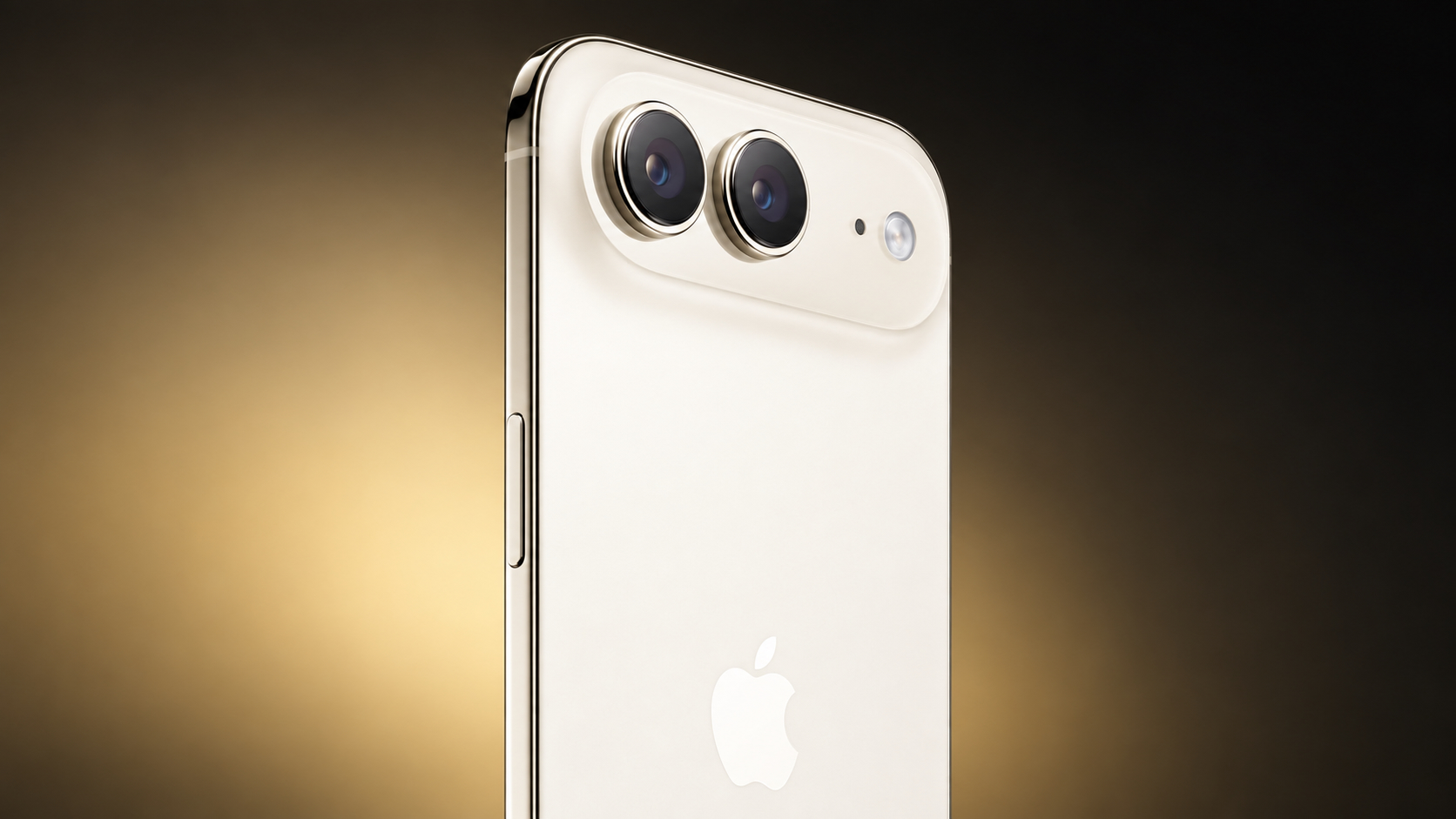
Will the iPhone Air 2 Replace the Standard iPhone 18?
According to an unverified online rumor, Apple is actively exploring a major shakeup to its upcoming smartphone strategy. The report claims that the tech giant might completely scrap the standard baseline model and position the iPhone Air 2 as the new $999 starting model when the more affordable devices launch in spring 2027.
Instead of offering both a standard baseline device and a separate slim model, Apple would simplify the naming scheme. Under this hypothetical plan, the second-generation ultra-thin model would adopt the primary baseline name and take over its traditional price point entirely. This would represent one of the most radical restructuring moves in the history of Apple's product portfolio.
However, industry analysts and long-time followers remain cautious about this claim. While the idea of streamlining hardware lines makes logical sense over a multi-year horizon, shifting release plans so late in development poses massive supply chain and marketing challenges. For now, the report is viewed as an intriguing possibility rather than a confirmed product roadmap.
Where Did the iPhone Air 2 Rebrand Leak Come From?
The origin of this viral claim is an account on social media platform X operating under the handle Early Apple. The post states that decision-makers inside Apple are exploring the concept of merging the secondary lightweight design straight into the main release lineup rather than maintaining two separate mid-range product lines.
This is not the first time the internet community has covered leaks from the account. Back in April, the same account posted what it claimed to be an official prototype photo of an upcoming pro device. However, industry observers continue to point out that this source is relatively new and lacks a proven long-term track record of accurate predictions.
Because the source has not established a documented history of accurate hardware leaks, tech reporting outlets treat this claim as an informed guess or speculative idea rather than a confirmed internal decision. Despite its dubious background, the concept gained notable momentum across tech news forums, sparking wider discussions about Apple's future product strategy.
Comparing the New Rumor to Existing Apple Product Leaks
The claim of a direct replacement contradicts over a year of consistent reports from established industry analysts. For many months, reliable sources have maintained that Apple is preparing three distinct lower-tier and mid-tier models scheduled for launch in spring 2027. This planned trio includes the baseline model, an entry-level budget model, and the second-generation thin model.
This upcoming spring release schedule follows Apple's main fall event, where the flagship iPhone 18 Pro, the larger Pro Max, and Apple's highly anticipated first foldable device are expected to be announced tomorrow. The broader hardware schedule shows a clear multi-device strategy across distinct price tiers and user preferences.
Given how consistently supply chain reporters have verified this three-way split, an abrupt cancellation of the baseline model seems statistically improbable for 2027. Developing smartphones requires years of component sourcing and production setup, making a complete rebrand at this stage highly complex and unlikely.
What Are the Key Rumored Apple Models for 2026 and 2027?
To understand how radical this proposed shift would be, it helps to review the full lineup expected across the 2026-2027 product cycle:
- Apple Foldable Model: Apple's first entry into the foldable hardware segment, targeted at premium power users.
- Flagship Pro Series: The high-end iPhone 18 Pro and Pro Max models scheduled for an immediate debut.
- Standard Baseline Model: The traditional entry model historically priced to appeal to mainstream buyers.
- Budget Model (18e): An affordable option designed to offer core features at a lower entry barrier.
- iPhone Air 2: A ultra-thin, design-focused model planned as a lightweight alternative in the lineup.
If Apple were to eliminate the standard model, the entire hierarchy would shift upward toward ultra-thin and foldable form factors. This would signal a dramatic departure from the traditional rectangular slab designs that have defined mobile devices for nearly two decades.
Did Jon Prosser Predict the Merging of Air and Base Models?
While the immediate 2027 timeline raised eyebrows, the overarching idea of combining these hardware lines is not entirely new. Well-known tech analyst Jon Prosser suggested a similar long-term trajectory months prior. He outlined a scenario where Apple's ultra-thin design language could eventually become the standard blueprint for all non-pro models.
Rather than positioning an ultra-slim device as a niche side option for tech enthusiasts, Apple could adopt the thin form factor across its entire mainstream inventory. However, Prosser framed this design transition as a gradual shift over several product generations rather than an immediate change arriving by next spring.
Historical precedent supports this gradual transition model. Apple frequently introduces radical industrial designs or premium materials on specialized high-end hardware before refining manufacturing processes to bring those innovations to the rest of the lineup years later.
Hardware Convergence: Adding a Second Rear Camera to the Air 2
A major reason why a future design convergence makes technical sense involves camera hardware. Early iterations of ultra-thin prototype designs required compromises, such as relying on a single camera lens to keep internal dimensions down. However, rumors surrounding the second-generation thin device indicate Apple plans to add a second rear camera lens.
Adding a dual-camera system directly eliminates one of the biggest functional differences between the slim model and the baseline model. Once the ultra-thin phone matches the standard model in camera capability, battery efficiency, and processing performance, maintaining two separate product lines becomes redundant.
If the hardware capabilities of the slim model and the baseline model become nearly identical, merging them under one banner becomes a logical step. This alignment would simplify marketing choices for consumers while streamlining manufacturing lines for component suppliers.
Why Apple's Feature Trickle-Down Strategy Matters
Apple has consistently followed a predictable schedule when rolling out major hardware advancements. Innovations like OLED displays, stainless steel or titanium frames, high-refresh displays, and specialized interface elements routinely start on the premium Pro models before becoming standard across all devices.
We saw this exact pattern with edge-to-edge displays and industrial flat-edge casing designs over previous release cycles. Features that initially carry a price premium eventually become the expected baseline for every modern phone Apple produces.
If the ultra-thin casing proves durable, popular, and cost-effective to manufacture at scale, it will naturally become the standard design. The debate among industry watchers is not whether this design shift will happen, but how quickly Apple can scale production to replace traditional form factors.
Pricing Strategy: Is a $999 Entry Point Realistic?
The rumor explicitly mentions a $999 starting price point if the lightweight model replaces the baseline tier. Historically, Apple's standard baseline phones have started at lower price tiers, while specialized or slimmed-down models commanded a premium due to engineering challenges.
Setting the primary entry point at $999 would represent an upward shift in base pricing for Apple's standard line. However, if Apple includes higher baseline storage, upgraded display technology, and dual-camera systems, consumers might accept the higher price as a fair trade-off for premium engineering.
On the other hand, pushing the base price higher creates room for entry-level devices like the rumored 18e to capture price-sensitive buyers. This price segmentation would keep budget-conscious consumers in the Apple ecosystem while lifting average selling prices across the broader lineup.
Analyzing the Credibility of Early Apple Leaks
When evaluating rumors from social media leakers, track record is the most critical metric. Unverified accounts often gain attention by sharing dramatic predictions that spark online discussion, even if internal corporate plans do not support those claims.
In the tech journalism space, an account without years of verified supply chain contacts is classified as an unconfirmed source. While their posts can offer interesting thought experiments regarding potential design directions, they should not be taken as absolute truth.
Mainstream outlets report on these viral claims primarily to provide context and evaluate whether the underlying logic holds up against known supply chain data. In this instance, while the long-term vision aligns with industry trends, the short-term spring 2027 timeline remains highly unverified.
Supply Chain Dynamics and Production Challenges
Redesigning a flagship consumer product line requires massive coordination with global manufacturing partners. Display manufacturers, casing fabricators, and battery suppliers contract production lines years ahead of public launch dates.
If Apple were to eliminate the standard model in favor of an ultra-thin chassis for spring 2027, supply chains would already show massive shifts in component ordering. So far, display panel orders and chassis production leaks continue to show preparation for three distinct non-pro form factors.
These supply chain realities make a last-minute change in product strategy improbable. Apple rarely makes sudden changes to hardware launches once tooling and component supply contracts have been finalized with manufacturing partners.
Marketing Advantages of Streamlining the Lineup
Despite the short-term improbability, consolidating hardware lines offers clear long-term marketing benefits for Apple. Over recent years, consumers have occasionally expressed confusion over minor differences between standard, Plus, Pro, and special edition models.
A simplified product catalog makes buying decisions straightforward for everyday consumers. Rather than choosing between slight variations in thickness or display size, shoppers could choose from three clear tiers:
- Entry-Level Tier: Focused on essential features and maximum value.
- Mainstream Thin Tier: Combining sleek design, strong performance, and dual cameras for most buyers.
- Pro and Foldable Tier: Offering maximum performance, advanced cameras, and cutting-edge screens for power users.
This streamlined approach would mirror Apple's laptop strategy, where choices are clearly divided between lightweight Air models and high-performance Pro models. Applying this proven structure to mobile hardware would clarify consumer choices.
Will the iPhone Air 2 Be Ready for a Spring 2027 Launch?
Current supply chain consensus indicates that the second-generation thin model remains on track for a spring 2027 release alongside the standard model and budget variants. Engineering teams are focused on optimizing internal layouts to fit larger batteries and secondary camera sensors into the slim frame.
If development hits unexpected manufacturing roadblocks, Apple could adjust launch timing or feature sets. However, there is currently no physical evidence from testing facilities that points to canceling the standard baseline model in favor of an exclusive single-device launch.
As tomorrow's major announcement approaches, more attention will turn toward post-launch supply chain activity. Tracking order volumes for display panels and camera modules over the coming months will provide definitive proof regarding Apple's true production plans.
How Consumer Preference Drives Design Changes
Ultimately, long-term product decisions depend on real-world purchasing behavior. If consumers show overwhelming preference for thin, lightweight devices over traditional form factors, Apple will reallocate manufacturing resources accordingly.
Initial customer response to slim profile hardware will serve as the final test. If early sales figures prove that users prioritize device thinness and overall comfort over minor battery capacity differences, the ultra-thin architecture will quickly dominate the mainstream portfolio.
Until sales data and official component allocations confirm a shift, claims of an immediate rebrand remain speculative. The market will soon reveal whether buyers are ready for an ultra-thin standard format or prefer traditional hardware options.
Conclusion: Separating Fact from Speculation
While the prospect of the iPhone Air 2 replacing the baseline hardware model makes for exciting discussion, current evidence suggests Apple will maintain its planned three-way lineup for spring 2027. The idea of combining these models aligns with long-term design trends, but an immediate rebrand remains an unverified guess.
For more detailed information, buyer advice, and community consensus, check out the official resources below:
- Read the detailed guide on iPhone Air (Neutral) specifications and buying advice.
- Explore historical context in the iPhone Air hardware overview.
- Join active community debates in the official iPhone discussion boards.
- Check out the original report titled iPhone Air 2 Could Replace iPhone 18, Sketchy Rumor Claims published on MacRumors.com.
- Participate directly in the rumor thread and Discuss this article with other enthusiasts.
As Apple's launch event unfolds, stay tuned for further updates on hardware specs, pricing structure, and release schedules for the upcoming mobile lineup.
from MacRumors
-via DynaSage
