
IMAX Reacts to iPhone Duo's 1:1.4 Aspect Ratio Displays
IMAX has officially shared a playful response regarding Apple's newly revealed iPhone Duo aspect ratio, which features a boxy 1:1.4 format on both its inner and outer displays. While this screen shape closely aligns with the classic 1.43:1 full-frame geometry seen in traditional giant-screen cinema, the legendary movie company made it clear that they still prefer viewers to experience films in theaters rather than on a smartphone screen.
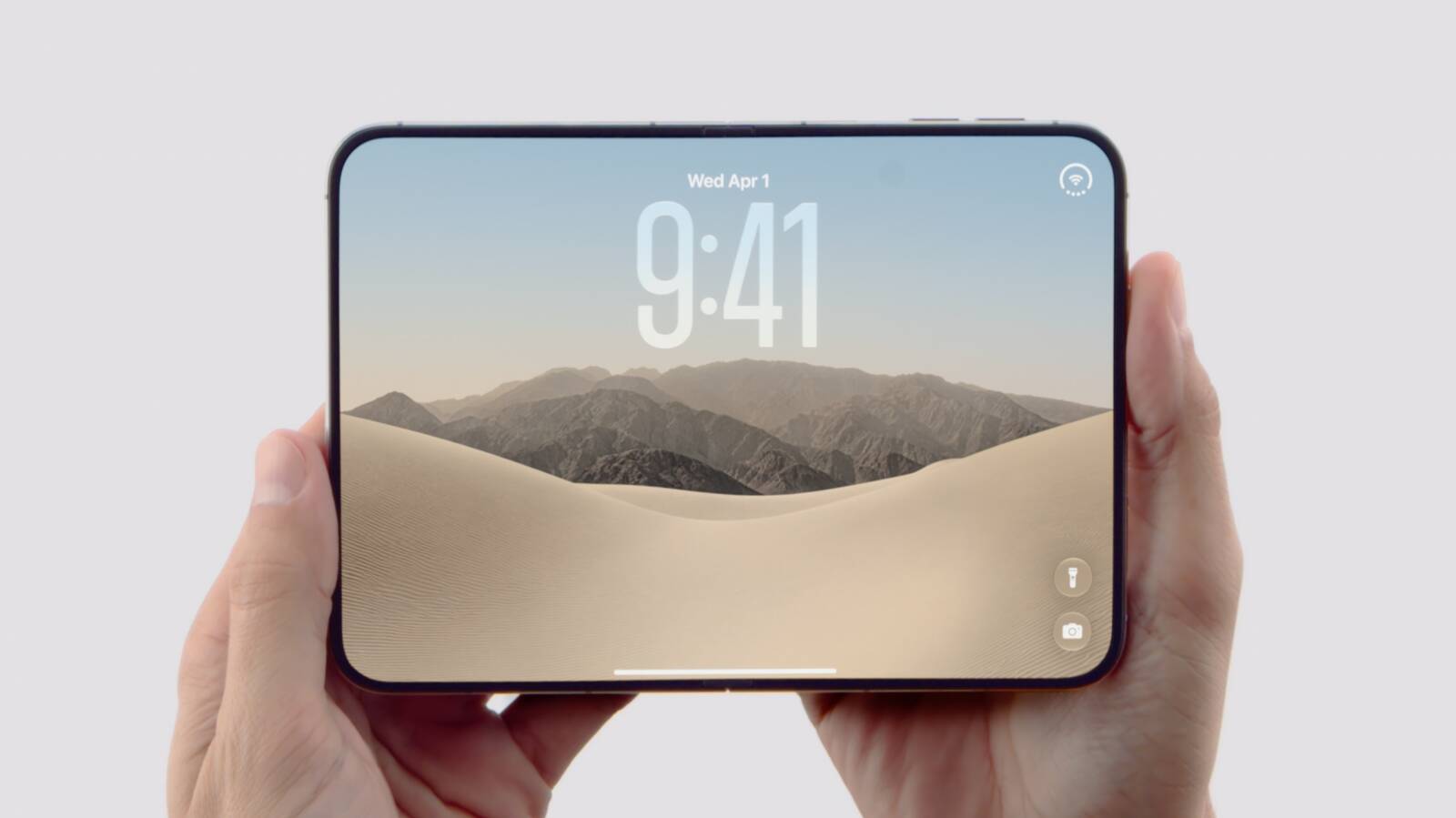
When technology companies introduce new display designs, discussions surrounding media formatting immediately follow. The announcement of Apple's latest hardware brought an interesting focus onto screen geometry, prompting fans and industry observers to take a closer look at how aspect ratios affect everyday viewing experiences.
With pre-orders scheduled to open on October 16 ahead of the official October 23 launch, excitement around the device is growing rapidly. Cinema enthusiasts quickly noticed how close the mobile device's screen dimensions are to high-end theatrical standards, sparking a lighthearted conversation between social media users and IMAX itself.
How Did IMAX React to the New iPhone Duo Aspect Ratio?
The conversation started on the social media platform X when user Mark Praschan posted a public question wondering if we'll see more 1:14.1 content created specifically to match the unique screen dimensions of Apple's new device. The post drew widespread attention from tech fans interested in display standards and video production trends.
It did not take long for IMAX's official account to respond directly to the post. The theater company offered a witty, two-part reply that perfectly captured their mixed feelings regarding mobile movie watching.
"Love this for them," IMAX posted initially, acknowledging the hardware design before adding: "Still not watching movies on a phone..."
This witty exchange highlighted the contrast between modern mobile hardware engineering and the traditional, immersive theatrical experience that IMAX has built its reputation on for decades.
Understanding the iPhone Duo Aspect Ratio and Display Geometry
The core of this viral moment comes down to simple geometry. Apple selected a 1:1.4 aspect ratio for both the inner and outer displays of the hardware, creating a distinctively square or boxy appearance compared to standard widescreen mobile devices.
Most modern smartphones utilize tall, slender aspect ratios such as 19.5:9 or 20:9 to facilitate one-handed browsing and vertical scrolling. By contrast, a 1:1.4 screen profile offers a noticeably wider canvas relative to its height, changing how apps, photos, and video media fit onto the display screen.
Because both the exterior screen and the expansive interior folding display share this same 1:1.4 proportion, users experience visual continuity across both states. However, this shape also means traditional 16:9 widescreen video content will display horizontal black bars unless adapted or zoomed.
What Is the Classic IMAX 1.43:1 Aspect Ratio?
To understand why cinema fans immediately made the comparison, it helps to review the history of full-frame theatrical presentation formats. The classic full-frame IMAX presentation uses a 1.43:1 aspect ratio, which is widely recognized as one of the tallest visual formats in motion picture history.
This legendary 1.43:1 format originates directly from the mechanical engineering of the original 15-perforation/70mm film system. Instead of running 35mm or standard 70mm film vertically through a projector, the system pulls giant 70mm film horizontally across the projector gate.
By using 15 perforations of film stock per frame, each frame achieves immense image area and image resolution. The visual output creates a tall, nearly square image that fills massive specialized theater screens from floor to ceiling, surrounding the audience's peripheral vision.
Comparing the Screen Ratios Side by Side
When you look at the underlying math, the similarity between Apple's mobile hardware and giant-screen cinema film geometry becomes very clear:
- iPhone Duo Aspect Ratio: 1:1.4 (which translates mathematically to approximately 1.40:1 frame proportion)
- Classic Full-Frame IMAX Ratio: 1.43:1 (derived from traditional 15-perforation 70mm film geometry)
- Standard Modern Widescreen Cinema: 1.85:1 or 2.39:1 anamorphic theatrical formats
- Standard Modern Mobile Displays: Typically 19.5:9 or approximately 2.16:1 tall ratios
Because 1.40:1 and 1.43:1 are practically identical in overall shape, full-frame theatrical footage formatted for giant screens technically fits Apple's new display geometry with minimal black letterboxing or cropping.
Why IMAX Promotes Big Screen Viewing Over Mobile Devices
Although the mathematical alignment between the screen formats is remarkably close, IMAX's humorous comment emphasizes their dedicated operational philosophy. Production theater company IMAX has built its worldwide brand on expansive scale, massive multi-channel sound systems, and immersion that cannot be replicated on a handheld device.
Watching full-length feature films on a handheld screen--regardless of how advanced or high-resolution the display technology might be--remains fundamentally different from sitting in a customized auditorium with a screen several stories tall.
By stating that they are "still not watching movies on a phone," IMAX reiterated that their proprietary visual format is intended to create shared, larger-than-life cinema moments rather than personal content consumption on portable gadgets.
Could Mobile Aspect Ratio Changes Influence Digital Media?
Whenever a major technology company changes screen dimensions on high-profile hardware, creators and software developers pay close attention. The adoption of a 1:1.4 screen geometry presents unique possibilities for digital media layout and app user interfaces.
While mainstream film studios are unlikely to alter cinematic theatrical distribution formats specifically for handheld phones, short-form video creators, streaming platforms, and app developers often adjust their layouts to match popular consumer devices.
If boxier mobile formats become widely used by consumers, video tools and media players may offer enhanced zoom options or custom framing modes to take full advantage of display real estate without losing key visual detail.
iPhone Duo Release Date, Pre-Order Timeline, and Price Information
For consumers interested in experiencing the new hardware directly, Apple has established a clear release schedule leading up to retail availability.
- Pre-Orders Begin: October 16
- Official Launch Date: October 23
- In-Store Availability: Expected to launch simultaneously with consumer pre-order fulfillments
Detailed hardware reviews and real-world testing of video playback performance across both displays will likely arrive as the official launch date approaches.
Exploring Related Resources and Community Discussions
If you are tracking updates on Apple hardware developments and display innovations, several dedicated resources provide ongoing coverage and community analysis.
You can read deeper context via the official coverage in the iPhone Duo roundup, or check purchasing advice in the iPhone Duo (Coming Soon) guide. For user discussions and broad smartphone community debate, explore the general iPhone forum hub.
This article, "IMAX Reacts to iPhone Duo's 1:1.4 Aspect Ratio Displays" first appeared on MacRumors.com, where technology enthusiasts track hardware updates and industry reactions in real time.
Want to join the conversation with other tech fans? You can Discuss this article in the official forum threads to share your thoughts on screen design, cinematic aspect ratios, and mobile video viewing.
Summary of IMAX's Stance on the iPhone Duo Aspect Ratio
The playful exchange between social media users and IMAX highlights an entertaining intersection between mobile hardware evolution and theatrical film history. While the boxy 1:1.4 iPhone Duo aspect ratio mirrors the legendary geometry of 15-perforation/70mm 1.43:1 film screens, IMAX remains dedicated to delivering its cinema experiences on the largest screens possible. As pre-orders open on October 16 ahead of the October 23 launch, consumers will soon get to test the unique display shape for themselves.
from MacRumors
-via DynaSage
