
Apple's Weirdest iTunes Walk-Back Turns 12 Today
Looking back at digital history, the rollout and subsequent removal of the Apple U2 iTunes album remains one of the most memorable customer service turnarounds in tech history. Here is the full story of how a massive music giveaway led to unprecedented user complaints, a dedicated support page, and an official apology.
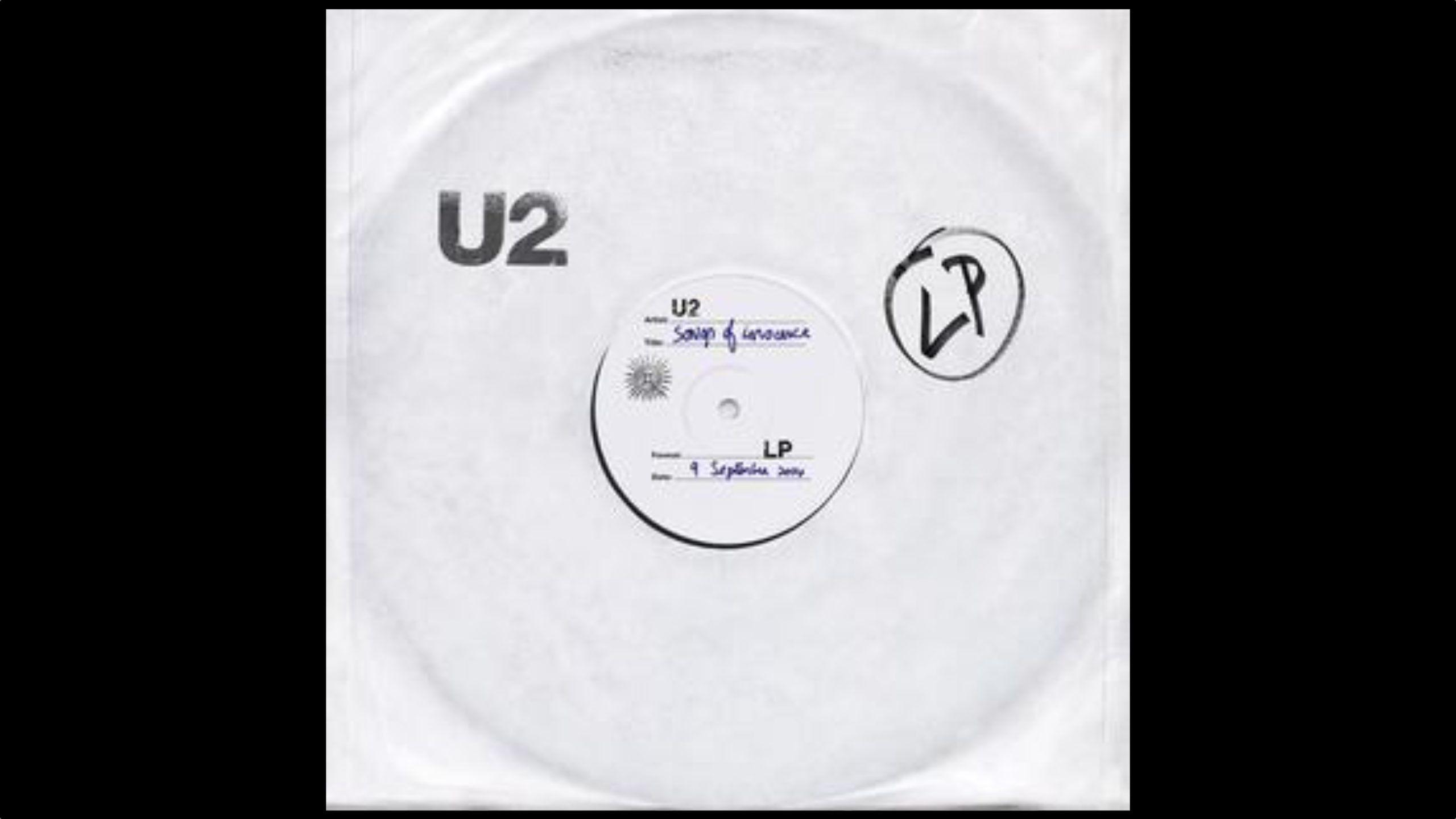 Exactly 12 years ago today, Apple published an extraordinary web page with a single primary task: making an unwanted music release disappear. On September 9, 2014, during Apple's high-profile iPhone 6 launch event, Chief Executive Tim Cook made a surprising announcement to millions of viewers. Apple had partnered with legendary rock band U2 to give away their brand-new record, "Songs of Innocence," completely free of charge to every single registered iTunes user on Earth.
While the gesture was intended as an unprecedented promotional celebration, the technical execution triggered unexpected chaos. Instead of requiring users to opt in or manually claim the gift, the system automatically attached the album directly to every active iTunes account. For millions of customers who had automatic downloads enabled on their iPhones, iPads, and computers, the entire album began downloading silently without any prior request or confirmation.
What Happened During the 2014 Apple iPhone 6 Event?
The September 9, 2014 presentation was already packed with major announcements, including the reveal of the iPhone 6, iPhone 6 Plus, and the original Apple Watch. Towards the conclusion of the keynote, Tim Cook brought U2 onto the stage for a live performance. Immediately following the music, Cook and U2 frontman Bono announced that "Songs of Innocence" was immediately available to all iTunes Store customers across 119 countries.
At the time, this represented the largest album release in history, reaching over half a billion iTunes account holders simultaneously. Apple paid a significant sum in royalty guarantees and marketing commitments to make the exclusive launch happen. However, the decision to use automatic account binding meant that the music automatically appeared in user purchases and iCloud libraries across every linked Apple device.
Devices configured to download new purchases automatically immediately began pulling down high-definition audio files. On mobile devices with limited local storage, this unexpected push consumed precious gigabytes of space. Customers quickly woke up to find unfamiliar songs mixed into their carefully curated playlists and personal music collections.
Why Did the Apple U2 iTunes Album Cause So Much Customer Frustration?
The core issue surrounding the Apple U2 iTunes album push was not necessarily the music itself, but the lack of user consent and control. Digital media consumers in 2014 were accustomed to choosing what appeared on their personal devices. Overwhelmingly, users felt that an unexpected album appearing in their cloud library crossed an invisible line regarding personal device ownership.
Many users reported practical problems caused by the automatic delivery mechanism:
- Storage Overload: Cellular data plans and local storage on 16GB or 32GB iPhones were suddenly filled by unwanted audio files.
- Playlist Disruption: Customers shuffling their library suddenly heard unexpected U2 tracks playing automatically.
- Deletion Obstacles: Early iTunes cloud features made it difficult to permanently delete cloud-linked purchases without hiding them through desktop software.
- Automatic Re-downloads: Deleting local files often resulted in the album reappearing whenever cloud syncing refreshed.
As complaints mounted across online forums, social media networks, and tech support channels, Apple realized that standard troubleshooting steps were insufficient. The situation required a direct intervention that gave account holders total authority over their personal digital libraries.
How Did Apple Respond to the iTunes Library Album Removal Requests?
Recognizing the growing wave of customer dissatisfaction, Apple took swift and unusual corporate action. On September 15, 2014 — exactly six days after the original keynote event — Apple launched a custom single-purpose removal website. This specialized utility served one distinct function: allowing customers to perform a permanent iTunes library album removal with a single click.
The custom tool connected directly to the user's Apple ID and completely detached "Songs of Innocence" from their purchase history. Once the operation was completed, the album no longer appeared in cloud purchases or auto-download queues. If the music had already downloaded to a device, removing it via the web page allowed users to manually delete the local files for good.
To accommodate users who might change their minds, Apple included a contingency window. The company clarified that users who used the removal tool had until October 13, 2014, to redownload the album free of charge. After that date, anyone who had removed the gift would need to pay standard store rates to acquire it again.
What Were the Features of Apple's Special Removal Support Tool?
The creation of a standalone support page dedicated exclusively to removing a promotional gift was unprecedented for Apple. Typically, support pages offer step-by-step instructions or troubleshooting guides. In contrast, this page functioned as an active administrative script operating directly on customer accounts.
Key elements of the historic Apple support removal tool included:
- One-Click Processing: Users logged in with their Apple ID and clicked a single button to clear the record from their transaction logs.
- Automated Confirmation: A clear status message verified that "Songs of Innocence" had been successfully removed from the account.
- Re-download Window: Clear instructions explained how to re-claim the music before the mid-October deadline if desired.
- Direct Device Guidance: Quick tips detailed how to remove remaining local files from iOS devices and Mac computers.
Although the special web tool was eventually decommissioned after the initial promotional period ended, historical records remain accessible. An archive of the original support document is available here for tech historians and curious users.
