
Apple's Vision Pro Layoffs Were Broader Than First Reported
Recent reports reveal that the latest Apple Vision Pro layoffs are far more widespread than initially estimated, reaching software, security, and audio engineering teams across the entire company. As executive leadership re-evaluates head-worn devices, these workforce reductions raise major questions about the development timeline for future spatial computing hardware and operating system updates.
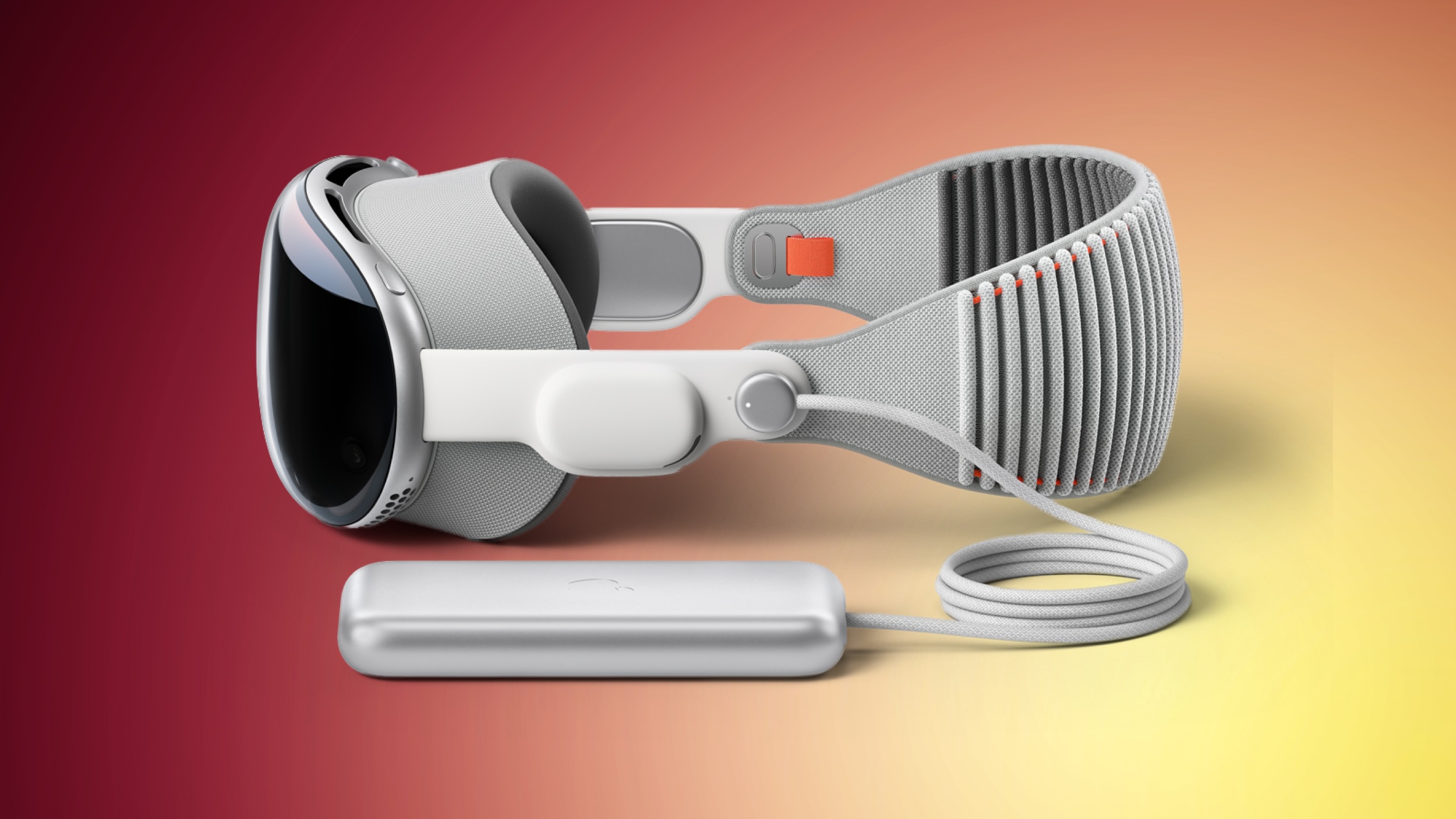
How Broad Were the Recent Apple Vision Pro Layoffs?
Initial reports regarding restructuring inside Apple suggested that job cuts were strictly confined to a single division. However, new reporting from Mark Gurman at Bloomberg indicates that the organizational changes affected employees well outside the core spatial computing group.
Last month, Gurman reported that Apple had decided to cut around 100 jobs from the main Vision Products Group. At that time, the reductions appeared to focus almost entirely on teams developing mobile gaming experiences and immersive video content for the platform. Newer information confirms that the actual scale of the cutbacks extended much deeper into Apple's general engineering organization.
The revised reporting confirms that the staffing cuts reached personnel who support broader hardware and software integration. Rather than limiting changes to content creators, the reductions impacted foundational technical teams whose work directly feeds into multiple upcoming consumer products.
Which Apple Teams Were Impacted by the Staff Cuts?
The scope of the job cuts spread across various technical departments that maintain essential device features. Employees working in dedicated engineering roles found their teams downsized as management adjusted internal priorities.
The specific areas affected by the recent internal restructuring include the following operational groups:
- Device Security: Engineers tasked with protecting hardware integrity and user data.
- Audio Engineering: Specialists responsible for spatial audio output and hardware acoustics.
- Siri Integration: Developers connecting voice commands and assistant features to spatial workflows; details on Siri capabilities remain vital to Apple's overall ecosystem.
- System Testing: Quality assurance personnel responsible for validating hardware and software performance.
- visionOS Software Development: Programmers building and maintaining the primary operating system.
These cuts follow earlier high-level executive changes within the division. In June, Paul Meade, the executive who led Apple's Vision Pro and smart glasses division, officially left Apple for OpenAI. Meade's departure marked a significant shift in leadership for the company's head-worn technology initiatives.
Why Apple CEO John Ternus Remains Skeptical of Head-Worn Devices
Internal dynamics surrounding the spatial computing division have grown increasingly complex following recent executive transitions. Reports show that staff inside the Vision Products Group spent months lobbying new Apple CEO John Ternus to stay the course on the platform, even as spatial headset sales continue to underwhelm market expectations.
Colleagues who have discussed head-worn hardware with Ternus indicate that he expressed skepticism about the product category from the very beginning. His primary concerns center on practical consumer adoption barriers that affect everyday usability.
Specifically, Ternus viewed the original design as too bulky for comfortable extended use and far too costly to achieve meaningful mass-market adoption. These concerns have heavily influenced how leadership evaluates ongoing investments in heavy head-worn displays.
How Do These Cuts Affect Apple Smart Glasses and visionOS?
Because visionOS software development is designed to support multiple form factors, changes to software teams ripple across several product lines. The operating system created for spatial computing is built to power both heavy headsets and lightweight wearable glasses.
Since visionOS apparently runs on Apple's upcoming lightweight eyewear, the wider engineering layoffs directly impact software shared across both product categories rather than the spatial headset alone. Reductions in system testing and core feature engineering mean fewer resources are available for joint software features.
Despite these broader workforce reductions, Ternus is still said to support Apple's smart glasses project, which carries the internal code name N50. This lightweight hardware initiative remains on track for an official launch next year.
However, reports indicate that Ternus would consider walking away from head-worn devices as an entire product category if consumer demand fails to materialise. If buyers do not show enthusiasm for smart glasses or spatial headsets, Apple's leadership remains open to pivoting away from head-mounted displays entirely.
What Is the Future Timeline for Apple Hardware Successors?
Leadership skepticism and organizational restructuring directly influence the release schedule for future spatial hardware. Plans for a second-generation full-featured headset have already experienced significant timeline adjustments.
The overhauled Apple hardware successor, code named N224, is currently not expected before the end of 2028. Designed to offer a slimmer and lighter footprint, this future revision faces a multi-year development path while Apple refines its wearable software strategy.
The extended delay allows the company to evaluate how well lightweight entry-level options perform in the consumer market before committing massive resources to heavy high-end hardware revisions.
In summary, the expanded Apple Vision Pro layoffs reflect a deliberate strategic pause as Apple evaluates consumer demand, reorganizes executive leadership, and balances resources between lightweight smart glasses and high-end head-worn platforms.
Related Roundup: Apple Vision Pro
Tags: Bloomberg, Mark Gurman
Buyer's Guide: Vision Pro (Neutral)
Related Forum: Apple Vision Pro
This article, "Apple's Vision Pro Layoffs Were Broader Than First Reported" first appeared on MacRumors.com
Discuss this article in our forums
from MacRumors
-via DynaSage
