
Apple's iPhone Ultra Crease Fix Set for Android Foldables Next Year
Apple's upcoming book-style iPhone Ultra is set to introduce a breakthrough dual-layer glass design that eliminates display folding marks, and Android phone makers are preparing to follow suit. The innovative iPhone Ultra crease fix utilizes layered ultra-thin glass to isolate display panels from mechanical hinge stress, establishing a new hardware standard for flexible smartphones.
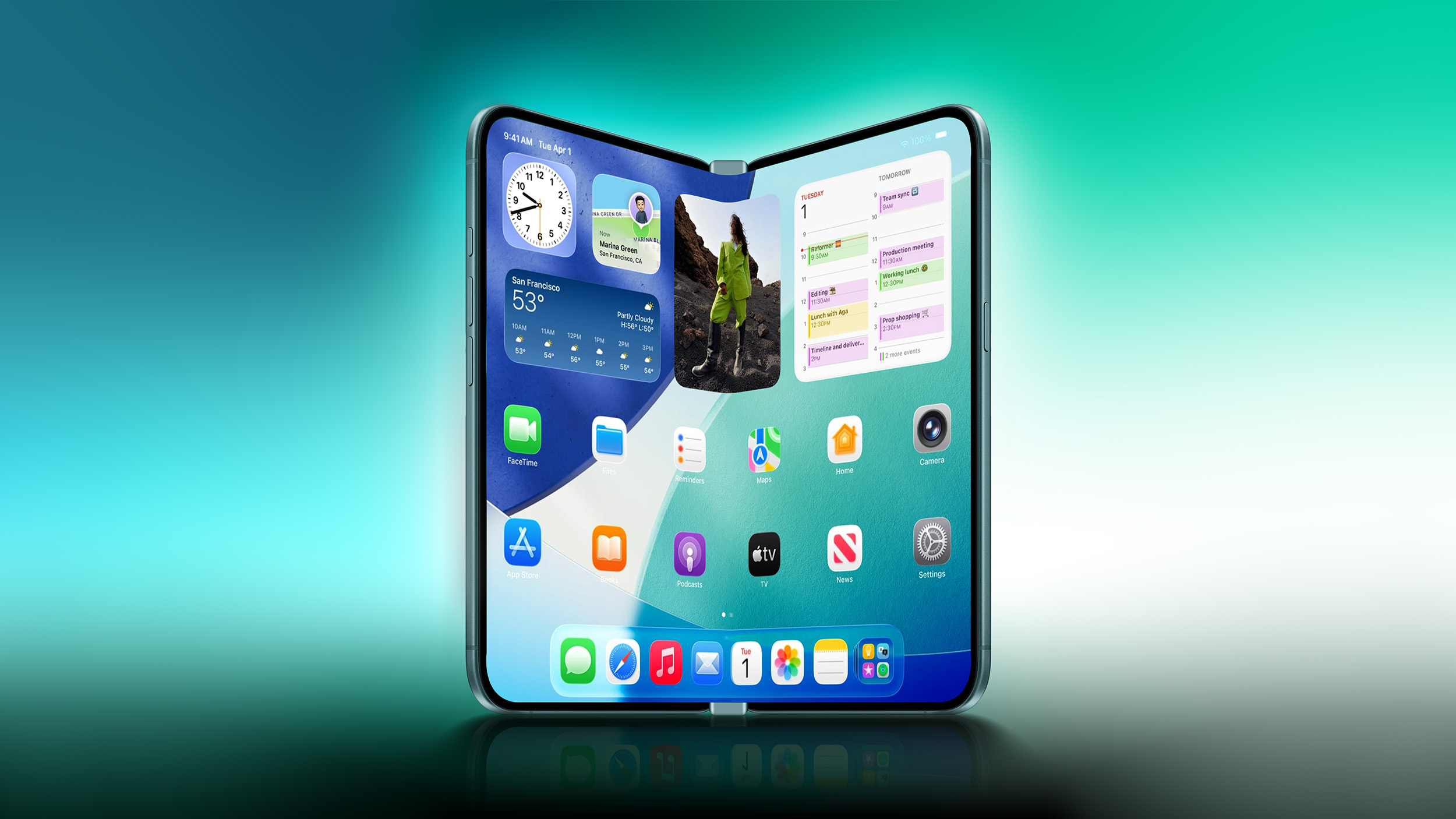
Foldable display technology has evolved rapidly over recent years, yet persistent screen creasing has remained a major challenge for hardware engineering teams across the mobile industry. According to industry publication The Elec, major Android manufacturers including Google, Oppo, and Vivo are now planning to adopt ultra-thin glass (UTG) structural improvements in their upcoming foldable hardware, directly following the engineering direction pioneered by Apple.
For years, flexible displays have relied on single-layer protective glass or plastic films positioned over mechanical hinges. Apple's upcoming book-style device, expected to be officially unveiled next week, reportedly uses two UTG layers with the active display panel sandwiched directly between them. This structural configuration isolates the fragile display component from direct physical contact with moving hinge components beneath.
How the iPhone Ultra Crease Fix Solves Structural Screen Fatigue
The core challenge with traditional foldable screen engineering involves repeated mechanical stress concentrated along a single focal point. When a flexible screen folds shut, tension and compression forces build up across the display bend radius. Over thousands of opening and closing cycles, these localized forces create permanent visible lines across the surface screen material.
By implementing a sandwich-style display structure, Apple's design spreads mechanical stress across multiple flexible glass layers rather than concentrating strain on a single substrate. Isolating the active display panel from direct hinge contact prevents hardware wear and distributes bending strain more evenly across the device surface.
Key structural benefits of this multi-layer ultra-thin glass approach include:
- Reduced Point Pressure: Dual UTG layers absorb mechanical force, preventing pressure spots caused by hinge movement.
- Enhanced Durability: Distributing physical bending stress across two glass sheets minimizes long-term material wear.
- Smoother Screen Surface: Sandwiching the display panel prevents deep surface creasing from forming over repeated daily usage.
- Hinge Isolation: Keeping the visual display element separate from raw mechanical hinges preserves screen uniformity.
Android Manufacturers Preparing for UTG Adoption
Apple's engineering breakthrough is expected to quickly transform the wider flexible smartphone ecosystem. Industry reports indicate that Google, Oppo, and Vivo intend to integrate similar multi-layer ultra-thin glass structures into their future foldable phone releases. This shift highlights how cross-industry display standards often shift when top device manufacturers refine hardware durability.
To learn more about Apple's upcoming flexible devices, check out our dedicated guide on the iPhone Fold lineup. You can also explore current software and ecosystem updates across competing platforms in our comprehensive Android coverage guide.
While Apple is introducing this technology first, manufacturing supply chains are gearing up to supply competing phone brands shortly after. Samsung, a leading force in flexible screen fabrication, will mass produce these advanced ultra-thin glass components for Apple's competitors. This component supply arrangement paves the way for widespread adoption across the market by 2027.
Timeline for Next-Generation Crease-Free Displays
The rollout of this new display structure will happen in distinct phases across the mobile market over the next couple of years. Hardware announcements and manufacturing schedules point toward a structured transition timeline for both iOS and competing devices:
- First Phase (Next Week): Apple is scheduled to reveal its book-style foldable phone featuring the layered UTG screen configuration.
- Second Phase (Next Year): Google, Oppo, and Vivo plan to integrate the double UTG architecture into their next foldable phone updates.
- Third Phase (2027): Samsung scales full mass production of layered UTG display components for wide availability across all market tiers.
This structured supply chain roadmap ensures that component suppliers can refine production yields while bringing manufacturing costs down for broader smartphone distribution.
Why Samsung Is Key to the Foldable Display Expansion
Samsung plays a central role in the flexible display supply chain as both a prominent device maker and a major screen manufacturer. Because Samsung Display possesses the specialized manufacturing facilities required to produce ultra-thin flexible glass at scale, rival phone companies rely heavily on their production capacity.
By mass-producing multi-layer UTG structures for rival brands, Samsung enables companies like Google, Oppo, and Vivo to upgrade their hardware durability without developing separate proprietary glass fabrication setups. This shared manufacturing foundation accelerates display technology improvements across the entire mobile sector.
For more detailed background information on Apple's upcoming high-end mobile devices, read our complete guide on the flagship iPhone Ultra hardware lineup.
What Crease Reduction Means for Mobile Phone Users
Visible display creases have long been one of the biggest consumer hesitations when considering a switch from traditional flat smartphones to flexible devices. Deep screen lines not only affect screen aesthetics during video playback, but they can also create tactile bumps when dragging fingers across the touch surface.
By successfully deploying a dual-layer glass sandwich architecture, device manufacturers can offer smooth, continuous screen surfaces that behave much more like traditional rigid glass displays. As these structural engineering techniques become standard practice across both Apple and Android hardware platforms, user adoption of flexible devices is expected to grow significantly.
The original reporting for this breakthrough, titled "Apple's iPhone Ultra Crease Fix Set for Android Foldables Next Year", originally appeared on MacRumors.com. Smartphone enthusiasts interested in sharing technical thoughts and feedback on these screen changes can Discuss this article in our community forums.
As multi-layer ultra-thin glass structures move toward mass production, the persistent screen crease issue will soon be a problem of the past. The widespread application of Apple's innovative iPhone Ultra crease fix marks an exciting shift toward stronger, smoother, and far more durable foldable devices across the entire mobile industry.
from MacRumors
-via DynaSage
