
Apple Seemingly Made a Mistake When Announcing the New Mac Studio
Apple recently updated its official press release for the new Mac Studio, removing references to PCIe 6.0 storage in favor of PCIe 5.0 architecture. This detailed breakdown explores why the initial specification claim was likely a typo and what the updated storage speeds mean for performance on M5 Max and M5 Ultra systems.
What Happened in the New Mac Studio Announcement?
When Apple published its official newsroom announcement for the new Mac Studio featuring the M5 Max and M5 Ultra chips, hardware enthusiasts immediately noticed an eye-catching technical specification. The press release initially stated that the desktop computer included a next-generation SSD architecture built directly on PCIe Gen 6 technology.
Claiming PCIe 6.0 compatibility would have represented a major leap forward for desktop storage technology. However, tech observers quickly noticed that the claim seemed unusual given the current state of consumer hardware components.
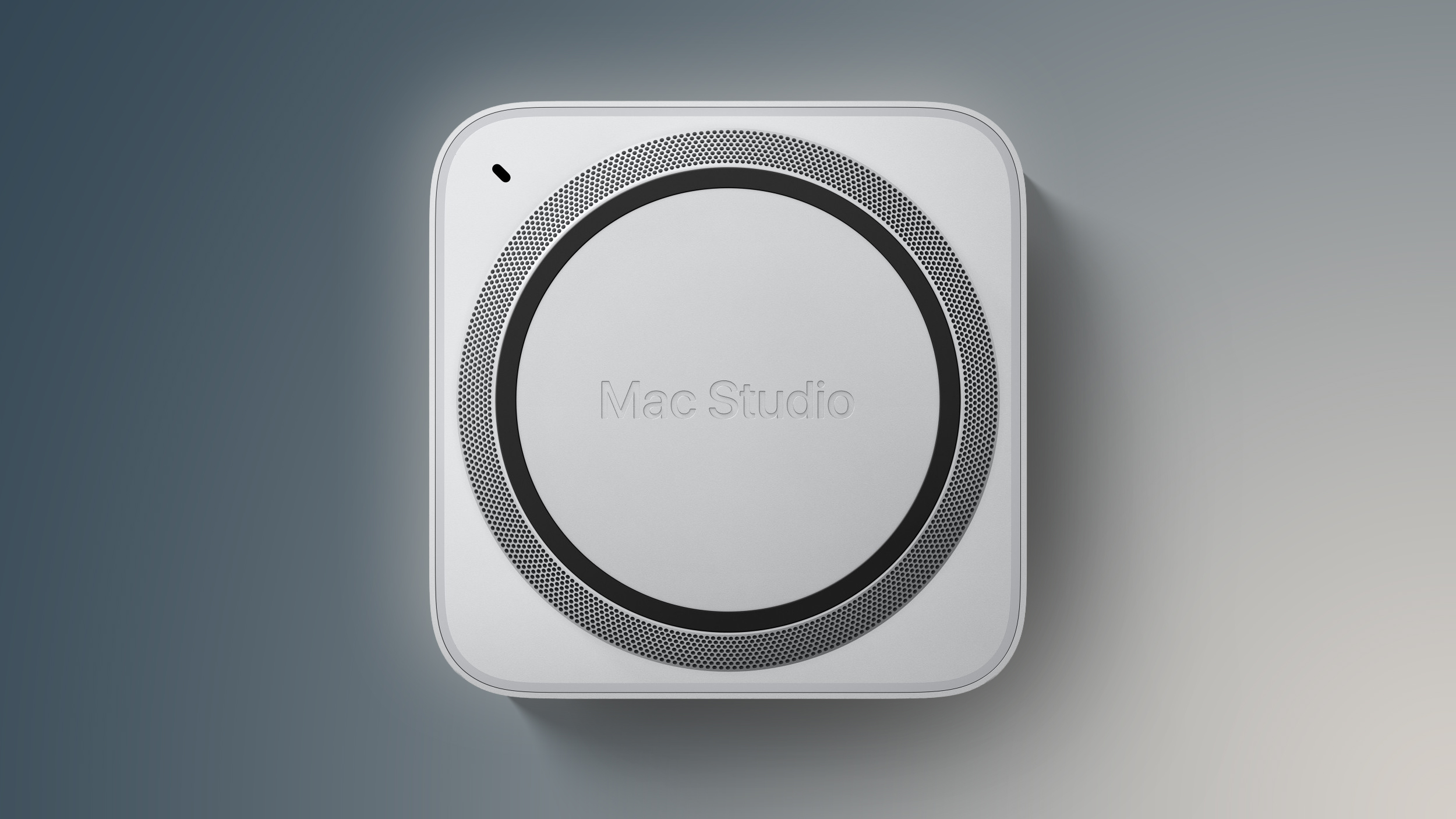
Shortly after the announcement went live, the oversight was spotted by the French blog MacGeneration. The publication highlighted that Apple had quietly removed the mention of PCIe 6.0 from the published press release without making an official public note or correction statement.
Despite removing the specific reference to PCIe 6.0, the updated press release still emphasizes that the system delivers high-speed performance. Apple continues to state that the machine features a next-generation SSD architecture capable of delivering up to twice as fast storage speeds compared to the previous generation model.
Did Apple Make a Mistake in the New Mac Studio Press Release?
Although Apple has yet to respond to formal requests for comment regarding the text edit, all evidence suggests that the inclusion of PCIe 6.0 was simply a clerical mistake in the original document. Industry context and existing product specifications strongly indicate that the workstation actually supports the PCIe 5.0 standard.
There are several key technical reasons why a PCIe 5.0 architecture makes complete sense for this desktop release rather than PCIe 6.0:
- Parity with MacBook Pro: The 14-inch and 16-inch MacBook Pro models powered by the same M5 Max chip use PCIe 5.0 SSDs, with Apple advertising identical claims of up to twice as fast storage speeds for those laptops.
- Market Availability: There are currently no consumer PCs on the market equipped with PCIe 6.0 SSD support, making it unlikely for a mass-production desktop to introduce the standard standard ahead of industry timelines.
- Silicon Architecture: While the M5 Ultra chip is brand new, it builds upon the same underlying architecture as the M5 Max, making PCIe 5.0 integration the most logical storage implementation.
- Silent Documentation Updates: Apple edited the press release text directly rather than defending or clarifying the PCIe 6.0 claim, which typically signals a simple text correction.
When examining these factors together, it becomes clear that the hardware is designed around PCIe 5.0 SSD architecture. The quiet removal of the PCIe 6.0 term aligns directly with standard industry rollouts.
Understanding Storage Performance: PCIe 5.0 vs PCIe 6.0
To understand why this distinction in the press release generated attention, it is helpful to look at how storage generations function in modern high-performance desktop computers. Every generation of Peripheral Component Interconnect Express (PCIe) double the available bandwidth of the generation that preceded it.
The transition to PCIe 5.0 SSD architecture already provides massive speed improvements over older PCIe 4.0 systems. For professional users working with massive video files, complex 3D rendering projects, or huge datasets, PCIe 5.0 provides extraordinary data transfer capabilities.
Because PCIe 6.0 technology remains in early commercial development phases across the tech industry, claiming PCIe Gen 6 support would have placed Apple well ahead of standard PC ecosystem schedules. Correcting the statement to reflect PCIe 5.0 sets realistic expectations while still guaranteeing double the storage speeds over prior desktop revisions.
Comparing the M5 Max and M5 Ultra Chip Capabilities
The introduction of the M5 Max and M5 Ultra chips marks a substantial performance update for Apple silicon desktops. Users configuring the system can choose between these two powerful configurations depending on their computational requirements.
The M5 Max chip provides exceptional processing power for heavy workflows, sharing core structural components with the high-end MacBook Pro lineup. By offering up to twice as fast SSD performance over previous generations, the M5 Max ensures that data bottlenecks are minimized during file read and write tasks.
Meanwhile, the all-new M5 Ultra chip combines massive compute resources to tackle the most demanding professional workloads. Because the M5 Ultra shares technological foundations with the M5 Max, its integrated storage controller relies on the same PCIe 5.0 protocol to deliver ultra-fast data access across the system.
Why Press Release Corrections Happen in Big Tech
Product launches for major technology companies involve complex coordination between engineering teams, marketing staff, and PR departments. With intricate hardware specifications being finalized up until launch day, minor typographic or technical errors can occasionally slip into public announcements.
In this case, marketing language likely conflated general next-generation SSD architecture terminology with an incorrect version number. Catching and correcting such details quickly ensures that customers and enterprise buyers receive accurate hardware specifications before placing orders.
While Apple chose not to issue a separate statement explaining the edit, updating the online press release text directly resolves any confusion regarding storage specifications for prospective buyers.
Summary of Key Hardware Specifications
For buyers evaluating the hardware, here is a breakdown of what the confirmed specifications mean for daily workstation use:
- Storage Generation: Built on PCIe 5.0 SSD architecture for high throughput.
- Speed Improvements: Offers up to 2x faster storage transfer rates compared to the previous generation desktop.
- Processor Options: Configurable with M5 Max or the newly introduced M5 Ultra silicon.
- Ecosystem Standard: Matches the PCIe 5.0 storage speeds seen in top-tier M5 Max MacBook Pro systems.
These features confirm that while PCIe 6.0 is not present, the actual storage performance remains at the absolute cutting edge of current consumer desktop capability.
Frequently Asked Questions
Does the new Mac Studio support PCIe 6.0 SSDs?
No, the desktop does not support PCIe 6.0. Although the initial press release mentioned PCIe Gen 6, Apple updated the announcement to remove that language. The computer operates on PCIe 5.0 SSD architecture.
How fast is the SSD in the new Mac Studio compared to the previous model?
Apple states that the next-generation SSD architecture delivers up to twice as fast storage speeds when compared directly to the previous generation version of the machine.
Why did people suspect the PCIe 6.0 mention was an error?
Tech analysts suspected an error because there are currently no consumer PCs on the market with PCIe 6.0 SSD support. Furthermore, the M5 Max MacBook Pro models use PCIe 5.0 while advertising identical relative speed increases.
Is the M5 Ultra chip using a different storage standard than the M5 Max?
No, both the M5 Max and the all-new M5 Ultra configurations share the same storage performance characteristics and PCIe 5.0 architecture standard.
Where to Learn More and Track Updates
If you are planning to purchase or upgrade, keeping up with product roundups and user discussions is a great way to evaluate real-world performance test results as machines reach customers.
You can explore additional details, historical context, and buying advice through these dedicated community resources:
Related Roundup: Mac Studio
Buyer's Guide: Mac Studio (Buy Now)
Related Forum: Mac Studio
This article, "Apple Seemingly Made a Mistake When Announcing the New Mac Studio" first appeared on MacRumors.com.
Discuss this article in our forums.
Final Thoughts on the New Mac Studio Storage Specs
While the initial reference to PCIe 6.0 generated significant excitement, the quiet press release edit confirms that the new Mac Studio relies on proven PCIe 5.0 SSD technology. Professional users can still look forward to double the storage performance of prior models alongside the powerful M5 Max and M5 Ultra chips.
from MacRumors
-via DynaSage
