
Apple Planning to Bring iPhone Duo Display Tech to Pro in 2029
Apple is planning a major screen upgrade for its 2029 Pro lineup by introducing thinner, more power-efficient polarizer-free displays. According to market analysts, this technology could dramatically boost screen brightness while reducing battery drain on future flagship smartphones.
Display design on modern mobile devices continues to focus heavily on energy efficiency and thin form factors. Future devices like Apple's planned 2029 iPhone Pro OLED displays are expected to adopt an advanced manufacturing design that removes traditional polarizers entirely. According to an industry report published by UBI Research, this engineering shift will allow future flagship iPhones to deliver brighter screens while drawing less power from the battery.
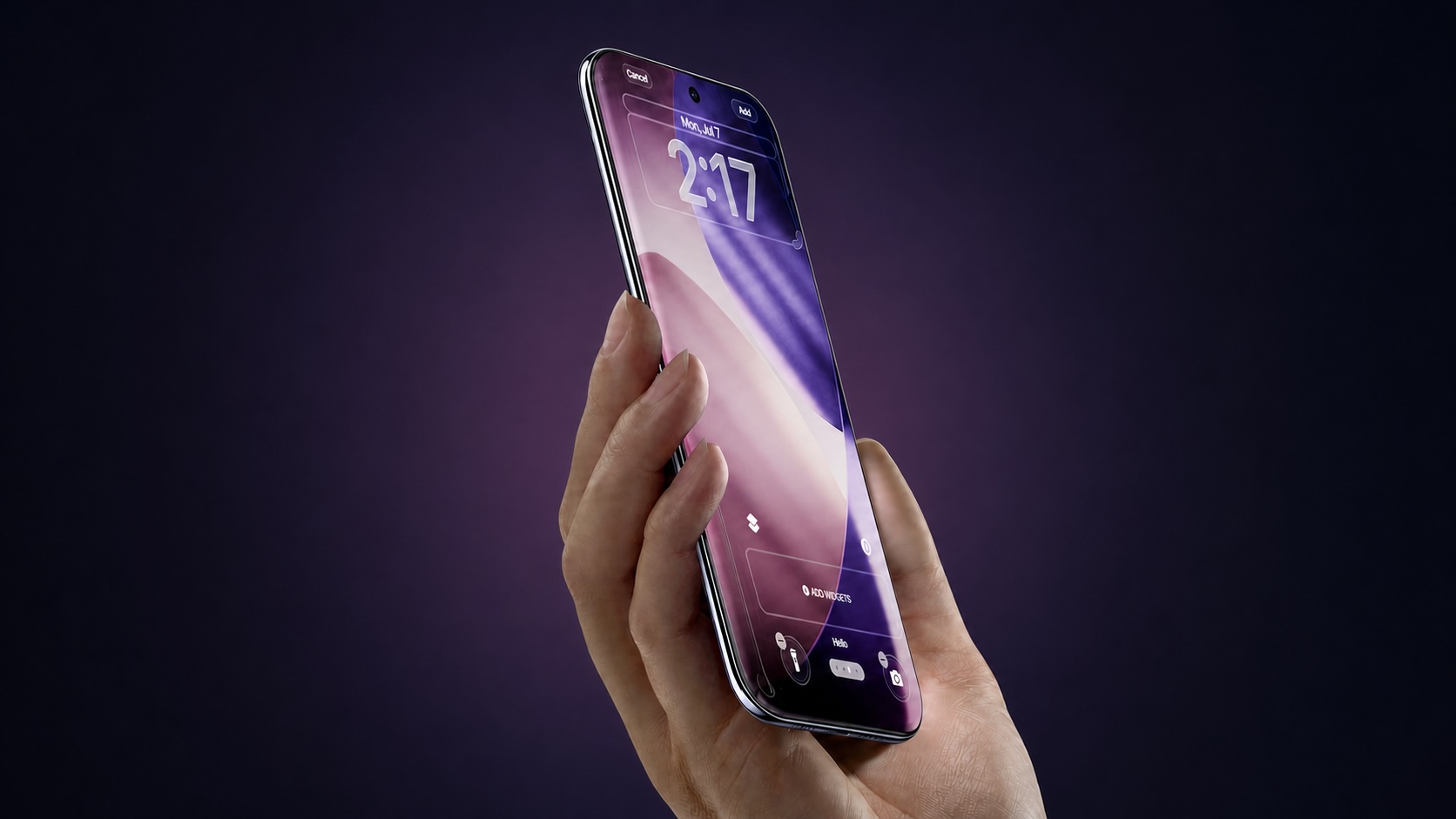
What Is Color Filter on Encapsulation (CoE) Technology?
The display panel breakthrough slated for future iPhones is officially known as Color Filter on Encapsulation, or CoE. In a conventional display assembly, a dedicated polarizing layer sits on top of the panel to control light reflections. CoE technology completely removes this separate polarizer layer from the stack.
Instead of using a separate physical sheet, manufacturers place a specialized color filter directly onto the thin-film encapsulation layer of the panel. This integrated design eliminates extra material depth while maintaining light direction. The main purpose of this shift is to streamline how light travels out of the screen without getting blocked by structural layers.
Traditional display assemblies require multiple bonded components that add physical thickness to the device. By printing or applying color filters directly onto the encapsulation surface, display makers eliminate an entire layer from the stack. This design change fundamentally alters how smartphone screens deal with incoming ambient sunlight and outgoing display backlighting.
Why Traditional Polarizers Limit Screen Efficiency
To understand why polarizer-free panels are such an improvement, it helps to understand what traditional polarizers do. In conventional screens, the polarizer plays an important role in controlling glare from ambient sunlight. Without reflection management, outdoor sunlight bounces off internal metallic wiring and obscures what is shown on the screen.
However, traditional polarizing sheets come with a significant downside. While they stop unwanted external light from reflecting into your eyes, they also absorb a massive portion of the light generated by the panel itself. A standard polarizer can trap more than half of the light emitted by the screen pixels before it ever reaches the user.
Because so much light is lost inside the display stack, smartphone displays must drive their pixels harder to achieve high brightness levels. Driving pixels at higher currents generates excess heat and consumes battery reserves quickly. Eliminating the polarizer allows the light produced by the screen pixels to escape without unwanted absorption.
Key Advantages of iPhone Pro OLED Displays Without Polarizers
Removing the polarizing sheet from high-end mobile screens offers several noticeable benefits for smartphone performance and hardware design. Display manufacturers and phone designers gain several mechanical and electrical advantages from this shift.
- Higher Display Brightness: Unblocked light travels directly out of the panel, reaching higher peak brightness levels without increasing energy usage.
- Lower Power Drain: The screen can operate at lower power levels while matching current outdoor display brightness standards.
- Thinner Overall Stack: Eliminating a physical component layer reduces the total height of the display module.
- More Internal Hardware Space: Saved vertical space inside the phone chassis can be repurposed for larger batteries, improved camera modules, or enhanced cooling chambers.
These combined benefits make polarizer-free panels extremely attractive for modern smartphones. Reducing screen power consumption is one of the most effective ways to prolong overall daily battery life, as the display panel is usually the single largest consumer of battery power in any smartphone.
Real-World Precedents: Samsung's Eco2 OLED
Apple will not be the first manufacturer to experiment with removing polarizers from mobile panels. Samsung Display originally commercialized this exact approach under the brand name Eco2 OLED when it launched the Galaxy Z Fold3. Foldable devices benefited immediately because removing rigid layers makes screens easier to flex without creasing or degrading over time.
According to official Samsung display internal testing data, its original CoE implementation delivered dramatic performance improvements over traditional panel structures. The company recorded a 33 percent increase in light transmission efficiency across the panel. At the same time, power consumption dropped by up to 25 percent compared to standard screens using standard polarizers.
These real-world metrics highlight why major tech hardware companies want to bring the technology to mainstream flat devices. Achieving a quarter-less power usage on display hardware allows device makers to maintain sleek battery profiles without sacrificing operational battery life during daily use.
Technical Challenges Facing Polarizer-Free OLED Screens
If removing the polarizer offers such huge advantages, why isn't every modern smartphone screen made this way today? The answer comes down to manufacturing complexity and optical fine-tuning. Replacing a physical polarizer requires complex chemical and optical engineering solutions to keep ambient light from reflecting off internal wiring.
Without a dedicated polarizing layer, screen manufacturers must control unwanted reflections using alternative optical techniques. These methods rely on precise combinations of internal color filters, specialized black pixel-defining layers, and advanced low-reflection surface coatings. Mastering these layered optical coatings at massive manufacturing scales requires exceptionally strict quality control.
According to analysts at UBI Research, maintaining pristine outdoor visibility, comfortable viewing angles, high contrast ratios, and color accuracy remains tricky. Apple appears to be waiting until 2029 to ensure these optical hurdles are completely solved before introducing the technology across high-volume Pro iPhone production lines.
Connecting the iPhone Duo to Future iPhone Pro Models
Prior to discussions about future slab-style phones, reports indicated that Apple's rumored foldable device, known as the iPhone Duo, would feature a Samsung-supplied folding display using CoE technology. Reports regarding foldable display panel approval suggested that early production of these specialized panels was greenlit for specialized form factors first.
Although Apple rarely discusses unannounced internal panel architecture, market research firms view specialized hardware like the foldable line as a proven stepping stone. Mastering CoE production on a lower-volume foldable device provides valuable operational experience for screen suppliers before scaling up to mass consumer flagship models.
The lessons learned from initial production runs will directly inform how manufacturers handle mass production for upcoming Pro models. Moving from niche foldable designs to mainstream flat flagship phones represents the final step in commercializing polarizer-free screen technology across Apple's lineup.
Supply Chain Dynamics and Mass Production Scale
Transitioning primary flagship smartphones to CoE panels represents a massive leap in manufacturing volume compared to foldable screens. Research estimates suggest that combined annual panel orders for two Pro models generally hover between 90 million and 100 million units. This volume is vastly larger than current production volumes for specialized foldable screens.
Major display manufacturers are actively expanding their production facilities to handle this massive surge in demand. Samsung Display and LG Display are expected to act as primary suppliers for these advanced panels due to their existing technical expertise and manufacturing capacity. Chinese panel supplier BOE may also compete for orders if it can consistently meet Apple's strict yield and performance thresholds.
Having multiple qualified suppliers is crucial for Apple's supply chain strategy. Securing panel supply across Samsung, LG, and potentially BOE guarantees competitive pricing and shields the company from unexpected component shortages during high-volume product launches.
What This Display Upgrade Means for Future Buyers
For everyday users, the arrival of CoE display panels in 2029 will translate into tangible improvements in real-world smartphone use. Displays will appear significantly brighter in direct sunlight, eliminating the washing-out effect often seen when using smartphones outdoors on bright sunny days.
Simultaneously, users can expect better overall battery performance. Because the screen requires significantly less wattage to deliver vivid, bright visuals, device processors and displays can operate longer on a single charge. Furthermore, the physical space saved by using a thinner screen stack could allow engineers to include larger battery cells or improved internal cooling modules.
As display technology evolves, eliminating redundant physical layers represents a major milestone in mobile device design. By adopting polarizer-free architecture, Apple's future Pro lineup will set a new benchmark for smartphone display performance and efficiency.
Explore More Related Resources
For more technical breakdowns and updates regarding future product roadmaps, check out the following resources from the community:
- Check the buyer context in the iPhone Duo Buyer's Guide for hardware release timing.
- Join community conversations in the iPhone Hardware Forum to share opinions on display advancements.
- Read the original coverage on Apple Bringing Display Tech to Pro hosted on MacRumors.
- Participate in thread discussions about bringing display technology to Pro models by 2029.
As Apple pushes forward toward its 2029 target, developments in CoE technology and production yields will remain key indicators of future smartphone display efficiency.
from MacRumors
-via DynaSage
