
Apple Planning AI Home Security Camera and Service for 2027
Apple is reportedly developing a privacy-focused Apple home security camera and dedicated monitoring service scheduled to launch in 2027. Featuring artificial intelligence that analyzes surrounding environments without relying on traditional raw video streams, this upcoming hardware could fundamentally change smart home security and digital privacy.
For users who rely on Apple devices to manage their daily routines, a first-party smart home security system has long been a missing piece of the puzzle. While third-party manufacturers have built accessories for the Home app for years, hardware designed directly by Apple promises tighter software integration, seamless ecosystem functionality, and enhanced data protection. Below is a detailed breakdown of what the latest rumors reveal about this upcoming device, how it integrates with future smart home hardware, and what existing software features tell us about Apple strategy.
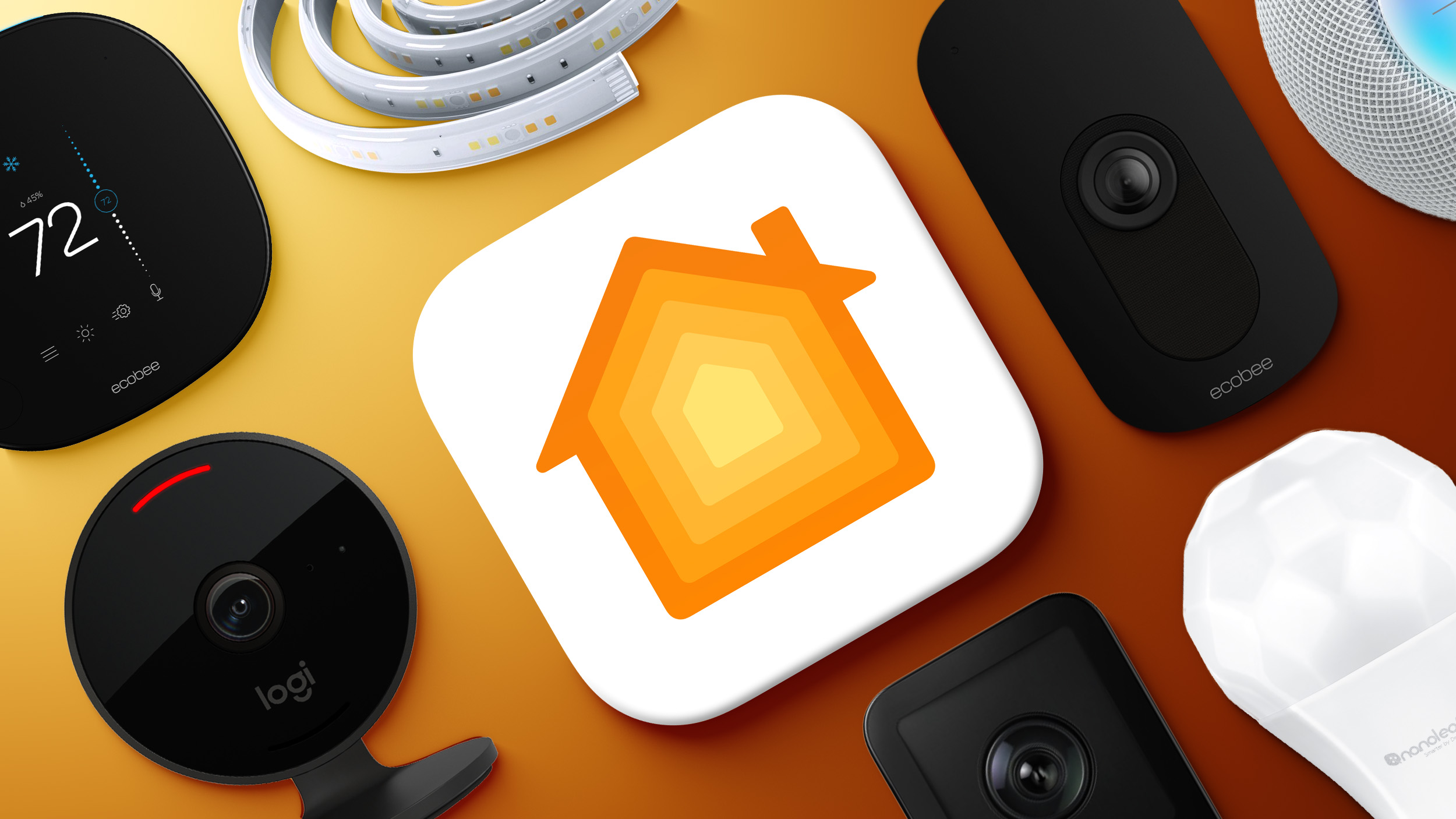
Apple Home Security Camera: What Do the Latest Reports Reveal?
According to a report from Bloomberg, Apple is actively working on a home security system and accompanying subscription service aimed for release in 2027. The centerpiece of this project is a specialized camera that takes an entirely unique approach to monitoring physical spaces.
Rather than continuously streaming and storing raw video recordings, the proposed Apple home security camera will rely on on-device artificial intelligence to analyze environmental surroundings. Instead of recording every detail of your daily life inside your living space, the camera uses AI processing to detect motion, recognize context, and identify changes in the room. This architectural choice addresses one of the primary concerns consumers have regarding indoor security hardware: the potential compromise of personal privacy.
Although specific details regarding the standalone monitoring service remain sparse, industry analysts anticipate that the service will integrate directly into Apple existing subscription structure. By pairing specialized hardware with intelligent cloud services, Apple aims to deliver continuous home monitoring without forcing users to sacrifice peace of mind.
How AI-Powered Environmental Monitoring Protects Home Privacy
Traditional home security hardware relies on continuous video recording, capturing high-definition video feeds that are either stored on local memory cards or uploaded to cloud servers. While effective, this approach creates substantial privacy risks if credentials are compromised or cloud servers experience security breaches.
Apple planned approach flips this model on its head by prioritizing environmental analysis over raw video capture. By processing spatial computer vision on the device itself, the camera can observe motion, recognize family members or pets, and evaluate potential security incidents without ever saving or transmitting traditional footage. The device interprets what is happening in the environment and alerts the user only when actionable events occur.
This privacy-first strategy aligns perfectly with Apple broader philosophy on user data protection. By processing visual information locally, sensitive visual data never leaves your home network, making an Apple home security camera far more appealing to privacy-conscious consumers who have previously avoided indoor surveillance equipment.
The Upcoming Apple Smart Home Hub and Camera Integration
The hardware road map for Apple home infrastructure extends beyond a standalone camera. Reports suggest that Apple plans to release a dedicated smart home hub before the end of the year, serving as a central command station for connected accessories across the house.
Previous rumors indicate that there is a camera in the works designed specifically to operate alongside this new central hub. Early information describes a compact, wireless security camera equipped with deep Siri voice assistant integration and a direct connection to the home hub currently in active development.
This multi-device strategy suggests that Apple is building a cohesive hardware hardware lineup for the modern residence. The smart home hub will likely manage communication between sensors, lights, locks, and security hardware, while Siri voice controls will allow users to query security statuses, view alerts, or adjust camera parameters effortlessly using natural spoken language.
HomeKit Secure Video: How Apple Currently Handles Camera Feeds
While a first-party Apple camera remains on the horizon for 2027, Apple already maintains a strong presence in home security through software infrastructure. The company created HomeKit Secure Video as an advanced framework designed specifically for third-party security accessories.
HomeKit Secure Video provides end-to-end encryption for security footage captured by compatible hardware from partner brands. When a third-party camera detects activity, the footage is analyzed locally by a home hub, such as an Apple TV or HomePod, before being encrypted and sent securely to iCloud.
Key security safeguards built into the existing ecosystem include:
- End-to-end data encryption ensuring that only authorized device owners can view recorded video clips.
- On-device intelligence that identifies people, animals, vehicles, and package deliveries without cloud processing.
- Secure encrypted storage hosted on global cloud infrastructure without consuming personal storage limits.
- Seamless integration with the Home app across iPhone, iPad, Mac, and Apple Watch screens.
This existing architecture provides a proven foundation for future hardware. Third-party devices connected through HomeKit demonstrate how Apple handles hardware communication, software keys, and cloud synchronization, paving the way for a smooth launch when first-party hardware arrives.
iOS 27 Smart Home Updates: Written Summaries and Footage Grouping
Software development plays a vital role in preparing the ecosystem for future hardware capabilities. In iOS 27, Apple introduces major enhancements to its HomeKit camera features inside the Home application.
One of the standout additions in iOS 27 is automated intelligence capable of generating clear, written summaries for motion alerts. Instead of requiring users to watch through long video clips to figure out why a motion alert was triggered, the Home app synthesizes the event into a concise text description. For instance, the app can notify you that a dog ran across the front yard or that a delivery driver dropped off a package on the porch.
Additionally, the updated Home app can automatically highlight key moments from event logs and group footage from multiple cameras placed around the property. If an event spans across the driveway, front entryway, and side yard, the software consolidates these individual feeds into a single, chronological playback line. These intelligent organization features reduce friction and make managing multiple security feeds effortless.
iCloud+ Storage Tiers and Security Subscription Requirements
To take advantage of advanced smart home features, Apple ties capabilities directly to its cloud storage service tiers. Understanding these storage tiers offers valuable insight into how a future monitoring service might be packaged for consumers.
Currently, basic camera capabilities rely on standard cloud subscriptions, while newly introduced AI analysis features require higher-tier plans:
- 50GB iCloud+ Plan: Supports basic HomeKit Secure Video for one camera feed, providing ten days of encrypted event history without taking up personal file storage.
- 200GB iCloud+ Plan: Expands HomeKit Secure Video support to up to five individual camera feeds with full event recording and notification settings.
- 2TB or Higher iCloud+ Plan: Unlocks unlimited HomeKit Secure Video camera feeds along with the premium iOS 27 features, including written event summaries, video highlights, and multi-camera footage grouping.
Industry observers expect that any future home security and monitoring service introduced in 2027 will likely integrate directly with these premium iCloud+ subscription tiers. By bundling hardware management, local AI features, and cloud storage into a unified subscription, Apple can offer incredible value while simplifying billing for end users.
Comparing Traditional Security Cameras vs Apple Privacy AI
To understand why a first-party camera system matters, it helps to examine how traditional security systems compare to Apple proposed model. Traditional systems have long depended on continuous cloud recording and manual clip review. Apple approach shifts the focus toward automated contextual awareness.
Standard cameras frequently send continuous video streams to remote servers. This requires high network bandwidth and creates potential security vulnerabilities if remote databases are accessed improperly. In contrast, an Apple home security camera relies on local machine learning chips to process spatial environment maps directly inside the physical unit.
Furthermore, standard alert systems often produce false positives, triggering notifications whenever wind moves tree branches or shadows shift across a room. By analyzing environmental context rather than simple pixel movement, Apple AI system aims to eliminate false alarms, delivering precise notifications only when meaningful activity takes place.
Why 2027 Is the Target Year for Apple Security Hardware
Building a home security system requires careful coordination between custom silicon, optical sensor production, wireless connectivity standards, and software operating systems. Target timelines pointing toward 2027 reflect the complex nature of developing privacy-focused machine learning algorithms.
Before launching a dedicated camera, Apple must establish a strong foundation with its upcoming smart home hub. Deploying the smart home hub first allows Apple to build an installed base of hardware capable of performing local computing tasks across the home network. Once this central computing node is established in user households, introducing satellite accessories like a wireless AI camera becomes far more practical.
Additionally, refining machine learning models to accurately monitor environments without relying on traditional video streams requires extensive testing. Ensuring zero privacy leaks while maintaining reliable intrusion detection demands rigorous evaluation before consumer distribution.
How to Prepare Your Smart Home Setup Today
If you plan to incorporate Apple upcoming security hardware into your living space, preparing your home network and ecosystem today will ensure a smooth transition when new devices arrive.
Here are several practical steps to optimize your current setup:
- Upgrade your home network with reliable Wi-Fi coverage extending to entryways, garages, and outdoor perimeters where cameras may be installed.
- Establish an active Apple home hub using a supported Apple TV or HomePod device to manage existing automation routines and local signal routing.
- Review your cloud storage capacity and consider upgrading to a higher iCloud+ tier to unlock current iOS 27 camera organization features.
- Explore current HomeKit-compatible accessories like smart locks, motion sensors, and connected lighting to build an integrated security foundation.
What to Watch for in Upcoming Apple Announcements
As we move closer to the anticipated target date, tech enthusiasts should keep an eye on upcoming hardware events and software developer conferences. Initial steps in Apple smart home road map will unfold long before the camera itself hits store shelves.
Key milestones to track include the official announcement and launch of the smart home hub, incremental updates to the Home app within future iOS releases, and potential announcements regarding expanded iCloud+ service tiers. Each software update lays necessary groundwork for eventual hardware deployments.
Final Thoughts on Apple AI Home Security Camera Plans
The prospect of an Apple home security camera backed by on-device AI environmental monitoring represents an exciting step forward for home automation technology. By prioritizing local processing and data encryption, Apple is addressing the biggest flaw in modern home security: consumer privacy risks.
While a full launch is not expected until 2027, the groundwork is already being laid through current updates in iOS 27, expanded HomeKit Secure Video capabilities, and the imminent arrival of a dedicated smart home hub. For consumers who value both personal privacy and smart automation, Apple expanding security ecosystem is definitely something to watch closely over the coming years.
This article, "Apple Planning AI Home Security Camera and Service for 2027" first appeared on MacRumors.com
Discuss this article in our forums
from MacRumors
-via DynaSage
